William Daniels and the Legacy of The Graduate in Film History

William Daniels’ portrayal of Mr. Braddock in the 1967 cinematic landmark The Graduate serves as a masterclass in supporting character performance, bridging the transition between traditional studio-era acting and the gritty, psychological realism of the New Hollywood movement. While the film is often analyzed through the lens of its lead actors or Mike Nichols' groundbreaking direction, Daniels’ performance provides the crucial domestic anchor that makes Benjamin Braddock’s alienation palpable. In film history, his work represents the quintessential mid-century suburban father figure, a role that defined the era's generational tension and solidified his status as an essential character actor.
The Context of the 1960s Suburbia in Cinema
To understand William Daniels’ contribution to The Graduate, one must first examine the cultural zeitgeist of the late 1960s. The film emerged at a pivotal moment when American cinema was shifting away from the moral certainties of the post-WWII period toward a more cynical, questioning outlook. The suburbia presented in The Graduate is not the utopian promise of the 1950s; it is a sterile, claustrophobic environment that traps the protagonist.
Daniels, playing Mr. Braddock, inhabits this space with an unsettling blend of contentment and emotional obliviousness. He is not a mustache-twirling villain; rather, he is the representative of the establishment who believes he has provided everything his son needs. By playing the character with a grounded, almost mundane realism, Daniels heightens the absurdity of Benjamin’s predicament. The tragedy of the Braddock household is that the parents are not malicious, merely disconnected, and Daniels captures this nuance with remarkable precision.
Anatomy of a Performance: The Braddock Dynamic
William Daniels’ interaction with Dustin Hoffman (Benjamin Braddock) serves as the primary engine for the film’s domestic conflict. Daniels employs a distinct acting style characterized by precise diction and an ability to convey internal emotional repression. His performance creates a "wall of normalcy" that Benjamin is constantly crashing against.
Key elements of his performance include:
- Stoic Unawareness: Daniels portrays Mr. Braddock as a man who views life through the prism of material success. He cannot fathom why his son would be disillusioned, a reaction that fuels the film’s narrative engine.
- Subtle Physicality: Notice the way Daniels carries himself in scenes involving his backyard swimming pool or the celebratory party. His presence is stiff, suggesting a man who is physically uncomfortable with the shifting cultural tides of the late 1960s.
- The "Fatherly" Advice: The advice Daniels offers throughout the film—most famously regarding the "plastics" of the industry—is delivered with such sincerity that it makes his disconnect from Benjamin feel even more profound.
Comparison of Performance Styles in The Graduate
The Graduate featured a mix of established stage actors and fresh, naturalistic talent. The following table illustrates how Daniels’ role as the father figure functioned within the ensemble cast.
| Actor | Role | Acting Style | Impact on Film |
|---|---|---|---|
| William Daniels | Mr. Braddock | Method-adjacent/Theatrical | Provides the anchor for suburban malaise |
| Murray Hamilton | Mr. Robinson | Comedic/Antagonistic | Represents the corrupt adult corporate world |
| Dustin Hoffman | Benjamin Braddock | Naturalistic/Internalized | Represents the angst-ridden youth |
| Anne Bancroft | Mrs. Robinson | Stylized/Femme Fatale | Represents the dangerous allure of the past |
The New Hollywood Transition
Film historians frequently cite The Graduate as a primary catalyst for the New Hollywood era (roughly 1967–1980). This period saw a rise in the "anti-hero," directors taking creative control from the studio system, and a more adult approach to thematic content. William Daniels’ role is historically significant because he represents the "Old Hollywood" archetype within a "New Hollywood" framework.
Daniels brought the discipline of the New York stage to the screen. His training allowed him to adapt to Mike Nichols’ exacting style, which required actors to perform in long takes that demanded consistent emotional depth. Unlike many of his contemporaries who struggled to transition from the formal acting of the 1950s to the looser, more improvisational style of the late 60s, Daniels remained consistent. He served as the bridge that allowed audiences, many of whom were accustomed to traditional character archetypes, to accept the radical stylistic departures taking place in the film.
Technical Contributions to Cinematic Tension
Beyond his performance, Daniels’ involvement in The Graduate highlights the importance of the supporting cast in creating cinematic tension. In modern film theory, this is often described as "environmental acting." The tension between Benjamin and his father is rarely articulated through dramatic shouting matches. Instead, it is built through micro-expressions and the blocking of scenes within the Braddock home.
Daniels understood that his character needed to be the "straight man" to Hoffman’s erratic, confused youth. By refusing to overact, Daniels allowed Hoffman’s performance to breathe. When he stares at his son from across the pool, his lack of visible internal turmoil is exactly what causes the audience to feel the weight of Benjamin’s isolation. This is a technical choice—a restraint that serves the film’s broader artistic goals.
The Legacy of the "Plastics" Scene
While the "plastics" advice given to Benjamin is a frequently quoted moment in film history, it is essential to revisit it as a performance piece. When William Daniels delivers that line, he does so with the earnest conviction of a man who genuinely believes in the future of the chemical industry.
For students of film, this scene is a case study in subtext. On the surface, it is a boring conversation about career paths. Underneath, it is a total failure of communication between two generations. Daniels’ ability to make the mundane feel monumental is precisely why The Graduate remains a staple in university film history curricula. It is not just the script; it is the delivery of the dialogue that makes the scene a masterclass in showing, not telling, the generation gap.
Common Misconceptions Regarding the Supporting Cast
Many casual viewers believe that the success of The Graduate was solely due to the chemistry between Hoffman and Bancroft. While their performances are undeniably central to the film’s fame, film historians argue that the film would have collapsed into caricature without the grounded performances of the supporting cast, particularly William Daniels and Elizabeth Wilson (Mrs. Braddock).
A common error in analyzing the film is to assume that the parents were intended to be villainous. In reality, Daniels’ performance ensures they are seen as human beings, albeit deeply flawed and historically dated ones. If Daniels had played Mr. Braddock as overtly cruel, the film would have become a melodrama. By playing him as a man of his time, he maintained the film’s status as a sophisticated dark comedy.
FAQ: William Daniels in The Graduate
Why is William Daniels’ performance often highlighted in film studies courses? He serves as the primary anchor for the generational conflict central to the film. His ability to portray the "establishment" as misguided rather than malicious allows the film to maintain its nuanced tone, which is a hallmark of the New Hollywood movement.
Did William Daniels find it difficult to transition from stage to screen for this role? Daniels was a veteran of the New York stage before The Graduate. He utilized his stage training—specifically his mastery of timing and subtext—to navigate the long, complex takes favored by director Mike Nichols, which required a high degree of technical control.
How did the "plastics" scene define his role in the movie? The scene is a defining moment of the generation gap. Daniels delivered the lines with absolute sincerity, which perfectly contrasted with Benjamin’s existential dread. It remains a key example of how a supporting character can drive the central theme of a film without being the protagonist.
Does Daniels’ performance change on subsequent viewings of the film? Yes. Upon first viewing, many audience members focus on the rebellion of Benjamin. On subsequent viewings, viewers often notice the quiet, subtle work Daniels does in the background of scenes, which provides the emotional "weight" against which Benjamin rebels.
Is William Daniels’ role considered "Typecasting" in his later career? While he played several authority figures throughout his long career, his work in The Graduate was so distinctive that it provided him the versatility to pivot into both comedic and dramatic roles, eventually leading to his iconic later work in television.
Conclusion and Practical Study Recommendation
For those studying film history, a deep analysis of The Graduate should move beyond the lead actors and specifically track the performance of William Daniels across the film’s three acts. Observe how his body language shifts as the film progresses from the graduation party to the final, chaotic conclusion. Pay close attention to his pacing and eye contact during the scenes with Dustin Hoffman.
If you are a student of performance, transcribe the dialogue from one of his longer scenes and watch the film on mute. Observe how Daniels conveys the character's emotional state through movement and stillness alone. This exercise will provide a clearer understanding of how seasoned actors contribute to the structural integrity of a film, ensuring that even the quietest moments resonate with the audience. His work remains a testament to the idea that a supporting performance, when executed with precision and restraint, is the bedrock upon which cinematic classics are built.
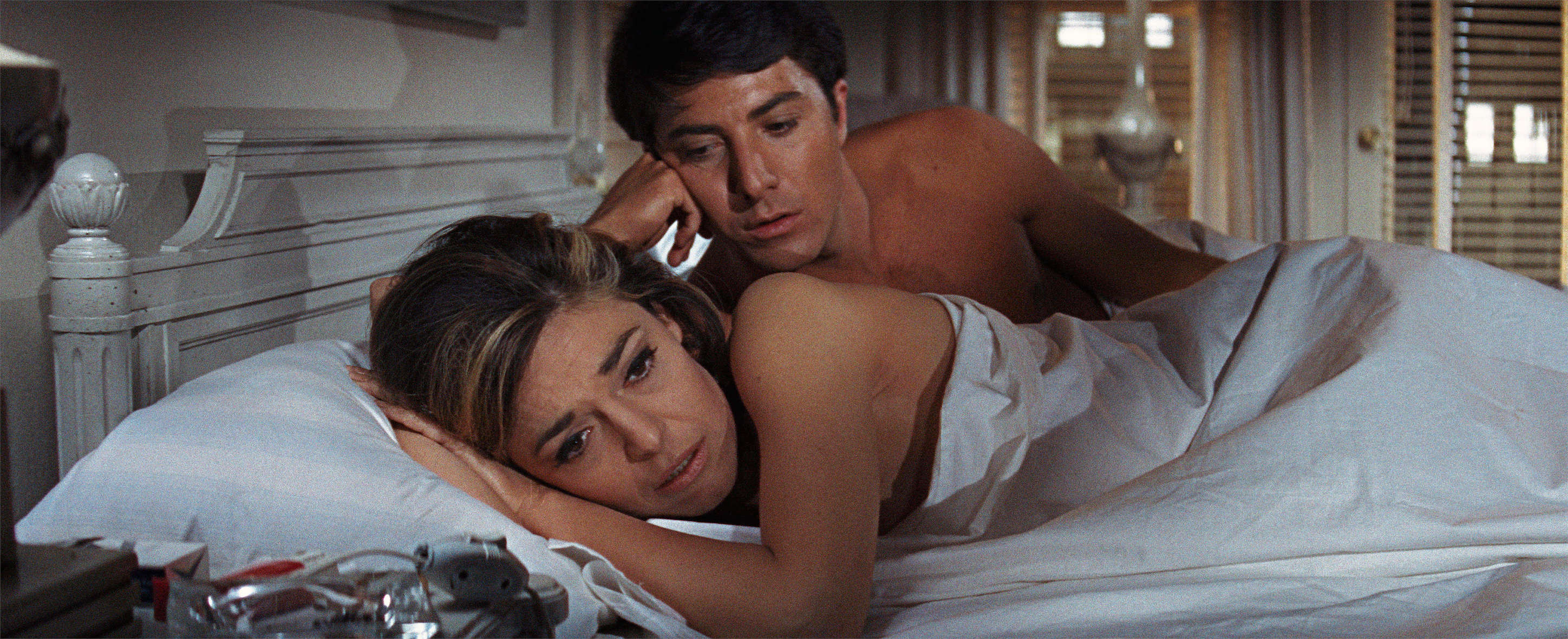
Image Gallery
Select an image to open it in a new tab.


Omar Farooq
EdTech Innovation and Virtual Pedagogy Journalist
