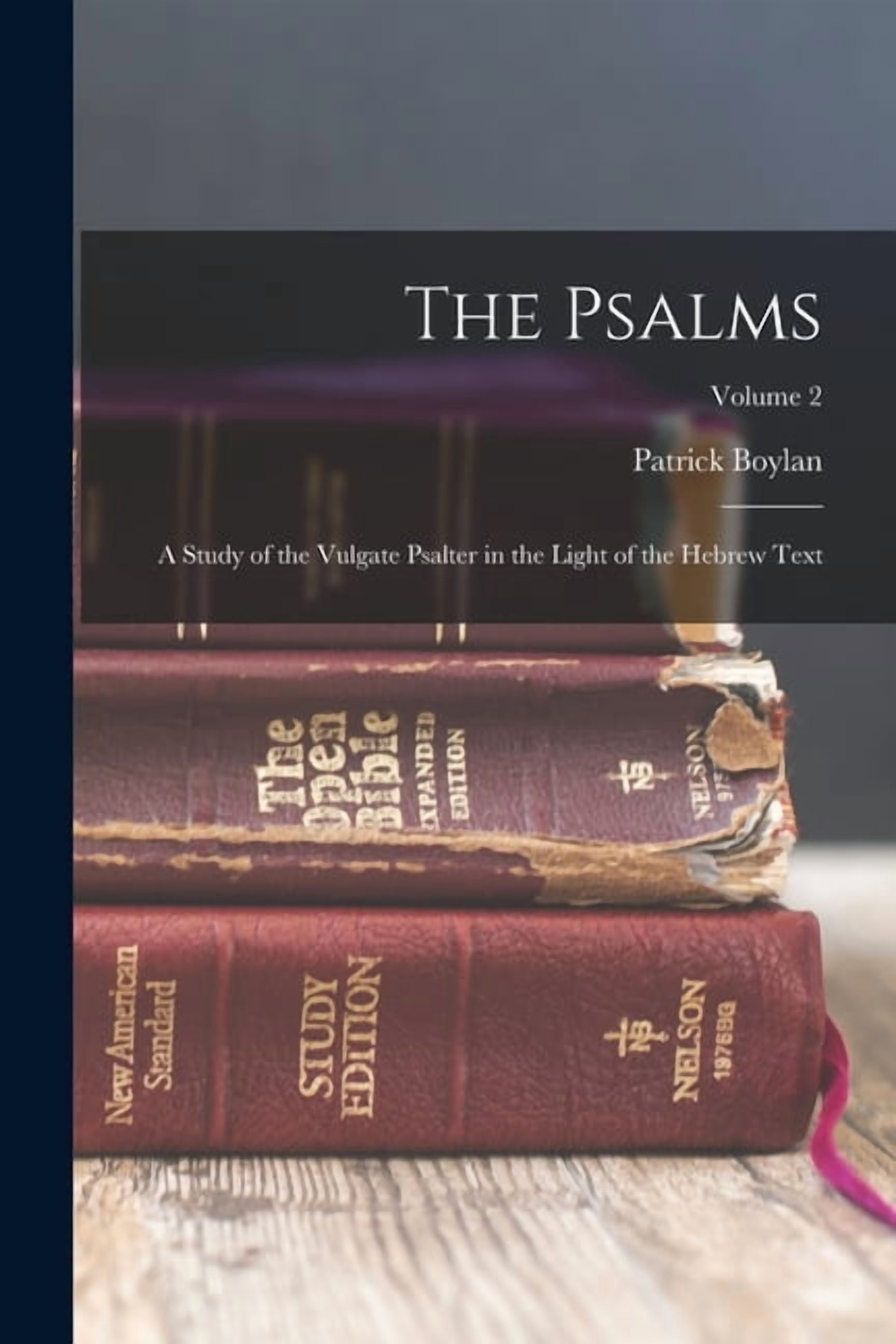
The Hebrew word for Psalms is Tehillim, which translates literally to "praises" or "songs of praise." While the English title derives from the Greek psalmos—implying a song accompanied by a stringed instrument—the original Hebrew designation focuses on the thematic content of the collection, centering on the act of glorifying the Divine through poetic expression and musical prayer.
Etymology and Linguistic Foundation
To grasp the true meaning of Tehillim, one must look at the root of the word. In Hebrew, the word is derived from the verb hillel, which means "to praise" or "to boast." This is the same root found in the word Hallelujah, which breaks down into Hallel (praise) and Yah (a shortened form of the Tetragrammaton, or the name of God).
The suffix -im is the standard masculine plural ending in Hebrew, turning the concept of "a praise" into "praises." Therefore, the book of Psalms is not merely a collection of poems or historical narratives; it is conceptually defined as an anthology of praise. This linguistic choice reveals a great deal about the ancient Israelite perspective on worship. In this tradition, prayer was not solely restricted to petition or lament; even when the psalmist is crying out in agony, the act of vocalizing the prayer is often viewed as a precursor to or a component of praise.
The Contrast Between Greek and Hebrew Nomenclature
The English title "Psalms" comes from the Septuagint, the ancient Greek translation of the Hebrew Bible. The Greek word psalmos refers to a song sung to the accompaniment of a stringed instrument, such as a harp or a lyre. This emphasizes the liturgical and musical nature of the texts.
By contrast, the Hebrew Tehillim emphasizes the purpose of the utterance. While the Greek translation focuses on the performance—the instrumental music—the Hebrew title focuses on the objective—the glorification of God. Understanding this distinction helps the reader recognize that these texts were designed to be both functional, in a musical sense, and theological, in a devotional sense.
The Structure of Tehillim
The collection is traditionally divided into five books, a structure that many scholars believe mirrors the Five Books of Moses (the Torah). This parallel is intentional in Jewish tradition, positioning Tehillim as a response to the Law—where the Torah represents the word of God coming down to humanity, Tehillim represents the words of humanity ascending to God.
| Book | Chapters Included | Primary Thematic Focus |
|---|---|---|
| Book I | 1–41 | Primarily Davidic; focuses on personal distress and vindication. |
| Book II | 42–72 | Reflections on the struggle of the faithful and the glory of Zion. |
| Book III | 73–89 | Communal laments and the fragility of the nation. |
| Book IV | 90–106 | Focuses on God’s eternal reign and sovereignty over creation. |
| Book V | 107–150 | Liturgical praise, Hallel sequences, and concluding doxologies. |
Technical Aspects of the Poetry
Understanding Tehillim requires an appreciation for biblical Hebrew poetry. Unlike Western poetry, which often relies on rhyme and meter, Hebrew poetry is built on parallelism. This is a rhetorical device where the second or third line of a verse reinforces, expands upon, or contrasts with the first line.
For example, a common form is "synonymous parallelism," where the second line says the same thing as the first in different words to emphasize a point. When analyzing the Hebrew text, the reader will notice that the "praise" inherent in the title is often balanced by raw, unvarnished human emotion. The poets use sophisticated imagery—mountains, waters, shadows, and strongholds—to anchor their praise in the physical reality of the ancient Near Eastern landscape.
Why the Distinction Matters for Interpretation
If a student of the text treats the book simply as "psalms" in the English sense—songs of music—they might miss the underlying theological framework. Because the book is titled Tehillim, the reader is encouraged to view every entry, including the most difficult laments, through the lens of praise.
The inclusion of maskil (contemplative songs) and miktam (a term of uncertain meaning, possibly an atonement poem) alongside traditional hymns highlights the breadth of what the ancients considered "praise." It suggests that the act of bringing one’s honest, unfiltered life before the Divine is, in itself, an act of praising the Creator.
Practical Application: Reading the Original Text
For those interested in deeper study, engaging with the Hebrew text in 2026 is more accessible than ever due to digital scholarship tools. When reading the original Hebrew, keep these steps in mind:
- Identify the Superscriptions: Many psalms begin with a header (e.g., LeDavid—"Of David"). These headers provide historical context and musical instructions that are often stripped away in casual reading.
- Consult a Lexicon: Use a standard tool like the Brown-Driver-Briggs lexicon to trace the specific root of verbs used in the verse. This reveals nuance that English translations often generalize.
- Analyze the Parallelism: Read the first half of a verse, pause, and identify how the second half develops the thought. This is the "rhythm" of the Hebrew language.
- Contextualize the Liturgy: Research how specific psalms were used in the Second Temple period. Many were explicitly composed for the Levites to sing during daily sacrifices, reinforcing the title Tehillim.
Frequently Asked Questions
Why are some psalms laments if the word means "praises"? In the Hebrew tradition, lament is not the opposite of praise. By bringing one's suffering to God in the form of a poem, the speaker is acknowledging God's sovereignty. The process of the psalm often involves moving from a state of complaint to a state of trust, which is the ultimate form of praise.
Are all psalms attributed to David? No. While the book is often called the "Psalms of David," the titles attribute various poems to Asaph, the sons of Korah, Solomon, and even Moses. David is the primary figure associated with the collection, serving as the archetype for the psalmist.
How does the 2026 scholarly consensus view the authorship of Tehillim? Contemporary scholarship acknowledges that the book is an anthology compiled over centuries. While tradition assigns many to David, the linguistic evidence suggests a variety of authors and historical settings, spanning from the pre-exilic period through the post-exilic restoration.
What is the significance of the word "Selah" in the text? Selah is a technical term of uncertain etymology, possibly derived from a verb meaning "to lift up." It likely functioned as a musical instruction, signaling a pause, an interlude, or a swelling of the music, effectively providing a moment for the congregation to reflect on the preceding line.
Can one study the Hebrew nuances without being fluent in the language? Yes. Using "interlinear" Bibles and academic commentaries that provide transliterated Hebrew allows a reader to identify root words and poetic structures without needing full linguistic fluency. Focus on identifying repeated roots to capture the theological "DNA" of the poem.
Conclusion and Next Steps
Understanding Tehillim as a collection of "praises" transforms the reader from a passive observer of ancient music to an active participant in an age-old tradition of expression. To further your study, begin by selecting a single psalm and comparing three different English translations—a literal one (like the New American Standard Bible), a literary one (like the Revised English Bible), and an interlinear version. By cross-referencing these, you can isolate the core Hebrew root and begin to see the intentionality behind the poetry.
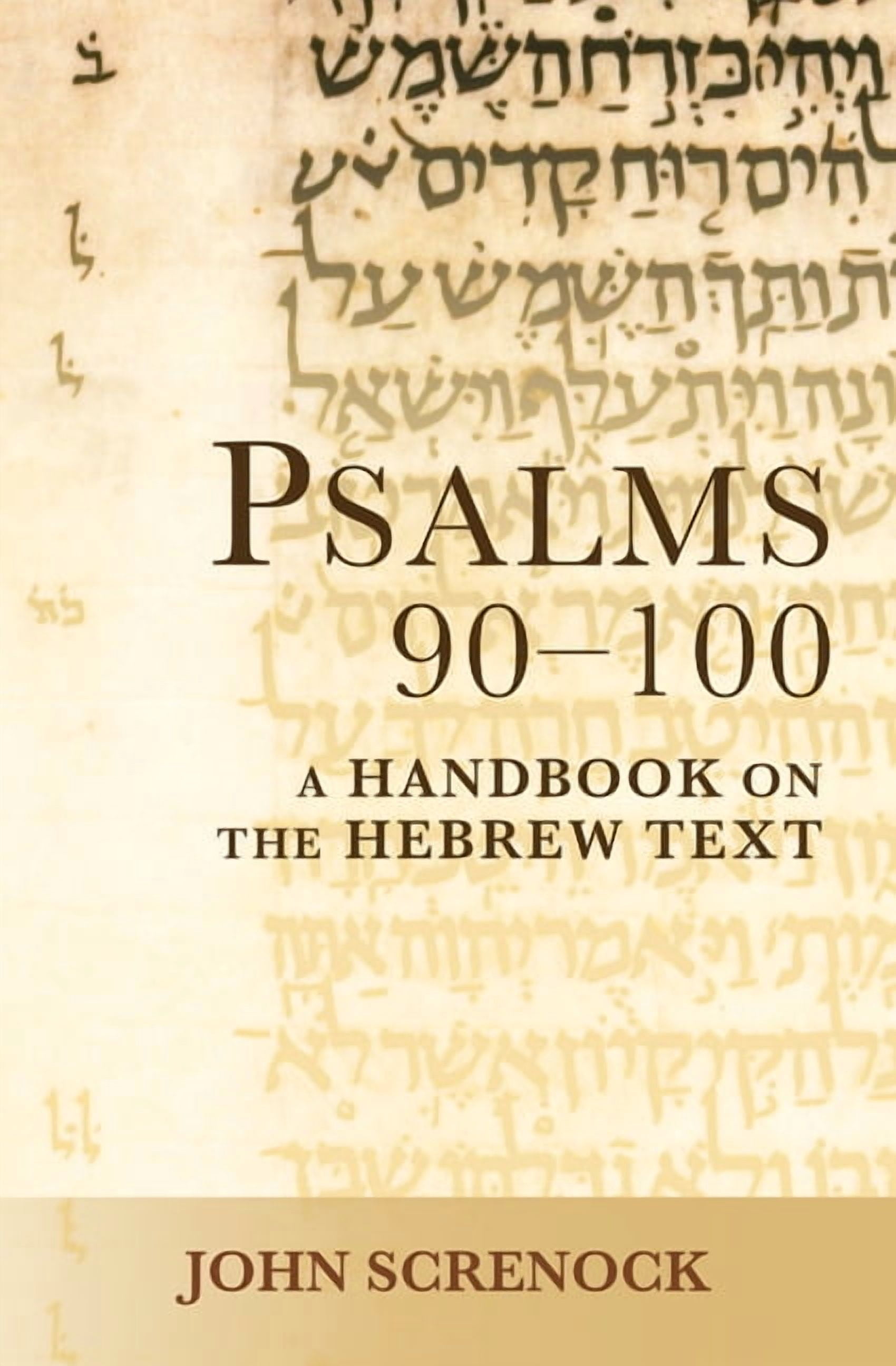
Image Gallery
Select an image to open it in a new tab.


Mateo Castillo
Decentralized Finance and E-Payments Strategist
