The Bible describes the end of the world not as a singular, instantaneous destruction, but as a multi-stage transition involving divine judgment, the resurrection of the dead, and the establishment of a renewed creation. Rather than suggesting a planet-obliterating explosion, the biblical narrative emphasizes the culmination of human history under the sovereign authority of God, resulting in the elimination of evil and the reconciliation of humanity with the Creator.
Understanding Biblical Eschatology
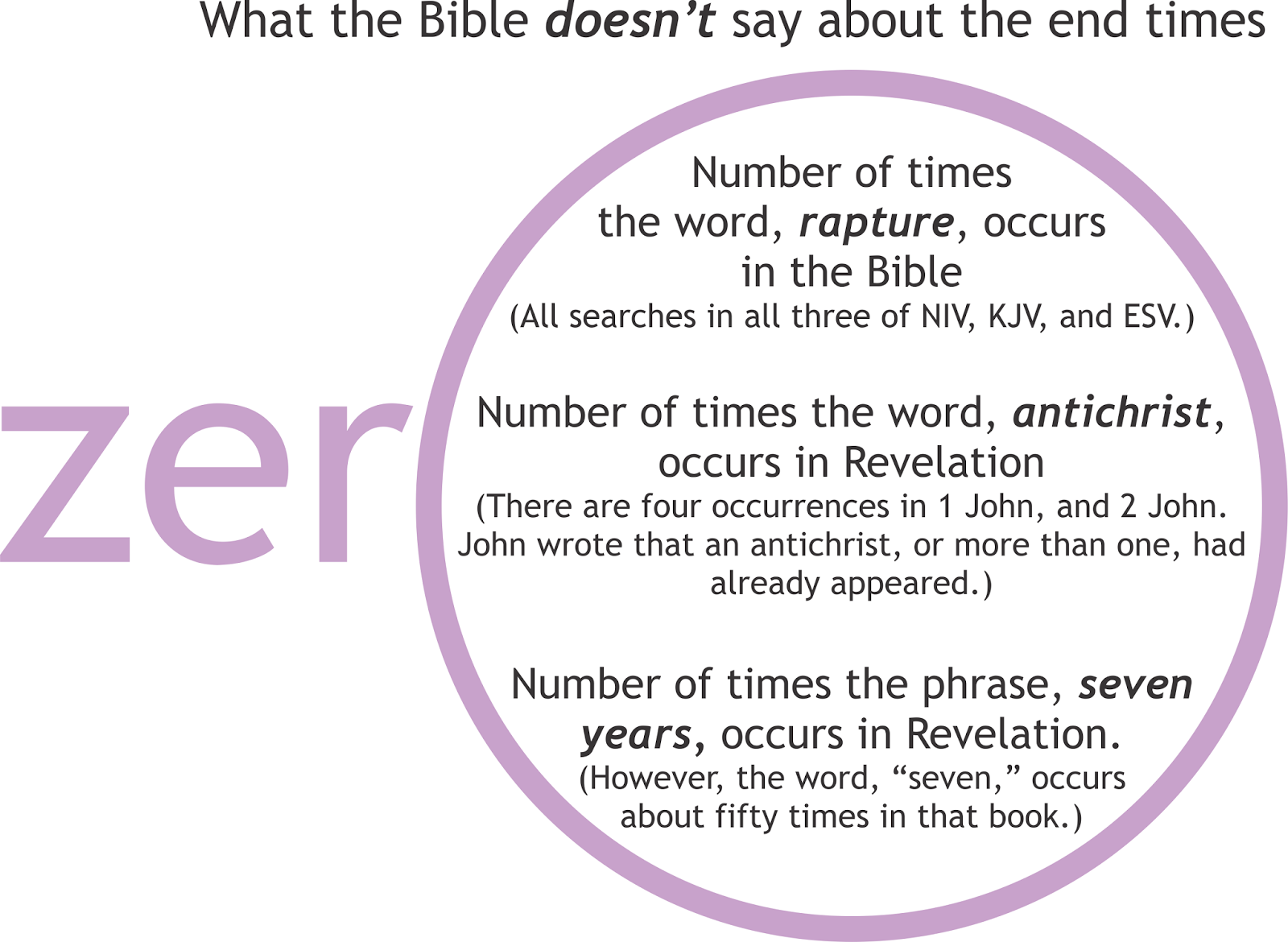
The study of the "end times" is formally known as eschatology, derived from the Greek word eschatos, meaning "last." To understand what the Bible says about this subject, one must differentiate between various prophetic perspectives. Biblical writers utilized diverse literary genres, including apocalyptic literature, which relies heavily on symbolism, imagery, and cosmic metaphors to convey spiritual truths.
For many readers, confusion arises from interpreting these symbols—such as the "beast" in Revelation or the "signs in the heavens" in the Gospels—as literal descriptions of physical phenomena. Scholarly consensus suggests that these symbols often refer to historical transitions, the fall of empires, or moral corruption, rather than literal biological or astronomical catastrophes. A literalistic reading often overlooks the cultural and historical context in which these books were written, leading to modern misinterpretations of the biblical "end."
The Concept of the "Aion" (The Age)
A critical distinction in biblical translation is the difference between "world" and "age." In many original Greek manuscripts, the phrase translated as "the end of the world" (such as in Matthew 28:20) is synteleia tou aionos, which literally means "the completion of the age."
The Bible speaks of two primary ages: the present age, characterized by suffering, sin, and death, and the age to come, characterized by the fullness of God’s kingdom. The "end" discussed in scripture is the closing of the current, fallen epoch and the inauguration of a new, eternal reality. This transition is framed as a restoration rather than an annihilation. The focus is on the transformation of human existence and the cosmos, not the physical extinction of the Earth.
Key Events Described in Biblical Prophecy
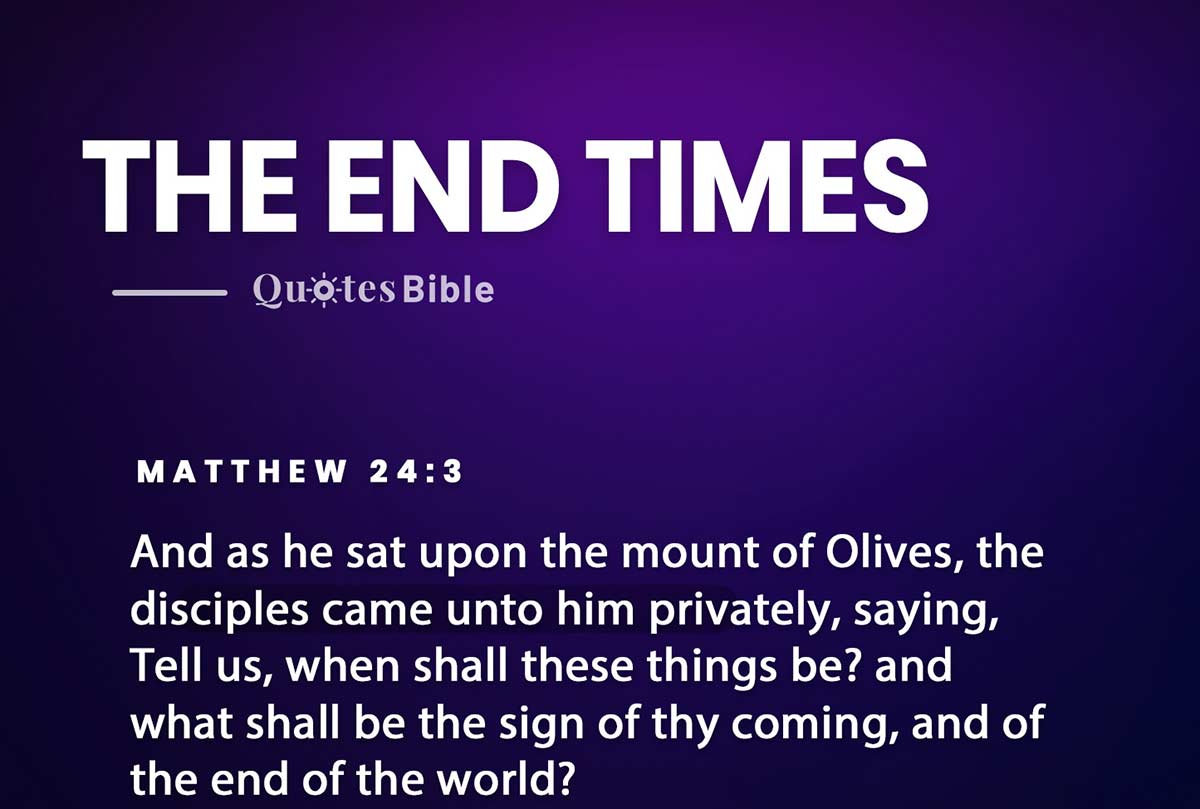
While interpretations vary among theologians, most orthodox Christian perspectives identify several core events associated with the end of the age. These are primarily found in the New Testament books of Matthew 24, 1 Thessalonians, and the Book of Revelation.
The Second Coming
The centerpiece of biblical end-time teaching is the Parousia, or the Second Coming of Jesus Christ. Unlike the first coming, which was marked by humility and service, the return is described as a public, universal event. It signifies the end of human autonomy and the beginning of direct divine governance over the earth.
The Resurrection and Judgment
Central to the biblical timeline is the bodily resurrection of both the righteous and the unrighteous. The Bible teaches that death is not the final state of humanity. Judgment is presented as the moment where truth is fully revealed and justice is executed. In the Christian view, this judgment is not merely punitive but restorative, separating those who have aligned themselves with God from those who have rejected Him.
The Renewal of Creation
Contrary to popular beliefs about the world disappearing, several passages, such as Romans 8:19-22 and Revelation 21, describe a "new heaven and a new earth." The Greek term for "new" here (kainos) suggests a renewal or a qualitative change, not a replacement. This implies that the current material world will be cleansed of the consequences of sin—suffering, decay, and death—resulting in a restored paradise where the physical and spiritual realms are perfectly integrated.
Summary of Common Interpretations
| Perspective | Core Focus | View of "The End" |
|---|---|---|
| Preterism | Historical context of the 1st Century | Most events were fulfilled by 70 AD. |
| Historicism | Chronological development of church history | Prophecies describe events throughout history. |
| Futurism | Literal future events | Most prophecies await a literal, final fulfillment. |
| Idealism | Symbolic struggle between good and evil | Timeless truths about spiritual conflict. |
Prerequisites and Conditions Before the End
The Bible provides specific "signs" intended to alert believers to the proximity of the end of the age. However, these are frequently misunderstood as absolute predictors.
- Global Proclamation: Jesus stated in Matthew 24:14 that the "gospel of the kingdom" must be preached in all nations as a testimony before the end comes. This is viewed by many as a global mission prerequisite.
- Moral Decay and Deception: The Bible warns of a rise in "false prophets," increasing lawlessness, and a lack of love, suggesting that the end will be preceded by a period of extreme social and spiritual alienation.
- The Great Tribulation: This is described as a period of unprecedented distress. Historically and theologically, this has been interpreted as both a specific future timeframe and a recurring pattern of suffering that the faithful endure throughout history.
Common Misconceptions
One of the most frequent errors in interpreting the end of the world is the attempt to calculate a specific date. The Bible explicitly warns against this in Mark 13:32: "But about that day or hour no one knows, not even the angels in heaven, nor the Son, but only the Father." Any interpretation that relies on current political events or economic markers to set a deadline for the end of the world contradicts the biblical emphasis on watchfulness and constant readiness rather than chronological calculation.
Another misconception is that the "end" is a vindictive act of God against humanity. On the contrary, the biblical narrative depicts the end as a rescue mission. The goal is to liberate the creation from the "bondage of decay" and to end the cycle of violence and injustice that has plagued human civilization since its inception.
Practical Implications for Believers
Rather than inducing fear or encouraging a retreat from society, the biblical teaching on the end is intended to provide ethical urgency. If the ultimate reality is the Kingdom of God, then current actions—acts of charity, justice, and truth—have eternal significance.
The Bible encourages a mindset of "active waiting." This involves:
- Stewardship: Caring for the present creation because it is destined for renewal, not destruction.
- Integrity: Living according to the values of the coming age in the present.
- Resilience: Maintaining faith despite global upheaval, trusting in the promise of ultimate restoration.
Frequently Asked Questions
Does the Bible predict the literal destruction of the Earth? The Bible refers to the "passing away" of the present heavens and earth, but in the context of renewal. Biblical scholars often point to the Greek word kainos (new/renewed) to argue that the earth is not destroyed, but purified of the effects of sin to function as intended.
What is the Book of Revelation? Revelation is a piece of apocalyptic literature written by the Apostle John. It uses dense symbolic language—dragons, numbers, and visions—to offer hope to early Christians under Roman persecution, portraying the final victory of God over evil. It is widely considered the most complex book in the Bible to interpret.
Will there be a literal battle at the end? The battle of Armageddon is often interpreted as a literal war, but it is also viewed as the symbolic climax of the spiritual conflict between God’s kingdom and the forces of darkness. Given the apocalyptic genre, the imagery of war is typically understood as a metaphor for the final defeat of evil powers.
How should a person prepare for the end? According to the biblical narrative, preparation is not about stockpiling resources or interpreting news headlines; it is about personal reconciliation with God and living a life of love, justice, and humility. The focus is on character rather than chronological anticipation.
Are current global events signs of the end? The Bible characterizes "birth pains"—wars, famines, and earthquakes—as events that have occurred throughout history. While some interpret current instability as an intensification of these signs, the Bible emphasizes that these events are constant features of a fallen world, not necessarily proof that the final end is occurring in a specific year.
Moving Forward
The biblical narrative concerning the end of the world serves as a framework for understanding history’s trajectory. It shifts the focus from a cycle of meaningless suffering to a purposeful timeline moving toward reconciliation. For those studying these texts, the primary objective should be a deeper understanding of the biblical call to live with hope and responsibility, recognizing that the "end" is essentially the beginning of a redeemed and eternal order.

Image Gallery
Select an image to open it in a new tab.

Akira Tanaka
International Academic Trends Correspondent
