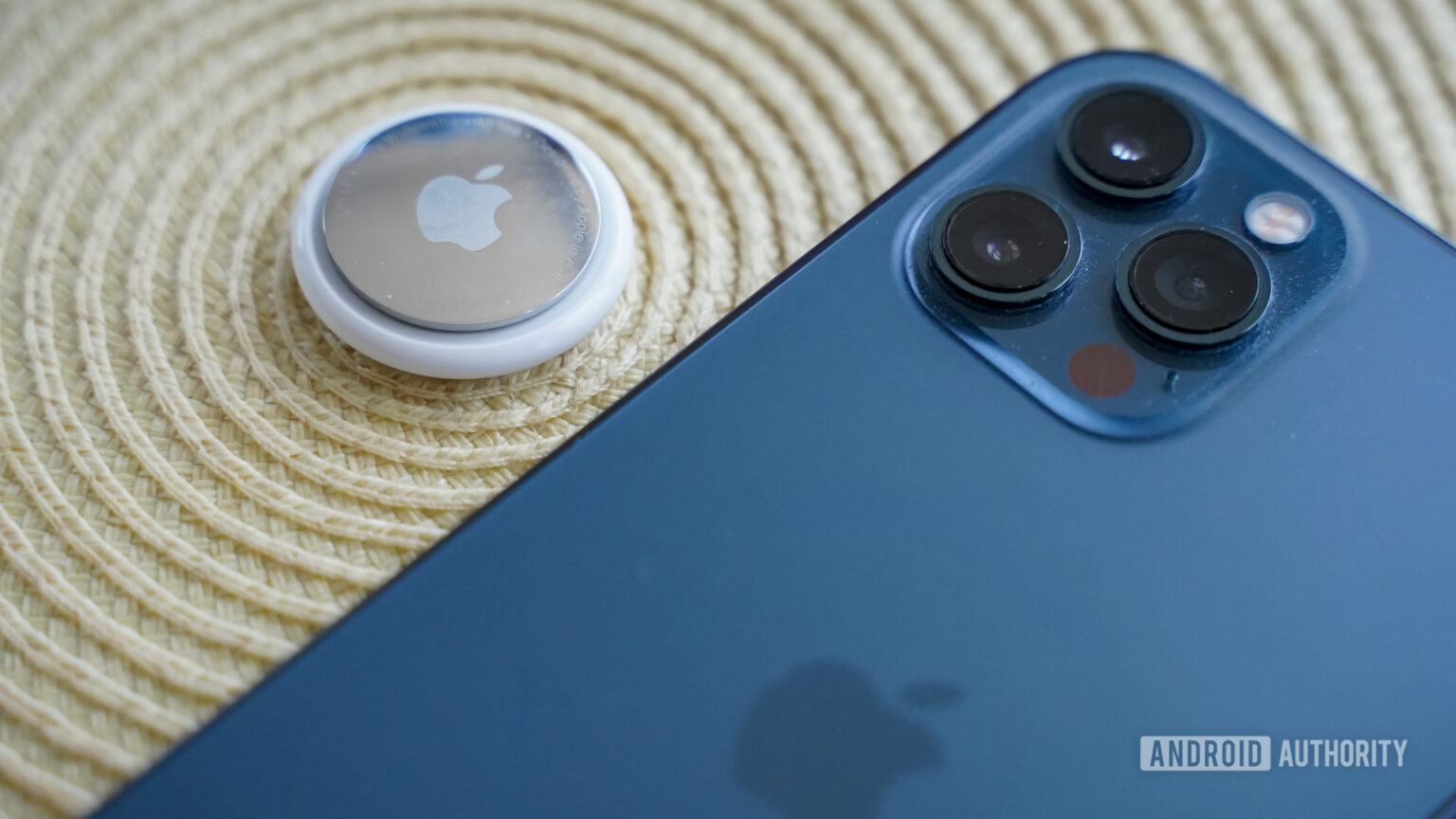
While Apple AirTags provide a sense of security for misplaced keys or luggage, relying on them as a robust tracking solution is often misguided. Their effectiveness is strictly limited by the proximity of other Apple devices, the lack of real-time GPS precision, and significant vulnerabilities to both physical tampering and digital privacy safeguards designed to prevent stalking.
The Illusion of Real-Time Tracking
The most common misconception regarding Apple AirTags is that they function like dedicated GPS trackers. In reality, an AirTag is a Bluetooth Low Energy (BLE) device that does not possess its own cellular connection or GPS hardware. To report its location, an AirTag must be within range of an Apple device that is part of the "Find My" network.
If you leave an AirTag in a remote area or a location with low foot traffic, the device remains "blind." The tracker relies entirely on an anonymous "handshake" with a passing iPhone, iPad, or Mac. In rural settings, wilderness areas, or even dense urban basements where there are no Apple users nearby, your AirTag will fail to update its location. This dependence on third-party crowd-sourced data makes it inherently unreliable for high-stakes tracking, such as stolen vehicles or valuable cargo.
Privacy Safeguards as Operational Limitations
Since their introduction, Apple has faced significant scrutiny regarding the potential for AirTags to be used for non-consensual tracking. In response, the company implemented robust privacy protocols. While these updates are essential for public safety, they severely undermine the efficacy of the device for personal tracking tasks.
If an AirTag is separated from its owner and detected moving with an unauthorized individual for an extended duration, the device will alert the person being tracked. Furthermore, if an AirTag is detected moving with someone who does not own it, it may emit a sound to draw attention to its presence. For legitimate users—such as those trying to track a luggage bag that has been stolen or moved by a third party—these safety features act as a "tattle-tale." A thief quickly learns they are being tracked and can easily identify, disable, or discard the tag, rendering the recovery effort useless.
Technical and Physical Vulnerabilities
Beyond the software limitations, the physical design of the AirTag presents challenges for anyone hoping for a long-term, secure tracking solution. The AirTag is a consumer-grade accessory, not a ruggedized piece of security equipment.
- Tamper Vulnerability: The device is small and easily separated from its housing. A thief who notices an AirTag on a backpack or bicycle can remove it in seconds.
- Environmental Factors: While AirTags are rated IP67 for water and dust resistance, this rating is for limited exposure. They are not designed for the harsh vibrations, extreme temperature shifts, or moisture levels found in the undercarriage of a vehicle or the exterior of shipping containers.
- Battery and Maintenance: The reliance on a user-replaceable CR2032 coin cell battery adds a maintenance cycle that is easy to forget. When the battery dies, the tracking capability ceases immediately without warning until you happen to notice the "Battery Low" notification in the Find My app.
Comparative Analysis: AirTag vs. Professional Tracking Solutions
To understand why AirTags often fall short, it is helpful to compare them against dedicated GPS hardware used for asset protection.
| Feature | Apple AirTag | Dedicated GPS Tracker |
|---|---|---|
| Connectivity | Depends on Apple's "Find My" network | Independent LTE/5G Cellular |
| Real-Time Data | Latent; updates vary by traffic | Instantaneous/Continuous |
| Alerting | Alerts the person being tracked | Silent operation (usually) |
| Monthly Cost | None (Initial hardware cost only) | Subscription-based service fees |
| Battery Life | 6–12 months (replaceable) | Varies (often requires charging/hardwiring) |
For low-value items like a house key or a gym bag, the AirTag is a functional tool. However, for items where recovery is critical, such as a vehicle, a laptop, or expensive equipment, the AirTag is insufficient. It lacks the persistent connectivity required for effective theft recovery.
The "Find My" Network Dependence
The "Find My" network is a marvel of consumer engineering, but it is not a surveillance grid. Its density is purely tied to the population density of iPhone users. As you move away from high-density metropolitan areas or areas with high smartphone penetration, the frequency of location updates for your AirTag drops precipitously.
In a scenario where you are tracking a lost item in a transit system or a large warehouse, you might find that the location data is cached from several hours prior. In the context of recovery, a location update from "two hours ago" is effectively useless. By the time you arrive at the coordinates, the item—and the person carrying it—will likely be long gone.
Common Misconceptions and Risks
Many users mistakenly assume that "tracking" an AirTag is equivalent to "seeing the item move." Because the AirTag only transmits a signal when triggered by a nearby Apple device, you will never see the device move smoothly across a map. Instead, you will see a series of static snapshots of where the device was last seen.
This intermittent data stream can lead to "chasing shadows." You might find yourself tracking a bag that is moving on a train or in a car, but because the location updates are sporadic, you have no way to predict the item's destination or trajectory. For those attempting to recover stolen property, this can lead to dangerous confrontations or wasted time navigating to dead-end locations.
Professional Guidance for Asset Recovery
If your goal is genuine security, you must shift your expectations. AirTags are excellent for "I forgot where I put my keys" scenarios. They are not, and were never designed to be, anti-theft devices.
If you have a high-value asset, consider the following alternatives:
- Hardwired GPS Trackers: These devices draw power directly from the vehicle battery, ensuring they stay active indefinitely without needing a battery change.
- Cellular Trackers with Alarm Features: These provide real-time updates and often include motion sensors that notify you the moment an asset is moved.
- Insurance Policies: Often, the most pragmatic solution for expensive equipment is comprehensive insurance rather than a tracker. A tracking device may help you locate a stolen item, but it will rarely assist you in safely retrieving it from a hostile party.
Frequently Asked Questions
Are AirTags effective for finding stolen items? No. Because of the built-in anti-stalking features, the thief will be notified of the AirTag's presence, allowing them to locate and destroy it. Furthermore, the lack of real-time GPS makes it a poor tool for active recovery.
Why does my AirTag stop updating its location? The AirTag requires an iPhone or iPad to pass by it to report its location. If the item is in a place where no one has an Apple device, or if the item is moving too fast for the Bluetooth connection to establish a handshake, the location will not update.
Can I hide an AirTag in my car for anti-theft? While you can physically hide it, it is ineffective. Modern smartphones will alert the driver that an "AirTag is moving with you," allowing them to find the device and remove it. It provides a false sense of security that does not deter theft.
What is the battery life of an Apple AirTag? Under normal usage, an Apple AirTag's CR2032 battery typically lasts about one year. However, if the device is constantly searching for a connection or if you are checking its location frequently, that lifespan may decrease.
Do AirTags work without an iPhone? You need an iPhone or iPad to set up the AirTag, and you need the Find My network (which consists of other people's iPhones) to track it. You cannot track an AirTag using an Android device or through a web interface that bypasses the Apple ecosystem.
Conclusion: Aligning Expectations
The utility of the Apple AirTag is strictly defined by its role as a convenience tool. It is designed to bridge the gap between human forgetfulness and the location of personal effects in a friendly environment. When viewed through the lens of asset protection or theft recovery, the device fails to meet the necessary technical requirements for reliability.
Before investing in AirTags for security purposes, acknowledge that the "Find My" network is a crowd-sourced convenience, not a professional recovery service. For items where the loss would be significant, rely on professional-grade hardware, dedicated security services, or insurance coverage. Use your AirTags to keep track of the things you misplace, and rely on more robust systems for the things you need to protect.

Image Gallery
Select an image to open it in a new tab.
Akira Tanaka
International Academic Trends Correspondent
