How to Turn Roofing Job Leads into Revenue: A Complete Contractor’s Conversion Strategy
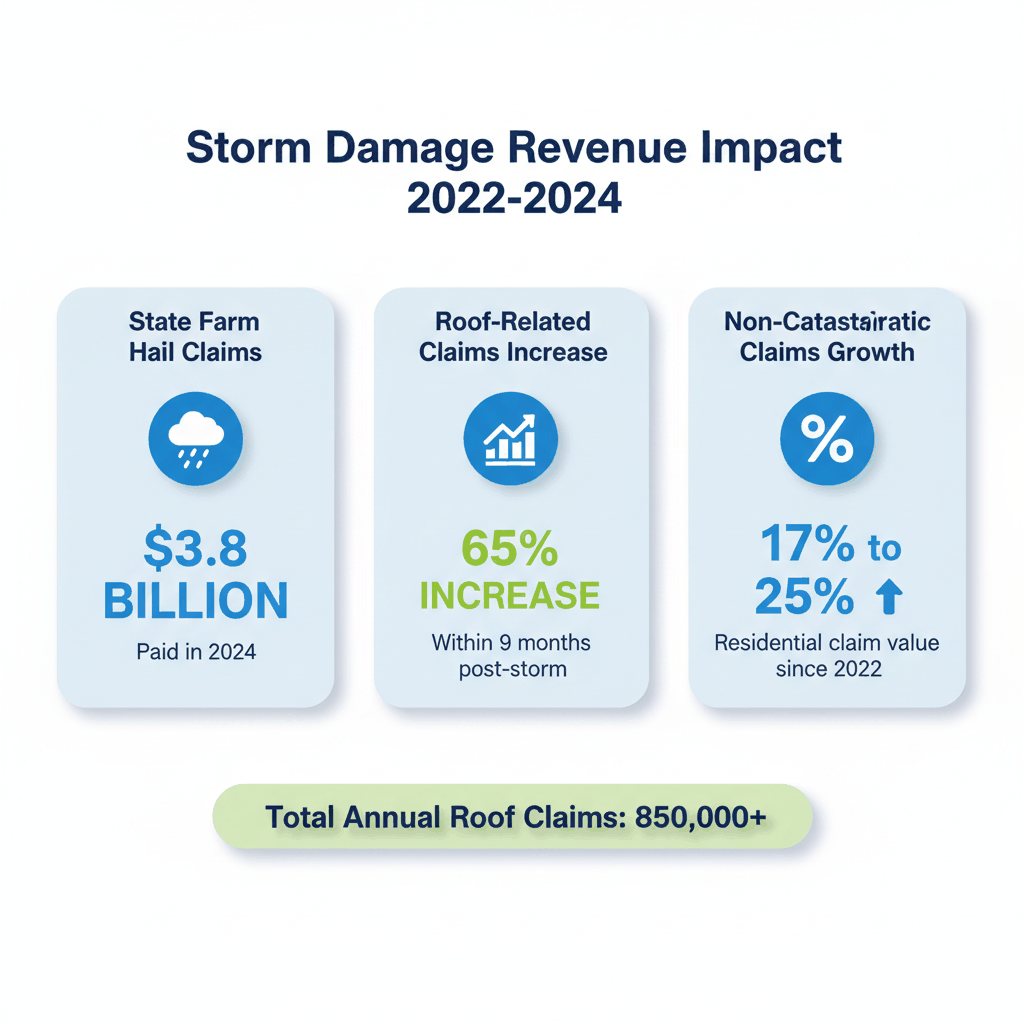
Turning roofing job leads into revenue requires rapid response times under five minutes, standardized digital inspections, professional multi-tier project proposals, flexible customer financing options, and systematic CRM follow-up. By modernizing lead intake, training sales representatives on value presentation, and eliminating bottlenecks between lead acquisition and signed contracts, roofing contractors can maximize revenue per lead.
Understanding the Roofing Lead-to-Revenue Lifecycle
Generating a steady stream of roofing leads—whether through pay-per-click (PPC) advertising, search engine optimization (SEO), door-to-door canvasers, or referral networks—is only the first financial investment in a roofing business. Converting those inquiries into cleared bank deposits requires a repeatable, structured sales pipeline.
Many roofing contractors struggle not from a lack of interest, but from systemic breakdown in their conversion pipeline. A lead represents potential interest; revenue represents executed contracts, completed installations, and collected payments. The conversion lifecycle spans five distinct phases:
- Lead Qualification: Filtering inquiries to verify property ownership, geographic service alignment, roof age, and financial feasibility.
- Inspection & Assessment: Evaluating structural integrity, shingle degradation, ventilation, and flashing conditions.
- Proposal Presentation: Delivering comprehensive estimates that outline material tiers, warranties, line-item scopes, and payment terms.
- Contract Execution & Financing: Securing signed agreements and funding commitments.
- Fulfillment & Collection: Executing the build cleanly and collecting final payments, insurance payouts, or depreciation disbursements.
Tracking how prospects move through each stage allows roofing business owners to identify operational leaks and optimize revenue per lead rather than simply buying more leads.
Speed to Lead: Capitalizing on the Critical First Five Minutes
The single biggest determining factor in lead conversion is response speed. Research published in the Harvard Business Review demonstrates that companies attempting to contact potential customers within five minutes of an inquiry are dramatically more likely to connect and qualify the lead compared to those waiting even thirty minutes.
- Lead Inbound
- Instant CRM Alert
- Automated SMS/Call (< 5 mins)
- Inspection Scheduled
In the roofing industry, property owners contacting a contractor often reach out to two or three competitors simultaneously. The first qualified contractor to establish voice or text contact usually sets the benchmark for the project and secures the initial inspection appointment.
Implementing Instant Lead Intake Protocols
To achieve sub-five-minute response times, successful contractors combine software automation with dedicated administrative workflows:
- Customer Relationship Management (CRM) Integration: Direct all digital lead sources—website forms, Google Local Services Ads, Facebook lead forms, and third-party aggregators—into a single CRM platform (such as JobNimbus, AccuLynx, or Rooflink).
- Automated Instant SMS & Email Dispatch: Set up immediate auto-responders confirming receipt of the request. The message should state the owner’s name, establish immediate credibility, and offer an instant online calendar booking link.
- Dedicated Inbound Dispatching: Assign a designated customer service representative (CSR) or call center to answer calls on the first ring during business hours, with automated phone trees routing after-hours emergency calls directly to on-call managers.
When qualifying leads during the initial contact, office staff must capture basic property details, confirm the homeowner will be present during the inspection, and set clear expectations regarding the duration and format of the consultation.
Transforming Inspection into a Value-Driven Consultation
The traditional roofing estimate involved a salesperson climbing a ladder, taking a few tape measurements, writing a total price on a business card, and leaving. In a modern roofing market, this approach results in lost deals and low profit margins.
High-converting roofing companies treat the roof inspection as a professional diagnostic consultation. The objective is to educate the property owner on existing damage, structural risks, and long-term protection options using objective visual evidence.
Leveraging Inspection Technology
Modern inspections rely on advanced diagnostic tools to provide immediate clarity:
- Drone Photogrammetry & Satellite Reports: Utilize automated measurement software (such as EagleView or Roofr) to generate accurate surface square footage, pitch calculations, and ridge lengths prior to stepping on the roof. Drones allow quick aerial captures of hazardous or steep pitches while recording high-resolution images of micro-cracking, granule loss, and compromised valley flashing.
- Digital Photo Reports: Sales representatives should capture close-up pictures of failure points, including rusted pipe boots, lifted shingles, soft decking, insufficient intake/exhaust ventilation, and deteriorated wall flashings.
- Attic & Ventilation Inspections: A thorough evaluation requires inspecting the underside of the roof deck from inside the attic. Identifying mold, water staining, rusted nails, or insufficient insulation proves to the homeowner that structural integrity—not just surface appearance—is being evaluated.
Presenting Findings to the Homeowner
Immediately following the physical inspection, the consultant should sit down with the homeowner—preferably at a dining table or via a tablet screen—to walk through the diagnostic photo report.
Rather than telling the owner they need a new roof, the consultant shows visual evidence of the problems and explains the consequences of inaction, such as interior water damage, decking rot, or elevated heating and cooling bills due to poor ventilation.
Designing Multi-Option Proposals That Boost Contract Values
When homeowners receive a single price quote, their immediate impulse is to shop around to determine if that price is fair. When presented with three clear choices, their focus shifts from comparing your quote against a competitor's to choosing which of your service tiers best fits their needs and budget.
Multi-tier proposals (commonly structured as Good, Better, Best) increase average job values and close rates simultaneously.
| Proposal Structure |
|---|
| Tier 1: Essential Repair / Standard Architectural Shingle |
| Tier 2: Premium System (Upgraded Underlayment & Ridge Vents) |
| Tier 3: Elite Protection (Impact-Resistant, Extended Warranty) |
Components of a High-Converting Proposal
Every proposal must present transparent scope details while framing the overall value of the installation system:
- System Specifications: Clear breakdowns of component layers, including leak barriers (ice and water shield), synthetic underlayment, drip edge, starter strip shingles, architectural shingles, hip and ridge caps, and balanced ventilation components (soffit intake and ridge exhaust).
- Warranty Terms: Explicit differentiation between manufacturer material warranties (e.g., 30-year vs. lifetime limited warranties) and contractor workmanship guarantees (e.g., 5-year, 10-year, or 25-year structural leak coverage). Extended manufacturer non-prorated system warranties (such as GAF System Plus/Golden Pledge or Owens Corning Preferred/Platinum protection) provide powerful points of differentiation.
- Itemized Scope & Add-Ons: Clear line items for decking replacement allowances (e.g., replacement cost per sheet of plywood), gutter replacement, skylight flashing kits, and site protection measures (plywood shielding for landscaping and magnetic nail sweeping).
Integrating Point-of-Sale Customer Financing
Roofing replacements represent major, unbudgeted capital expenditures for most residential property owners. Requiring full cash payment or lump-sum check deposits forces prospects to delay decisions, seek low-bid contractors, or attempt piecemeal patch repairs.
Integrating point-of-sale (POS) financing options directly into the sales proposal transforms a multi-thousand-dollar total cost into a manageable monthly payment, dramatically lowering friction to close.
Key Benefits of Offering Contractor Financing
- Increased Conversion Rates: Presenting options like "$185/month" alongside a "$15,000 total price" keeps prospects focused on monthly affordability rather than sticker shock.
- Higher Average Order Value: Homeowners are significantly more likely to upgrade to premium impact-resistant shingles or comprehensive ventilation systems when the cost difference is only $15 to $30 more per month.
- Faster Cash Flow: Reputable third-party lender platforms (such as Service Finance, GreenSky, or Mosaic) fund the contractor quickly upon project sign-off, eliminating debt collection headaches and delayed customer payments.
Sales representatives should introduce financing early in the consultation process—not as a last-resort discount, but as a standard payment option available to every qualified applicant.
Navigating Retail vs. Insurance Claim Workflows
Roofing leads generally fall into two operational categories: retail out-of-pocket replacements and storm restoration/insurance claim jobs. Converting leads successfully requires adjusting the sales strategy to match the buyer's operational pathway.
- Inbound Lead
- Retail Lead
- Multi-Tier Proposal
- Financing/Cash Close
- Insurance Lead
- Contingency Agreement
- Adjuster Scope & Supplements
- Retail Lead
Handling Retail Roof Replacement Leads
In retail sales, the homeowner pays directly. Key decision triggers include material quality, price transparently matched to budget, design choices, contractor reputation, and long-term warranty security. The focus must remain on providing superior installation value, financing flexibility, and clear scheduling timelines.
Handling Storm Damage and Insurance Claim Leads
In storm restoration scenarios (e.g., hail or wind damage events), the homeowner’s out-of-pocket obligation is typically limited to their insurance policy deductible. The selling dynamic shifts from price competition to scope expertise and insurance navigation:
- Contingency Agreements: Secure a signed contingency agreement during the initial inspection. This agreement states that if the insurance carrier approves a full roof replacement, the homeowner agrees to hire your company to perform the work for the insurance-approved payout plus the policy deductible.
- Adjuster Meeting Representation: Offer to meet the insurance adjuster on-site during their inspection to ensure all damage—including soft metals, gutters, window screens, and ridge caps—is properly documented.
- Supplementing Scope Items: Compare the adjuster's Xactimate estimate line-by-line against actual field requirements. Submit detailed digital photo documentation and local code requirement references to supplement for missing items, such as code-mandated drip edge, ice barrier, or proper disposal fees.
Ensuring ethical compliance with state insurance laws is mandatory. Contractors must never offer to absorb, rebate, or waive homeowner deductibles, as doing so constitutes insurance fraud in most jurisdictions.
Building an Automated Multi-Touch Follow-Up System
The majority of roofing contracts are not signed on the first visit. Homeowners frequently require time to review financing, consult family members, or evaluate competing proposals. Without a structured follow-up protocol, leads quickly go cold, wasting precious acquisition spend.
A robust follow-up campaign utilizes multiple communication channels over a structured 30-day window:
- Day 1: Proposal Presentation & Instant Digital Copy via Email/SMS
- Day 2: Thank You Call & Financing Quick-Link
- Day 4: Email Case Study / Video Walkthrough of Recent Nearby Project
- Day 7: Check-in Phone Call to Answer Scope Questions
- Day 12: Automated SMS Touchpoint Regarding Schedule Availability
- Day 20: Educational Email on Roof Warranties & Material Durability
- Day 30: Final "Closing the File" SMS & Email Re-engagement
Overcoming Common Homeowner Objections
During follow-up touchpoints, sales representatives must be equipped to handle standard objections with structured, value-driven responses:
- "Your price is higher than other quotes."
- Response Focus: Compare line-item scopes directly. Highlight differences in underlayment quality, synthetic versus felt paper, certified installer status, labor warranties, and dedicated project management. Remind the owner that a cheap roof often costs double due to premature failure and leak damage.
- "We need to think about it."
- Response Focus: Isolate the specific concern. Ask directly whether the uncertainty lies in the price, material selection, installation timeline, or financing options, and address that specific item.
- "We want to wait until next season."
- Response Focus: Explain the risks of active degradation, potential interior damage during seasonal rains/snow, rising manufacturer material costs, and schedule availability.
Roofing Lead Conversion Pipeline Benchmarks
To systematically increase revenue, roofing business managers must track performance metrics at each stage of the funnel. The following table provides key performance indicators (KPIs), target industry benchmarks, and specific operational actions to resolve bottlenecks.
| Pipeline Stage | Target KPI Benchmark | Key Metrics to Track | Strategic Actions for Improvement |
|---|---|---|---|
| Initial Contact & Intake | > 80% Contact Rate | Response time (< 5 min), phone answered live rate | Deploy automated CRM phone/SMS notifications; utilize after-hours answering service. |
| Inspection Scheduled | 70% – 85% of Qualified Leads | Lead-to-appointment conversion rate | Train office CSRs on objection handling; set inspections within 24–48 hours of contact. |
| Proposal Presentation | > 90% of Completed Inspections | Inspection-to-proposal completion rate | Deliver proposals on-site immediately after inspection via tablet or software. |
| Close Rate (Retail) | 35% – 50% | Signed contracts / Proposals presented | Offer 3-tier proposals; integrate POS financing options; enforce multi-touch follow-ups. |
| Close Rate (Insurance) | 60% – 75% (with Contingency) | Signed contingencies / Approved claims | Attend adjuster inspections on-site; provide thorough photo documentation reports. |
| Final Collection | 100% of Contract Value | Average days to collect, outstanding receivables | Establish clear payment schedules (deposit, delivery, final walk-through sign-off). |
Common Mistakes That Drain Roofing Revenue
Even contractors with strong inbound lead generation can experience poor profitability if operational mistakes disrupt the conversion process.
1. Failing to Qualify Prospects Upfront
Sending sales representatives to inspect roofs on properties that are rented, owned by third parties who cannot sign contracts, or located outside the service area wastes valuable field time. Office staff must verify property ownership and homeowner presence prior to dispatching inspectors.
2. Dropping Estimates Off via Email Without a Review Consultation
Emailing a static PDF quote without walking the customer through the findings dramatically reduces close rates. Always schedule a formal proposal review—either in person or via video call—to explain the diagnostic photos, material selections, and financing packages.
3. Relying Solely on Verbal Agreements
Unwritten promises or vague scope descriptions lead to disputes during installation and payment collection. Ensure every job detail, material brand, color choice, cleanup expectation, and payment schedule is specified in a written contract signed by both parties.
4. Neglecting Cold Leads and Past Customers
Inbound leads that did not close immediately are often forgotten. Implementing quarterly re-engagement campaigns via broadcast SMS or email newsletters can reactivate cold quotes during slow seasons. Furthermore, existing customers represent continuous revenue through annual maintenance inspections, gutter installations, and local neighbor referrals.
Frequently Asked Questions
What is a good lead conversion rate for a roofing company?
A healthy retail roofing conversion rate ranges between 35% and 50% of presented proposals, while storm restoration companies utilizing contingency agreements often achieve close rates of 60% to 75% on insurance-approved claims. Overall lead-to-close rates (from raw phone/web inquiry to signed job) typically sit between 20% and 35%, depending on lead source quality and response speed.
How does offering customer financing increase roofing revenue?
Customer financing increases overall revenue by raising both average contract value and total close rates. By breaking a $12,000–$20,000 job down into predictable monthly payments (e.g., $150–$250/month), homeowners can afford full roof replacements rather than temporary repairs, and are more likely to upgrade to premium architectural shingles, ice/water shields, and replacement gutters.
Should roofing contractors charge for residential replacement estimates?
Most successful residential roofing contractors offer free initial inspections and replacement estimates, using them as primary sales acquisition tools. However, charging a fee for specialized technical diagnostics, moisture inspections, or formal real estate transaction reports is standard practice, provided the inspection fee can be applied toward the total contract price if the client moves forward with the build.
What is the best way to deal with homeowners getting multiple roofing quotes?
When facing competitors, avoid bad-mouth bidding or price-slashing contests. Instead, differentiate your business by walking the customer line-by-line through a transparent, high-detail diagnostic photo report, demonstrating certified installer status with major manufacturers, offering robust long-term workmanship guarantees, and framing the decision around long-term structural protection and payment financing flexibility.
How can roofing contractors convert cold leads during the off-season?
Reactivating cold leads requires structured outreach campaigns offering seasonal incentives, such as discounted minor repair checks, free pre-storm maintenance tune-ups, or limited-time promotional financing rates (e.g., zero interest or deferred payments for 12 months). Re-engaging non-closed quotes from the previous 6 to 12 months with updated material options often generates immediate off-season revenue without extra lead-generation ad spend.
Actionable Next Steps to Maximize Lead Conversion
To turn existing roofing leads into consistent, high-margin revenue, take immediate action on these operational priorities:
- Audit Current Response Times: Test your company’s lead intake by submitting a test web form or call after hours. Measure how many minutes elapse before a live representative or automated system responds.
- Standardize the Inspection Report: Adopt digital photo-reporting and drone measurement software so every inspector presents a uniform, highly visual diagnostic report to property owners.
- Partner with a POS Financing Provider: Integrate monthly payment options into all sales templates, training account managers to present financing on every consultation.
- Automate the Follow-Up Sequence: Configure your CRM software to execute an automated 30-day sequence combining text, phone, and email touchpoints for every un-signed proposal.
- Track Stage-by-Stage KPIs: Monitor weekly lead-to-appointment, appointment-to-proposal, and proposal-to-close metrics to rapidly identify sales performance bottlenecks across your team.
Image Gallery
Select an image to open it in a new tab.
Simon Caldwell
Enterprise Technology and Systems Editor
