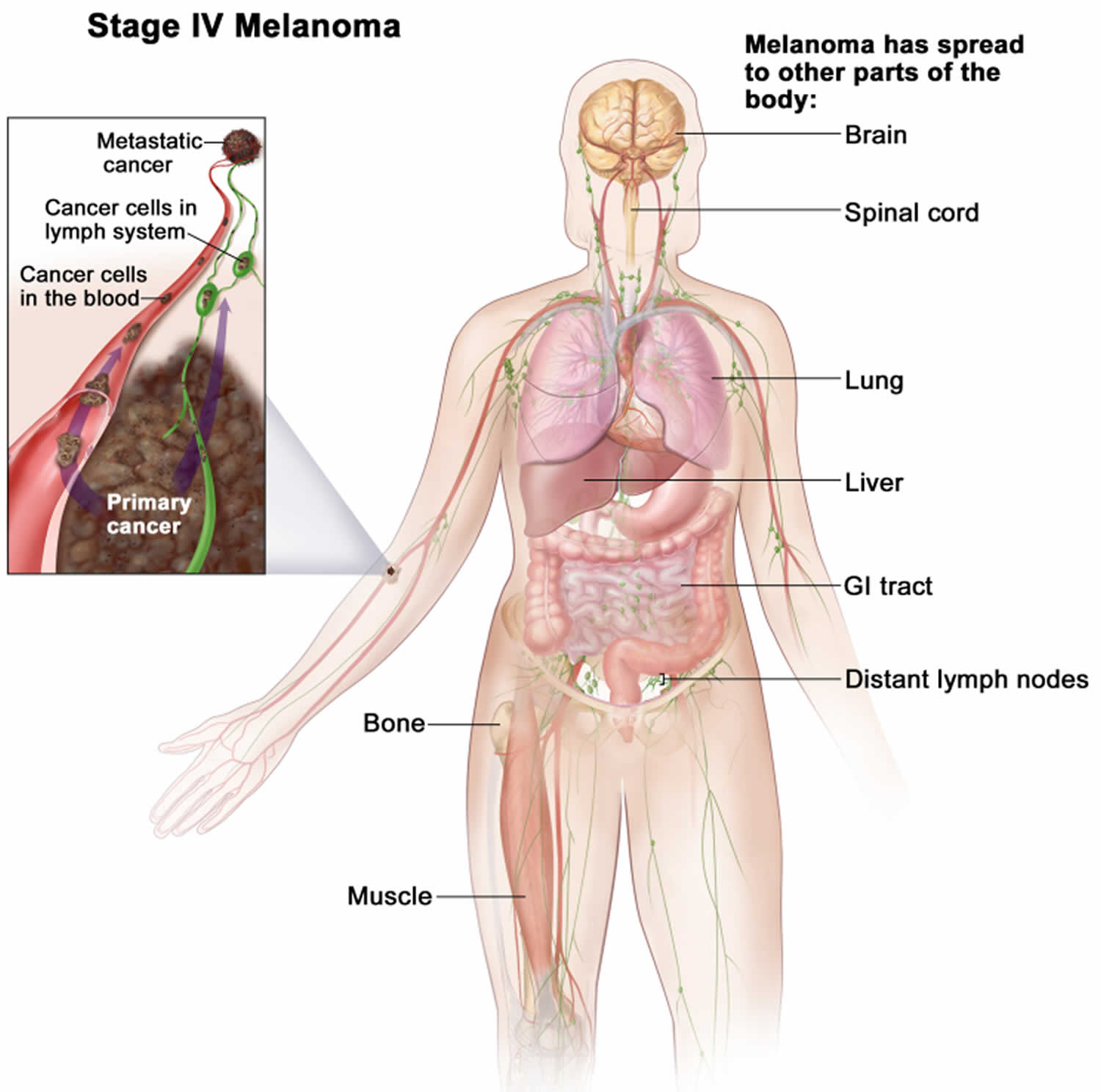
Advanced melanoma, clinically referred to as Stage III or Stage IV melanoma, occurs when cancer cells have spread from the original site of the tumor to regional lymph nodes, nearby tissues, or distant organs such as the lungs, liver, brain, or bone. Recognizing the signs of progression is vital for timely medical intervention, as treatment modalities—including immunotherapy and targeted therapies—have significantly improved patient outcomes in recent years. Understanding these signs involves monitoring both the primary site and systemic changes in the body.
The Biological Context of Advanced Melanoma
Melanoma originates in the melanocytes, the cells responsible for producing melanin. While early-stage melanoma is often localized and highly curable via surgical excision, advanced melanoma represents a systemic shift. Stage III indicates that the cancer has reached the lymphatic system near the primary tumor or the skin between the tumor and the regional lymph nodes. Stage IV signifies distant metastasis, where cells have traveled through the bloodstream or lymphatic system to settle in non-adjacent organs.
Because melanoma is highly aggressive, the transition from local to advanced disease can occur rapidly. Patients with a history of melanoma are monitored closely; however, individuals without a diagnosis should also remain vigilant regarding new or changing skin lesions.
Primary Cutaneous and Regional Signs
The first indicators of advanced disease often appear on or near the skin where the initial melanoma was identified. These signs suggest that the cancer has begun to invade surrounding structures or regional lymphatic basins.
In-Transit and Satellite Metastases
"In-transit" metastasis occurs when cancer cells grow in the lymphatic channels between the primary tumor site and the nearest lymph nodes. These appear as small, firm nodules under the skin, often colored pink, red, or skin-toned. Satellite metastases are similar but occur within two centimeters of the primary tumor site. Unlike the original melanoma, these nodules may be firm to the touch and can sometimes ulcerate or bleed.
Regional Lymph Node Involvement
The lymphatic system serves as a primary highway for metastatic melanoma. Patients should be aware of persistent, painless swelling or "lumps" in areas such as the neck, axilla (armpits), or groin. While lymph node swelling is common due to minor infections, a hard, fixed, or enlarging node that does not resolve within two weeks requires professional imaging and biopsy.
Systemic Signs of Distant Metastasis
When melanoma reaches Stage IV, the symptoms become generalized and dependent on the organ systems involved. These systemic signs are often the result of the physical burden of tumors on vital organ function.
Pulmonary (Lung) Involvement
If melanoma spreads to the lungs, patients may experience symptoms that are easily mistaken for respiratory infections or allergies. Persistent dry cough, shortness of breath (dyspnea) that worsens with exertion, and chest pain are clinical warning signs. Hemoptysis—the coughing up of blood—is a rare but serious indicator that necessitates immediate diagnostic imaging.
Hepatic (Liver) Involvement
Liver metastasis can cause jaundice, a yellowing of the skin and the whites of the eyes. Patients may also report upper-right abdominal quadrant pain or a sense of "fullness" or bloating, even when appetite is reduced. Unexplained weight loss and persistent fatigue are also common as the liver’s metabolic functions are compromised.
Neurological (Brain) Involvement
Melanoma has a high affinity for the central nervous system. Brain metastases can manifest as new, persistent headaches, particularly those that are worse in the morning or accompanied by nausea. Other indicators include sudden onset of balance issues, difficulty speaking, changes in personality or cognitive function, and unexplained seizures.
Bone and Soft Tissue Involvement
Bone metastases often present as deep, aching bone pain that may worsen at night. If the metastasis weakens the bone structure, a patient may experience a pathologic fracture—a break occurring from minimal or no trauma.
Clinical Comparison of Metastatic Sites
The following table outlines common signs and indicators based on the anatomical site of spread:
| Site of Metastasis | Common Clinical Signs | Potential Diagnostic Tool |
|---|---|---|
| Lymph Nodes | Firm, palpable lumps; swelling | Ultrasound/Fine Needle Aspiration |
| Lungs | Persistent cough; shortness of breath | CT Scan / Chest X-ray |
| Liver | Jaundice; abdominal fullness; pain | MRI / CT Scan |
| Brain | Morning headaches; seizures; confusion | MRI (Brain with contrast) |
| Bone | Localized bone pain; fractures | Bone Scan / PET-CT |
The Diagnostic Process: Verification and Next Steps
If any of the aforementioned signs appear, the standard procedure in 2026 involves a multidisciplinary approach. A dermatologist or oncologist will conduct a physical examination, followed by high-resolution imaging—such as a PET-CT or MRI—to locate the extent of the disease.
Biopsy remains the gold standard for confirmation. In the case of suspected metastatic disease, a core needle biopsy or excisional biopsy of the suspicious node or site is performed to analyze the genetic profile of the cancer. Genetic testing for mutations, such as the BRAF V600 mutation, is critical in 2026, as it dictates the availability of specific targeted therapy drugs.
When to Seek Urgent Medical Attention
While many symptoms of advanced melanoma develop gradually, certain "red flag" events require immediate attention:
- Neurological changes: Sudden weakness, loss of vision, or seizure activity.
- Respiratory distress: Inability to catch one's breath or chest pain.
- Rapid node growth: A lymph node that doubles in size over a very short period.
- Uncontrolled bleeding: Any skin nodule that ulcerates and fails to stop bleeding.
Frequently Asked Questions
Can advanced melanoma be cured?
While Stage IV melanoma was historically considered incurable, the landscape of treatment has shifted significantly. With the advent of combination immunotherapies (like PD-1 and CTLA-4 inhibitors) and targeted BRAF/MEK inhibitors, many patients now achieve long-term survival and durable responses. "Cure" is a complex medical term, but long-term remission is an established clinical goal.
Are these symptoms unique to melanoma?
No. Many symptoms of advanced melanoma, such as fatigue, cough, or weight loss, are non-specific and common to many other health conditions. However, in the context of a previous melanoma diagnosis or a new, changing skin lesion, these symptoms should be treated with high clinical suspicion.
How quickly does melanoma progress?
Melanoma is known for its variable biological behavior. In some individuals, it can remain dormant for years; in others, it can progress within weeks or months. Because of this unpredictability, regular follow-up screenings for high-risk patients are the most effective strategy for early detection of recurrence.
Does localized skin itching indicate advanced melanoma?
Itching (pruritus) can sometimes be associated with a primary melanoma lesion, but it is not a classic sign of metastasis. It is, however, a symptom that should be addressed during a dermatological exam to rule out inflammatory skin conditions or reactive changes.
Moving Forward: The Importance of Professional Surveillance
The most effective way to manage the risk of advanced melanoma is through consistent, professional skin examinations. For individuals with a personal or family history of skin cancer, established protocols involve total-body skin exams performed by a board-certified dermatologist.
Do not attempt to self-diagnose based on systemic symptoms. If you notice any of the signs discussed—particularly the presence of firm subcutaneous nodules or unexplained organ-specific symptoms—schedule an appointment with your primary care physician or oncologist immediately. Modern diagnostics are highly efficient at distinguishing between benign causes and malignancy, providing the clarity needed to determine your next medical steps.
Image Gallery
Select an image to open it in a new tab.



Simon Caldwell
Enterprise Technology and Systems Editor
