
Addressing substance abuse in youth requires a proactive strategy focused on early screening, family-centered behavioral therapies, and the mitigation of environmental risk factors. By understanding the neurobiological vulnerabilities of the developing adolescent brain and utilizing evidence-based intervention models, caregivers and professionals can effectively disrupt the trajectory of addiction and foster long-term recovery.
The Landscape of Youth Substance Use in 2026
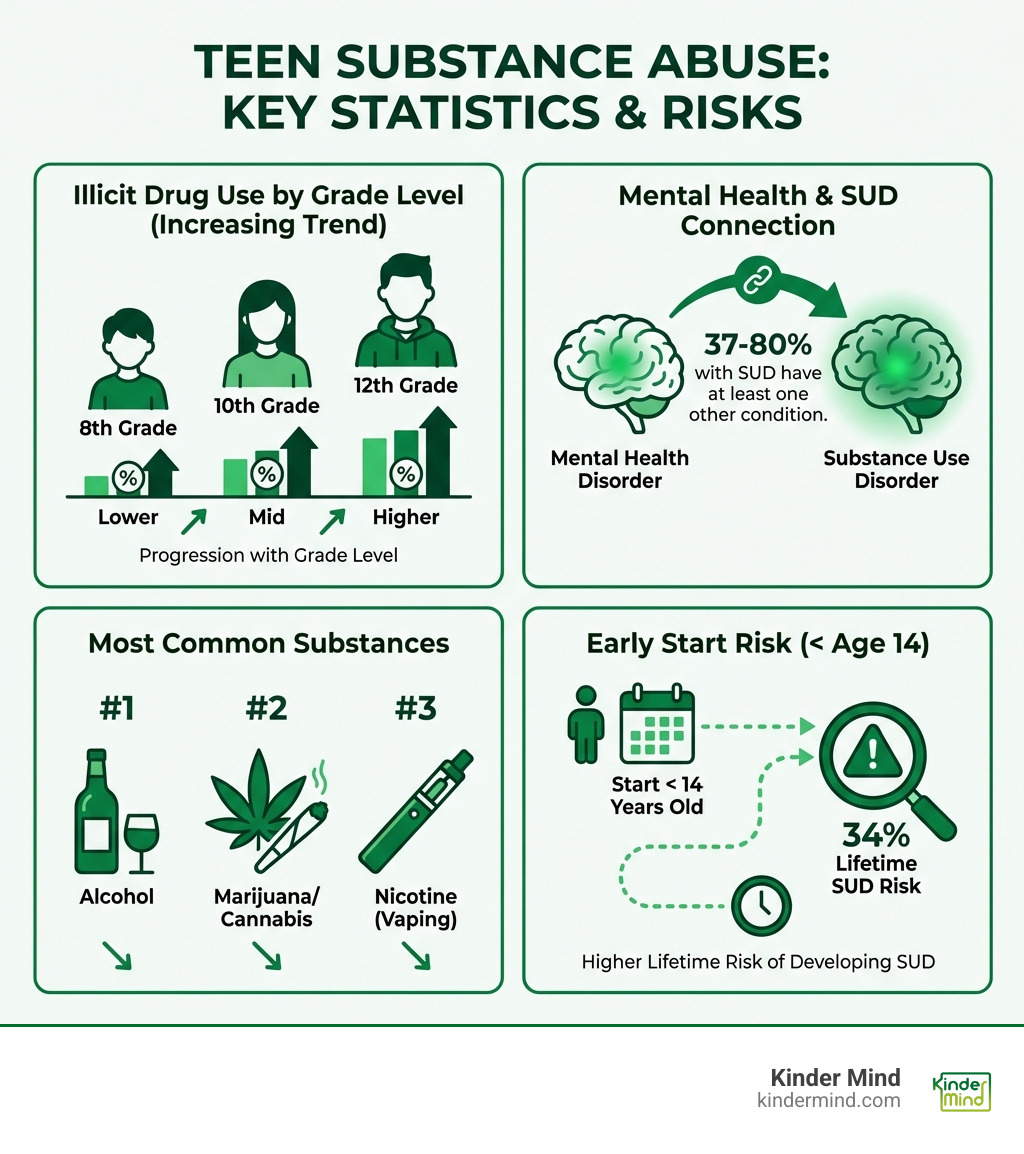
Substance abuse among adolescents and young adults remains a critical public health priority. As of 2026, the patterns of use have shifted significantly from traditional combustible products to more discreet, high-potency delivery systems. While alcohol remains the most commonly misused substance globally, the prevalence of synthetic opioids, high-concentration THC (tetrahydrocannabinol) extracts, and non-medical use of prescription stimulants has created a complex clinical environment.
The transition from "experimentation" to "disorder" often occurs more rapidly in younger populations than in adults. This is largely due to the neuroplasticity of the adolescent brain, which is still undergoing significant maturation in the prefrontal cortex—the area responsible for executive function, impulse control, and decision-making. When psychoactive substances are introduced during this developmental window, they can effectively "hijack" the brain’s reward system, reinforcing addictive behaviors before the individual has developed the cognitive tools to regulate them.
Emerging Trends and High-Risk Substances
In the current 2026 landscape, several specific categories of substances demand heightened vigilance:
- Synthetic Cannabinoids and High-Potency THC: Modern cannabis products often contain THC levels exceeding 90% in "dabs" or "vapes." This potency is linked to increased rates of cannabis-induced psychosis and cannabinoid hyperemesis syndrome among youth.
- Illicitly Manufactured Fentanyl (IMF): Often disguised as legitimate prescription pills (like oxycodone or alprazolam), fentanyl has drastically increased the risk of accidental overdose in the youth population.
- Nicotine Delivery Systems: Fourth and fifth-generation vaping devices provide massive doses of nicotine, leading to severe physical dependence and serving as a potential gateway to other substance use.
- Prescription Stimulants: The misuse of medications intended for ADHD (Attention Deficit Hyperactivity Disorder) is frequently seen in academic environments, where students use them as "study drugs" without realizing the cardiovascular and psychiatric risks.
Understanding the Vulnerability: Why Youth Are at Risk
The etiology of substance abuse in youth is rarely linked to a single cause. Instead, it is the result of a complex interplay between biological, psychological, and environmental variables.
Neurobiological Development
The adolescent brain is characterized by a "mismatch" in timing between the development of the limbic system (which processes emotions and rewards) and the prefrontal cortex (which manages control). The limbic system matures early, driving a desire for novelty and social rewards. Because the prefrontal cortex does not fully mature until the mid-20s, youth are biologically more prone to risk-taking and less equipped to weigh the long-term consequences of substance use.
Psychological and Social Determinants
Many young people turn to substances as a maladaptive coping mechanism for underlying mental health issues, such as anxiety, depression, or undiagnosed ADHD. This "self-medication" hypothesis explains why co-occurring disorders are the rule rather than the exception in youth substance abuse treatment. Furthermore, social determinants—including peer influence, household instability, and exposure to early childhood trauma—significantly increase the statistical likelihood of developing a substance use disorder (SUD).

Identifying the Warning Signs
Early detection is the most effective way to prevent a substance use problem from escalating into a chronic, life-threatening condition. However, identifying these signs can be challenging, as many symptoms of substance abuse mimic the typical hormonal and behavioral changes associated with puberty.
Behavioral and Emotional Indicators
- Sudden Withdrawal: A marked retreat from family activities, long-standing friendships, or previously enjoyed hobbies.
- Drastic Mood Swings: Unusual irritability, outbursts of anger, or periods of unexplained euphoria followed by lethargy.
- Academic Decline: A sudden drop in grades, frequent truancy, or a loss of interest in school-related goals.
- Secrecy: Excessive privacy regarding digital devices, social circles, or after-school whereabouts.
Physical and Physiological Symptoms
- Changes in Appearance: Poor hygiene, bloodshot eyes (frequently managed with eye drops), or rapid weight loss/gain.
- Disrupted Sleep Patterns: Staying up all night and sleeping excessively during the day.
- Physical Evidence: The presence of paraphernalia such as "vape" pods, small plastic baggies, burnt foil, or unusual odors on clothing.
Comparison of Common Substances and Clinical Indicators
The following table outlines the most prevalent substances used by youth in 2026, their physical indicators, and the specific risks they pose to adolescent development.
| Substance Category | Common Examples | Physical Signs | Key Developmental Risks |
|---|---|---|---|
| Cannabinoids | High-potency flower, Wax, Cartridges | Bloodshot eyes, increased appetite, slowed reaction time | Impaired memory, increased risk of early-onset schizophrenia |
| Stimulants | Nicotine (vapes), Adderall, Cocaine | Dilated pupils, rapid speech, decreased appetite, insomnia | Cardiovascular strain, severe anxiety, stunted growth (prescription misuse) |
| Depressants | Alcohol, Xanax, Benzodiazepines | Slurred speech, lack of coordination, drowsiness | Respiratory depression, permanent cognitive deficits, fatal withdrawal |
| Opioids | Fentanyl, Percocet (counterfeit), Heroin | Pinpoint pupils (miosis), extreme lethargy, "nodding out" | Extremely high overdose risk, rapid physical dependence |
| Dissociatives | Ketamine, DXM (cough syrup) | Disconnected state, slurred speech, rapid eye movement | Bladder damage, persistent "flashbacks," severe disorientation |
Evidence-Based Intervention Strategies
When a substance use issue is identified, the intervention must be handled with clinical precision and emotional sensitivity. Research indicates that confrontational "scare tactics" or "tough love" approaches are often counterproductive and may drive the youth further into secretive use.
The Initial Conversation
The goal of the first conversation is not to secure a confession, but to open a dialogue. Use "I" statements to express concern without being accusatory. For example: "I have noticed you seem more withdrawn lately, and I am concerned about your well-being," rather than "I know you're using drugs."
Professional Screening and Assessment
A formal diagnosis should always be performed by a qualified professional using standardized tools. In 2026, the CRAFFT (Car, Relax, Alone, Forget, Friends, Trouble) screening tool remains a gold standard for brief clinical assessment in adolescents. Following screening, a comprehensive bio-psycho-social assessment is necessary to determine the appropriate level of care, ranging from outpatient counseling to residential treatment.
Effective Treatment Modalities for Youth
Treatment for youth must be developmentally appropriate. Models designed for adults often fail to address the unique social and familial needs of adolescents.
Behavioral Therapies
- Cognitive Behavioral Therapy (CBT): Helps youth identify and change the thought patterns that lead to substance use. It focuses on developing healthy coping skills for managing stress and social pressure.
- Contingency Management (CM): A highly effective model for youth that uses tangible rewards to reinforce positive behaviors, such as negative drug tests or attending therapy sessions.
- Multidimensional Family Therapy (MDFT): This approach recognizes that the youth’s environment is a primary driver of behavior. It involves individual sessions for the teen and parents, as well as joint sessions to improve family communication and monitoring.
Medication-Assisted Treatment (MAT)
For youth struggling with opioid or alcohol use disorders, MAT can be a life-saving component of treatment. Medications like Buprenorphine (for opioids) or Naltrexone can reduce cravings and prevent overdose, allowing the youth to focus on the psychological aspects of recovery. In 2026, clinical guidelines from the American Academy of Pediatrics (AAP) strongly support the integration of MAT with behavioral therapy for adolescents with severe SUD.
The Role of Support Systems
Recovery does not happen in a vacuum. "Recovery High Schools" and collegiate recovery programs have become more prevalent in 2026, providing an educational environment where sobriety is normalized and supported by peers. These institutions are vital because they remove the youth from the "people, places, and things" that triggered their initial substance use.
Prevention and Building Resilience
The most effective way to address substance abuse is to prevent its onset. Prevention strategies in 2026 focus on "Building Resilience"—strengthening the individual's ability to handle adversity without resorting to substances.
- Strengthening Executive Function: Programs that help children develop self-regulation and emotional intelligence from a young age act as a "protective shield" against future substance use.
- Parental Monitoring: Maintaining a high level of involvement in a teen's life—knowing their friends, monitoring their digital activity, and having regular family meals—is statistically correlated with lower rates of substance use.
- Community-Level Policy: Restricting the density of tobacco and liquor retailers near schools and implementing evidence-based prevention curricula (such as "LifeSkills Training") in middle schools can reduce community-wide risk.
Frequently Asked Questions
How can I tell if my child is vaping or using "discreet" drugs?
Look for specific "electronic" debris like USB-shaped devices, small colorful plastic caps, or a sweet, fruity smell that doesn't have an obvious source. Many modern vapes are designed to look like school supplies, such as highlighters or pens. Pay attention to changes in thirst or frequent nosebleeds, which can be side effects of high-nicotine or chemically dense vapor.
Is marijuana "safer" for youth now that it is legal in many places?
From a developmental standpoint, no. The adolescent brain is uniquely sensitive to THC. Regular use in youth is linked to permanent drops in IQ, increased risk of dependency, and a higher likelihood of developing chronic mental health conditions. Legality for adults does not equate to safety for the developing brain.
What should I do if my child refuses to go to treatment?
This is a common challenge. In many jurisdictions, parents have the legal right to enroll a minor in treatment without their consent, though the effectiveness is usually higher when the youth is a willing participant. Engaging a professional interventionist or using the "Community Reinforcement and Family Training" (CRAFT) model can help parents motivate a resistant child to seek help.
Are "study drugs" like Adderall actually dangerous if used for school?
Yes. When used without a prescription and medical supervision, stimulants can cause severe cardiovascular issues, including heart palpitations and high blood pressure. They also carry a high risk of psychological dependence and can lead to a "crash" that causes profound depression or suicidal ideation.
Does health insurance typically cover youth substance abuse treatment?
In 2026, most comprehensive health insurance plans are required to cover substance use disorder treatment under mental health parity laws. However, the extent of coverage (outpatient vs. residential) and the "network" of providers can vary. Always contact your provider for a "Verification of Benefits" before admitting a youth to a program.
Next Actions for Caregivers and Educators
If you suspect a young person is struggling with substance abuse, the time to act is now. Do not wait for a "rock bottom" moment, as the risks of modern synthetic substances are too high to allow for delay.
- Step 1: Consult with a primary care physician or a specialized adolescent addiction counselor for an initial screening.
- Step 2: Educate yourself on the specific substances prevalent in your local community by checking reports from the Substance Abuse and Mental Health Services Administration (SAMHSA).
- Step 3: Evaluate the home environment for access to prescription medications or alcohol and secure these items in locked cabinets.
- Step 4: Seek support for yourself. Programs like Al-Anon or parent support groups provide the emotional tools necessary to navigate the complexities of a child’s recovery journey.
Image Gallery
Select an image to open it in a new tab.


Vivian Cho
Executive IT and Emerging Technologies Reporter
