
Finding auto insurance with good prices involves comparing quotes from at least three different providers, leveraging telematics-based discounts, and optimizing your coverage limits and deductibles. By matching your specific driving habits with insurers that reward low-risk behavior, you can secure competitive rates without sacrificing essential financial protection or legal compliance.
Securing affordable vehicle coverage has become a more technical endeavor in 2026. While the fundamental principles of risk assessment remain, the tools available to consumers—and the factors insurers use to price policies—have shifted. Rising repair costs for electric vehicles (EVs) and advanced driver-assistance systems (ADAS) have pushed premiums upward, making proactive shopping more critical than ever. To find a truly "good" price, you must look beyond the monthly premium and evaluate the total value of the policy.
Preparation: Information Needed for Accurate Quotes
Before you begin your search, you must gather specific data points. Accuracy at the quoting stage prevents "premium shock" later, which occurs when a company provides a low initial estimate but raises the price after running your formal reports.
The Vehicle Identification Number (VIN)
While many sites allow you to search by make and model, using the specific VIN provides the most accurate price. This allows the insurer to see the exact safety features installed on your vehicle. In 2026, cars equipped with enhanced autonomous braking or sophisticated anti-theft systems often qualify for lower base rates because they reduce the frequency and severity of claims.
Driver History and CLUE Reports
Insurers pull your Comprehensive Loss Underwriting Exchange (CLUE) report. This document contains a seven-year history of your auto insurance claims. If you are aware of past claims, even those where you weren't at fault, have those dates and payout amounts ready. Disclosing them upfront ensures the quote you receive is firm.
Credit-Based Insurance Scores
In most states, your credit history significantly impacts your premium. Insurers use a specialized "insurance score" that correlates credit management with the likelihood of filing a claim. Before shopping, check your credit report for errors. Improving your score by even fifty points can sometimes result in a 10% to 15% reduction in annual premiums. Note that states like California, Hawaii, and Massachusetts have specific regulations limiting or prohibiting the use of credit scores in auto insurance rating.
Primary Factors Influencing Auto Insurance Costs
To find a good price, you must understand what drives the numbers. Insurance is essentially the pricing of risk; the more risk an insurer perceives, the higher the price.
Demographic and Geographic Variables
Your location remains one of the most influential factors. Rates are typically higher in densely populated urban areas where accidents, theft, and vandalism are more common. However, in 2026, micro-zoning technology allows some insurers to offer lower rates based on specific neighborhoods or even gated communities within a high-cost ZIP code.
Vehicle Type and Repairability
The cost to repair a vehicle heavily dictates the "comprehensive" and "collision" portions of your premium. High-tech sensors located in bumpers and windshields mean that a minor "fender bender" that cost $1,000 to fix a decade ago may now cost $4,000 or more. Electric vehicles often command higher premiums due to the specialized labor and parts required for battery-related repairs, though some insurers offer "green vehicle" discounts to offset this.
Annual Mileage
The less you drive, the lower your risk of an accident. If you work from home or use public transit, ensure your policy reflects "pleasure use" rather than "commute use." Many drivers overpay because they fail to update their annual mileage after a lifestyle change.
Strategic Ways to Lower Your Premium
Achieving a good price often requires a combination of policy adjustments and behavioral changes.
Leveraging Telematics and Usage-Based Insurance (UBI)
By 2026, Telematics has become the primary way for safe drivers to decouple themselves from the general "risk pool." Programs like Progressive’s Snapshot or State Farm’s Drive Safe & Save use mobile apps or plug-in devices to monitor your braking, acceleration, speed, and time of day spent driving.
- The Benefit: Safe drivers can see discounts ranging from 10% to 40%.
- The Trade-off: If you have a lead foot or drive frequently at 2 AM, these programs might actually increase your rate or provide no discount at all.
The Power of Bundling
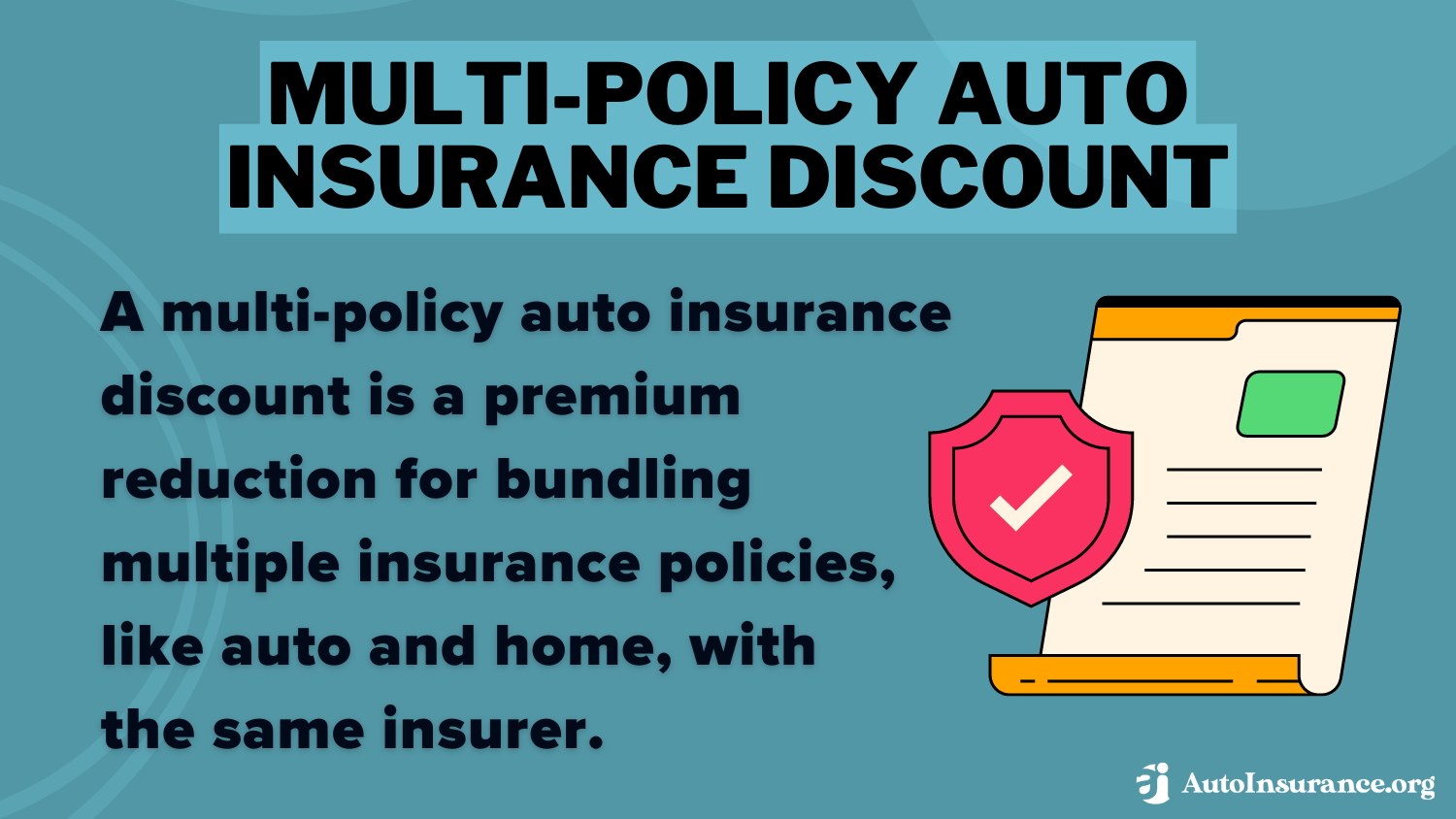
Purchasing your auto, homeowners, or renters insurance from the same company remains the most effective "instant" discount. This is known as a multi-policy discount. Insurers value customer retention, and a client with multiple lines of business is statistically less likely to cancel. This can save you between 5% and 25% across all your policies.
Optimizing Deductibles
The deductible is the amount you pay out-of-pocket before insurance kicks in. Increasing your deductible from $500 to $1,000 can lower your collision and comprehensive coverage costs by 15% to 30%. However, this strategy is only "good" if you have that $1,000 readily available in an emergency fund.
| Feature/Discount | Typical Savings Range | Best For... |
|---|---|---|
| Multi-Policy (Bundling) | 10% – 25% | Homeowners and renters |
| Telematics (UBI) | 5% – 40% | Safe, low-mileage drivers |
| Paid-in-Full | 5% – 10% | Those with available cash flow |
| Good Student Discount | 10% – 15% | Full-time students with a B average |
| Defensive Driving Course | 5% – 10% | Seniors and young drivers |
| Safety Equipment | 2% – 5% | Owners of newer vehicles with ADAS |
Understanding Coverage Levels: Finding the Balance
A "good price" is a bad deal if the coverage is insufficient to protect your assets. In 2026, the minimum liability limits required by many states are often insufficient to cover the cost of a modern multi-car accident.
Liability Limits (BI/PD)
Bodily Injury (BI) and Property Damage (PD) protect you if you are at fault. If you have significant assets (a home, savings, or high income), carrying only the state minimum (e.g., $25,000/$50,000) is risky. A "good" price on a 100/300/100 policy ($100k per person, $300k per accident, $100k property damage) provides much better value than a rock-bottom price on a state minimum policy.
Collision and Comprehensive
If your car is older (valued at less than 10 times your annual premium), it may be cost-effective to drop collision and comprehensive coverage. For example, if your car is worth $3,000 and the "full coverage" adds $600 a year to your bill with a $1,000 deductible, you are paying a lot for very little potential payout.
Uninsured/Underinsured Motorist (UM/UIM)
Despite legal requirements, a significant percentage of drivers remain uninsured. UM/UIM coverage is often very affordable and protects you if you are hit by someone without insurance. This is an area where "skimping" to get a better price can be a catastrophic financial mistake.
Common Pitfalls to Avoid When Shopping
Many consumers unknowingly sabotage their ability to get a good price by making simple errors during the shopping process.
- Letting Coverage Lapse: Even a one-day lapse in insurance coverage can cause your future premiums to skyrocket. Insurers view a lapse as a high-risk indicator. Always ensure your new policy is active before canceling the old one.
- Automatic Renewals: Many companies gradually increase rates for loyal customers, a practice known as "price optimization." Even if you are happy with your service, you should shop your rate every 12 to 24 months to ensure you are still getting a competitive deal.
- Ignoring Local and Regional Insurers: While national brands have the biggest marketing budgets, smaller regional carriers often have lower overhead and more specialized risk pools, allowing them to offer better prices to specific types of drivers.
Step-by-Step Shopping Guide for 2026
- Audit Your Current Policy: Look at your "Declarations Page" to see exactly what you are paying for now.
- Verify Your Information: Ensure your mileage and address are correct.
- Gather Quotes: Use a mix of direct-to-consumer websites (like Geico or Progressive) and independent agents who can shop multiple "broker-only" brands.
- Compare Apples to Apples: Ensure the limits and deductibles on every quote are identical so you can see the true price difference.
- Check Financial Ratings: Use a source like AM Best to ensure the company has the financial strength to pay claims.
- Read Consumer Reviews: Check the National Association of Insurance Commissioners (NAIC) for complaint ratios to see how the company treats its customers during the claims process.
Frequently Asked Questions
Does my credit score really affect my insurance price?
Yes, in most states, insurance companies use credit-based insurance scores to predict the likelihood of a claim. Statistically, individuals with higher credit scores tend to file fewer and less expensive claims. Improving your credit can be one of the most effective ways to lower your long-term insurance costs.
How much can I save by switching to a telematics program?
Most participants see an initial "participation" discount of 5% to 10%. After a monitoring period (usually 90 days), your actual discount is calculated. Safe drivers frequently save 20% to 30%, while the most cautious drivers can see upwards of 40% off their base premium.
Is "Full Coverage" always the best option?
"Full coverage" isn't a legal term but usually refers to having liability, collision, and comprehensive insurance. While it provides the most protection, it may not be a "good price" for an older vehicle with low market value. You should weigh the cost of the premium against the potential payout after your deductible.
Why did my price go up even though I didn't have an accident?
In 2026, rate increases are often driven by external factors such as rising medical costs, increased labor rates for mechanics, and the high price of replacement parts for modern vehicles. Additionally, if your neighborhood experiences an increase in claims or natural disasters, your "territory rate" may rise.
Should I use an independent agent or buy online?
Both have merits. Buying online is often faster and can be cheaper if the company offers a "web-only" discount. However, an independent agent can provide personalized advice and may have access to regional carriers that don't advertise nationally, potentially finding you a better price for complex situations.
Practical Recommendation
To find the best auto insurance prices in 2026, start by checking your credit score and ensuring your current vehicle's safety features are fully documented. Once you have your data ready, obtain at least three quotes: one from a major national carrier, one from a regional insurer, and one via an independent agent. Prioritize companies that offer a robust telematics program if you are a safe driver, as this currently offers the highest potential for deep discounts. Review your coverage annually to ensure you aren't paying for "full coverage" on a vehicle that no longer warrants it.
Image Gallery
Select an image to open it in a new tab.


Simon Caldwell
Enterprise Technology and Systems Editor
