
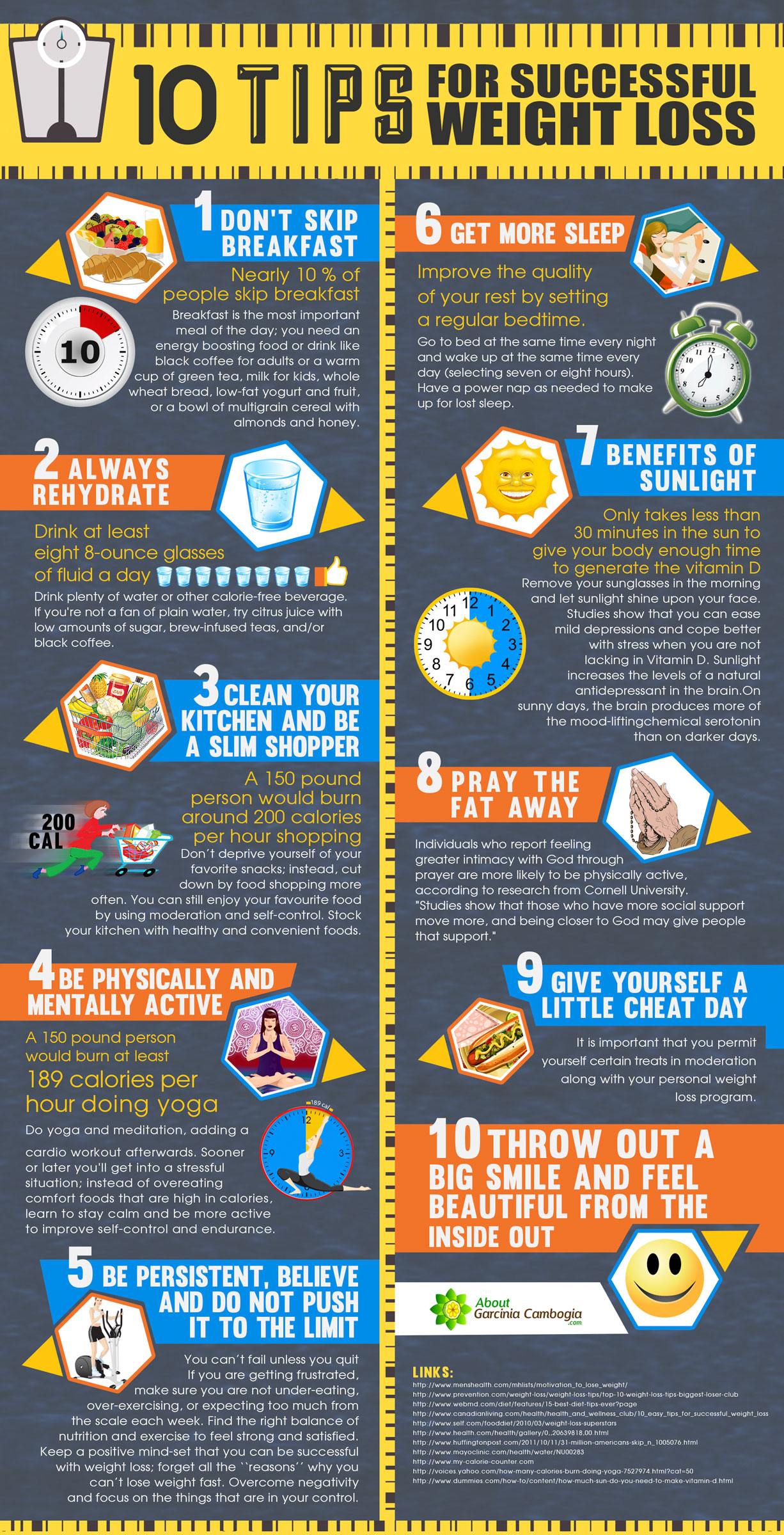
The best weight loss advice is to prioritize a sustainable, calorie-controlled diet centered on whole, nutrient-dense foods combined with consistent physical activity. Rather than seeking rapid, extreme interventions, successful long-term weight management requires creating a modest, manageable energy deficit that supports metabolic health, preserves lean muscle mass, and promotes lasting behavioral change.
Understanding the Energy Balance Equation
At its core, weight management is governed by the principle of energy balance: the relationship between the calories consumed through food and beverages and the calories expended through basal metabolic processes and physical activity. While hormones, genetics, and gut microbiomes play roles in how individuals process energy, creating a consistent caloric deficit remains the primary physiological requirement for weight loss.
A caloric deficit occurs when you consume fewer calories than your body requires to maintain its current weight. For most individuals, a reduction of 300 to 500 calories per day is sufficient to promote a safe and sustainable rate of weight loss, generally cited as 0.5 to 1.0 kilogram per week. Attempting to lose weight significantly faster through extreme caloric restriction often leads to the loss of lean muscle tissue, a reduction in resting metabolic rate (RMR), and an increased likelihood of compensatory overeating.
Prioritizing Nutrient Density over Calorie Counting
While calories provide the framework for weight loss, the quality of those calories determines your hunger levels, energy, and overall health. A diet high in ultra-processed foods—often characterized by high sugar, refined fats, and low fiber—can disrupt satiety hormones like ghrelin and leptin, making it difficult to adhere to a calorie-restricted plan.
To effectively manage weight, focus on:
- High-Protein Intake: Protein has a higher thermic effect of food (TEF) than fats or carbohydrates, meaning the body burns more energy digesting it. Furthermore, adequate protein intake is essential for maintaining muscle mass during a calorie deficit. Sources include lean meats, poultry, fish, legumes, tofu, and Greek yogurt.
- High-Fiber Foods: Fiber, particularly soluble fiber, slows digestion and helps regulate blood glucose levels. Vegetables, fruits, whole grains, and seeds provide volume to meals without excessive caloric density, which helps you feel full for longer periods.
- Hydration: Water consumption is frequently overlooked in weight management. Replacing caloric beverages—such as sodas, sweetened coffees, and fruit juices—with water eliminates "empty" calories and can help manage appetite.
The Role of Physical Activity
While diet is the primary driver of weight loss, exercise is the primary driver of weight maintenance and body composition improvement. Relying solely on physical activity for weight loss is often ineffective because it is easy to consume more calories than are burned during a typical exercise session. However, when combined with a dietary plan, exercise becomes a powerful tool.
Resistance Training
Resistance or strength training is critical for individuals seeking not just weight loss, but fat loss. When you lose weight, a portion of that weight can be muscle. Strength training signals the body to retain muscle tissue even while in a caloric deficit. Because muscle tissue is more metabolically active than adipose (fat) tissue, preserving it helps support a higher metabolic rate as you reach your target weight.
Aerobic Conditioning
Cardiovascular exercise, such as brisk walking, running, swimming, or cycling, enhances heart health and increases total daily energy expenditure (TDEE). The "best" form of cardio is the one you are most likely to sustain consistently. Aim for at least 150 minutes of moderate-intensity aerobic activity per week, as recommended by major public health organizations.
Behavioral Strategies for Long-Term Success
Weight management is a cognitive and behavioral challenge as much as a physiological one. Many people fail due to "all-or-nothing" thinking, where a single dietary lapse is treated as a complete failure, leading to a total abandonment of the plan.
- Mindful Eating: Paying attention to hunger and fullness cues can prevent overeating. Eating slowly and without distractions, such as televisions or mobile devices, allows the brain sufficient time to receive satiety signals.
- Tracking and Monitoring: For many, the act of tracking food intake—using journals or digital apps—provides the objective data needed to identify hidden caloric sources. This should be viewed as a tool for awareness rather than a lifelong necessity.
- Sleep and Stress Management: Sleep deprivation increases cortisol levels and ghrelin, the hunger hormone. When you are sleep-deprived, the body naturally craves high-energy, calorie-dense foods to compensate for perceived fatigue. Managing stress through structured rest and mental health support is a prerequisite for physical consistency.
Common Pitfalls and Troubleshooting
Even with a solid plan, progress can stall. If weight loss plateaus, consider the following technical adjustments:
- Re-evaluating Caloric Needs: As you lose weight, your total daily energy expenditure decreases because there is less body mass to maintain. You may need to recalculate your caloric needs after a significant loss (e.g., every 5 to 10 kilograms) to ensure you remain in a deficit.
- Hidden Calories: Oils, salad dressings, sauces, and cooking fats are calorie-dense and often underestimated. Ensure you are accounting for these if your progress has halted.
- Protein Distribution: If hunger is high, ensure you are distributing your protein intake evenly throughout the day, rather than consuming the majority at dinner.
- Plateau vs. Set Point: A weight plateau is often a natural phase where the body adjusts. If the scale does not move for two weeks despite adherence, consider focusing on non-scale victories, such as waist circumference measurements or improved energy levels, before making further drastic calorie cuts.
Comparison of Weight Management Approaches
| Method | Focus | Pros | Cons |
|---|---|---|---|
| Calorie Counting | Energy Balance | Precise, data-driven | Can lead to obsession |
| Portion Control | Behavioral | Simple, no tracking | Less precise |
| Low-Carbohydrate | Insulin/Appetite | Rapid initial water loss | Can be restrictive |
| Strength Training | Composition | Long-term metabolism | Time-intensive |
Frequently Asked Questions
Is there a specific "best" diet for weight loss? The most effective diet is the one you can sustain consistently over months and years. Research indicates that diets high in protein and fiber, regardless of whether they are labeled "low-carb" or "low-fat," generally produce similar long-term outcomes because they promote satiety and metabolic health.
Should I use weight loss medications? Medications, such as GLP-1 receptor agonists, are clinical tools intended for individuals with obesity or weight-related health conditions. They should only be used under the supervision of a licensed physician. They are not a replacement for lifestyle changes but can be an adjunct for those who struggle to lose weight through diet and exercise alone.
Does eating at night cause weight gain? Weight gain is determined by total daily energy intake, not the time of day you eat. However, late-night eating is often associated with high-calorie, ultra-processed snacks, which can contribute to exceeding your daily caloric budget.
Why does my weight fluctuate daily? Daily weight fluctuations are normal and are primarily caused by changes in water retention, sodium intake, carbohydrate storage (glycogen), and digestive contents. It is more accurate to track weight trends over the course of a week or month rather than day-to-day.
How do I handle food cravings without binging? Denying yourself specific foods entirely can lead to psychological "binge-restrict" cycles. Practice the 80/20 rule: 80% of your calories should come from nutrient-dense, whole foods, while 20% can be allocated to enjoyable, less-nutritious foods. This provides flexibility and improves long-term adherence.
Taking the First Step
Successful weight loss begins by establishing a baseline. Before making major changes, track your current food intake for one week without trying to change your habits. This provides an objective view of your current baseline. Once you have this data, identify one or two small changes—such as increasing vegetable intake or eliminating sugary drinks—and implement them for two weeks. Consistency over time, rather than intensity for a short duration, is the ultimate key to achieving and maintaining your weight loss goals.

Image Gallery
Select an image to open it in a new tab.


Mateo Castillo
Decentralized Finance and E-Payments Strategist
