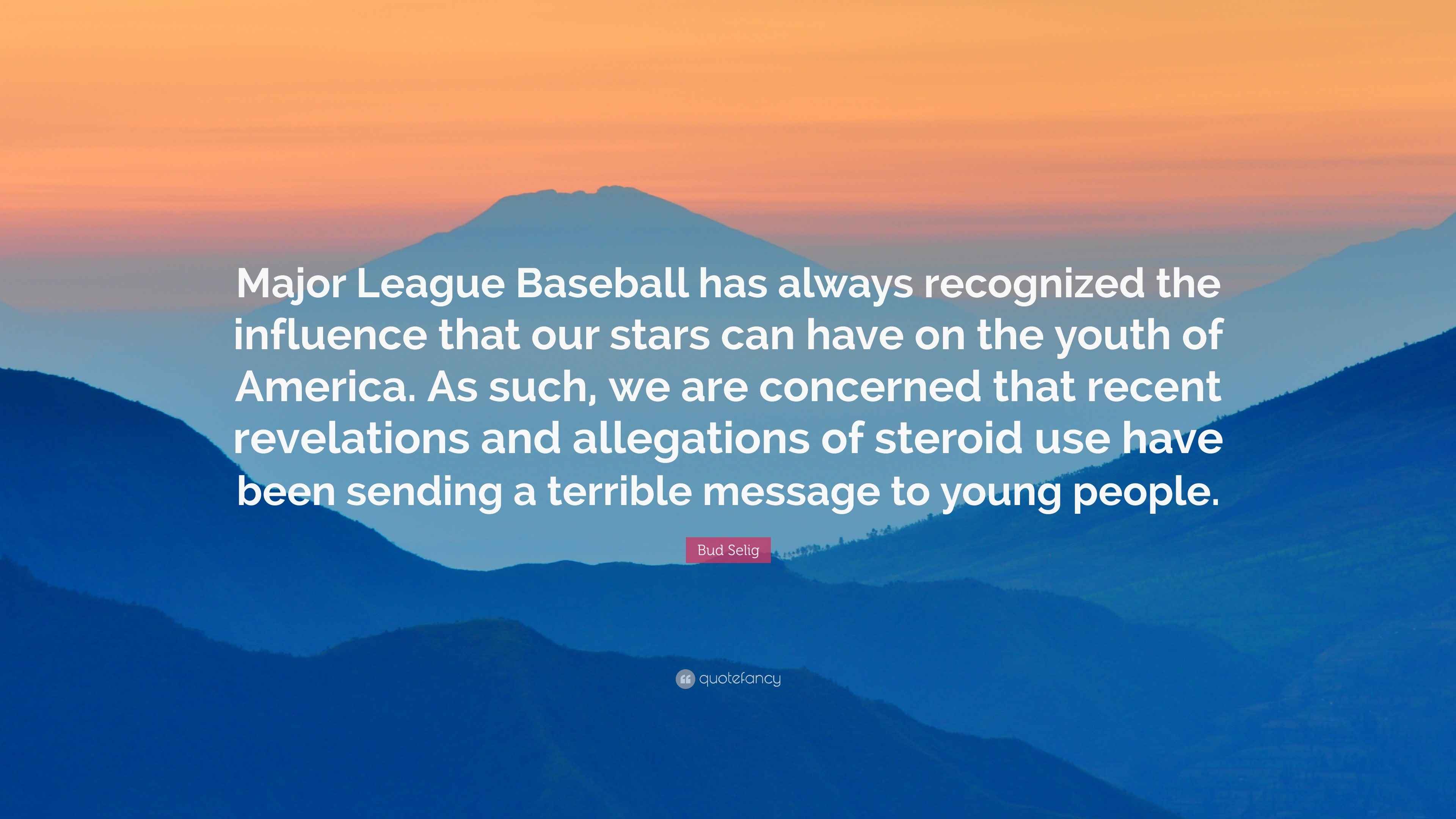
Allan H. "Bud" Selig’s tenure as Major League Baseball (MLB) Commissioner, spanning from his initial appointment as acting commissioner in 1992 to his formal retirement in 2015, remains one of the most polarizing eras in sports history. While his leadership is often credited with stabilizing the financial architecture of the game, a web of misconceptions regarding his role in the steroid era, the 1994 strike, and the implementation of revenue sharing has clouded historical perspective. Debunking these myths requires a precise examination of the operational, legal, and economic realities that defined his two decades of governance.
The Myth of Commissioner Passivity During the Steroid Era
Perhaps the most persistent narrative surrounding Bud Selig is that he consciously ignored or tacitly encouraged the use of performance-enhancing drugs (PEDs) to fuel the home run craze of the late 1990s. Critics frequently point to the 1998 home run race between Mark McGwire and Sammy Sosa as evidence that MLB exploited the surge in attendance and interest, regardless of the chemical catalysts behind it.
The reality, however, is grounded in the rigid constraints of the collective bargaining process. Under the Basic Agreement in place during the late 90s, the Commissioner’s office lacked the unilateral authority to implement drug testing programs without the explicit consent of the Major League Baseball Players Association (MLBPA). During that period, the union viewed drug testing as a significant privacy violation and a potential tool for management to suppress player salaries.
Selig’s strategy shifted from public confrontation—which he correctly gauged would result in a prolonged lockout—to a gradual legislative approach. By the time the 2002 contract was negotiated, the landscape had shifted enough to allow for the first rudimentary testing program, which began in 2003. While the delay was undeniably damaging to the integrity of the game's statistics, the myth of "willful ignorance" ignores the legal impossibility of testing in a pre-2002 environment where the union held immense leverage and public support for testing was largely absent among the rank-and-file players.
Assessing the 1994 Strike and Financial Stability
Another common myth is that Bud Selig was uniquely responsible for the 1994 work stoppage that cancelled the World Series. While Selig, then the owner of the Milwaukee Brewers, led the owners' side, the conflict was the culmination of a decade-long struggle between entrenched ownership philosophies and a powerful, unified player movement.
The 1994 strike was not merely a dispute over money; it was a fundamental clash over the future of the sport's economic structure. The owners sought a salary cap, while the players sought to protect the free market system. Selig’s eventual success in navigating the aftermath of the strike led to the adoption of revenue sharing, which proved to be a critical pivot point for the league. Prior to his formal installation as Commissioner, baseball operated under a chaotic, decentralized revenue model where small-market clubs struggled to compete with the sheer fiscal power of teams like the New York Yankees.
By mandating that teams share local broadcasting revenue and instituting luxury tax thresholds, Selig ensured that the sport remained solvent during a volatile period for sports broadcasting. The myth suggests that Selig "saved" baseball through sheer force of will; in reality, he successfully facilitated a transition to a more modern, tiered economic model that allowed the league to triple its total revenues by the end of his tenure in 2015.

Clarifying the Commissioner’s Role in Competitive Balance
Critics often argue that the current disparity in payrolls proves that Selig’s competitive balance initiatives failed. This perspective overlooks the dramatic shift in how small-market teams operate today compared to 1992.
The implementation of the Competitive Balance Tax (CBT) was designed to act as a soft cap. While it did not prevent high-spending teams from exceeding the threshold, it fundamentally altered the incentives for team construction. By forcing high-revenue teams to pay into a fund redistributed to lower-revenue clubs, Selig moved the league away from a "survival of the fittest" model. The data confirms that in the post-1994 landscape, teams from cities with smaller media markets—such as the Kansas City Royals, Cleveland Guardians, and Milwaukee Brewers—consistently appeared in postseason contention, a feat that was statistically rare in the era prior to revenue sharing.
Comparative Analysis of Era Metrics
| Feature | Pre-1992 Landscape | Post-Selig Governance (2015) |
|---|---|---|
| Revenue Sharing | Minimal/Non-existent | Comprehensive (Tiered) |
| Drug Testing | None | Mandatory/Jointly Managed |
| Wild Card Format | None | Expanded (Multiple slots) |
| Annual Revenue | ~$1.2 Billion | ~$9.5 Billion |
| Interleague Play | None | Regular Season Fixture |
The Reality of Interleague Play and Rule Innovations
Critics frequently categorize the introduction of Interleague Play and the expansion of the postseason as "gimmicks" that cheapened the game's traditionalist appeal. However, these changes were tactical responses to declining television ratings and stagnant regional interest.
The introduction of Interleague Play in 1997 was a direct answer to the fallout from the 1994 strike, which had caused a significant drop in fan attendance and national interest. By creating matchups between historical rivals who rarely faced each other—such as the Yankees and the Mets, or the Cubs and the White Sox—Selig successfully injected novelty into the schedule. This was not a move meant to replace the sanctity of the pennant race, but a pragmatic attempt to engage casual fans in a saturated media market. Similarly, the expansion of the Wild Card was a strategic decision to ensure that more teams remained in contention during the final weeks of the season, thereby maximizing broadcasting value and fan engagement.
Addressing the "Steroid Cloud" on Historical Records
A pervasive myth suggests that Bud Selig should have retroactively invalidated records achieved during the period of rampant PED use. This argument fails to account for the labor laws governing professional sports.
Legally, the Commissioner operates under the framework established by the collective bargaining agreement. Once a statistic is recorded and recognized by the official scorer, it becomes part of the public record of the game. Attempting to strip titles or nullify records would have resulted in immediate litigation from the MLBPA, potentially bankrupting the league’s credibility and leading to years of courtroom battles. Selig opted for the "official record" approach—acknowledging the history of the sport as it occurred, while simultaneously focusing on the implementation of the Joint Drug Prevention and Treatment Program to ensure that the future of the game would not mirror its past.
Frequently Asked Questions
1. Did Bud Selig have the power to stop the use of steroids on his own?
No. The Commissioner is bound by the labor agreements signed with the MLBPA. Without the union's agreement to a testing program, any attempt to mandate testing or discipline players for PED use would have violated existing contracts and led to immediate union-led legal action or strikes.
2. Why did Selig wait until 2003 to start drug testing?
Negotiations with the union were notoriously difficult. The union viewed testing as a violation of basic labor rights. It took several years of public pressure and evolving cultural attitudes toward PEDs to reach a consensus where both management and players would agree to a formal, codified testing procedure.
3. Was the 1994 strike unavoidable?
Most labor historians agree that the strike was inevitable because the owners and players were locked in an existential battle over the economic model of the sport. The dispute was not merely about contract terms but about whether baseball would continue to operate as an unregulated market or move toward a system with salary caps and revenue sharing.
4. Did revenue sharing actually help small-market teams?
Yes. The data shows that since the implementation of revenue sharing, teams from smaller markets have had significantly more success reaching the postseason compared to the pre-revenue sharing era. While large-market teams still maintain a payroll advantage, revenue sharing provided the floor necessary for small-market clubs to remain competitive.
5. Why was the Wild Card expanded under Selig?
The primary goal was to increase the number of teams in playoff contention through September. This strategy was highly successful in increasing local television viewership and ticket sales, as markets that would have been mathematically eliminated by August remained in the hunt for a postseason spot until the final week of the season.
Conclusion and Recommendations for Further Study
To understand the era of Bud Selig, one must look past the caricatures of a "weak" or "complicit" commissioner. He was an architect of a transition, presiding over a period where baseball shifted from a fragmented collection of clubs into a multi-billion dollar enterprise. The myths surrounding his tenure often arise from a misunderstanding of the limitations placed on the commissioner's office by collective bargaining agreements and federal labor laws.
For those interested in a deeper, verified understanding of this era, the most authoritative sources remain the official Major League Baseball Collective Bargaining Agreements, the final report of the Mitchell Investigation (released in 2007), and the financial disclosures filed by MLB throughout the 1990s and 2000s. Analyzing these documents provides a clearer picture of a leader working within the narrow parameters of a complex labor-management dynamic, rather than one possessing the absolute authority that many casual observers incorrectly attribute to the office of the Commissioner.
Image Gallery
Select an image to open it in a new tab.


Zara El-Hashem
Sociocultural Dynamics and Academics Writer
