What Do Native Americans Look Like Today? Understanding Modern Indigenous Diversity

Native Americans today represent a vast spectrum of physical appearances, reflecting centuries of diverse lineage, intermarriage, and regional heritage. There is no single "look"; Indigenous identity is defined by tribal citizenship, cultural connection, and community belonging rather than a specific phenotype, skin tone, or set of physical features.
The Myth of the Monolith: Why Phenotype Varies
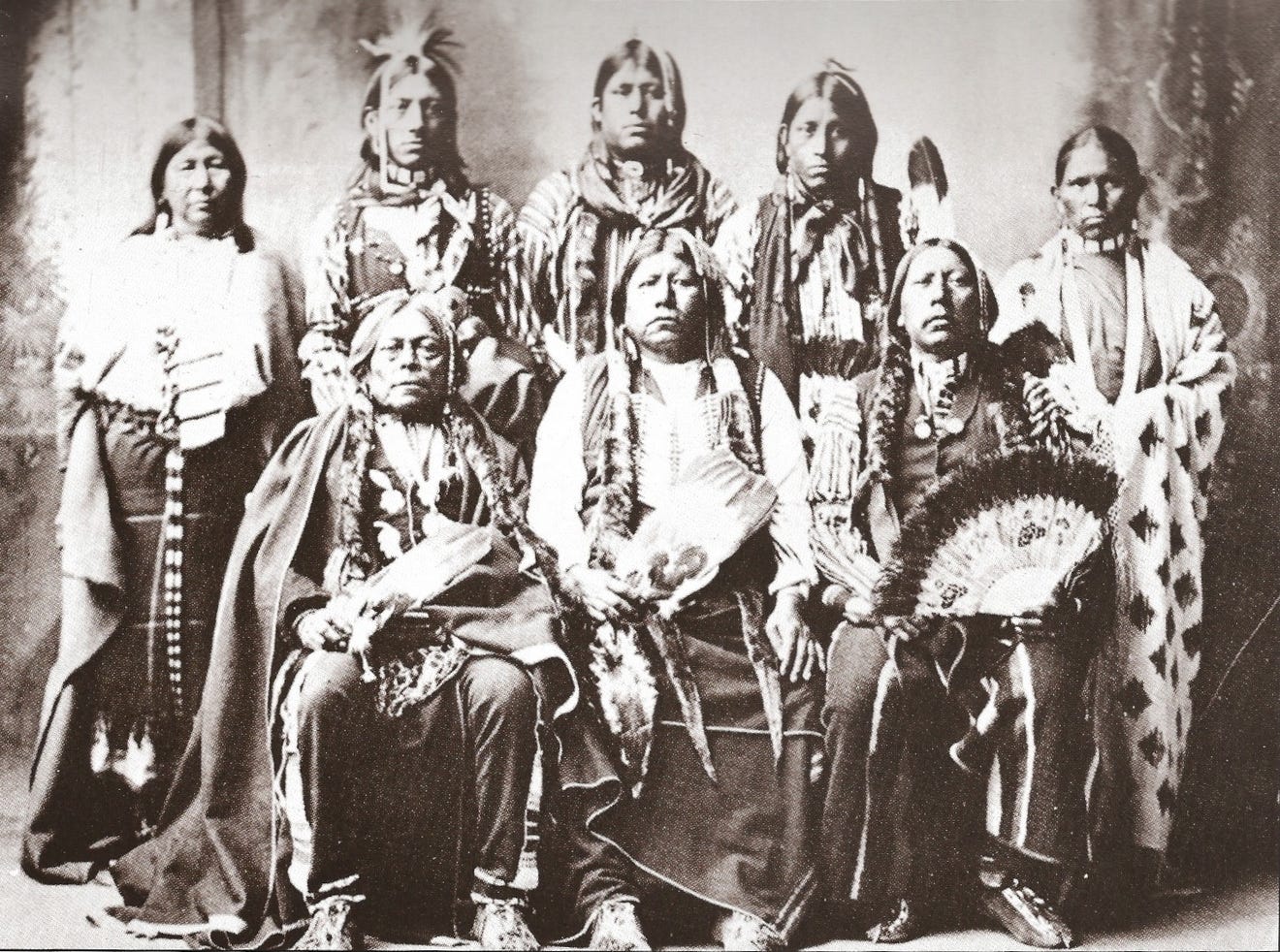
For many people outside of Indigenous communities, the mental image of a "Native American" is often frozen in the late 19th century—shaped by Hollywood Westerns, Edward Curtis photographs, and historical textbooks. However, as of 2026, the reality of Indigenous appearance is incredibly varied. This diversity is not a "dilution" of identity but a reflection of the complex history of the North American continent.
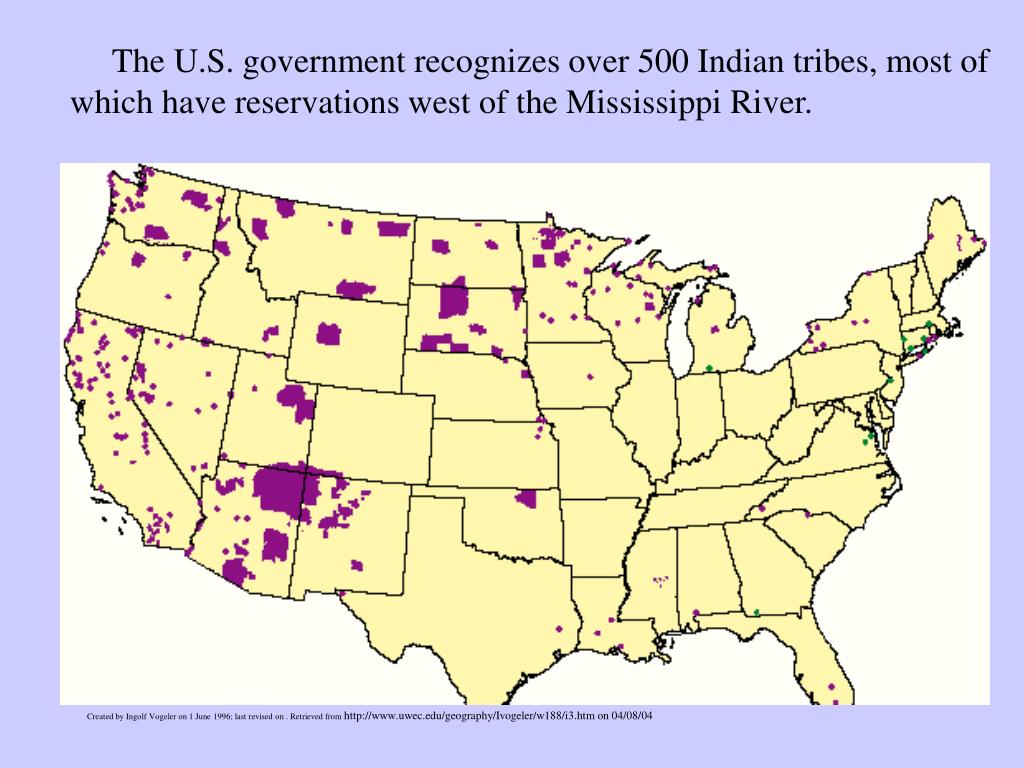
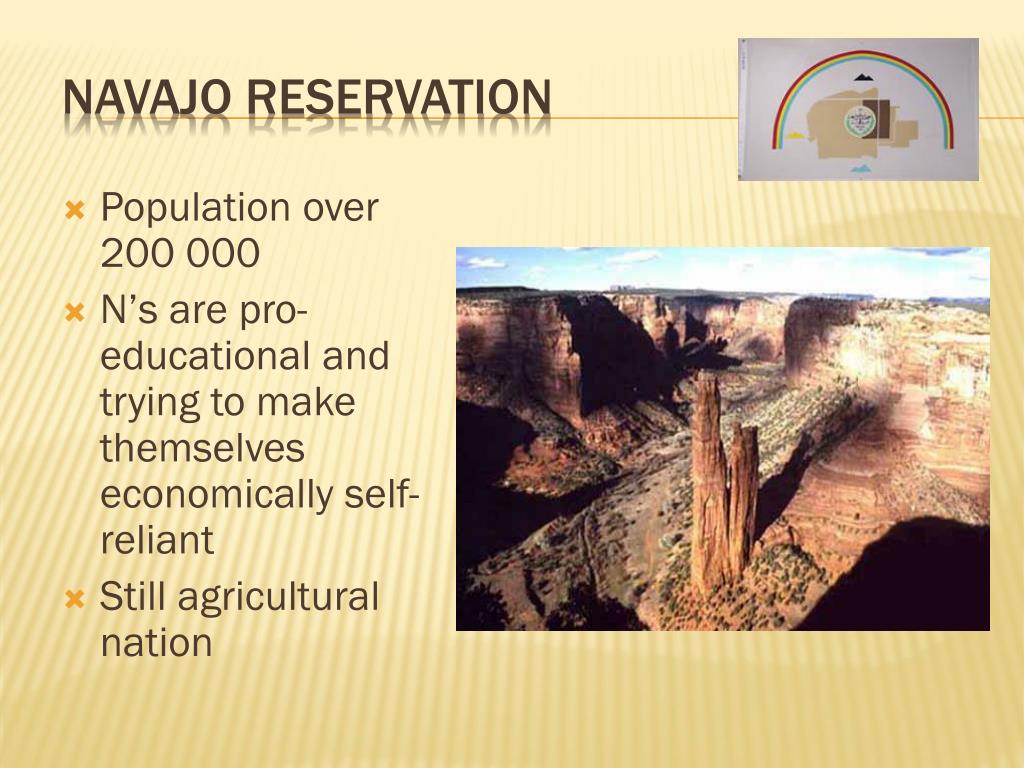
Phenotype—the observable physical characteristics of an individual—varies significantly among the 574 federally recognized tribes in the United States, as well as state-recognized tribes and those in Canada and Mexico. A person from the Navajo Nation (Diné) in the Southwest may have very different physical traits than someone from the Penobscot Nation in Maine or a Tlingit individual from Alaska.
Historical factors such as the forced displacement of tribes, the boarding school era, and the eventual integration into urban centers have contributed to a wide range of appearances. Intermarriage with individuals of European, African, and Hispanic descent over hundreds of years has created a multiracial Indigenous population. Consequently, a Native American person today might have light skin and blue eyes, or they may have very dark skin and curly hair. Neither of these individuals is "less" Native if they maintain their tribal citizenship and cultural ties.
Defining Identity Beyond Physical Appearance
One of the most critical aspects of understanding what Native Americans look like today is recognizing that Indigenous identity is a political and legal status, not just a racial one. Unlike other ethnic groups in the United States, Native American status is often tied to tribal sovereignty and citizenship.
Tribal Sovereignty and Citizenship
Each sovereign tribal nation has the right to determine its own enrollment criteria. Some tribes use Blood Quantum, a system introduced by the federal government to track the "percentage" of Indigenous blood. Others use Lineal Descent, which requires proving a direct biological connection to an ancestor listed on historical tribal rolls, such as the Dawes Rolls.
Because of these varying criteria, two people who look identical might have different legal statuses, and two people who look nothing alike might both be enrolled members of the same tribe. In 2026, many tribes are moving away from strict blood quantum requirements to ensure their communities continue to thrive, further diversifying the physical "profile" of their citizenry.
The Role of DNA Testing
It is a common misconception that a commercial DNA test can determine if someone is Native American. While these tests can identify genetic markers associated with Indigenous populations of the Americas, they cannot grant tribal citizenship. Tribal identity is about "who claims you," not just what is in your genetic code. Therefore, looking "Native" on a genetic report does not equate to the lived experience of being a member of an Indigenous community.

The Impact of Geography: Urban vs. Reservation Life
Where a person lives significantly influences their lifestyle, fashion, and how they present their Indigenous identity to the world. As of the most recent data heading into 2026, over 70% of Native Americans live in urban or suburban areas rather than on reservations.
Urban Indigenous Populations
Native Americans in cities like Chicago, Los Angeles, Phoenix, and New York often blend into the diverse fabric of urban life. Their "look" is frequently indistinguishable from any other modern professional, student, or artist. However, many urban Indians express their heritage through subtle markers—wearing "Beadwork in the Boardroom," such as beaded earrings, medallions, or dentalium shells paired with modern business attire.
Reservation Communities
On reservations, physical appearance may more frequently align with historical phenotypes due to more isolated gene pools, but even here, modern life prevails. Traditional clothing is generally reserved for ceremonies, powwows, and special community events. On a daily basis, a person on the Pine Ridge Reservation or the Gila River Indian Community looks like anyone else in rural America, wearing jeans, t-shirts, and work boots.
Key Factors Influencing Modern Indigenous Appearance
The following table summarizes the various elements that contribute to the diverse physical and aesthetic presentation of Native Americans in 2026.
| Factor | Description | Impact on "Look" |
|---|---|---|
| Regional Ancestry | Differences between Arctic, Plains, Coastal, and Woodland tribes. | Variations in height, bone structure, and skin undertones. |
| Multiracial Heritage | History of intermarriage with Black, White, and Latino populations. | Wide spectrum of skin tones, hair textures, and eye colors. |
| Cultural Expression | Use of traditional jewelry, tattoos, and hair styling. | Identifiable markers of heritage in modern settings. |
| Age/Generation | Gen Z and Alpha vs. Elders and Boomers. | Younger generations often blend "Indigenized" streetwear with traditional motifs. |
| Socioeconomic Status | Access to traditional foods vs. modern diets and healthcare. | General health and physical presentation common to all Americans. |
Modern Representation and the End of Stereotypes
The "Hollywood Indian" stereotype—characterized by long braids, buckskin, and a stoic expression—is being actively dismantled by Indigenous creators. In 2026, representation in media has shifted toward authentic storytelling. Shows like Reservation Dogs and Dark Winds have shown global audiences that Native people are doctors, mechanics, teachers, and teenagers dealing with universal human struggles.
The Significance of Hair
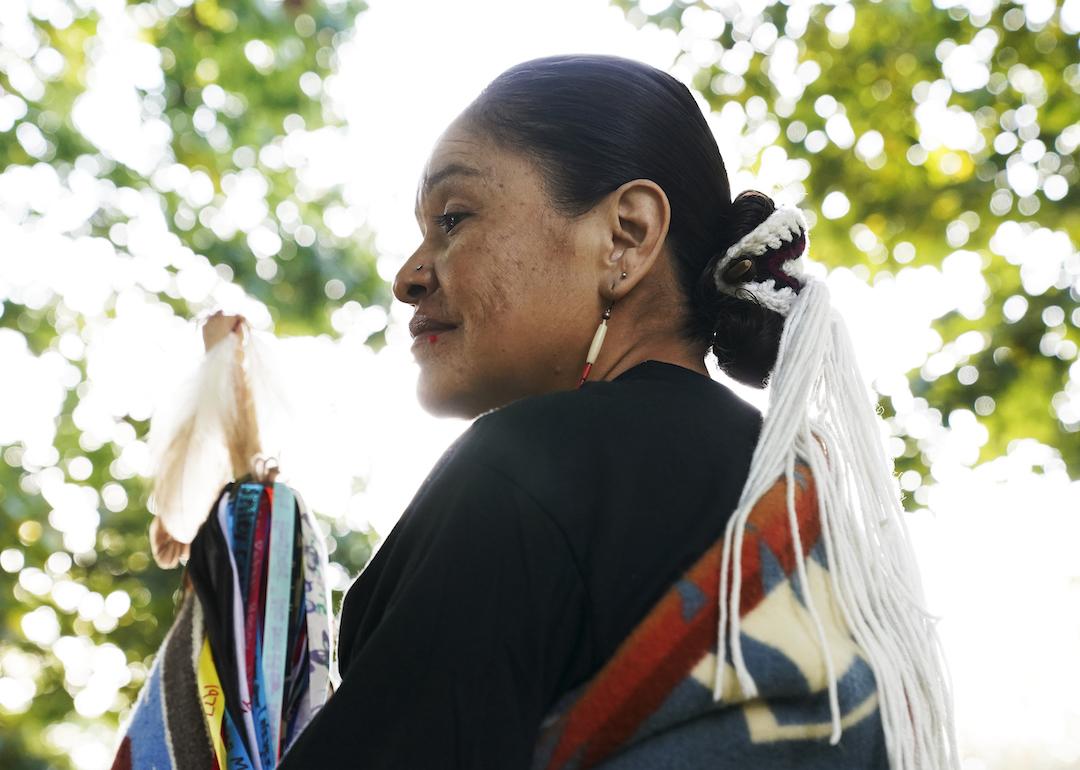
For many Indigenous people, hair remains a powerful symbol of identity and strength. While some Native men and women choose modern haircuts, many still keep their hair long as a connection to their culture. In many tribes, hair is only cut during times of mourning. Seeing a man with long, braided hair in a professional setting is a common way the modern Indigenous "look" manifests today.
Traditional Tattoos and Revitalization
There has been a significant resurgence in traditional tattooing practices, particularly among Pacific Northwest, Arctic, and California tribes. Chin tattoos (often called 1-1-1 or Yidįįłtoo) for women and specific geometric patterns for men are no longer just historical artifacts. They are visible, permanent markers of identity that challenge the idea that Native Americans must look like a "relic of the past" to be authentic.
Common Misconceptions and Colorism
Understanding what Native Americans look like today also requires addressing the internal and external challenges of colorism and the "Cherokee Grandmother" trope.
The "Look" Expectations
Native people who have lighter skin or do not fit the "high cheekbones and bronze skin" stereotype often face "identity policing." They may be told they "don't look Indian," which can be deeply marginalizing. Conversely, Indigenous people with Afro-Indigenous heritage often face erasure or are mistaken for being solely African American, despite having deep-rooted tribal connections and citizenship.
Addressing the "Cherokee Grandmother" Myth
A frequent issue in American culture is the claim of Indigenous ancestry based on family lore (often a "Cherokee great-grandmother with high cheekbones") without any documented proof or community connection. This has led to a skewed public perception of what Native people look like, as many people claiming the identity do not actually belong to the sovereign nations they claim to represent.
Indigenous Fashion and the Modern Aesthetic
In 2026, the "Indigenous look" is often defined by a flourishing fashion industry. Native designers are reclaiming their motifs and ensuring that "Native-inspired" fashion is replaced by "Native-made" products.
- Jewelry: Beyond silver and turquoise, modern Indigenous jewelry utilizes 3D printing, acrylics, and high-end gemstones while maintaining traditional patterns.
- Streetwear: Brands owned by Indigenous entrepreneurs feature hoodies and sneakers with ledger art or contemporary Indigenous graphic design.
- Regalia vs. Costume: It is important to distinguish between daily appearance and "regalia." Regalia is the highly specific, often handmade clothing worn for ceremonies. It is never referred to as a "costume," as it carries sacred and familial significance.
Summary of Modern Identity
To ask what a Native American looks like today is to ask what an American looks like. They are a demographic characterized by resilience and adaptation. Whether they are a fair-skinned member of the Wampanoag Tribe in Massachusetts or a dark-skinned member of the Tohono O'odham Nation in Arizona, their appearance is a testament to a survival that spans millennia.
Ultimately, the "look" of a Native American in 2026 is defined by the individual's choice of how to walk in two worlds—honoring their ancestors while navigating a modern, globalized society.
Frequently Asked Questions
Can someone be Native American if they have blonde hair and blue eyes?
Yes. Due to generations of intermarriage, many enrolled tribal members have European physical features. If they meet the enrollment criteria of their sovereign nation and maintain their community ties, their physical appearance does not invalidate their Indigenous identity.
Do all Native Americans have the same skin tone?
No. Skin tones among Indigenous people range from very light to very dark. This variation is due to both original regional differences across the continent and multiracial heritage involving European, African, and Indigenous lineages from other parts of the world.
Why do some Native Americans prefer to be called Indigenous or by their specific tribe?
The term "Native American" is a broad umbrella term. Many people prefer to be identified by their specific nation (e.g., Lakota, Cherokee, Ojibwe) because each tribe has its own distinct language, culture, and government. "Indigenous" is often used to emphasize a global connection to other first peoples.
Is it okay to ask a Native person "how much" Indian they are?
Generally, no. Asking about "blood quantum" can be offensive as it treats identity as a biological percentage rather than a lived cultural and political experience. It is more respectful to ask which tribe or nation they belong to.
Do Native Americans still wear traditional clothes daily?
In 2026, most Native Americans wear modern clothing for their daily lives. Traditional regalia is typically reserved for cultural ceremonies, powwows, or significant community gatherings. However, many incorporate Indigenous-made jewelry or accessories into their daily outfits.
Practical Recommendation for Further Learning
If you are interested in seeing the true diversity of modern Indigenous people, the best action is to engage with contemporary Indigenous-led media and organizations. Avoid relying on stock photos or historical archives. Instead, follow organizations like the National Congress of American Indians (NCAI) or the Association on American Indian Affairs. For a visual exploration, look at the work of modern Indigenous photographers and fashion designers who document the vibrant, living reality of their communities in 2026.
Image Gallery
Select an image to open it in a new tab.
Simon Caldwell
Enterprise Technology and Systems Editor
