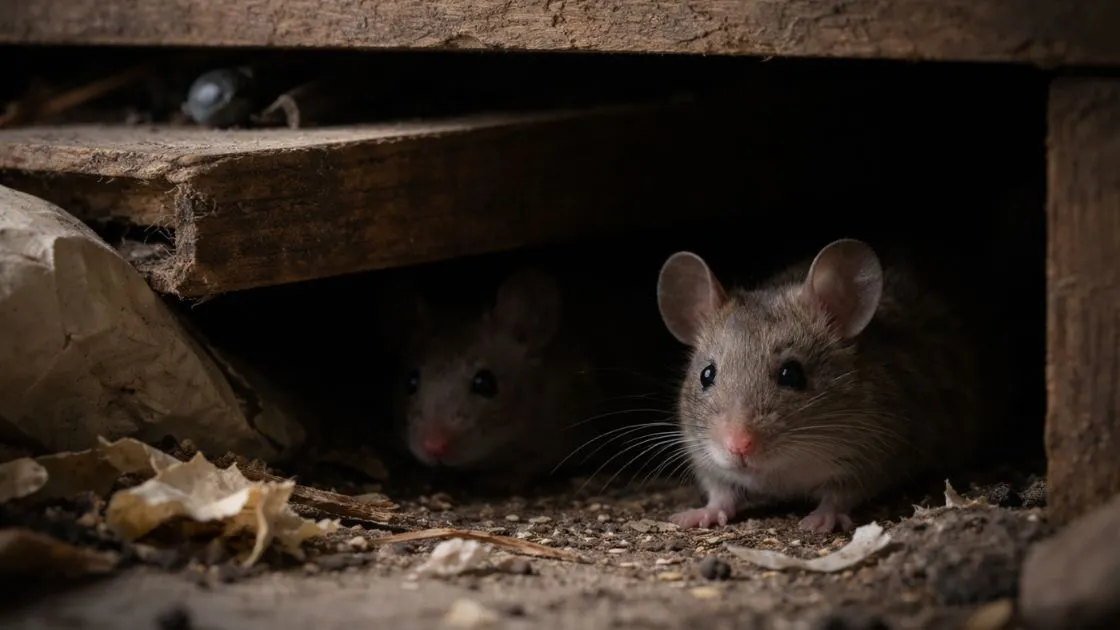
Mice primarily hide in dark, secluded, and undisturbed areas that provide close proximity to food sources and nesting materials. They gravitate toward wall voids, attic spaces, crawl spaces, and cluttered storage areas that offer protection from predators and ambient temperature fluctuations, allowing them to remain undetected while maintaining a stable home range.
Understanding the Behavioral Logic of Mice
To effectively locate where mice hide, one must first understand the biological imperatives that drive their movement. Mus musculus, the common house mouse, is a thigmotactic animal, meaning it prefers to keep its body in constant contact with vertical surfaces as it travels. This behavior is not merely a preference; it is a defensive adaptation that allows the mouse to navigate in low-light environments by feeling the contours of baseboards, pipes, and wall edges.
When a mouse enters a human structure, it is not looking for a single "nest" in the way a bird does. Instead, it seeks a "home range" composed of several hiding spots, connected by established runways. A single mouse may have multiple satellite locations for resting, feeding, and waste disposal. Because they are nocturnal and highly sensitive to human presence, they prioritize locations that are difficult for humans to access, such as the narrow gaps behind cabinetry or the internal structure of wall frames.
High-Probability Hiding Spots in Residential Structures
Identifying hiding spots requires a systematic inspection of your home. Mice utilize both structural vulnerabilities and human habits to secure their safety.
Wall Voids and Behind Cabinetry
Wall voids are perhaps the most common hiding places for mice. These hollow spaces behind drywall or plaster provide a climate-controlled environment that is entirely disconnected from the active living space. Mice access these areas through small construction gaps, utility entry points, or holes created by plumbing. Specifically, the dark, cramped spaces behind kitchen cabinets or bathroom vanities are ideal; these areas are rarely disturbed, are located near potential food crumbs, and offer multiple entry points into the home's infrastructure.
Attics and Crawl Spaces
Attics represent a prime habitat for mice, particularly during colder months. Insulation provides both warmth and high-quality nesting material. If an attic is poorly sealed, mice can enter through gable vents, roof soffits, or gaps where electrical conduits enter the structure. Similarly, crawl spaces offer a protected environment that is often damp and dark, perfect for long-term nesting. Mice often travel along the tops of foundation walls or along HVAC ductwork to move between the crawl space and the living areas above.
Storage Areas and Garages
Clutter is the primary contributor to mouse activity in garages and basements. Cardboard boxes, stacked papers, old textiles, and holiday decorations provide everything a mouse needs: protection from light, insulation, and nesting materials. If you store pet food, birdseed, or grass seed in these areas without using airtight, hard-sided containers, you create an irresistible lure that will keep mice in the immediate vicinity of your storage items.
Major Appliance Enclosures
Appliances like refrigerators, stoves, and dishwashers offer unique advantages to mice. These units are often placed against walls with small gaps behind them, and they contain internal motor compartments that are warm and relatively inaccessible to humans. The rear of a refrigerator, which contains compressors and cooling coils, is a frequent nesting site due to the consistent heat output.
Identifying Signs of Presence
Since mice are rarely seen during daylight hours, you must rely on secondary evidence to verify their location. This process, often called an audit, is essential for determining where your interventions should be concentrated.
- Droppings: Mouse droppings are approximately 1/8 to 1/4 inch long, rod-shaped with pointed ends. They are usually found in clusters near feeding sites or along runways.
- Gnaw Marks: Mice must constantly gnaw to keep their incisor teeth at a manageable length. Look for fresh, rough-edged holes in wood, drywall, or plastic.
- Rub Marks: Because mice follow the same paths repeatedly, their fur—which carries oils and dirt—leaves visible, greasy, dark smudges along baseboards or against wall corners.
- Nesting Materials: If you encounter shredded paper, insulation, or fabric bunched together in a secluded corner, you have likely found an active nest.
- Noises: Scratching, scurrying, or squeaking sounds heard at night, particularly within the walls or ceilings, are clear indicators of movement.
Structural Maintenance and Sealing
Once you have identified where mice are hiding, the next priority is exclusion. If you remove the mice but do not seal the entry points, the vacancy will inevitably be filled by others.
Sealing Gaps and Cracks
Mice can compress their skeletons to fit through holes as small as a dime (approximately 1/4 inch). You should inspect the exterior of your home for any gaps around pipes, electrical wires, or dryer vents.
- Steel Wool and Sealant: Use stainless steel wool combined with silicone caulk or expanding foam. The steel wool is difficult for mice to chew through, while the sealant holds it in place.
- Hardware Cloth: Use 1/4-inch galvanized steel mesh to screen off vents or gaps in foundation work. Ensure the edges are secured firmly with screws or heavy-duty staples.
- Door Sweeps: Install tight-fitting metal door sweeps on exterior doors to eliminate the gap between the door and the threshold.
Comparison of Common Hiding Environments
| Hiding Site | Risk Level | Primary Attraction | Difficulty of Access |
|---|---|---|---|
| Wall Voids | High | Safety/Protection | Very Hard |
| Attic Insulation | Medium | Warmth/Nesting | Moderate |
| Back of Cabinets | High | Food Proximity | Hard |
| Basement Clutter | Medium | Seclusion/Storage | Easy |
| Appliance Motors | Medium | Heat Source | Moderate |
Frequently Asked Questions
How can I tell if a mouse nest is still active? Check the area for fresh droppings or new debris. If the nest is undisturbed and dusty, it may be old. However, mice often reuse nesting sites, so any discovered nest should be cleared and the surrounding area sanitized, followed by sealing the entry points.
Do mice prefer specific rooms in the house? Yes, mice gravitate toward rooms with easy access to food and water, such as kitchens, pantries, and laundry rooms. They also frequently inhabit garages and basements because these areas provide more "hiding" space and lower levels of human traffic.
Can I use ultrasonic devices to drive mice out of their hiding spots? Independent research and consumer reports generally indicate that ultrasonic pest repellers are ineffective for controlling rodent infestations. Mice are highly adaptable and quickly learn to ignore high-frequency sounds that do not pose a genuine threat.
Why do I hear noises in my walls but never see the mice? Mice are nocturnal and highly cautious. Their anatomy allows them to thrive in the interstitial spaces behind your walls. You hear them because the walls act as a sound chamber, but you don't see them because they rarely need to enter the open living area to reach their food or water sources.
What is the safest way to clean up after finding a nest? Always wear protective gloves and a respirator mask. Spray the nest and surrounding area with a disinfectant or a mixture of bleach and water. Let it sit for several minutes before wiping it up with paper towels; do not vacuum or sweep the area, as this can release harmful particles into the air.
Professional Consultation and Next Actions
If you are dealing with a recurring infestation despite sealing common entry points, the mice may be entering through structural deficiencies that are not easily visible, such as roof-line gaps or foundation cracks hidden by landscaping. In these cases, it is advisable to contact a licensed pest control professional. They possess the tools to conduct a professional home audit using specialized equipment like borescopes to view inside wall voids.
Your immediate next step is to initiate an inspection using the signs of presence described above. Once you have identified a suspected hiding spot, move to clear the clutter, sanitize the area, and implement structural exclusion. Consistency in your efforts—particularly in eliminating food sources and sealing entry points—is the only reliable method for preventing re-infestation.
Image Gallery
Select an image to open it in a new tab.
Mateo Castillo
Decentralized Finance and E-Payments Strategist
