
Pope Francis lives in the Casa Santa Marta (Domus Sanctae Marthae) within Vatican City, rather than the traditional Apostolic Palace. Since his election in 2013, he has resided in a modest suite in this guest house, prioritizing a communal lifestyle, proximity to other clergy, and a more simplified daily routine compared to the historic papal apartments.
The Shift from Tradition: The Apostolic Palace versus Casa Santa Marta
For centuries, the incumbent pope was expected to reside in the Papal Apartments located on the third floor of the Apostolic Palace. This grand, multi-room living space has served as the official residence for pontiffs since the 17th century. However, upon his election in March 2013, Pope Francis made a significant departure from this long-standing tradition. He chose to remain at the Casa Santa Marta, a building originally designed as a modern guest house for visiting bishops, clergy, and laypeople attending official Vatican business.
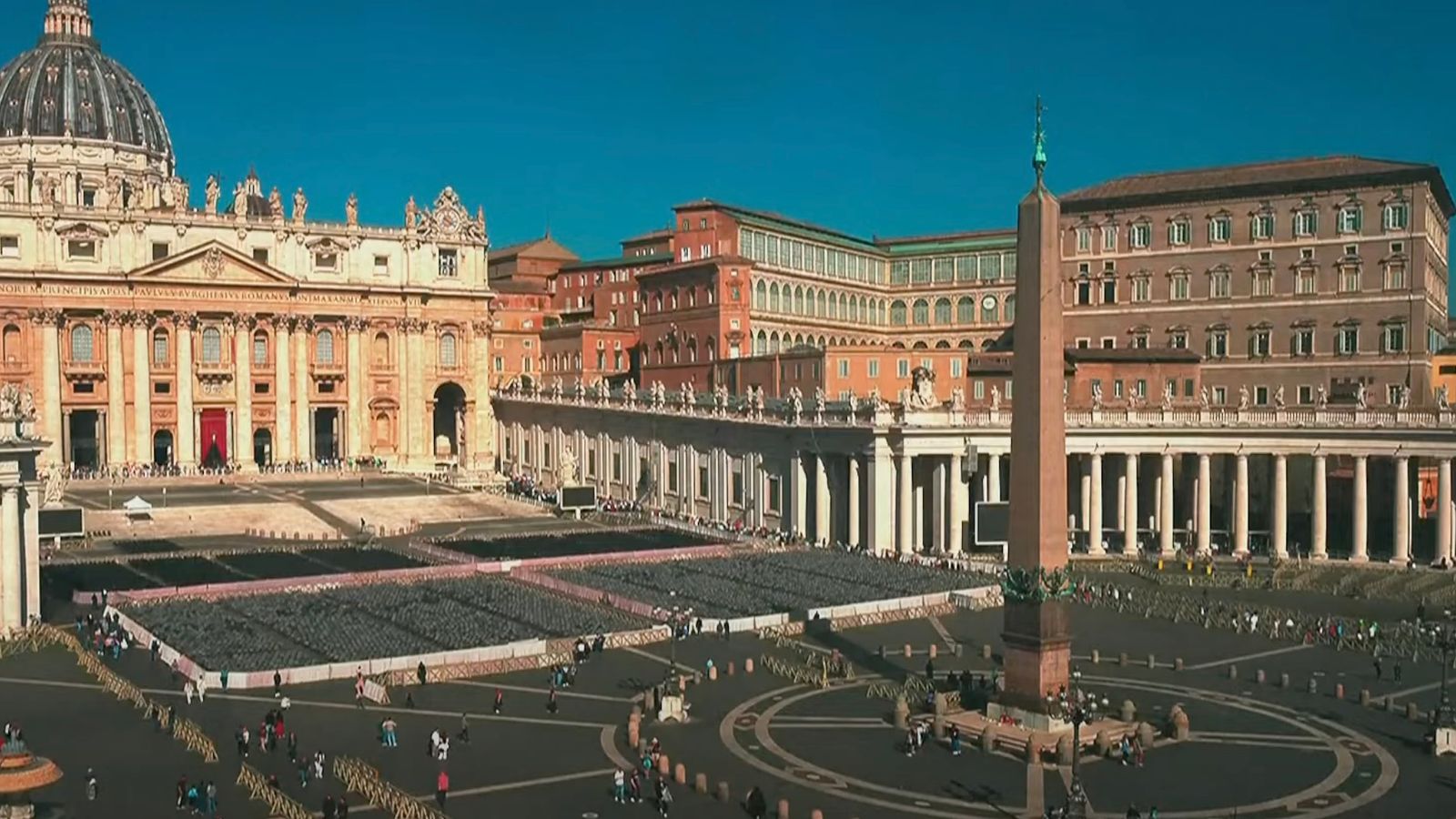
The Apostolic Palace remains the center of papal administration. It contains the private library where the Pope conducts formal audiences with world leaders, the window from which he leads the Angelus prayer on Sundays, and the reception halls for high-level diplomatic meetings. By choosing not to live in the palace, Pope Francis effectively separated his administrative duties from his private living quarters. This decision signaled a shift toward his personal vision of a more accessible and humble papacy.
Understanding the Casa Santa Marta
The Casa Santa Marta is not a palace in the traditional architectural sense. Completed in 1996 under the direction of Pope John Paul II, the structure was built to replace an older hospice. Its primary purpose is to provide comfortable, modern accommodation for participants in the conclave and other visitors to the Holy See.
Facilities and Living Arrangements
Unlike the vast, echoing halls of the Apostolic Palace, the Casa Santa Marta functions similarly to a high-end hotel or a refined religious residence. Pope Francis occupies a suite, specifically Suite 201, which is functional and utilitarian. The living area is relatively modest by state-head standards, consisting of a bedroom, a small study for reading and writing, and a private bathroom.
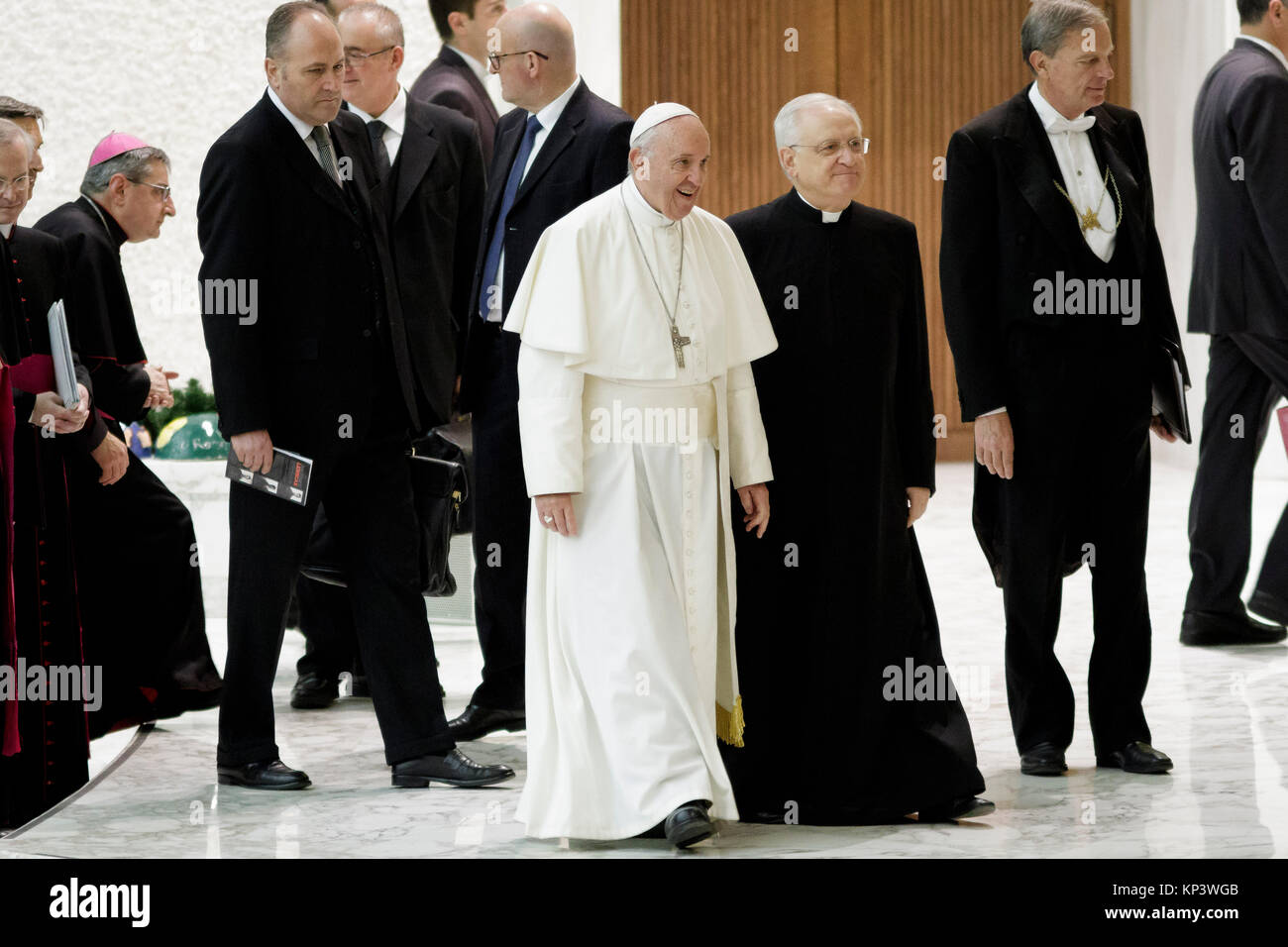
The choice to reside here is not merely aesthetic but logistical and social. The residence features a communal dining hall where the Pope takes his meals alongside other residents—bishops, priests, and lay employees of the Vatican. This environment is designed to facilitate interaction, a direct contrast to the relative isolation of the historic papal apartments.
Security and Privacy Considerations
Security within Vatican City is managed by the Gendarmerie Corps and the Swiss Guard. While the Casa Santa Marta is technically within the secured walls of Vatican City, it is more accessible than the deep interior of the Apostolic Palace. The challenge of balancing the Pope's desire for a more communal, less cloistered existence with the rigorous security requirements of a world leader is a constant operational focus for the Vatican’s security apparatus in 2026. Security measures at the residence remain discreet but highly effective, ensuring the safety of all guests and residents without transforming the building into a fortress.

Why the Change in Residence Matters
The decision to avoid the Apostolic Palace carries deep symbolic and practical weight. Throughout his pontificate, Pope Francis has consistently emphasized themes of simplicity and the "culture of encounter."
Symbolic Significance
The Apostolic Palace is a symbol of the historical temporal power of the papacy. By residing in a guest house, Pope Francis draws a physical boundary between his office and the trappings of historical monarchical power. This move has been interpreted by observers as an attempt to reform the culture of the Roman Curia, promoting a flatter hierarchy where the leader is physically and socially integrated with his peers.
Practical and Operational Impacts
- Accessibility: The Casa Santa Marta allows the Pope to maintain a consistent routine. It removes the need for ceremonial processions within the palace to reach private living quarters.
- Social Interaction: Living in a shared space prevents the "bubble" effect often associated with isolated leadership. The Pope is frequently observed engaging in casual conversations during communal meals.
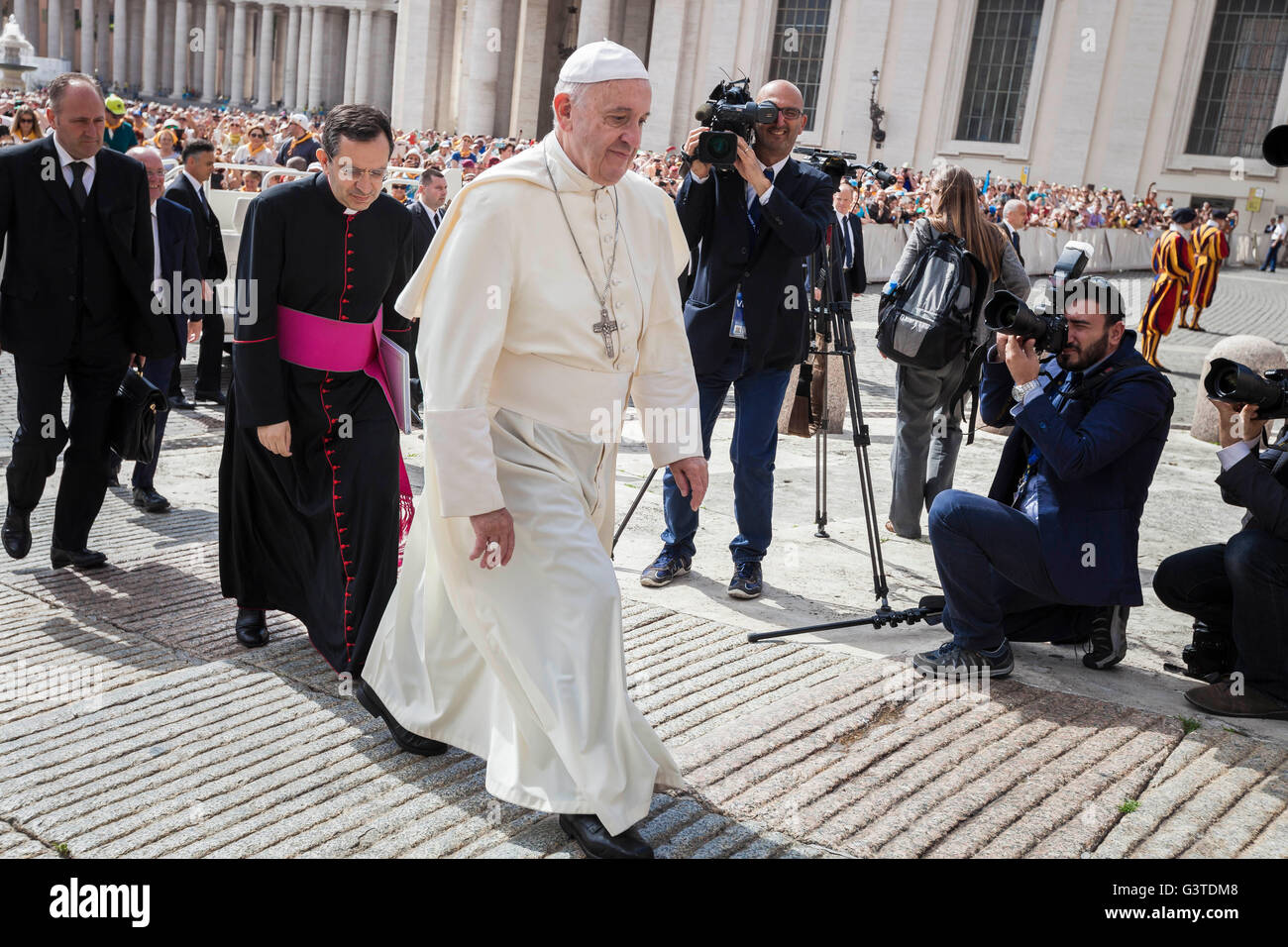
- Maintenance of Traditions: Crucially, the move does not stop the Pope from fulfilling his public duties. He travels the short distance to the Apostolic Palace or other parts of the Vatican daily to perform his official functions, ensuring that the legacy of his office remains intact even if his personal residence has changed.
Table: Comparison of Papal Residences
| Feature | Apostolic Palace (Historical) | Casa Santa Marta (Current) |
|---|---|---|
| Primary Function | Ceremonial & Administrative | Guest House & Residence |
| Living Style | Isolated/Private | Communal/Integrated |
| Location | Overlooking St. Peter's Square | Near the Paul VI Audience Hall |
| Accessibility | High-security/Restricted | Controlled/Guest-oriented |
| Established | 17th Century | 1996 |
The Daily Life of the Pope in Residence
Living in the Casa Santa Marta dictates a specific rhythm to the Pope's day. A typical morning begins early, often with private prayer and the celebration of Mass. Unlike the grand liturgies in St. Peter’s Basilica, the morning Masses at the Casa Santa Marta are often intimate affairs attended by small groups of invited guests, ranging from Vatican staff to pilgrims and various professionals.
His study within the suite serves as the command center for his reading and personal correspondence. However, much of the heavy administrative work is conducted in the various offices of the Vatican's departments. The commute—often just a short walk or a brief ride in a modest vehicle—across the gardens of the Vatican provides a moment of transition between his private reflection and public duty.
Managing the Public Interest
Because the Pope's choice to live in the Casa Santa Marta is a well-known deviation from custom, it generates significant interest. However, for those visiting Vatican City, it is important to note that the Casa Santa Marta is not a public museum or a tourist attraction. It remains a secure, functional residence.
Visitors to Vatican City should focus their interest on the public-facing sections of the Holy See. The Vatican Museums, the Basilica, and the public areas of the Apostolic Palace provide ample opportunities to appreciate the art, history, and theology of the papacy. The private living quarters are strictly off-limits to unauthorized personnel, and the privacy of the Pope and the other clergy residing at the guest house is protected with the same rigor applied to any other area of the Vatican.
Frequently Asked Questions
Can tourists visit the room where Pope Francis lives?
No, the Casa Santa Marta is not open to tourists. It functions as a private residence and guest house for the clergy and official visitors. There are no guided tours of the papal suite, as it is intended to provide the Pope with a degree of privacy that he does not have in the more public areas of the Vatican.
Does Pope Francis ever use the Apostolic Palace?
Yes, he uses the palace regularly for administrative duties. He conducts meetings with world leaders, interviews with diplomats, and formal audiences in the state rooms of the Apostolic Palace. The transition from his living quarters to his workplace is a standard part of his daily schedule.
Will future popes live in the Casa Santa Marta?
The residency of a pope is a personal choice. While Pope Francis has established a precedent for living in the Casa Santa Marta, each successor has the autonomy to decide whether to occupy the traditional Apostolic Palace or choose alternative arrangements. There is no official rule requiring a pope to live in a specific building.
Is the Casa Santa Marta considered a palace?
No, it is a functional, modern building designed to serve as a guest house. It lacks the historical architectural significance and the immense scale of the Apostolic Palace. It is classified as an ecclesiastical residence rather than a royal or papal palace.
How does the Pope's residence affect security protocols?
The Gendarmerie Corps of Vatican City ensures that the Casa Santa Marta remains secure. Because the building houses the Pope, it is subject to high-level security monitoring. While the Pope moves more freely in this environment than he would in the Apostolic Palace, security remains a top priority, utilizing both technology and personnel to monitor the surrounding area.
Recommendation for Visitors
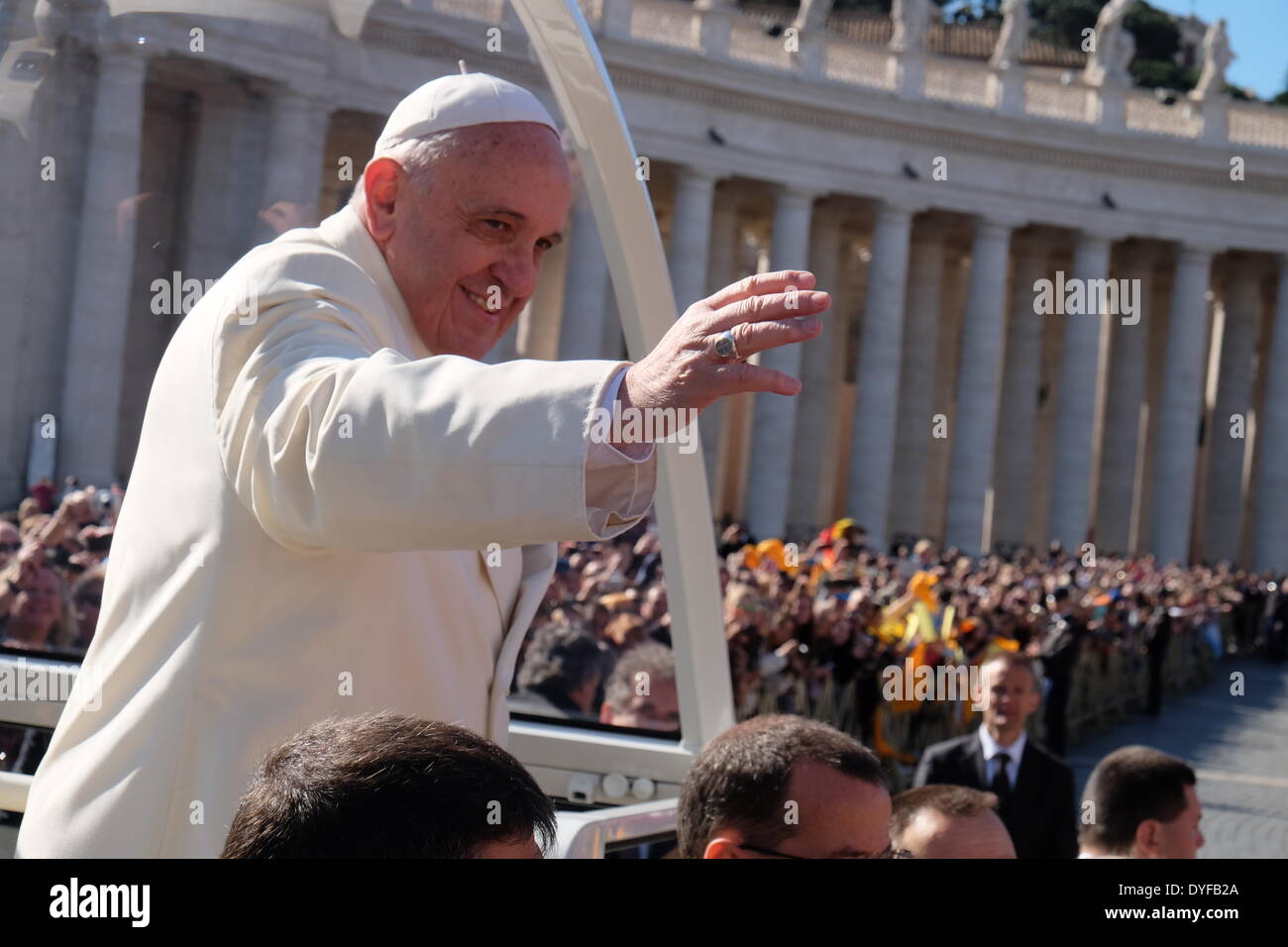
For those traveling to Vatican City with an interest in the papacy, the best approach is to engage with the public aspects of the institution. If you wish to see the Pope, the most reliable method is to attend the Wednesday General Audience or the Sunday Angelus prayer in St. Peter's Square. These events provide a direct opportunity to see the Pope in his capacity as the leader of the Church. When planning your visit, consult the official website of the Prefecture of the Papal Household for current schedules, ticket requirements, and updates regarding public availability for the year 2026. Focus your time on the Vatican Museums and the Basilica to fully appreciate the historical and spiritual context that the papacy inhabits, leaving the residential zones to the privacy of those who live and work there.
Image Gallery
Select an image to open it in a new tab.




Simon Caldwell
Enterprise Technology and Systems Editor
