The Evolution of the iPhone Charger: A Complete History of Every Connector Change

The iPhone has undergone two major charging port transitions since its debut. The first occurred in September 2012 with the iPhone 5, which replaced the original 30-pin dock connector with the Lightning port. The second major shift happened in September 2023 with the iPhone 15 series, which replaced Lightning with the universal USB-C standard.
From the proprietary early days to the modern era of universal connectivity, the history of the iPhone charger reflects broader shifts in mobile technology, data transfer requirements, and international regulations. Understanding when and why these changes occurred is essential for any user looking to navigate the current ecosystem of cables, adapters, and fast-charging standards.
The Original Era: The 30-Pin Dock Connector (2007–2012)
When the first iPhone was released in 2007, it utilized a connector that was already a staple of the Apple ecosystem: the 30-pin dock connector. This wide, flat plug was first introduced with the third-generation iPod in 2003. At the time, it was a highly advanced piece of hardware because it carried more than just power and data.
Technical Capabilities of the 30-Pin Connector
The 30-pin connector was designed for an era when mobile devices were primarily peripherals to a computer. It featured dedicated pins for:
- FireWire and USB Charging: Early versions supported both standards, allowing for faster charging via FireWire.
- Analog Audio Out: This allowed the iPhone to be plugged into "iPod Docks" and speaker systems without needing a separate 3.5mm jack for audio.
- Component and Composite Video: Users could output video from their iPhone to a television using specific cable harnesses.
- Serial Data: For communication with complex car integration kits and industrial accessories.
Why It Was Replaced
By 2012, the 30-pin connector had become a liability. As Apple pushed for thinner and lighter devices, the internal space occupied by the 30-pin female port (which was nearly 2.5 centimeters wide) was too large. Furthermore, the connector was fragile; the pins were easily bent, and the cable only functioned when inserted in one specific orientation.
The First Major Shift: The Introduction of Lightning (2012)
At the iPhone 5 event on September 12, 2012, Apple executive Phil Schiller introduced the Lightning connector, calling it the "modern connector for the next decade." This change was monumental because it rendered millions of existing accessories—from alarm clock docks to car chargers—obsolete overnight.
Key Innovations of Lightning
The Lightning connector was a proprietary 8-pin digital connector. Its primary advantages over the 30-pin predecessor included:
- Reversibility: Lightning was the first mainstream connector that could be plugged in regardless of orientation.
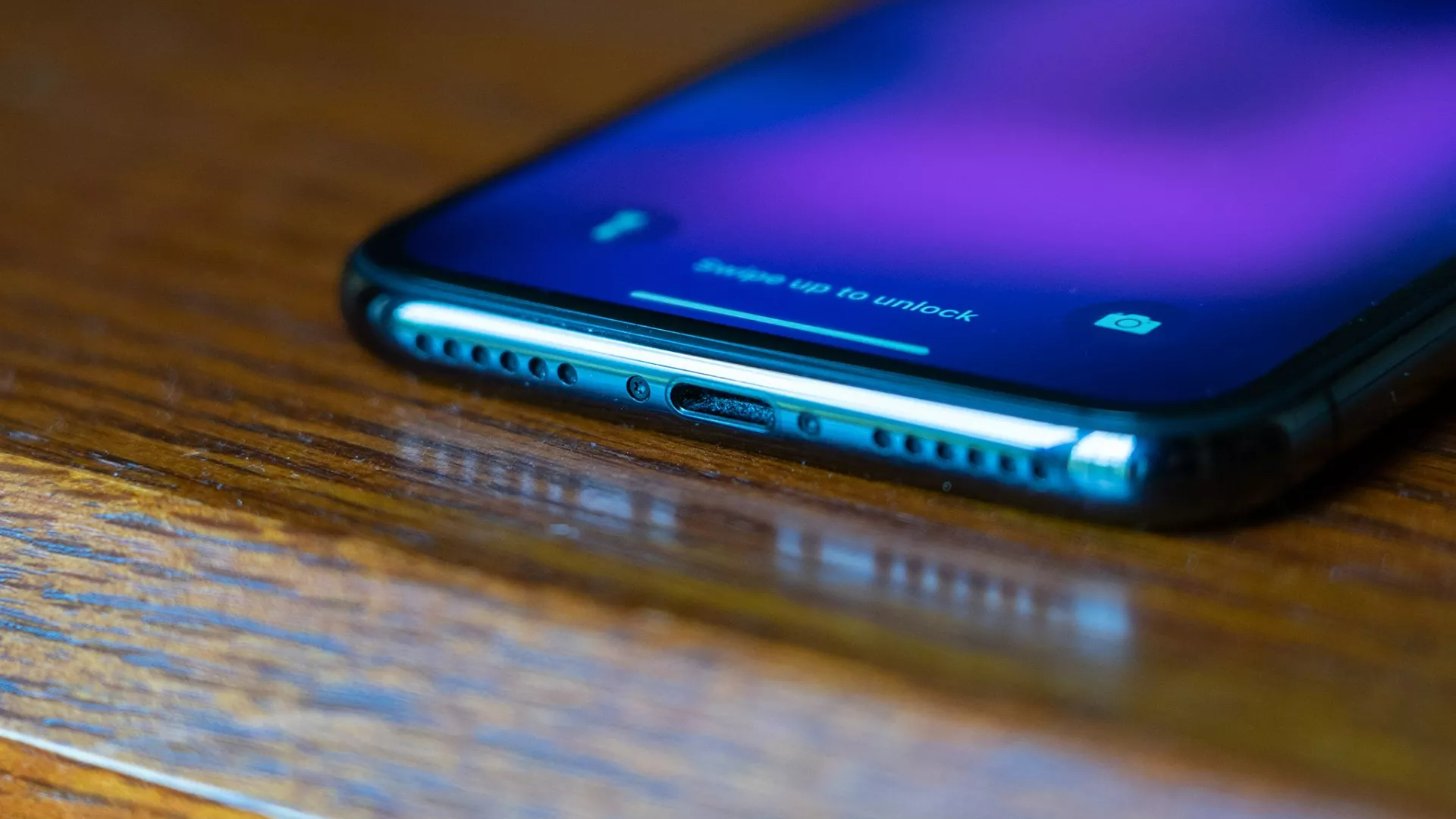
- Durability: Unlike USB-C (which has a fragile "tongue" inside the device port), the Lightning port was essentially a hollowed-out cavity, and the "male" pins were on the cable itself. This made the phone’s port much harder to break.
- All-Digital Interface: By removing analog pins, Apple could shrink the port by 80%, allowing more room for battery capacity and advanced haptic engines.
The Ecosystem Impact
The transition was controversial. Apple sold a "Lightning to 30-pin Adapter" for $29, but it did not support video or analog audio output, frustrating users with expensive high-end speaker docks. This era also saw the birth of the MFi (Made for iPhone) program, where Apple required accessory manufacturers to pay a licensing fee and include a specialized authentication chip inside every cable.

The Second Major Shift: The Move to USB-C (2023)
For eleven years, the Lightning port remained the standard for every iPhone model. However, on September 12, 2023, Apple announced the iPhone 15 series, which finally retired the Lightning port in favor of USB-C.
While Apple had already moved the iPad and Mac to USB-C years earlier, the iPhone remained the last holdout. The transition was driven by two primary factors: technical necessity and the European Union’s Common Charger Directive.
Regulatory Pressure and the EU Mandate
The European Parliament passed a law requiring all small and medium-sized electronic devices to use a common charging port (USB-C) by the end of 2024. The goal was to reduce e-waste by allowing consumers to use a single cable for all their devices. Apple, wanting to maintain a single global product design, implemented the change across the entire iPhone 15 lineup.
Technical Performance Differences
Not all iPhone USB-C ports are created equal. In 2023, Apple introduced a performance tier system that persists in the 2026 market:
- Standard Models (iPhone 15, 15 Plus, 16, etc.): These use USB-C ports limited to USB 2.0 speeds (480 Mbps), which is identical to the speed of the old Lightning connector.
- Pro Models (iPhone 15 Pro, 16 Pro, etc.): These feature a dedicated USB controller that supports USB 3.2 Gen 2, offering data transfer speeds up to 10 Gbps. This is essential for professional videographers transferring large ProRes video files.
The "Hidden" Change: The Power Adapter Transition (2020)
When discussing when the iPhone charger changed, it is vital to distinguish between the port on the phone and the brick that goes into the wall.
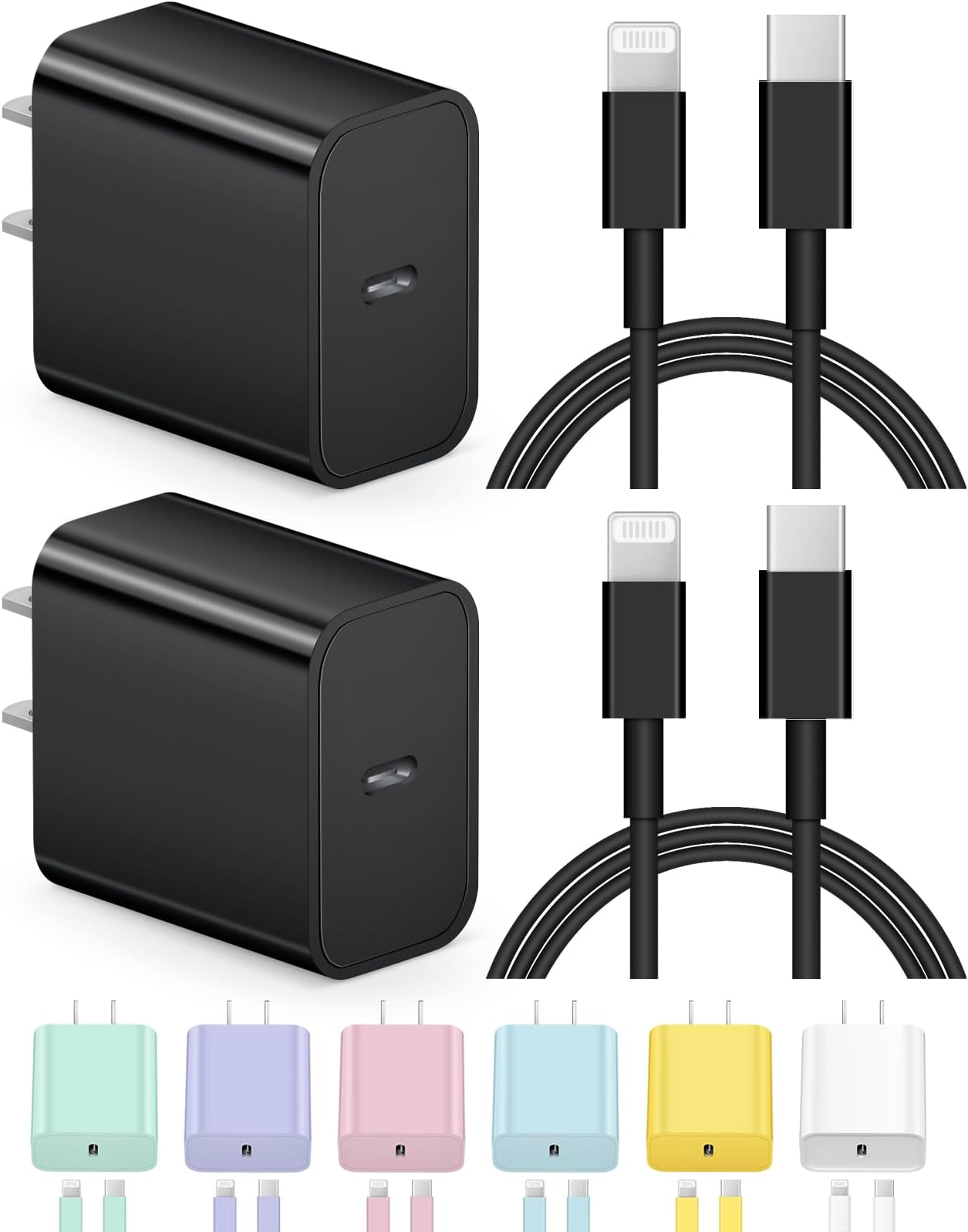
Until 2019, most iPhones shipped with a 5W USB-A power adapter and a USB-A to Lightning cable. The iPhone 11 Pro (2019) was the first to ship with an 18W USB-C "fast charger" in the box.
However, the biggest shift occurred in 2020 with the iPhone 12. Apple announced that, for environmental reasons, it would no longer include a power adapter or EarPods in the box. Instead, users received only a USB-C to Lightning cable. This forced a massive migration of users from old USB-A bricks to newer USB-C Power Delivery (PD) adapters to ensure compatibility with the included cable.
Technical Comparison of iPhone Charger Standards
The following table summarizes the physical and technical specifications of the three eras of iPhone charging connectivity.
| Feature | 30-Pin Dock Connector | Lightning Connector | USB-C (iPhone 15 and Later) |
|---|---|---|---|
| Years Active | 2007 – 2012 | 2012 – 2023 | 2023 – Present (2026) |
| Introduction Device | iPhone (1st Gen) | iPhone 5 | iPhone 15 |
| Physical Design | 30 pins, wide, non-reversible | 8 pins, slim, reversible | 24 pins, oval, reversible |
| Max Data Speed | 480 Mbps (USB 2.0) | 480 Mbps (USB 2.0) | 10 Gbps (Pro) / 480 Mbps (Base) |
| Primary Standard | Proprietary / Analog | Proprietary (MFi) | Universal (USB-IF) |
| Power Output | ~5W - 10W | Up to 27W (PD) | Up to 27W - 30W+ (PD) |
| Audio/Video | Native Analog Out | Digital Only (Needs Adapter) | Digital Only (DisplayPort Alt Mode) |
Wireless Charging and MagSafe Evolution
While physical ports changed in 2012 and 2023, Apple also introduced a parallel charging method: wireless charging. This transition happened in several stages:
- Introduction of Qi (2017): The iPhone 8 and iPhone X were the first to feature glass backs and support the Qi wireless charging standard. This allowed charging via any standard charging pad, though it was limited to 7.5W.
- Introduction of MagSafe (2020): With the iPhone 12, Apple introduced a ring of magnets around the wireless charging coil. This solved the "misalignment" problem of Qi charging and allowed for 15W fast wireless charging.
- Qi2 Support (2023): Starting with the iPhone 15 (and updated via software for iPhone 13 and 14), Apple supported the new Qi2 standard, which is essentially a non-proprietary version of MagSafe.
In the current 2026 landscape, wireless charging has become so efficient that many users rarely use the physical USB-C port, leading to persistent industry discussions about a "portless" iPhone.
Common Pitfalls During Connector Changes
History shows that when Apple changes a connector, users often face specific technical challenges.
Using Older Cables with New Phones
If you have an iPhone 14 or older, your cables are Lightning. If you upgrade to an iPhone 15, 16, or 17, those cables will not fit. You do not necessarily need to buy Apple-branded USB-C cables, but you should ensure they are rated for at least 60W and come from reputable brands to ensure safe Power Delivery (PD) handshakes.
The Wall Adapter Misconception
Many users believe that a "USB-C cable" automatically means "fast charging." This is not true. Fast charging (0% to 50% in about 30 minutes) requires a wall adapter that supports USB-C Power Delivery (USB-PD) and has an output of at least 20W. Using a USB-C to USB-A adapter on an old 5W "cube" will result in very slow charging speeds, regardless of the phone's connector.
Accessory Compatibility
For users with specialized accessories like thermal cameras, microphones, or game controllers (like the older Backbone One) that plug directly into the port, the 2023 shift to USB-C was particularly difficult. These devices generally require a complete hardware replacement or an expensive, bulky adapter that may not support data passthrough.
Frequently Asked Questions
Will my old Lightning cables work with the iPhone 15 or 16?
No, the physical shape of the plug is entirely different. Lightning is a solid tab with exposed pins, while USB-C is a hollow oval. You can purchase a "USB-C to Lightning Adapter" from Apple or third parties if you have expensive Lightning-based accessories you need to keep using, but for simple charging, buying a new USB-C cable is more cost-effective.
Why did Apple wait so long to change to USB-C?
Apple cited several reasons, including the desire to maintain the MFi accessory ecosystem and the belief that the Lightning port's durability was superior for a handheld device. However, the primary catalyst for the change was the European Union's mandate for a universal charging standard, which Apple ultimately decided to adopt globally rather than creating region-specific hardware.
Does the iPhone 15 charge faster because it has USB-C?
Not significantly. While USB-C as a standard can support hundreds of watts, Apple has capped the iPhone's charging speed at approximately 27W to 30W to preserve battery health over time. The main speed benefit of USB-C on the iPhone is for data transfer (on Pro models) rather than raw charging speed.
Can I use my MacBook or iPad charger on my iPhone?
Yes. One of the greatest benefits of the post-2023 change is that you can use a high-wattage MacBook USB-C power brick to charge your iPhone. The iPhone’s internal charging circuitry will only "draw" the power it can safely handle (usually around 20W–27W), so you do not need to worry about damaging the battery with a 96W or 140W charger.
Is the 30-pin charger still used anywhere?
As of 2026, the 30-pin connector is considered a "legacy" technology. It hasn't been used in a new Apple mobile product since the iPad (4th generation) and the iPhone 4S. It is mostly found in the vintage electronics market or in older car integration kits that haven't been updated.
Summary of Recommendations
If you are navigating the current iPhone landscape in 2026, the best approach to charging is standardization. If you are using an iPhone 15 or newer, invest in high-quality USB-C to USB-C cables and at least one 30W USB-C PD wall adapter. This combination ensures you get the fastest possible charging speeds and the ability to use the same cable for your phone, tablet, and laptop. For those still on the Lightning platform (iPhone 14 and earlier), it is advisable to begin transitioning your wall adapters to USB-C versions, as these will be compatible with your next device upgrade.
Image Gallery
Select an image to open it in a new tab.




Mateo Castillo
Decentralized Finance and E-Payments Strategist
