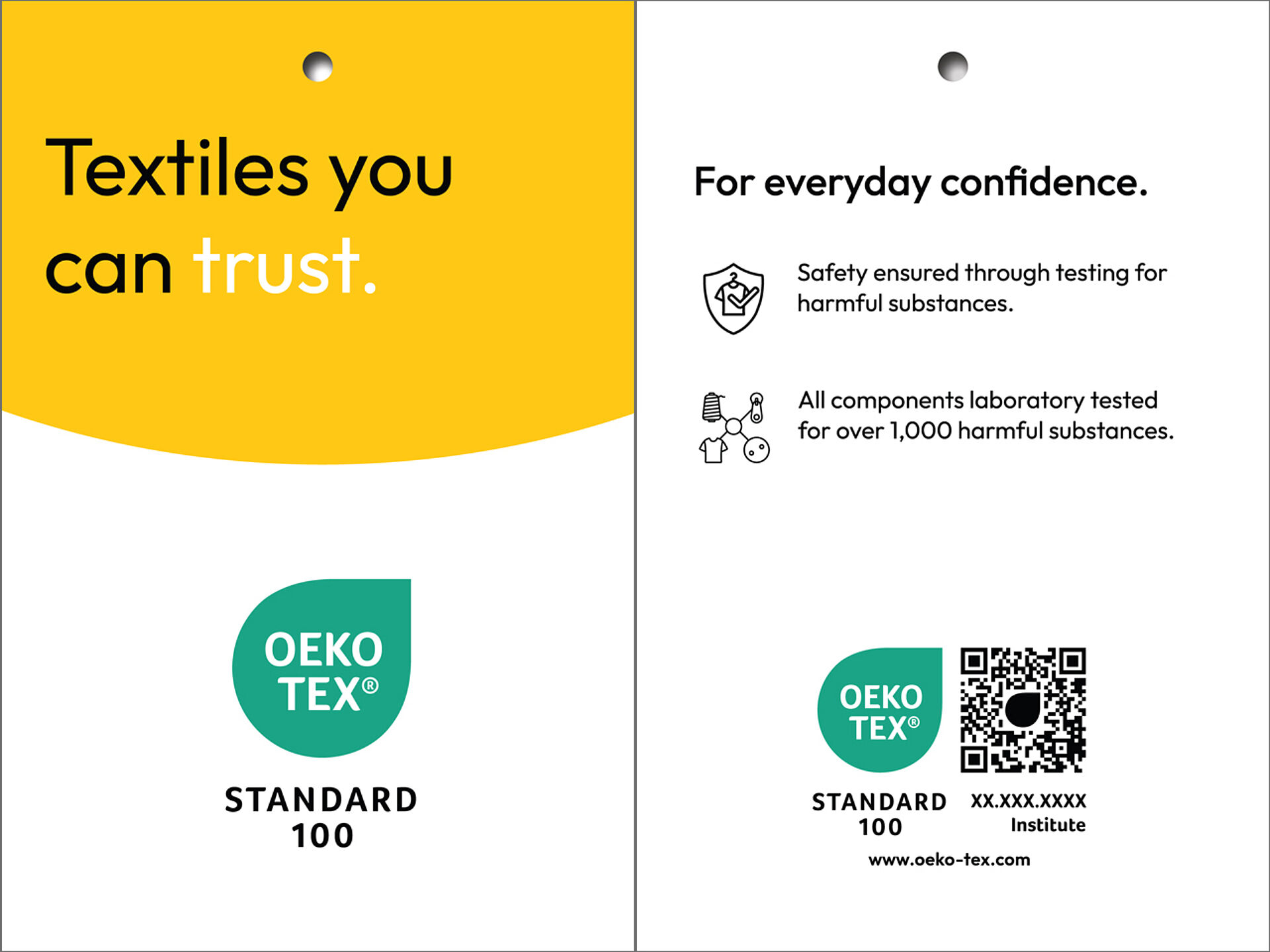
The OEKO-TEX Standard 100 is a globally recognized independent testing and certification system for textile products. It ensures that every component of an item—from threads and buttons to the fabric itself—has been rigorously tested for harmful substances, confirming the product is harmless to human health based on the latest scientific criteria.
Textile manufacturing is a complex global process involving thousands of synthetic and natural chemicals. As consumers become increasingly health-conscious, labels on clothing and home textiles often feature certifications that promise safety. Among these, the OEKO-TEX Standard 100 is perhaps the most ubiquitous. Understanding this certification requires looking beyond the label to examine the testing protocols, the scope of the substances monitored, and what the certification does—and does not—guarantee about a product.
The Origin and Purpose of OEKO-TEX
The OEKO-TEX Association was founded in 1992 as an international organization of independent textile research and test institutes. The primary catalyst for its creation was the need for a uniform safety standard that consumers could easily identify. Before the existence of such a standard, textile companies often used internal testing methods, leading to a lack of transparency and varying degrees of safety across the global market.
The "Standard 100" was developed to bridge this gap. Its goal is to shift the responsibility of safety testing from the individual consumer to the manufacturer. By placing the burden of proof on the industry to prove their products are free of harmful levels of toxins, the organization created a safety benchmark that has since become a prerequisite for many global retailers and a mark of quality for discerning shoppers.
What Specifically Is Tested?
The OEKO-TEX Standard 100 is not a single test but a comprehensive catalog of parameters. The testing criteria are updated annually to reflect new scientific knowledge and statutory requirements. The substances tested include, but are not limited to:
- Prohibited Azo Colorants: Chemicals used in dyes that can release carcinogenic aromatic amines.
- Formaldehyde: Often used to improve crease resistance, this substance is a known irritant and potential carcinogen.
- Heavy Metals: Substances like cadmium, lead, mercury, and arsenic are checked to ensure they do not leach into the skin.
- Pesticides and Phenols: Residues from the agricultural phase of natural fiber production.
- Phthalates: Plasticizers often found in prints or synthetic components that can disrupt endocrine functions.
- Organotin Compounds: Often used as biocides or catalysts, these can be harmful to the immune system.
Importantly, the certification covers the "entire" product. This means that if a shirt is certified, not only the fabric must meet the standards, but also the zipper, the buttons, the sewing thread, and the dye. If a single component fails the chemical analysis, the entire product cannot receive the certification.
The Four Product Classes
Not all textiles have the same level of human contact or the same risk profile. To account for this, the OEKO-TEX Standard 100 categorizes products into four distinct classes. The requirements for each class differ based on the intensity of skin contact and the vulnerability of the user.
| Product Class | Description | Sensitivity Level |
|---|---|---|
| Product Class I | Articles for babies and toddlers up to 3 years. | Highest |
| Product Class II | Articles with direct skin contact (e.g., shirts, bedding, towels). | High |
| Product Class III | Articles without direct skin contact (e.g., jackets, coats). | Medium |
| Product Class IV | Furnishing materials (e.g., curtains, upholstery, tablecloths). | Low |
For instance, a baby’s onesie (Class I) is held to a much stricter limit for chemical residues than a decorative curtain (Class IV), as infants are more susceptible to the absorption of substances through the skin or via oral contact.
The Certification Process and Verification
Obtaining the OEKO-TEX Standard 100 certification is a rigorous procedure. A manufacturer must provide the testing institutes with representative samples of their production. These samples undergo laboratory testing conducted by one of the authorized OEKO-TEX member institutes.
Verification is not a "set it and forget it" process. Certification is typically valid for 12 months, after which the manufacturer must reapply and provide new samples for testing. Furthermore, the organization reserves the right to conduct unannounced product audits at the manufacturer’s facility or to purchase products from retail shelves for "blind" testing. This ensures that the samples submitted during the initial application are representative of the actual goods sold to the public.
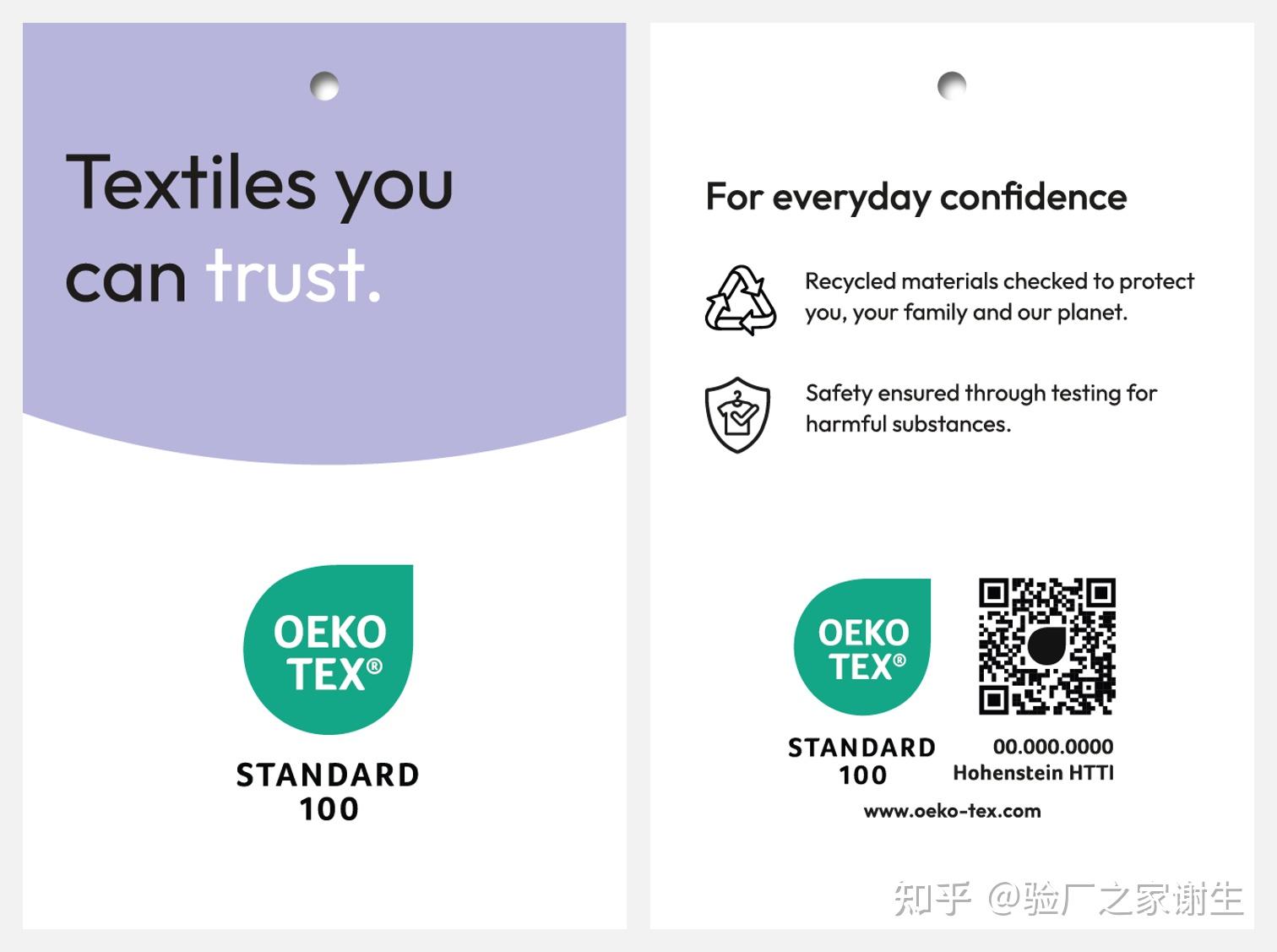
To verify a specific product, consumers can use the OEKO-TEX Label Check tool on the official website. By entering the unique serial number found on the product’s label, users can confirm the validity of the certificate, the name of the company that holds it, and the scope of the certification.
OEKO-TEX vs. Organic Certifications
One common point of confusion is the difference between "OEKO-TEX" and "Organic" labels like GOTS (Global Organic Textile Standard). It is vital to understand that these certifications measure different things:
- OEKO-TEX Standard 100: Focuses strictly on chemical safety. A product can be made from 100% conventional, non-organic cotton and still be OEKO-TEX certified, provided it has been processed without harmful chemical residues.
- Organic Standards (GOTS): Focuses on the entire supply chain, including environmental criteria (water usage, wastewater treatment) and social criteria (fair labor practices), alongside organic farming requirements.
An item can be OEKO-TEX certified without being organic, and an item can be organic without necessarily holding an OEKO-TEX certificate. However, many high-end sustainable brands choose to obtain both to demonstrate both ecological responsibility and chemical safety.
Limitations and Practical Considerations
While the Standard 100 is a powerful tool for consumer safety, it does have limitations that users should recognize:
- Not a Performance Guarantee: The certification does not guarantee that the product will not shrink, fade, or fall apart. It is a health safety mark, not a quality or durability mark.
- No Environmental Scope: As mentioned, the Standard 100 does not account for the carbon footprint, water consumption, or chemical disposal practices of the factory. If you are looking for products that are "green" or environmentally friendly, the Standard 100 should only be part of your evaluation.
- No Social Compliance: The certification does not verify that the factory workers were paid a living wage or worked in safe conditions. For social accountability, you should look for certifications like Fair Trade or SA8000.
Frequently Asked Questions
Does OEKO-TEX Standard 100 mean a product is 100% natural? No. A product can be made of synthetic materials like polyester or nylon and still carry the OEKO-TEX Standard 100 label. The label signifies that the synthetic fibers and any finishes (like anti-wrinkle or moisture-wicking treatments) have been tested and found to be free of harmful chemical residues.
Can I wash off harmful chemicals if a product isn't certified? While washing new clothes before wearing them is a standard recommendation to remove dust or excess dye, it is not a cure-all for chemical residues. Some chemicals used in textile processing are designed to be durable or are bonded to the fiber. If a garment contains harmful levels of toxins, washing it might not effectively neutralize or remove them.
What should I do if I find a label that says "OEKO-TEX tested" but has no number? You should be cautious. The OEKO-TEX label must always display a unique certificate number and the name of the testing institute. If a tag says "tested" without these details, it is likely a marketing claim rather than a verified certification. You can ask the retailer for the certificate number to verify it on the official OEKO-TEX website.
Does the certification cover all potential chemicals? The Standard 100 covers a massive list of chemicals, but it is impossible to test for every single substance on Earth. The association updates its list annually based on the latest REACH regulations and other international safety standards. It focuses on substances that pose a known, proven, or suspected risk to human health.
Is an OEKO-TEX certification expensive for the manufacturer? The cost of certification depends on the complexity of the product and the number of components tested. Manufacturers pay for the testing and the annual license. While this is an added operational cost, many manufacturers see it as a necessary investment to access international markets, as many large retail chains require this certification as a baseline for vendors.
Final Recommendation
When shopping for textiles, treat the OEKO-TEX Standard 100 as your "safety baseline." It is a reliable indicator that the item you are buying has been scrutinized for health-related chemical risks. If your goal is to minimize your family’s exposure to toxins, prioritize items carrying this label, especially for items in direct contact with skin, such as bedding, underwear, and children’s clothing. If your priorities extend to environmental impact and labor rights, look for the OEKO-TEX label in combination with other reputable certifications like GOTS or Fair Trade to ensure a holistic approach to your purchasing decisions.
Image Gallery
Select an image to open it in a new tab.


Akira Tanaka
International Academic Trends Correspondent
