
The best way to file an auto insurance claim is to prioritize documentation at the scene, verify your specific policy coverage, and report the incident through your insurer’s official digital portal or mobile application. By immediately gathering evidence, including police reports, photographic proof, and witness information, you create a verified foundation that minimizes processing delays and maximizes the likelihood of a successful claim outcome.
Immediate Actions Following an Incident
The moments immediately following an auto accident are critical. Before you concern yourself with the administrative side of filing a claim, your primary focus must be safety and legal compliance. First, ensure everyone involved is safe. If there are injuries, prioritize calling emergency services over documenting the scene.
Once safety is established, move your vehicle to a safe location if possible and if it does not violate local traffic laws. If the vehicle is disabled or the accident involves significant damage, wait for law enforcement. In most jurisdictions, a police report is the single most valuable piece of evidence you can provide to an insurer. Even if the accident seems minor, having a formal record filed by an officer creates an objective account that helps prevent future disputes regarding liability.
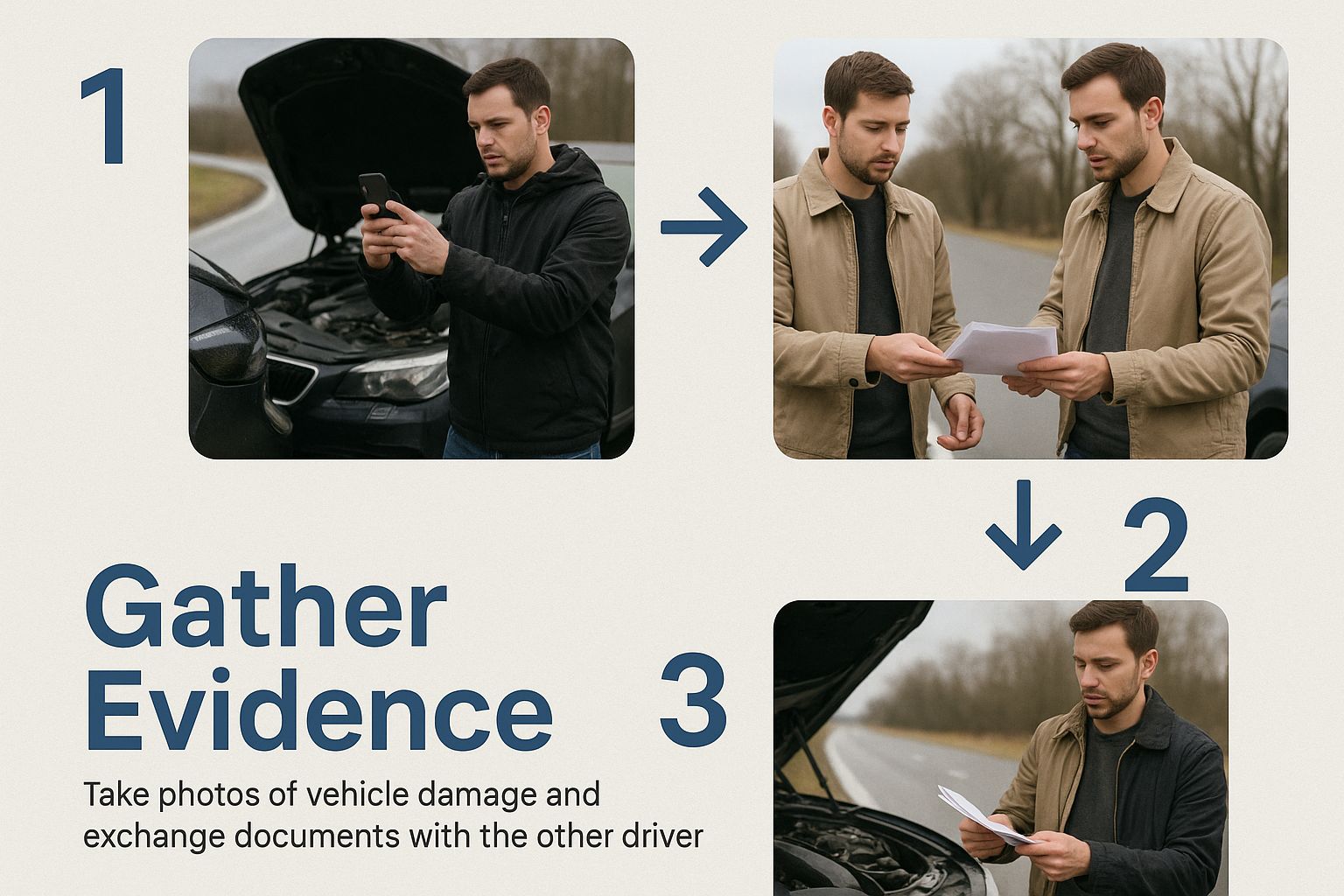
While waiting for authorities or exchanging information, begin your documentation process. Use your smartphone to capture high-quality photos of the damage to all vehicles involved, the position of the cars on the road, traffic signals, road signs, and any skid marks. Do not admit fault or make definitive statements about the accident to the other party; stick to the facts and exchange contact information, insurance company names, and policy numbers.
Preparing to File: Policy Verification
Before initiating the formal claim process, review your auto insurance policy document. Modern insurance contracts are complex, and understanding your specific declarations page is essential. Identify your deductible amount, which is the out-of-pocket cost you must pay before your insurer contributes funds for repairs.
You should also verify your coverage types. Liability coverage protects you if you are at fault and cause damage to others, while collision coverage handles repairs to your own vehicle regardless of fault. Comprehensive coverage is separate and generally applies to non-collision incidents such as theft, vandalism, or weather damage. Knowing whether you have rental car reimbursement or "gap insurance"—which covers the difference between your car’s actual cash value and your loan balance—will prevent surprises during the claims process.
The Digital Claims Submission Process
In 2026, the most efficient way to file an insurance claim is through your insurer’s proprietary mobile app or online customer portal. Digital filing systems offer several advantages: they create a time-stamped record of your submission, allow for the instant upload of evidence, and typically assign a claim number to your case within minutes.
When logging into your account to submit the claim, you will be prompted to provide the following information:
- The Date, Time, and Exact Location: Precise details help the insurer’s adjusters verify road conditions and local geography.
- The Claim Narrative: Write a clear, objective account of what happened. Avoid speculation or emotional language; focus on the "who, what, where, and when."
- Evidence Upload: Attach all photographs and the police report number if available.
- Third-Party Details: Provide the contact information for other drivers and any witnesses who may have been present.
Understanding the Role of the Insurance Adjuster
Once your claim is submitted, your insurance company will assign an adjuster to your file. The adjuster acts as the bridge between your account of the incident and the policy terms. Their job is to inspect the damage, confirm that the repair costs align with market rates, and determine the liability based on the evidence provided.
Do not be discouraged if the adjuster asks for additional information. This is a standard part of the investigative process. They may request a more detailed statement or a secondary inspection of the vehicle. To facilitate a faster turnaround, respond to these requests promptly. If you disagree with their assessment, you have the right to request a second opinion or provide additional evidence that supports your claim.
Comparison of Claim Submission Methods
| Method | Primary Benefit | Turnaround Time | Requirement |
|---|---|---|---|
| Mobile App | Real-time tracking | Fastest | Smartphone & Internet |
| Online Portal | Detailed documentation | Fast | Desktop/Laptop access |
| Phone Call | Immediate human guidance | Moderate | Prepared notes/facts |
| Agent Assistance | Personalized advocacy | Varies | Known agent relationship |
Troubleshooting Common Claim Challenges
Sometimes, the claims process does not go as smoothly as expected. A common hurdle is "liability dispute," where the other party’s insurance provider denies responsibility. If this happens, your insurer may initiate a subrogation process—a legal mechanism where your insurance company pays for your repairs and then pursues the at-fault party’s insurer for reimbursement.
Another common issue involves repair estimates. You are usually entitled to choose your own repair shop, but the insurer may have "preferred" shops that offer guaranteed warranties on work performed. If your chosen shop provides an estimate higher than what the insurer suggests, talk to the adjuster. Most insurers will bridge the gap if you can provide a detailed justification for the additional costs, such as the use of Original Equipment Manufacturer (OEM) parts versus aftermarket parts.
Frequently Asked Questions
How long do I have to file an auto insurance claim? Most states have a statute of limitations that dictates when you can file a claim, but your insurance policy often imposes a much tighter window. It is recommended to file as soon as possible, ideally within 24 to 48 hours, to ensure evidence remains fresh and memories are accurate.
Will my premiums increase if I file a claim? Whether your premiums increase depends on your specific policy, your driving history, and who was at fault. If the accident was not your fault, many insurance carriers have policies that protect your current rate. Check your "accident forgiveness" status in your policy documents to see if this protection applies to you.
Can I file a claim for a minor accident? You have the right to file a claim for any damage covered by your policy. However, if the cost of repairs is lower than your deductible, there is little financial benefit to filing. Calculate your out-of-pocket costs before engaging the claims process to avoid an unnecessary claim on your history.
What happens if the other driver doesn't have insurance? If you have Uninsured Motorist Property Damage (UMPD) coverage, your insurance will handle the repairs just as if the other party were insured. Without this specific coverage, you may be forced to pay your deductible and rely on your collision coverage or pursue the other driver through small claims court.
Do I need a lawyer to file an insurance claim? For standard vehicle damage, a lawyer is rarely necessary. However, if the accident involved significant bodily injury or a complicated liability dispute where you are being unfairly blamed, a legal consultation may be warranted to protect your rights.
Next Steps for Policyholders
The best approach to handling an auto insurance claim is to treat it as a formal business transaction. Start by creating a dedicated folder—digital or physical—where you store the police report, all communication with your adjuster, repair estimates, and receipts for any incidental expenses like rental car fees. By maintaining organization and transparency, you significantly improve the efficiency of the resolution process. If you have not reviewed your policy in the last twelve months, take the time this week to familiarize yourself with your coverage limits and your insurer’s specific digital claims procedures before you ever need to use them.

Image Gallery
Select an image to open it in a new tab.



Declan O'Connor
Higher Education and Campus Culture Reporter
