Signing Over Life Insurance to a Funeral Home: How an Insurance Assignment Funds a Prepaid Contract
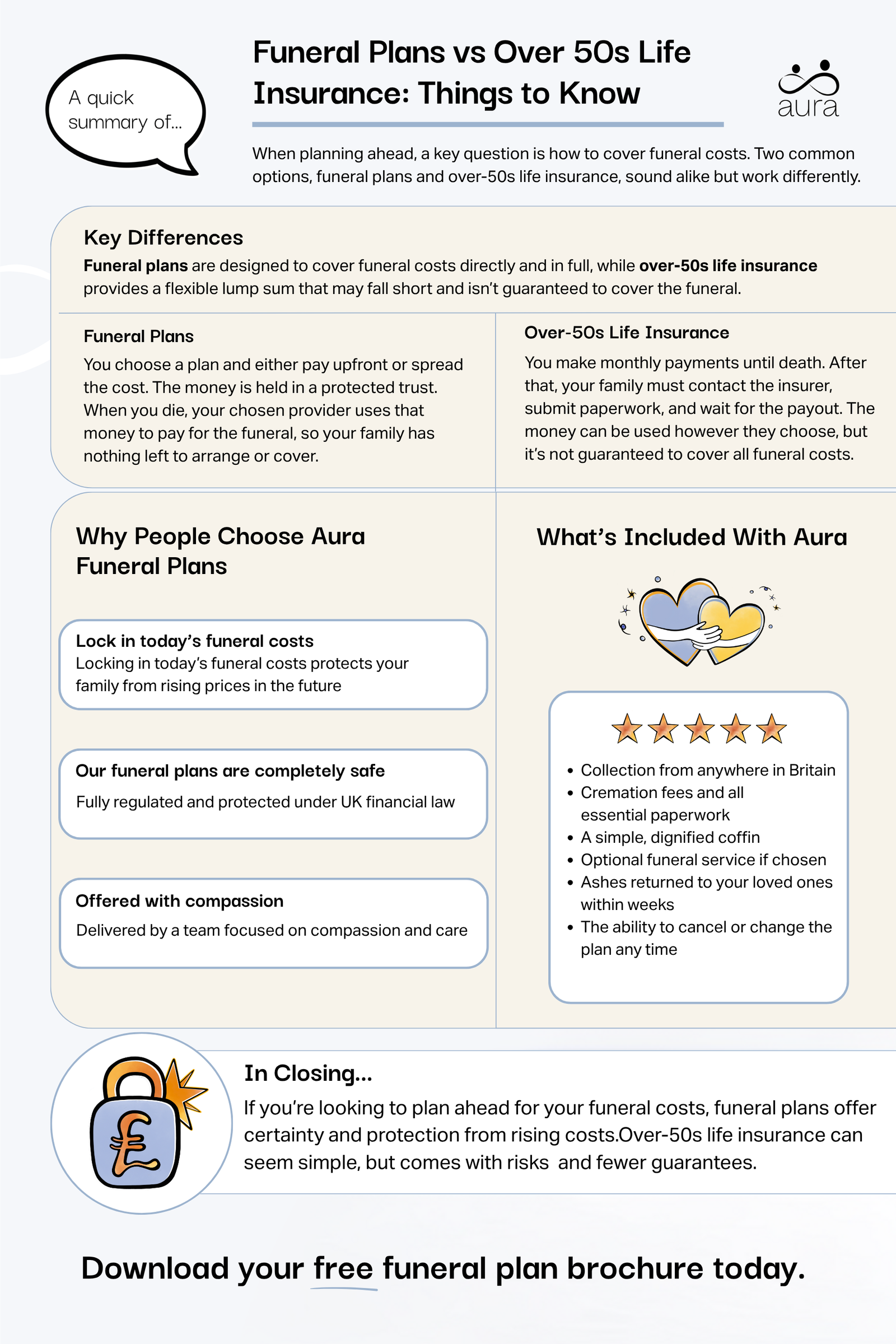
Signing over a life insurance policy to a funeral home involves executing a legal document called an Assignment of Benefits. This process transfers the right to receive policy proceeds to the funeral home to pay for a prepaid funeral contract. It ensures that funds are immediately available for final expenses while potentially protecting assets for Medicaid eligibility.
Understanding the Mechanism: What Does It Mean to "Sign Over" Life Insurance?
In the context of 2026 estate and end-of-life planning, "signing over" a policy does not usually mean changing the ownership of the policy while you are alive. Instead, it refers to a legal insurance assignment. When you enter into a prepay contract with a funeral home, you are essentially designating the funeral home as a primary or partial beneficiary for the specific purpose of covering your service costs.
The legal instrument used is an Assignment of Benefits form. This document instructs the insurance company to pay the funeral home directly upon the death of the insured. This bypasses the traditional probate process and prevents the delay that occurs when a family must wait for a death certificate, file a claim, and receive a check before they can pay for the funeral.
By signing this assignment, you link a liquid financial asset—your life insurance death benefit—to a specific service agreement. This creates a "funded" pre-need contract. Without the assignment, a pre-need contract is merely a statement of wishes; with the assignment, it becomes a secured financial arrangement.
The Relationship Between the Insurance Policy and the Prepay Contract
It is vital to distinguish between the life insurance policy and the prepay contract (also known as a pre-need agreement). They are two separate legal entities that work in tandem.
- The Life Insurance Policy: This is the financial vehicle. It is a contract between you and an insurance company where you pay premiums in exchange for a death benefit.
- The Prepay (Pre-need) Contract: This is a service agreement between you and a funeral provider. It lists the specific items you want, such as a particular casket, cremation services, transportation, or a burial plot.
When you sign over the insurance, the policy becomes the "wallet" that pays for the "shopping list" defined in the prepay contract. In 2026, many funeral homes use digital platforms to link these two, allowing for real-time updates on policy values versus service costs.

Types of Pre-Need Contracts Funded by Life Insurance
Not all prepay contracts are created equal. When you sign over your insurance, the type of contract you choose determines how inflation and excess funds are handled.
Guaranteed vs. Non-Guaranteed Contracts
In a guaranteed contract, the funeral home agrees to provide the selected services at today’s prices, regardless of when death occurs. If you sign over a $10,000 policy for a $10,000 funeral, and 15 years from now that funeral costs $15,000, the funeral home absorbs the loss.
In a non-guaranteed contract, the funeral home applies the insurance proceeds toward the final bill at the time of death. If the policy has grown to $12,000 but the funeral costs have risen to $14,000, your estate or family will be responsible for the $2,000 deficit. Most modern assignments prefer guaranteed contracts for "service items" (professional fees) while keeping "cash advance items" (obituaries, flowers, death certificates) non-guaranteed.
Revocable vs. Irrevocable Assignments
This distinction is perhaps the most critical for long-term care planning.
- Revocable Assignment: You can change your mind, cancel the contract, or move the assignment to a different funeral home. This provides flexibility but means the policy is still considered an "available asset" by government agencies.
- Irrevocable Assignment: Once signed, you cannot cancel the contract or take back the money. In 2026, this remains a primary tool for Medicaid spend-down. Because you no longer "own" the value of the policy (as it is legally bound to the funeral home), it generally does not count toward the $2,000 asset limit for Medicaid eligibility.
The Legal and Financial Process of Assignment
The process of signing over a policy is structured to protect all parties involved. It typically follows a specific sequence to ensure the assignment is valid and the insurance carrier recognizes the funeral home's claim.
Step 1: Policy Verification
The funeral director will first verify that the life insurance policy is "in force" and is assignable. Some policies, particularly certain group policies or older "industrial" policies, may have clauses that prohibit assignment. The funeral home will contact the insurance company to confirm the current death benefit and whether any loans are outstanding against the policy's cash value.
Step 2: Executing the Assignment Form
You will sign a document—often provided by a third-party assignment company or the insurer itself—stating that you assign a specific dollar amount (or the entire benefit) to the funeral home. This document must be notarized in many jurisdictions.
Step 3: The Role of the Third-Party Processor
Many funeral homes in 2026 do not handle the insurance claim themselves. They use "assignment companies" that verify the policy, advance the funds to the funeral home immediately upon death (for a small percentage fee), and then wait for the insurance company to pay them back. This ensures the funeral home can perform the service without financial risk.
Medicaid Eligibility and the Irrevocable Funeral Trust
For many individuals, signing over life insurance is a strategic move to qualify for Medicaid. In most states, if you have a life insurance policy with a cash value exceeding $1,500, that cash value is counted as an asset. If you are trying to qualify for nursing home care, this can disqualify you.
By signing the policy over to a funeral home through an irrevocable assignment or placing it into an Irrevocable Funeral Trust (IFT), you convert a countable asset into an excluded one. This allows you to set aside funds for your final wishes while still meeting the strict financial requirements of state assistance programs. It is important to note that the assignment must be "irrevocable" to be excluded from the asset count.
Comparison of Funding Methods for Pre-Need Contracts
| Feature | Life Insurance Assignment | Pre-Need Insurance (Direct Purchase) | Funeral Trust (Cash-Funded) |
|---|---|---|---|
| Source of Funds | Existing whole or universal life policy. | New policy purchased at funeral home. | Cash or liquidated assets. |
| Portability | High; can often be reassigned to a new home. | Moderate; depends on the carrier. | High; usually follows the person. |
| Medicaid Status | Excluded if Irrevocable. | Excluded if Irrevocable. | Excluded if Irrevocable. |
| Growth Potential | Based on original policy terms (dividends/interest). | Usually fixed growth to match inflation. | Interest-based; often lower yields. |
| Ease of Setup | Requires coordination with existing insurer. | Simple; handled by funeral director. | Requires legal/bank setup or specialized trust. |
Common Pitfalls and How to Avoid Them
While signing over a policy is a standard practice, several issues can arise if the process isn't handled with care.
The "Excess Funds" Issue
If your life insurance policy is worth $20,000 but the funeral only costs $12,000, what happens to the remaining $8,000? If the assignment is revocable, the excess typically goes to the secondary beneficiaries listed on the policy. However, if the assignment is irrevocable (especially for Medicaid purposes), many state laws require that any excess funds be paid to the state's Medicaid recovery office to offset the costs of care provided during your lifetime.
Policy Loans and Interest
If you have taken a loan against your whole life policy's cash value, that amount is deducted from the death benefit. If you sign over a $10,000 policy but owe $4,000 in loans, the funeral home will only receive $6,000. It is crucial to get a "Current Value" statement before finalizing the prepay contract.
Lapsed Policies
If you stop paying premiums on the policy after signing it over, the policy will lapse, and the funeral home will have no funding. Some families mistakenly believe that "signing it over" means the funeral home takes over the premium payments. This is almost never the case. You remain responsible for keeping the policy active unless it is a "paid-up" policy.
Technical Requirements for the Assignment in 2026
To ensure the insurance company honors the assignment, the following technical details must be present on the paperwork:
- Policy Number and Carrier Name: Accuracy is paramount.
- Specific Assignee Information: The legal name and Tax ID (EIN) of the funeral home.
- Irrevocability Clause: If intended for Medicaid, the specific language stating the assignment cannot be undone must be present.
- Beneficiary Acknowledgement: In some states, if the current beneficiary is "irrevocable," they must also sign off on the assignment.
Frequently Asked Questions
Can I change funeral homes after I have signed over my life insurance?
If the assignment is revocable, you can generally change the funeral home at any time by notifying the insurance company and the original funeral home. If the assignment is irrevocable, you can still change funeral homes, but the funds must stay within a funeral-related vehicle. You would execute a "Transfer of Assignment" to the new funeral provider; you cannot, however, liquidate the policy for cash.
What happens if the funeral home goes out of business?
State laws and consumer protection funds generally protect prepay contracts. If you assigned a policy to a funeral home that closes, the insurance policy remains yours (or remains a valid asset). You would simply notify the insurance company to update the assignment to a different, active funeral home.
Is the funeral home allowed to charge a fee for processing the assignment?
Yes. Many funeral homes charge an "Insurance Processing Fee" or "Assignment Fee." This covers the administrative costs of verifying the policy, filing the claim, and potentially paying a third-party company to advance the funds. In 2026, these fees typically range from $250 to $500 or a small percentage of the policy value.
Can I sign over a term life insurance policy?
While technically possible, most funeral homes are hesitant to accept term life assignments. Term insurance has no cash value and expires at the end of the term. If you outlive the term, the "funding" for the funeral disappears. Most prepay contracts require permanent (Whole or Universal) life insurance.
Does signing over my policy cover everything?
Only if the prepay contract says it does. The insurance is just money; the contract defines the services. You must ensure that the "Total Estimated Charges" in the contract do not exceed the "Assigned Amount" of the insurance. If there is a gap, your family will be billed for the difference.
Next Steps and Recommendations
If you are considering signing over a life insurance policy to a funeral home in 2026, your first step should be to request a "Verification of Benefits" from your insurance company. This document will tell you exactly how much the policy is worth today and if it is eligible for assignment.
Once you have that information, schedule a consultation with a licensed funeral director. Bring your policy details and ask specifically about guaranteed pricing options. If your primary goal is Medicaid qualification, ensure you consult with an elder law attorney or a qualified Medicaid planner to ensure the irrevocable language used in the assignment meets your state’s specific regulatory requirements.
Finally, ensure your family or executor has a copy of the assignment and the prepay contract. The greatest benefit of this arrangement is the peace of mind it provides your loved ones—but that benefit is only realized if they know the plan exists and where the documents are located.
Image Gallery
Select an image to open it in a new tab.


Mateo Castillo
Decentralized Finance and E-Payments Strategist
