Mufasa: The Lion King – A Comprehensive Guide to the 2024 Cinematic Prequel

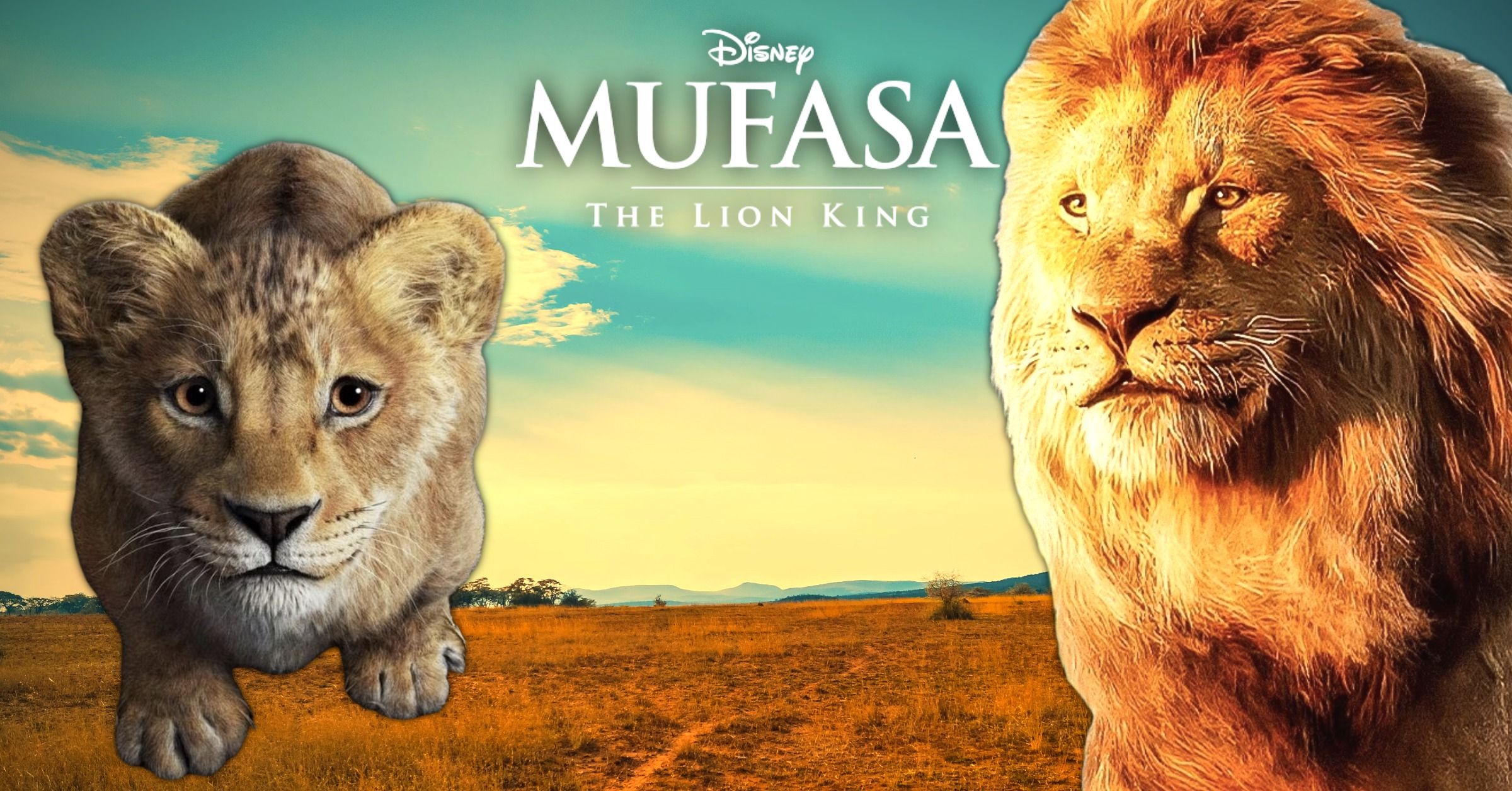
Mufasa: The Lion King is a photorealistic computer-animated musical drama film that serves as a prequel to the 2019 reimagining of The Lion King. Directed by Barry Jenkins, the film explores the formative years of Mufasa, tracing his journey from an orphaned cub to his eventual ascension as the King of the Pride Lands, while simultaneously framing his story through a narrative lens involving his descendants.
Historical Context and Production Scope
Released in December 2024, Mufasa: The Lion King represents a significant evolution in the franchise’s visual storytelling. Building upon the technical framework established by director Jon Favreau in the 2019 photorealistic remake, this installment shifted the creative focus toward character-driven development rather than a direct beat-for-beat adaptation of the 1994 animated classic.
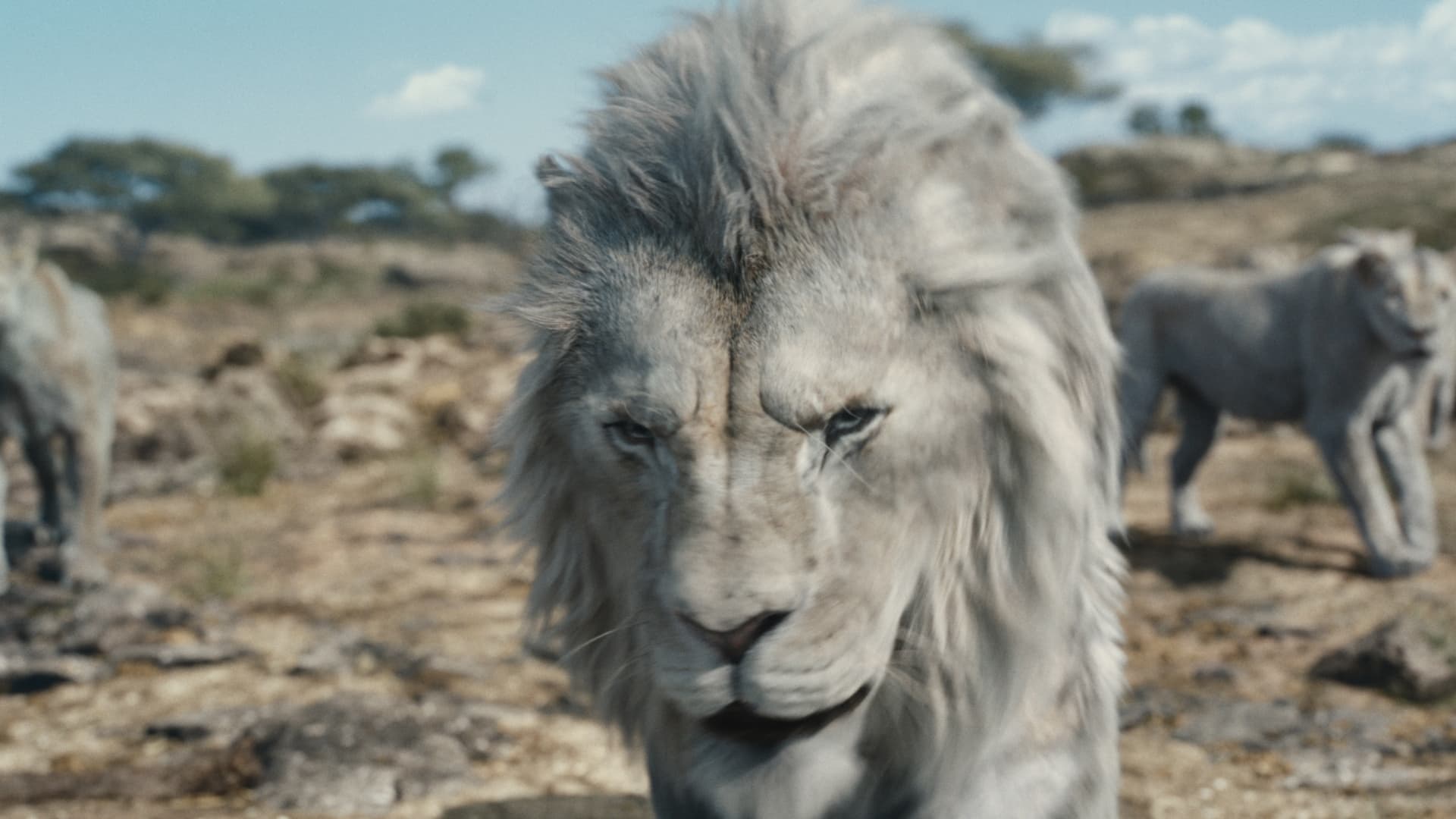
The production utilized advanced virtual production techniques, integrating high-fidelity motion capture with sophisticated environment rendering to maintain the "nature documentary" aesthetic that defined its predecessor. By choosing Barry Jenkins—known for his nuanced, character-centric approach in films like Moonlight—Disney aimed to ground the mythos of the Pride Lands in a more emotionally resonant origin story. This project was conceptualized to answer long-standing audience questions regarding the relationship between Mufasa and his brother, Scar (originally known as Taka), providing a definitive account of the events that led to their eventual estrangement.
Narrative Structure and Plot Overview
The film employs a frame narrative structure. Rafiki, the shaman of the Pride Lands, tells the story of Mufasa’s early life to Kiara, the daughter of Simba and Nala. This narrative device serves two purposes: it creates a direct link to the established timeline of the 2019 film while allowing the audience to view the past through the interpretive lens of the elderly mandrill.
The core of the story focuses on Mufasa as an abandoned cub who finds companionship in Taka, a prince of a fallen pride. The screenplay details their shared survival in the harsh landscapes outside the Pride Lands and the development of their bond. As the story progresses, the film shifts from a traditional "hero's journey" to a tragic exploration of how ideological differences and external pressures eventually fracture their brotherhood. This shift offers a psychological depth rarely seen in the earlier iterations of the property, focusing on the burdens of leadership and the corrosiveness of jealousy.
Technical and Visual Execution
Technically, Mufasa: The Lion King pushed the limits of the proprietary engine utilized by Disney and MPC (Moving Picture Company). Because the characters are rendered as realistic animals, the animators faced the challenge of conveying complex human-like emotions—such as grief, betrayal, and longing—without violating the physical constraints of lions and other savannah wildlife.
The film relies heavily on:
- Volumetric Lighting: To capture the atmospheric conditions of the African savanna at different times of the day, significantly enhancing the sense of scale.
- Muscle Simulation: Improved algorithms were used to simulate how fur and skin interact with muscles during movement, particularly during intense sequences like hunts or confrontations.
- Environmental Artistry: The backgrounds were meticulously crafted to serve as an extension of the character’s emotional state, a technique often utilized in live-action cinema but rarely to this scale in fully digital productions.
Comparative Analysis: The Franchise Landscape
To understand the position of Mufasa: The Lion King within the broader franchise, one must consider how it contrasts with both the original hand-drawn film and the 2019 remake. The following table highlights the distinct approaches taken by each iteration.
| Feature | The Lion King (1994) | The Lion King (2019) | Mufasa: The Lion King (2024) |
|---|---|---|---|
| Animation Style | 2D Hand-Drawn | Photorealistic CGI | Photorealistic CGI |
| Primary Theme | Coming of Age | Legacy and Order | Brotherhood and Origin |
| Director | Allers & Minkoff | Jon Favreau | Barry Jenkins |
| Narrative Focus | Simba’s Journey | Direct Adaptation | Prequel / Character Study |
| Tone | Broadway-inspired | Nature Documentary | Epic Drama |
The Music and Soundscape
The musical score for Mufasa: The Lion King is a collaborative effort involving Lin-Manuel Miranda, Lebo M., and Mark Mancina. Unlike the original film, which relied heavily on the iconic songs composed by Elton John and Tim Rice, this prequel introduces new compositions intended to reflect the cultural influences of the regions Mufasa traverses.
The sound design is characterized by an emphasis on ambient audio. By isolating the sounds of the environment—wind through the grass, the distant calls of other animals, and the subtle shifts in climate—the film creates an immersive experience that keeps the viewer grounded in the "nature documentary" style. The integration of traditional African percussion with orchestral swells helps define the geographical shifts as Mufasa journeys further from his birthplace.
Challenges and Critiques
Upon its release, the film faced scrutiny regarding the "uncanny valley" effect—a common critique leveled at the 2019 film. Critics pointed out that while the animation is technically flawless, the lack of anthropomorphic facial expressions can sometimes make the vocal performances feel disconnected from the visual output.
Furthermore, the decision to present the film as a prequel led to debates regarding "franchise exhaustion." Some audience members questioned whether the mystery surrounding Mufasa and Scar’s past was necessary to explain. However, supporters of the film argued that providing a sympathetic background for Taka (the future Scar) adds a layer of complexity to the original 1994 story, turning a simple villain into a tragic figure of circumstance.
Viewing Guidelines and Audience Suitability
As of 2026, Mufasa: The Lion King remains a key title on major streaming platforms and home media. It is rated for general audiences, though the intensity of certain themes—specifically the depictions of abandonment, conflict, and loss—is significantly higher than that of the original 1994 film.
- Age Appropriateness: While technically suitable for younger children, the emotional weight of the narrative may be better suited for children aged 8 and older.
- Educational Potential: The film serves as a gateway for discussions about African geography, ecosystem dynamics, and the literary concept of the "tragic hero."
- Accessibility: Most official releases include descriptive audio and subtitle tracks, ensuring that the visual-heavy nature of the film is accessible to a wider demographic.
Frequently Asked Questions
Is Mufasa: The Lion King a direct sequel to the 2019 film? No. It is a prequel that frames the events of Mufasa’s youth within the established world of the 2019 remake. It is not a continuation of Simba’s story after the events of the 2019 film, but rather a contextual expansion of the existing history.
Do I need to watch the 2019 film before this one? While not strictly required for plot comprehension, viewing the 2019 film is highly recommended. Understanding the established status quo of the Pride Lands and the relationship between adult Mufasa and Scar will significantly enhance the viewer's appreciation for the origin story presented in the prequel.
Does the film feature the same voice actors as the 2019 remake? The film features a new cast for the younger versions of the characters, as the story takes place years before the events of the original films. However, the frame narrative maintains consistency with the 2019 film’s established characters, with key cast members reprising their roles for those specific bookend segments.
Is the film based on the original 1994 Broadway musical or movie? The film is an original screenplay that draws from the established lore of the franchise. While it utilizes the cultural themes and musical sensibilities associated with the brand, it is not a direct adaptation of the stage musical, which maintains its own distinct narrative structure.
How long is the runtime of the film? The film has a standard feature-length runtime of approximately 118 minutes. This includes the end credits and the narrative frame segments that feature the legacy characters.
Conclusion and Next Steps
Mufasa: The Lion King serves as an ambitious attempt to deepen the mythology of one of cinema’s most recognizable franchises. Whether you are a fan of the original animation or a newcomer to the photorealistic style, the film offers a unique perspective on the forces that shape legacy and leadership.
For those looking to experience the film, ensure you are viewing it on a high-definition display with a capable sound system to fully appreciate the score and environmental soundscapes. If you are interested in further exploring the creative process, many official behind-the-scenes features are available through Disney’s digital platforms, providing insight into the motion-capture technology and the musical composition process that defined this production.
Image Gallery
Select an image to open it in a new tab.




Lars Thomsen
Global Labor Markets and Economic Strategy Editor
