
Jane Austen’s 1815 novel Emma has proven to be one of the most enduring templates for cinematic adaptation, offering a sophisticated study of social hierarchy, the folly of matchmaking, and the maturation of a flawed protagonist. Throughout the decades, filmmakers have translated the titular heroine’s journey from the page to the screen through period-accurate dramas, modern high school settings, and stylistic reinterpretations, making it essential to understand the unique nuances of each production to choose the right viewing experience.
Understanding the Appeal of Emma on Screen
The story of Emma Woodhouse—a wealthy, clever, and often meddlesome young woman in the fictional village of Highbury—remains a staple of literature and film because it addresses universal themes of self-deception and personal growth. Unlike many of Austen's other protagonists who must marry to secure their financial future, Emma is already mistress of her father's estate, Hartfield. This status grants her a degree of independence that allows the narrative to focus on psychological character development rather than mere economic necessity.
When evaluating movies based on Emma, viewers encounter two primary approaches: the faithful period piece and the modern adaptation. Period dramas attempt to capture the Regency era's social rigidities and aesthetic sensibilities, while modern adaptations transpose the central conflicts into contemporary contexts to highlight how the human experience of ego and realization transcends time.
Notable Adaptations and Their Distinctive Styles
Emma (1996) – Directed by Douglas McGrath
Often cited as the quintessential 1990s Austen adaptation, the 1996 version starring Gwyneth Paltrow leans into the lighter, comedic elements of the source material. It presents a vibrant, colorful, and polished version of Highbury. This production is characterized by its witty pacing and an ensemble cast that leans into the satire of provincial life. It is an ideal entry point for viewers seeking a traditional, upbeat interpretation of the novel that prioritizes charm and visual splendor.
Clueless (1995) – Directed by Amy Heckerling
Though not a direct period adaptation, Clueless is widely regarded as a faithful translation of Emma into the milieu of 1990s Beverly Hills. By replacing the 19th-century English gentry with wealthy teenagers, Amy Heckerling successfully mapped the social maneuvering of Highbury onto the hierarchy of an American high school. Cher Horowitz’s matchmaking schemes serve as a perfect proxy for Emma Woodhouse’s misguided attempts to manipulate the lives of her peers. Clueless is highly regarded for its cultural impact and its ability to prove the inherent durability of Austen’s plot structure.
Emma (2020) – Directed by Autumn de Wilde
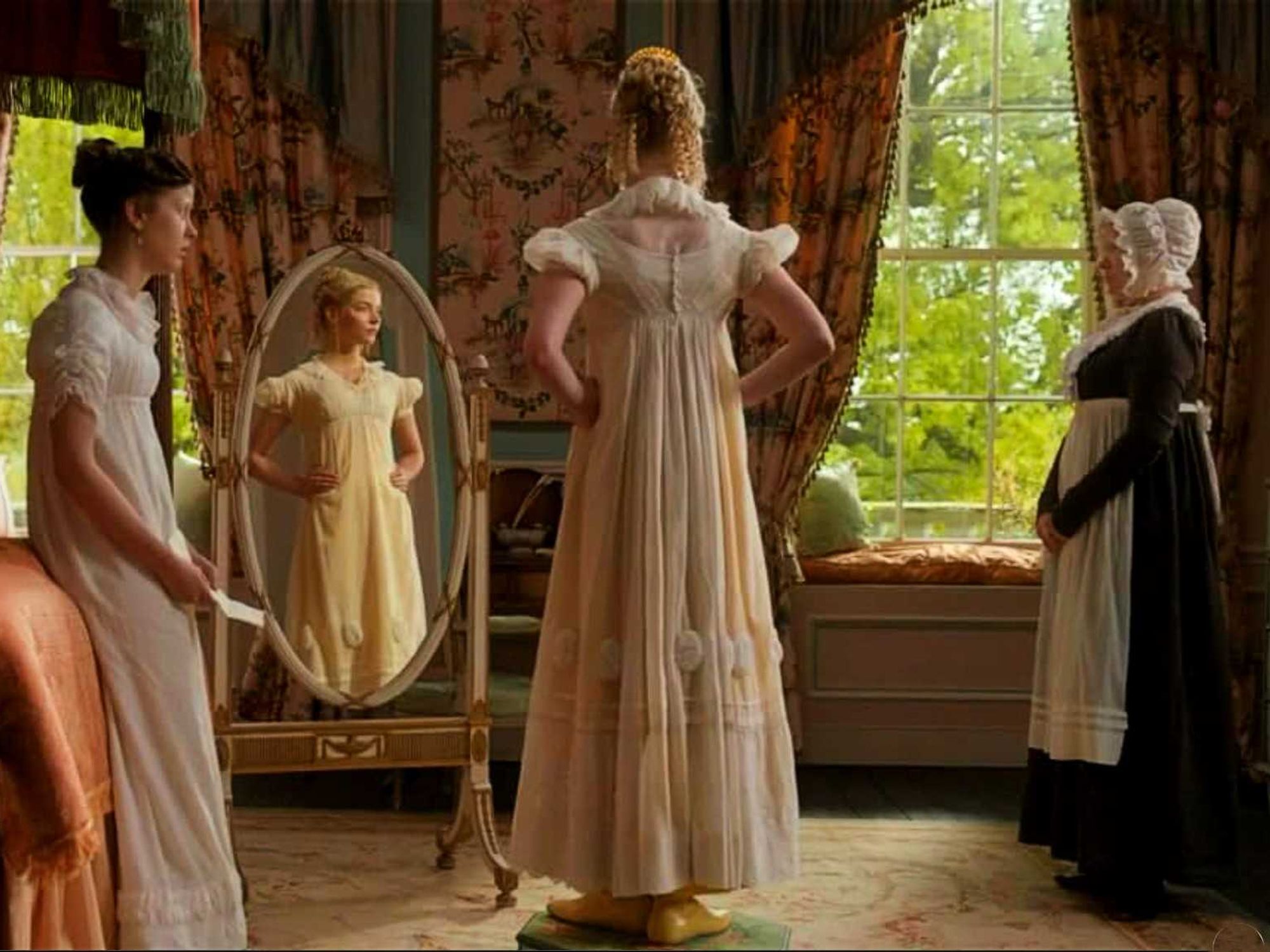
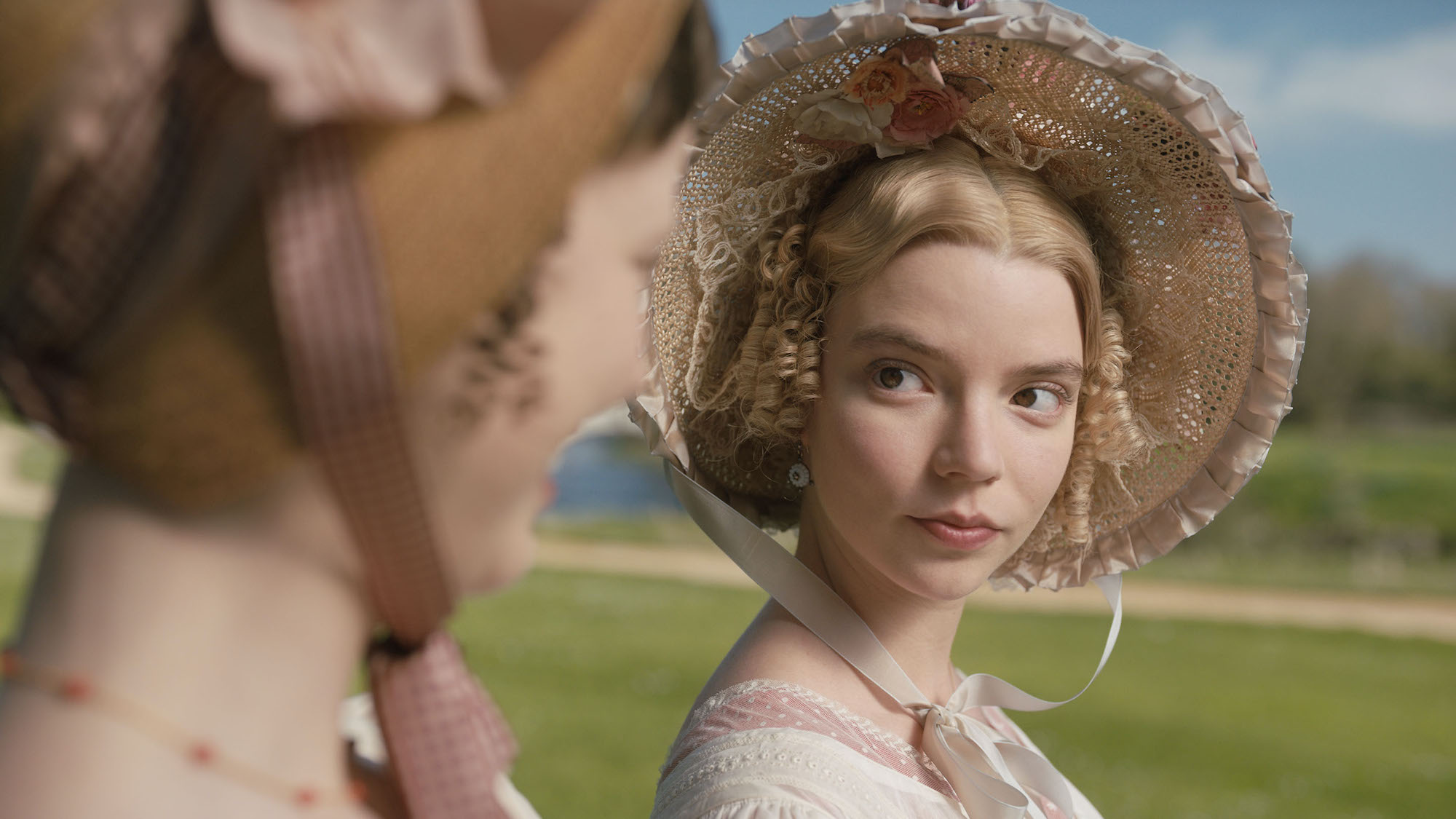
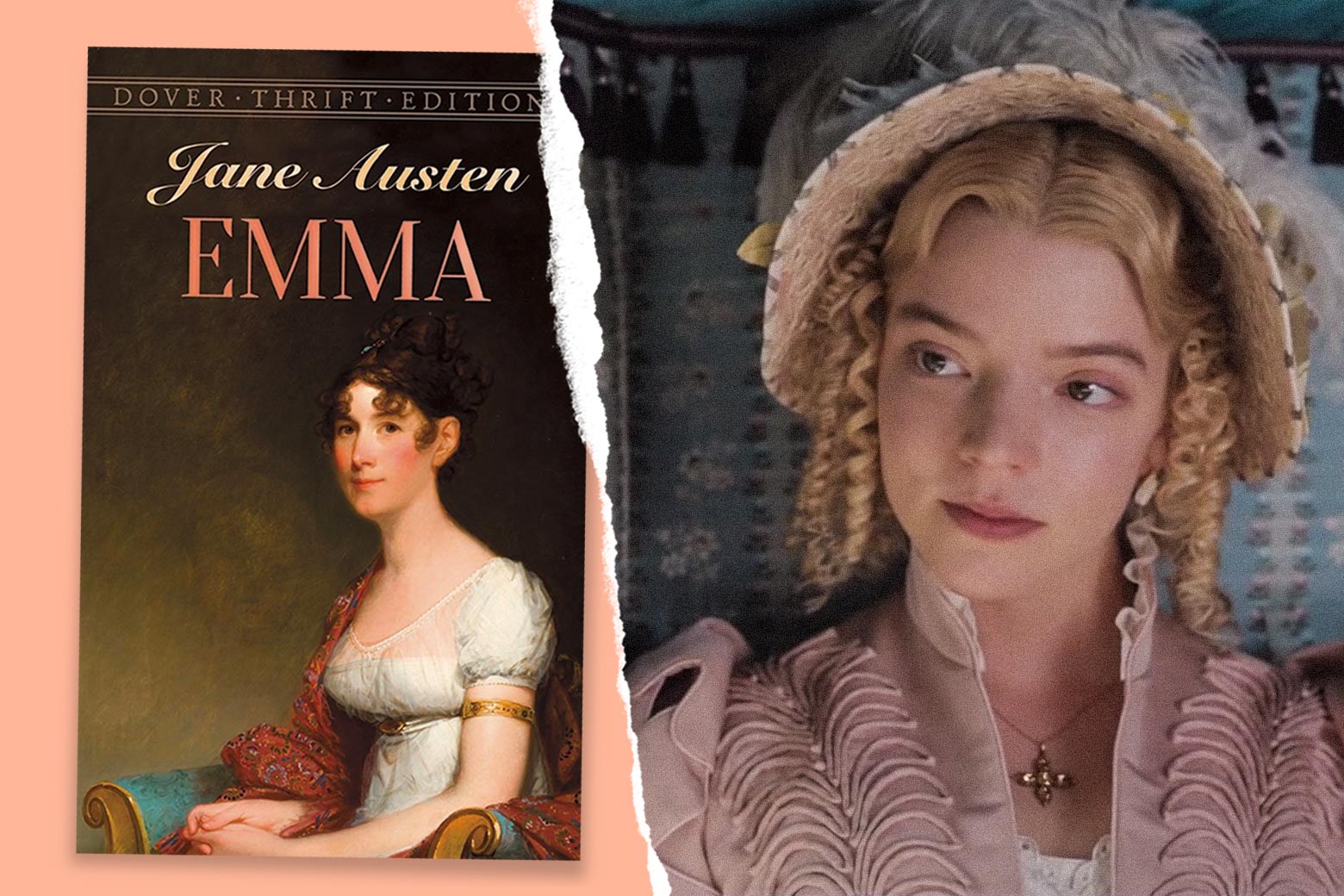
The most recent major feature film adaptation, the 2020 version starring Anya Taylor-Joy, offers a highly stylized, satirical, and visually meticulous approach to the story. De Wilde emphasizes the absurdity of the social conventions surrounding Emma, using color palettes, costume design, and sharp dialogue to highlight the protagonist's isolation and eventual realization of her own errors. This version is noted for its dry wit and a focus on the uncomfortable intimacy of 19th-century domestic life, making it a favorite for audiences who prefer a more cerebral, aesthetically driven cinematic experience.
Comparative Overview of Major Adaptations
To help determine which version aligns with your preferences, the following table contrasts the major film and television productions of the novel.
| Title | Release Year | Setting | Tone | Lead Actress |
|---|---|---|---|---|
| Clueless | 1995 | 1990s California | Satirical/Youthful | Alicia Silverstone |
| Emma | 1996 | Regency England | Comedic/Traditional | Gwyneth Paltrow |
| Emma | 1996 | Regency England | Romantic/Dramatic | Kate Beckinsale |
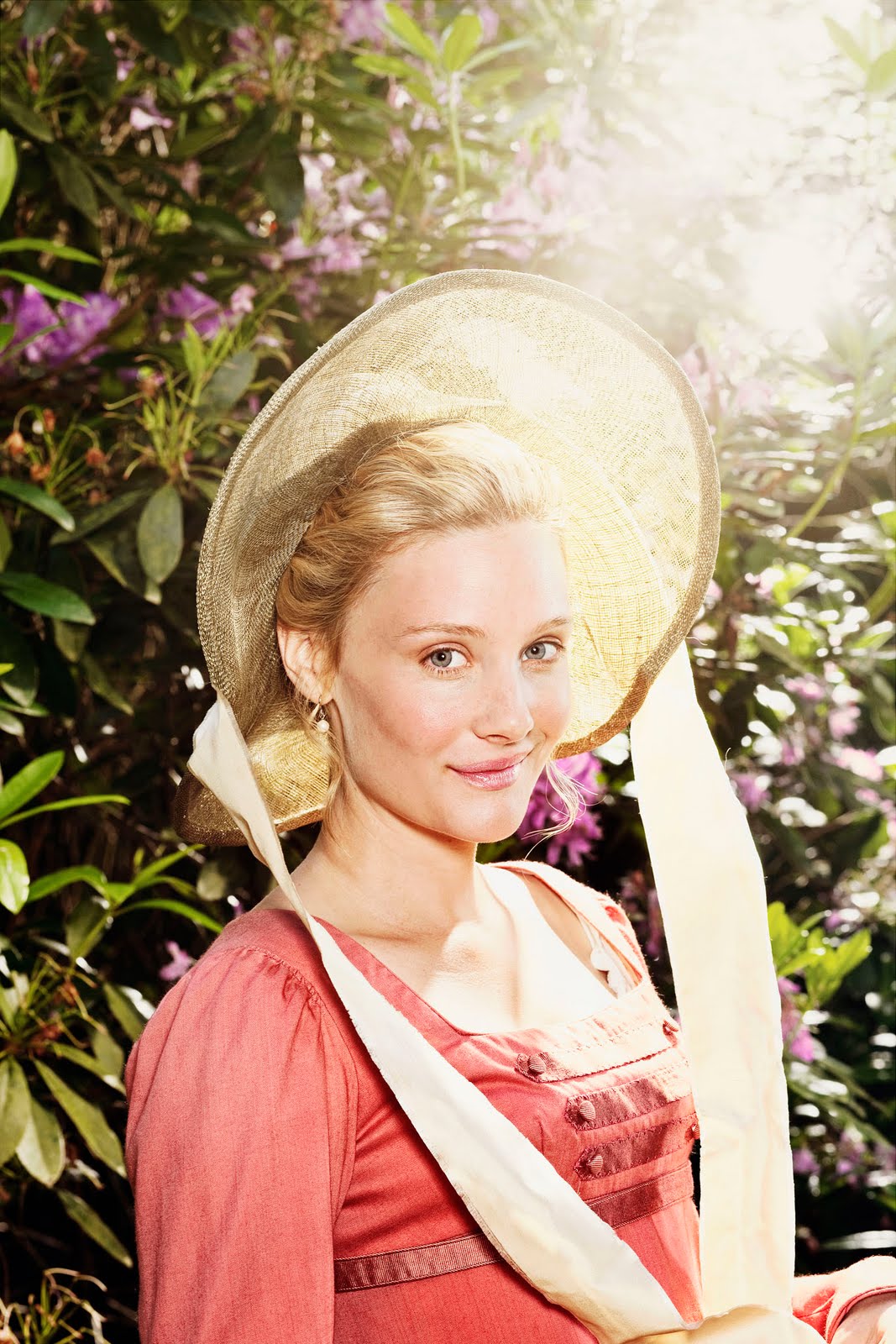
| Emma | 2009 | Regency England | Character-focused | Romola Garai |
| Emma. | 2020 | Regency England | Stylized/Satirical | Anya Taylor-Joy |
Evaluating Adaptations: What to Look For
When selecting a version of Emma to watch, consider the balance between faithfulness to the text and the director's creative license.
- Character Agency: Pay attention to how the film handles Emma’s flaws. The most effective adaptations do not shy away from the fact that Emma is often self-centered and blind to the feelings of others. Adaptations that attempt to make her too "likable" from the start often lose the impact of her emotional arc.
- The "Mr. Knightley" Dynamic: A critical component of any Emma adaptation is the relationship between the heroine and George Knightley. The chemistry and the age-gap dynamic must be handled with nuance to ensure their romance feels like an earned evolution of a long-standing friendship rather than an abrupt shift.
- Highbury’s Social Web: The novel is populated by a wide range of secondary characters, from the nervous Miss Bates to the sycophantic Mr. Elton. A superior adaptation ensures these secondary figures feel fully realized, as they provide the social pressure that makes Emma’s mistakes possible.
Common Pitfalls in Adaptation
A recurring challenge for filmmakers adapting this specific novel is the pacing of the second act. The story relies heavily on internal monologue and subtle social cues that are difficult to convey visually without relying on heavy exposition.
Viewers should be aware that some television miniseries (such as the 2009 production) may provide a more comprehensive, slow-burn exploration of the secondary character plots compared to the streamlined nature of feature-length films. If you are interested in the specific subplots involving Jane Fairfax and Frank Churchill, a longer-form series might be more satisfying than a 120-minute feature film, which often compresses these threads to focus primarily on Emma’s perspective.
Frequently Asked Questions
Which version of Emma is the most accurate to the book?
The 2009 television miniseries is often considered the most faithful in terms of plot, as its longer runtime allows it to include nearly all of Austen's original subplots and secondary character arcs. It provides a balanced, comprehensive look at the world of Highbury.
Is Clueless considered a "real" adaptation of Emma?
Yes, Clueless is widely recognized by film scholars as a direct adaptation of Emma. While the setting, dialogue, and costumes are updated for a contemporary American context, the core plot beats—including the matchmaking, the misunderstanding of a crush, and the eventual realization of love for a mentor figure—are intentionally mapped directly from the source material.
Do I need to read the book to enjoy the films?
Not at all. While reading the novel provides a deeper understanding of the irony and satire Austen employed, the films are designed as standalone stories. Most adaptations provide enough context regarding the social expectations of the era to ensure that the character conflicts are clear to a first-time viewer.
Why is there a period at the end of the 2020 movie title "Emma."?
The punctuation was a deliberate stylistic choice by director Autumn de Wilde and the production team to denote the movie as a distinct, modern interpretation of the classic text, separating it from the titles of previous adaptations that used the same simple name.
Are there any adaptations that focus more on the men in the story?
While all versions are centered on Emma’s perspective, the 1996 version starring Kate Beckinsale tends to emphasize the romantic entanglements and the perspectives of the male characters slightly more than the more satirical 2020 adaptation, which keeps the camera firmly anchored to Emma’s internal experience.
Next Steps for Your Viewing Experience
To begin your exploration of these films, identify whether you prefer a classic, immersive historical experience or a high-energy, modern reinterpretation. If you value historical accuracy in costume and dialogue, start with the 2009 miniseries. If you are looking for a sharp, modern, and stylized aesthetic, the 2020 feature is an excellent choice. For those seeking cultural relevance and a lighthearted tone, Clueless remains an unbeatable classic. By selecting one of these based on your current viewing mood, you can gain a deeper appreciation for how Jane Austen’s narrative has maintained its relevance for over two centuries.
Image Gallery
Select an image to open it in a new tab.



Ingrid Bjornson
Global Cyber Policy and Regulation Analyst
