Why Do My Fillings Keep Falling Out? Understanding the Causes and Solutions

A dental filling may fall out due to structural failure of the remaining tooth, recurring decay underneath the restoration, excessive biting pressure, or the degradation of the bonding agent used during the original procedure. While often perceived as a sudden event, the dislodgment is typically the result of underlying mechanical or biological issues that require professional intervention to resolve.
The Anatomy of a Dental Filling
To understand why a filling might dislodge, it is helpful to recognize that a filling is not a permanent fusion with the tooth but rather a restorative material bonded or mechanically locked into a prepared cavity. Dentists use various materials, including composite resin, dental amalgam, glass ionomer, and porcelain. Each material has specific physical properties regarding expansion, contraction, and bonding strength.
When a dentist places a filling, they must ensure the "preparation"—the shape of the hole left after decay is removed—is conducive to retaining the material. If a filling keeps falling out, the issue often lies in the interface between the tooth and the restorative material, or the health of the remaining tooth structure itself.
Primary Causes for Recurring Filling Failure
1. Secondary Caries (Recurring Decay)
The most common reason for a failing filling is the presence of secondary caries. Even after a cavity is filled, the junction between the filling and the tooth—known as the "margin"—remains a vulnerable area. If oral hygiene is inconsistent, bacteria can collect at this margin, creating new acid that demineralizes the tooth structure underneath or around the filling. As the tooth structure softens, it no longer supports the restoration, causing the filling to loosen and eventually drop out.
2. Excessive Biting Forces (Bruxism)
Your teeth endure significant pressure during chewing and nocturnal grinding. If you suffer from bruxism (teeth grinding or clenching), you exert forces on your restorations that they were not designed to withstand. This chronic stress can create micro-fractures in the filling or the surrounding tooth, eventually leading to a complete failure. If you wake up with a sore jaw or headache, it is highly likely that your grinding habits are contributing to your dental restorations failing prematurely.
3. Inadequate Retention and Preparation
Sometimes, the issue is structural. If a cavity is very large, there may be insufficient healthy tooth structure remaining to "lock" a standard filling into place. In such cases, a simple filling may be an inappropriate treatment choice. When a dentist attempts to pack a filling into a site that lacks "mechanical retention"—the physical shape necessary to hold the material—the filling will inevitably dislodge under the stresses of daily eating.
4. Material Degradation and Bonding Failure
Dental materials have varying lifespans. Older amalgam fillings can corrode over decades, causing them to expand and shrink in ways that eventually break the seal. Composite resins, while esthetic, rely heavily on adhesive dentistry. If the isolation during the procedure was not perfect—meaning moisture (saliva or blood) contaminated the site while the bonding agent was applied—the bond strength will be compromised from day one, leading to early failure.
Diagnostic Comparison of Failure Modes
| Cause of Failure | Mechanism | Primary Symptom |
|---|---|---|
| Secondary Caries | Bacterial acid erodes tooth base | Sensitivity to sugar, dark margins |
| Bruxism | Mechanical stress/fatigue | Filling chips or pops out suddenly |
| Poor Retention | Insufficient cavity walls | Filling feels loose or high/unstable |
| Bonding Failure | Improper moisture control | Early loss, sensitivity to cold |
What to Do Immediately When a Filling Falls Out
If you find yourself with a dislodged filling, the situation is rarely a life-threatening emergency, but it requires prompt attention.
- Retain the Filling: If possible, save the piece that fell out. Your dentist may want to see it to determine why it failed.
- Keep the Area Clean: Gently brush the area to remove food debris. Avoid chewing on that side of your mouth to prevent further damage to the remaining fragile tooth structure.
- Use Temporary Solutions: You can purchase over-the-counter dental cement or temporary filling material at a pharmacy. This is a stop-gap measure to cover sharp edges or reduce sensitivity; it is not a cure and will not replace the function of a professional filling.
- Schedule a Dental Appointment: Call your dentist immediately. An exposed tooth is susceptible to fracture and increased sensitivity. Prolonged exposure allows bacteria to penetrate deeper into the dentin, which may necessitate more invasive treatment, such as a root canal, later on.
The Clinical Solution: Moving Beyond the Filling
If a filling has fallen out multiple times, the tooth is signaling that it cannot support a traditional restoration. At this stage, your dentist will likely evaluate you for a more permanent solution.
Dental Crowns: If a significant portion of the tooth structure is missing or if the remaining tooth is fractured, a crown (or "cap") is often the standard of care. A crown covers the entire visible portion of the tooth, protecting it from the forces of chewing and preventing further fractures that a simple filling cannot address.
Onlays or Overlays: Often described as a middle ground between a filling and a crown, an onlay covers the cusp (the pointed part) of the tooth. This provides the structural reinforcement of a crown without requiring the dentist to remove as much healthy tooth structure.
Deep Caries Management: If the recurrent decay is deep, the dentist must first ensure the pulp (the nerve of the tooth) is healthy. If the recurring failure has allowed bacteria to reach the nerve, a root canal may be required before any restoration is placed.
Managing Sensitivity and Pain
When a filling falls out, the dentin—the layer beneath the hard enamel—becomes exposed. Dentin contains tiny tubules that lead directly to the tooth’s nerve, which explains why you might experience sharp pain when consuming cold, hot, or sugary foods.
To manage this until your appointment:
- Avoid temperature extremes: Stick to lukewarm beverages and soft foods.
- Over-the-counter pain relief: Use non-prescription anti-inflammatory medication if advised by your physician, provided you have no contraindications.
- Saltwater rinses: A gentle rinse with warm salt water can help soothe the tissue and keep the area free of debris.
Frequently Asked Questions
Does a lost filling always require a new filling? No. If a filling falls out due to structural weakness, a new filling will likely fail again. Dentists often recommend onlays or crowns in these cases to provide the necessary support for the remaining tooth structure.
How long should a standard filling last? While there is no fixed expiration date, a well-placed composite filling typically lasts 5 to 10 years, while amalgam can last 10 to 15 years or longer. However, these are averages; individual results depend heavily on your oral hygiene, diet, and whether you grind your teeth.
Is it dangerous to wait a few weeks to see a dentist? It is risky. An exposed cavity is a prime environment for decay to advance quickly toward the tooth pulp. Waiting can turn a simple, inexpensive filling procedure into a much more complex and costly root canal or tooth extraction.
Why does my dentist suggest a crown instead of replacing the filling again? When a filling falls out, it often takes a small part of the surrounding tooth structure with it. Repeated replacements remove more and more tooth material. Eventually, the tooth becomes too weak to hold a filling, and a crown becomes the only way to prevent a total fracture of the tooth.
Can I fix it myself permanently? No. All over-the-counter dental kits are intended strictly for temporary, short-term relief. They lack the durability, moisture-resistant bonding, and structural integrity required for permanent dental restoration.
Final Recommendation
If a filling falls out, do not ignore it. The most effective next step is to schedule an appointment with your dental provider for a clinical examination and X-ray. These tools allow the dentist to see what is happening beneath the surface, such as hidden decay or vertical root fractures, which are invisible to the naked eye. Prioritizing a professional evaluation will prevent minor structural issues from progressing into irreversible tooth loss.
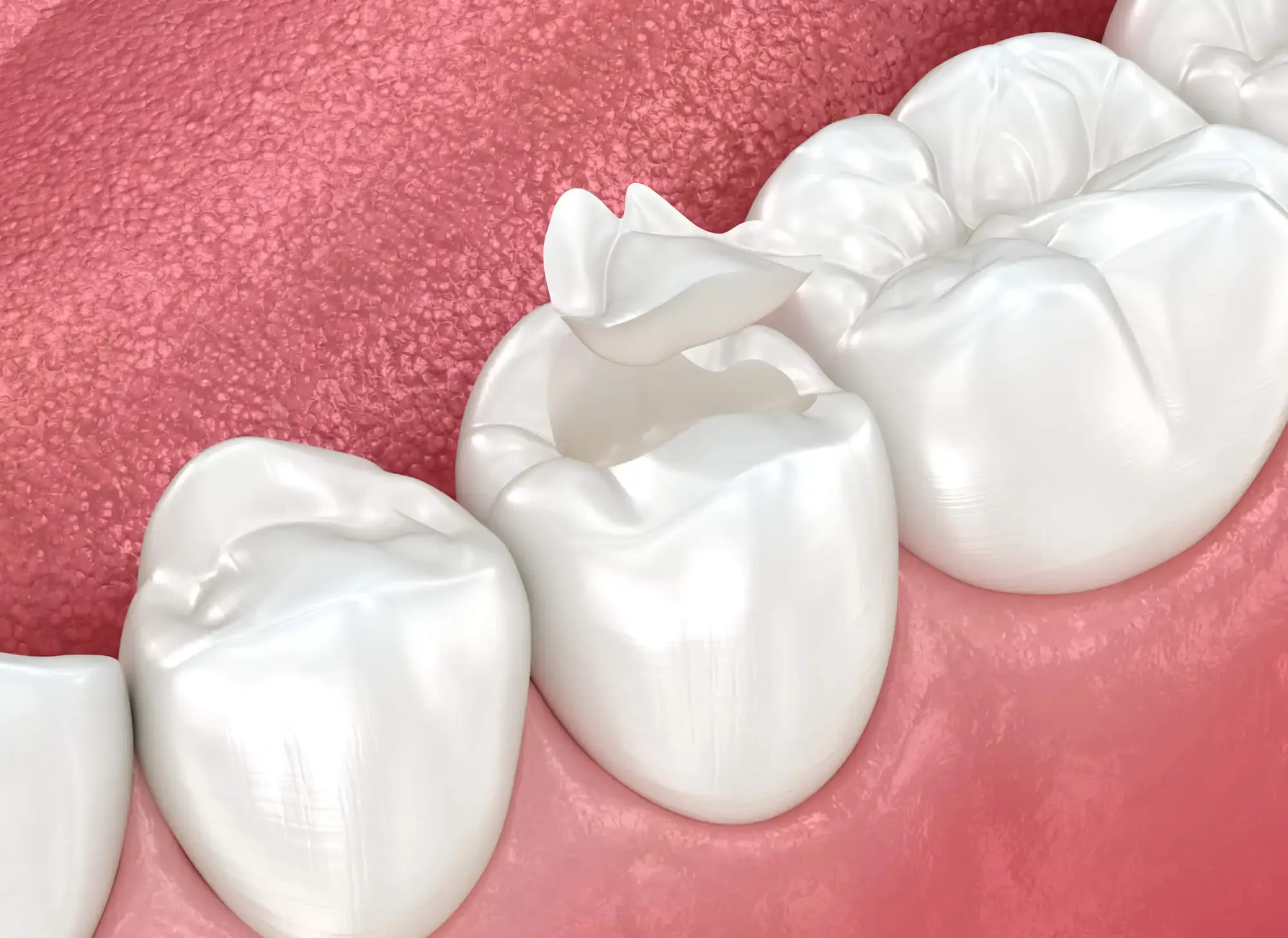
Image Gallery
Select an image to open it in a new tab.

Lars Thomsen
Global Labor Markets and Economic Strategy Editor
