
Finding the right support garment for postpartum abdominal wall separation requires balancing gentle compression with core rehabilitation. The best shapewear for diastasis recti provides supportive, circumferential pressure to the midsection without exerting excessive downward or inward force that could hinder healing. It acts as an external stabilizer, easing lower back strain and offering proprioceptive feedback, but it must be chosen and used carefully alongside targeted physical therapy rather than serving as a permanent standalone fix.
Understanding Diastasis Recti and Abdominal Wall Mechanics
Diastasis recti abdominis (DRA) is the partial or complete separation of the rectus abdominis muscles—commonly known as the "six-pack" muscles—which meet at the midline of the abdomen called the linea alba. During pregnancy, the growing uterus stretches this connective tissue, causing the linea alba to thin and widen. While a degree of separation is a natural part of pregnancy, an inability of the tissue to recover postpartum can lead to lingering symptoms, including a protruding abdomen, lower back pain, pelvic floor dysfunction, and a general lack of core stability.
To understand how shapewear interacts with this condition, one must look at intra-abdominal pressure (IAP). The core functions like a canister: the diaphragm is the lid, the pelvic floor is the base, the transversus abdominis (TVA) forms the walls, and the multifidus and spine anchor the back. When a person moves, breathes, or lifts, these muscles coordinate to manage IAP.
If shapewear is overly restrictive or applies uneven pressure, it can force the abdominal contents downward onto the pelvic floor or push them straight out through the separated midline. Therefore, therapeutic shapewear or postpartum girdles must support the transverse abdominis sling—drawing the sides gently together—without compressing the lungs or creating excessive downward intra-abdominal pressure.
Medical Disclaimer and Professional Guidance
Disclaimer: The following information is for educational purposes and should not replace professional medical advice, diagnosis, or treatment. Always consult an OB-GYN, pelvic floor physical therapist, or qualified healthcare provider before using compression garments, waist trainers, or shapewear following childbirth or abdominal surgery.
Postpartum recovery is a deeply individual medical journey. A physical therapist specializing in pelvic health can perform a tactile assessment to measure the width and depth of the diastasis gap, as well as assess the tension of the linea alba. Relying solely on shapewear without addressing underlying movement patterns, breathing mechanics, and deep core activation can prolong recovery or mask symptoms that require clinical intervention.

Key Features to Look for in Diastasis Recti Shapewear
Not all undergarments, girdles, and high-waisted briefs are created equal. Standard fashion shapewear is typically designed to squeeze the body into a desired silhouette using rigid panels, synthetic rubber, or heavy-duty boning. For individuals managing diastasis recti, these traditional aesthetic garments can cause more harm than good by restricting diaphragmatic breathing and mismanaging abdominal pressure.
When evaluating postpartum shapewear or specialized recovery binders, look for specific technical and structural attributes designed to protect healing tissues:
- Multi-Panel Construction: Garments that feature adjustable panels allow users to customize the level of compression across different zones of the abdomen, ensuring the lower belly and upper ribcage are not overly constricted.
- Flexible, Breathable Fabrics: High-grade elastane, bamboo blends, cotton-lined interiors, and medical-grade power mesh offer firm support while allowing the skin to breathe and preventing moisture accumulation.
- Absence of Rigid Boning: Steel or heavy plastic boning can dig into the ribs or pelvic bones, creating pressure points and forcing unnatural movement patterns. Soft, flexible structuring is vastly superior.
- Targeted Midline Support: The best options provide reinforced dual-layer wrapping specifically engineered to encourage the rectus abdominis muscles inward toward the midline rather than simply flattening the entire midsection uniformly.
- Seamless Integration: Low-friction seams prevent irritation against cesarean section (C-section) incisions, which require specialized care during the initial weeks and months of healing.
Comparing Types of Postpartum and Therapeutic Support Garments
Navigating the market requires understanding the distinct categories of compression garments available. Each serves a different stage of postpartum recovery and offers unique pros and cons.
| Garment Type | Primary Purpose | Compression Level | Pros | Cons |
|---|---|---|---|---|
| Medical Postpartum Binder | Immediate postpartum stabilization and C-section incision support. | Firm / Adjustable | Highly adjustable via Velcro; covers the entire torso; approved for hospital use. | Bulky under clothing; can roll or shift with movement. |
| High-Waisted Therapeutic Briefs | Everyday wear; gentle support for daily activities and mild lower back relief. | Light to Moderate | Discreet under everyday clothes; comfortable for long hours; no rolling down. | Less adjustable; may not provide enough compression for wider gaps. |
| Targeted Wrap-Around Corsets | Focused midline closure and posture support during physical rehabilitation. | Moderate to Firm | Direct focus on drawing the linea alba together; customizable tightness. | Risk of over-tightening; can be cumbersome to put on. |
| Fashion Shapewear | Aesthetic smoothing for clothing. | High (Surface Squeezing) | Instant smoothing effect under tight garments. | Often restricts breathing; worsens diastasis recti if pressure is mismanaged. |
How to Choose and Fit Shapewear Safely
Selecting the correct size is critical. A common mistake is buying shapewear a size or two smaller than pre-pregnancy measurements in an attempt to accelerate waist reduction. This practice is counterproductive; overly tight compression restricts blood circulation, weakens muscle recruitment by doing the work for the core, and pushes internal organs downward against the pelvic floor.
- Measure Accurately: Use a flexible measuring tape around the fullest part of the abdomen (often at the navel level) after giving birth or according to the manufacturer's current sizing chart, rather than relying on pre-pregnancy sizes.
- Check for "Coning" or "Doming": When putting on the garment, check your abdomen in a mirror while engaging your core. If you notice a ridge or dome pushing outward down the center of your stomach, the garment is either too tight, improperly positioned, or your core is not yet ready for that level of external load.
- Monitor Comfort and Breathing: You should be able to take deep, full breaths into your lower ribcage and diaphragm while wearing the garment. If you feel short of breath, lightheaded, or experience pelvic pressure, loosen or remove it immediately.
- Limit Wear Time: Avoid wearing compression garments 24 hours a day. The body's natural muscular system needs time to function independently. Gradually build up wear time, starting with a few hours a day, and remove the garment during sleeping hours.
Integrating Shapewear with Diastasis Recti Exercise Rehabilitation
Shapewear should be viewed as an assistive crutch, much like a brace for an injured knee, rather than a cure for diastasis recti. True functional recovery relies on retraining the deep core musculature, specifically the transversus abdominis.
The Role of Pelvic Floor Physical Therapy
A pelvic floor physical therapist can guide you through progressive loading exercises that teach you how to coordinate your breath with core contraction. Key rehabilitation milestones include:
- Diaphragmatic Breathing: Expanding the ribcage 360 degrees on inhalation and gently drawing the lower belly inward on exhalation.
- Transverse Activation: Engaging the deepest abdominal layer without holding your breath or bearing down.
- Functional Integration: Applying core strategies during daily lifting, nursing, bending, and carrying tasks to prevent exacerbating the separation.
When used correctly, therapeutic shapewear provides tactile feedback during these exercises, making it easier to locate the core muscles and maintain proper posture as you rebuild baseline strength.
Common Mistakes to Avoid
When incorporating compression garments into a postpartum routine, several pitfalls can impede healing:
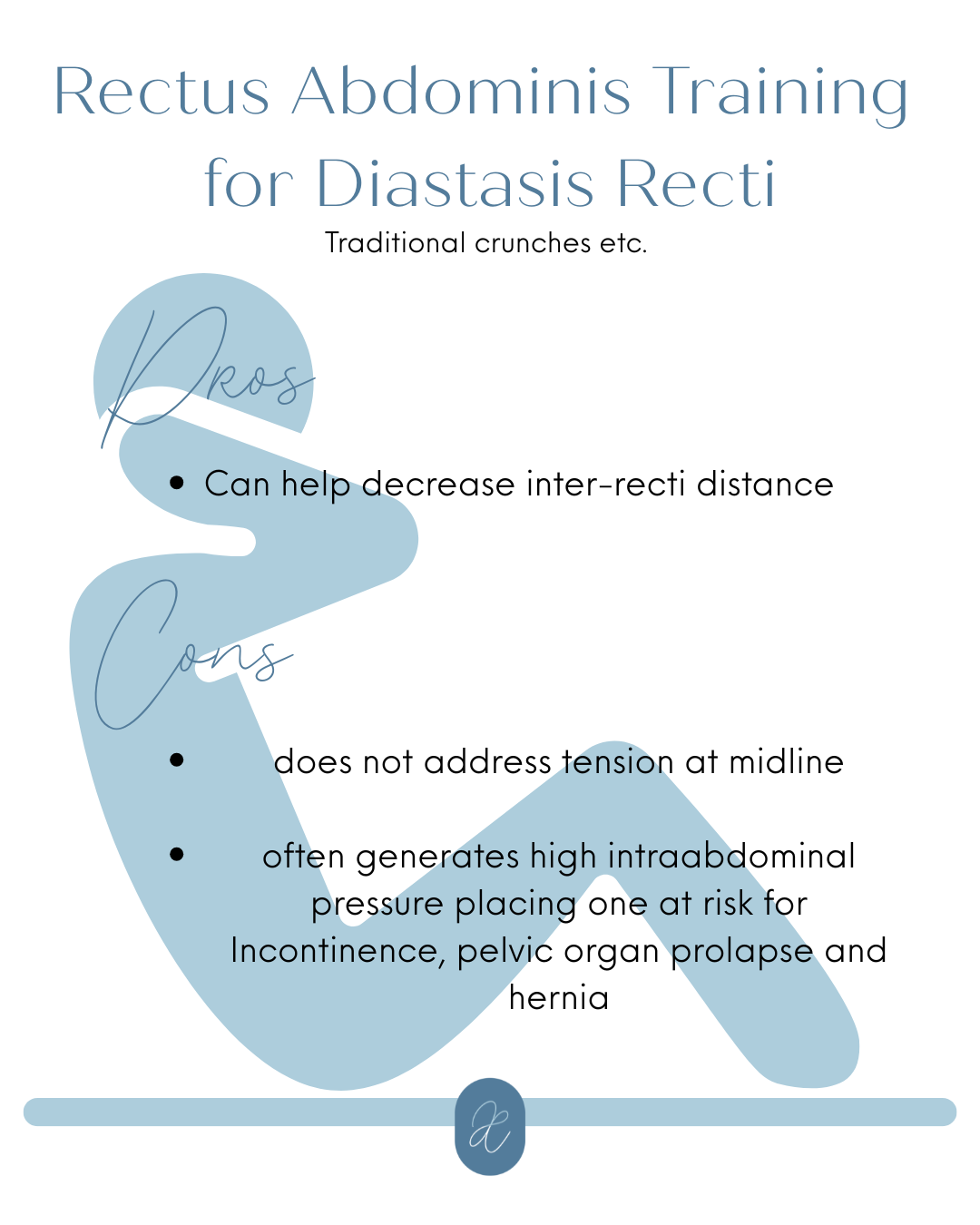
- Treating Shapewear as a Substitute for Exercise: Relying entirely on a girdle to "fix" muscle separation leads to muscle atrophy, as the garment does the work your core should be performing.
- Ignoring C-Section Healing Guidelines: Wearing high-friction or overly tight waistbands directly over a healing surgical incision can disrupt tissue remodeling and cause localized pain or infection. Always follow surgeon guidelines regarding incision care.
- Pushing Through Pain: Discomfort, pinching, or sharp pain is a clear signal that the garment does not fit correctly or that the chosen compression level is inappropriate for your current healing phase.
- Wearing Garments Too Early: Applying heavy compression immediately postpartum before the uterus and internal organs have begun their natural involution process can cause pelvic organ prolapse or interfere with uterine recovery.
Frequently Asked Questions
Can shapewear cure diastasis recti on its own?
No, shapewear cannot cure diastasis recti. It provides external support, relieves back strain, and offers tactile feedback, but true healing requires restoring tension to the linea alba through progressive core rehabilitation, appropriate breathing mechanics, and targeted physical therapy exercises.
How long postpartum should I wait before wearing a compression garment?
Many individuals begin wearing gentle, doctor-approved postpartum support binders within the first few days or weeks after delivery, especially following a C-section to stabilize the incision. However, for structured shapewear aimed at core support, consult your healthcare provider or physical therapist to ensure your body is ready.
Is it safe to wear shapewear all day and night?
It is generally not safe to wear compression shapewear 24 hours a day. Continuous, round-the-clock compression can weaken core muscles over time, restrict normal diaphragmatic breathing, and negatively impact circulation and digestion. Limit wear to waking hours and specific active periods.
How do I know if my shapewear is too tight?
Signs that shapewear is too tight include difficulty taking deep breaths, numbness or tingling in the legs or abdomen, red indentations or skin chafing, a feeling of downward pressure on the pelvic floor, and the appearance of abdominal coning or bulging when moving.
Can men or individuals who haven't been pregnant use diastasis recti shapewear?
Yes, diastasis recti can occur in men, weightlifters, and individuals who have experienced significant rapid weight fluctuation or abdominal trauma. While pregnancy-specific postpartum wraps may not fit every body type, medical binders and supportive torso garments designed for core stabilization can be utilized under professional guidance.
Final Recommendations for Postpartum Support
Navigating postpartum recovery requires patience, self-compassion, and personalized medical guidance. If you are managing diastasis recti, prioritize consulting a pelvic floor physical therapist who can design a tailored rehabilitation program. When shopping for shapewear, select breathable, adjustable, and medically sound support garments that prioritize core health and comfortable breathing over extreme aesthetic constriction. Use these tools to support your body during daily movements while you actively rebuild your inner strength from the foundation up.
Image Gallery
Select an image to open it in a new tab.



Declan O'Connor
Higher Education and Campus Culture Reporter
