
Universal life insurance can provide lifelong coverage paired with a cash value savings component, but its flexibility frequently masks complex cost structures, rising internal expenses, and underperformance risks that can cause policies to lapse in later years.
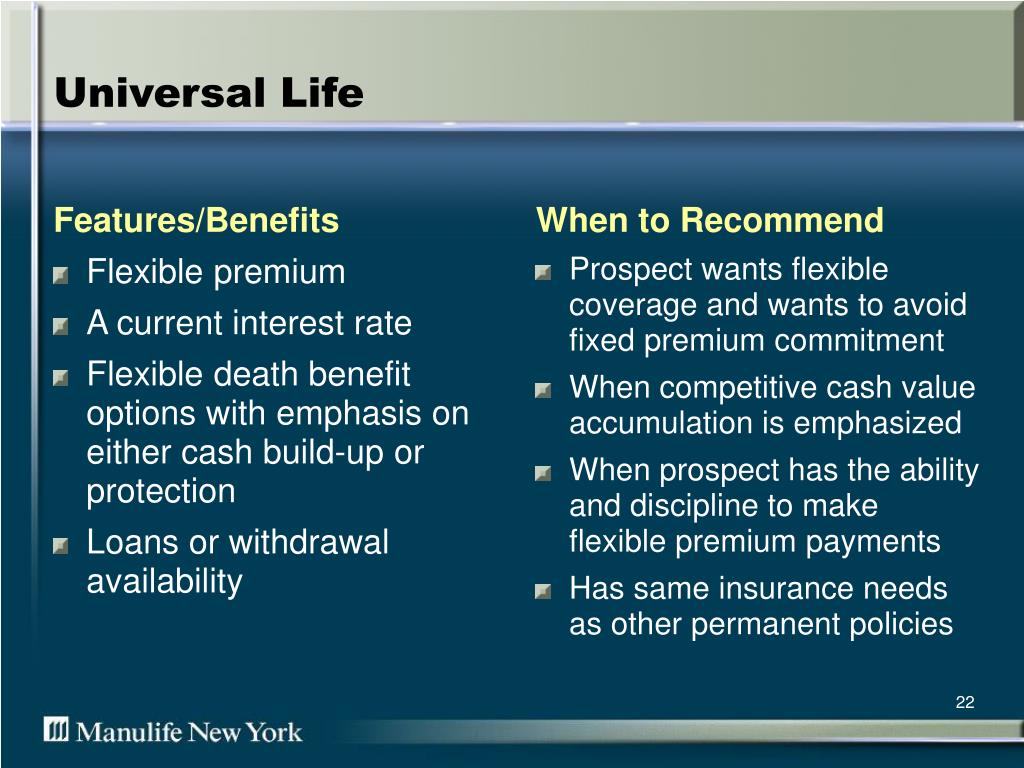
Universal life (UL) insurance is a permanent life insurance product designed to offer lifetime protection alongside a cash value account that earns interest based on prevailing market conditions or specific equity indices. Unlike whole life insurance, which features fixed premiums and guaranteed cash value growth, universal life policies are built around flexibility. Policyholders can often adjust their premium payments and death benefits within certain contractual limits. However, this flexibility introduces unique operational complexities. Many consumers purchase these policies assuming they will function smoothly on autopilot, only to encounter severe financial strain when internal costs escalate faster than anticipated.
Understanding how these policies operate beneath the surface is essential for policyholders seeking to protect their investment. Avoiding universal life insurance pitfalls requires a firm grasp of cash value mechanics, interest rate sensitivities, administrative fee structures, and the critical difference between assumed performance and guaranteed minimums. By recognizing these vulnerabilities early, consumers can actively manage their contracts, prevent unexpected policy lapses, and ensure that their coverage remains financially sustainable over decades.
Understanding Universal Life Insurance Mechanics
To navigate potential traps successfully, one must first understand the core mechanics of universal life insurance. Every UL policy splits premium payments into two distinct destinations: the cost of insurance (COI) and the cash value account. After the insurer deducts administrative fees and the monthly COI charge—which covers the actual mortality risk of insuring the policyholder for that month—the remainder of the premium flows into the cash value account.
This cash value grows on a tax-deferred basis, earning interest credited by the insurance carrier. The credited interest rate is tied either to a fixed portfolio managed by the insurer, indexed to a major market benchmark like the S&P 500 in Indexed Universal Life (IUL) policies, or exposed directly to variable sub-accounts in Variable Universal Life (VUL) policies. Policyholders can utilize this accumulated cash value to pay monthly premiums, borrow against the policy via policy loans, or partially withdraw funds to meet liquidity needs.
However, the flexibility to skip or reduce premium payments is frequently misunderstood. When a policyholder pays less than the scheduled target premium, the cash value must make up the difference to cover rising monthly COI charges. If the cash value is depleted by poor interest crediting, excessive withdrawals, or high fees, the policy enters a dangerous phase where it requires massive cash injections to stay afloat.
Core Pitfalls and Structural Vulnerabilities
Universal life insurance policies present several recurring traps that catch policyholders off guard, often decades after the initial purchase. Recognizing these structural weaknesses allows consumers to address them before they compromise financial security.
| Universal Life Pitfall | Primary Cause / Trigger |
|---|---|
| Rising Cost of Insurance (COI) | Insured person ages, increasing mortality risk. |
| Unrealistic Crediting Rate Drop | Market underperformance or lowered insurer yields. |
| Policy Lapse After Depletion | Insufficient cash value to cover monthly fees. |
| Excessive Loan Interest Drag | Unpaid policy loans reducing net cash value. |
| Premium Shock in Later Years | Catch-up payments required to sustain coverage. |
The Cost of Insurance (COI) Escalation
The single most common structural trap in universal life insurance is the escalating nature of the cost of insurance. In a standard term policy, premiums remain level because the insurer averages out the mortality risk over 10, 20, or 30 years. In a universal life policy, the actual cost of insurance increases every single year as the insured person ages.
In the early decades of the policy, when the insured is young, the COI charge is relatively low. The excess premium payments build up a robust cash value cushion. As the insured enters their 70s, 80s, and beyond, the monthly COI charge spikes dramatically. If the cash value has not grown at the projected rate, it will be consumed rapidly by these escalating mortality charges. When the cash value drops to zero, the policy terminates unless the owner pays a substantially higher premium to keep it active.
Overly Optimistic Initial Illustrations
When a financial professional or insurance agent sells a universal life policy, they provide a policy illustration. This document projects future cash values and death benefits based on historical interest rates or hypothetical market returns. A major pitfall occurs when agents run illustrations using the maximum allowable interest rate permitted by regulatory guidelines rather than conservative, realistic estimates.
If a policy is sold assuming an 8% or 9% annual return, but the underlying portfolio or index actually delivers an average of 4% or 5% over twenty years, the resulting cash value will fall drastically short of projections. Consumers who budget their premiums based on optimistic illustrations frequently find themselves facing severe funding gaps later in life.
The Dangers of Unchecked Policy Loans and Withdrawals
Universal life policies allow owners to access their accumulated cash value through loans or withdrawals. While this feature provides valuable liquidity, it introduces significant long-term risk. When a policyholder takes a loan against the cash value, the insurer charges interest on that loan. Simultaneously, the borrowed portion of the cash value may no longer earn the full credited interest rate.
If loans are taken continuously, or if the loan balance grows larger than the remaining cash value due to accumulated loan interest, the policy can instantly implode. According to guidelines from regulatory bodies like the National Association of Insurance Commissioners (NAIC), a policy with a negative or zero net cash value will lapse, triggering a notice of termination and potentially creating a massive taxable event if the policy was heavily encumbered.

Types of Universal Life Insurance and Their Specific Risks
Not all universal life policies carry the exact same vulnerabilities. Understanding the distinctions between standard Universal Life, Indexed Universal Life (IUL), and Variable Universal Life (VUL) helps policyholders identify risks specific to their exact contract.
- Standard Universal Life (Current Assumption UL): These policies offer a fixed interest rate declared periodically by the insurance company based on its general investment portfolio yields. The primary risk here is falling insurer portfolio performance. If economic interest rates drop, the insurer lowers its credited rate, shrinking cash value growth.
- Indexed Universal Life (IUL): IUL policies tie interest crediting to the performance of an external market index, such as the S&P 500, offering a floor (often 0%) to protect against market downturns and a cap on maximum gains. The pitfall here lies in complex fee structures, participation rates, and caps that can change at the insurer's discretion, limiting actual returns while internal expenses continue to rise.
- Variable Universal Life (VUL): VUL policies allow the owner to allocate cash value directly into sub-accounts that behave like mutual funds, investing in equities and bonds. While VUL offers high growth potential, it exposes the policyholder to direct market risk. A prolonged market downturn can severely erode the cash value, requiring massive out-of-pocket premium payments to prevent the policy from lapsing.
Strategies for Preventing Policy Lapse and Financial Strain
Avoiding the terminal failure of a universal life policy requires active, ongoing management rather than a "set-and-forget" approach. Policyholders should implement structured oversight protocols to maintain policy health.
Request Annual In-Force Illustrations
Insurance companies issue an annual statement, but this statement often only shows current status rather than long-term trajectory. Policyholders should request a formal in-force illustration from their carrier every two to three years. This document projects the policy's performance over the next 10, 20, or 30 years using current (not guaranteed) interest rates and fee schedules. Analyzing this illustration reveals whether the policy is tracking ahead of or behind initial expectations.
Fund the Policy at the Maximum Permissible Level
Many consumers make the mistake of paying the "minimum premium" required to keep the policy active on a month-to-month basis. To build a sufficient cash value buffer against rising COI charges and fluctuating interest rates, policyholders should aim to pay closer to the maximum guideline premium allowed under federal tax laws (often referred to as the 7-pay test limit under Internal Revenue Code Section 7702). Overfunding the policy in its early years establishes a robust financial cushion.
Diversify Retirement Income Streams
Relying on a universal life policy as the sole vehicle for retirement income is risky. Because policy performance depends on variable factors, drawing income through policy loans can exhaust the cash value prematurely. Integrating UL policies into a broader financial plan that includes tax-advantaged accounts like Roth IRAs and 401(k)s reduces reliance on life insurance cash value distributions during volatile economic periods.
Frequently Asked Questions
What happens if my universal life insurance policy lapses?
If a universal life policy lapses due to insufficient cash value, the life insurance coverage terminates immediately, and the death benefit is lost. Furthermore, if there were outstanding policy loans that exceeded the owner's cost basis in the policy, the IRS may treat the extinguished loan balance as taxable ordinary income, resulting in an unexpected tax bill without any insurance protection to show for it.
Can I convert my universal life policy into a whole life policy?
Some insurance companies offer a contractual conversion rider that allows policyholders to switch from a universal life policy to a whole life policy without undergoing medical underwriting. However, availability varies widely by carrier and contract terms. Converting usually requires paying a significantly higher, fixed premium to secure guaranteed cash value growth.
How often should I review my universal life insurance policy?
Policyholders should review their annual statement every year and request a detailed in-force illustration every two to three years. More frequent reviews are necessary if market interest rates experience drastic shifts or if the policyholder plans to take a policy loan or withdrawal.
Are universal life insurance policies a good investment?
Universal life insurance is primarily designed to provide a permanent death benefit, with the cash value serving as a secondary funding mechanism to help offset rising long-term costs. While the cash value grows tax-deferred, administrative fees, mortality charges, and policy caps often mean that net returns trail standard equity investments. Financial professionals generally advise viewing UL through the lens of risk management rather than pure investment yield.
Conclusion and Next Action Plan
Universal life insurance policies demand diligent stewardship. To secure your financial interests and avoid catastrophic policy failure, contact your insurance provider today to request a comprehensive in-force illustration based on current crediting rates and fee schedules. Review this document with an independent, fee-only financial planner or certified financial analyst who does not earn commissions on insurance sales. By auditing your contract's performance now, you can adjust your premium contributions, correct underfunded accounts, and ensure your coverage fulfills its intended purpose.
Image Gallery
Select an image to open it in a new tab.
Celine Dubois
Contemporary Living and Global Arts Columnist
