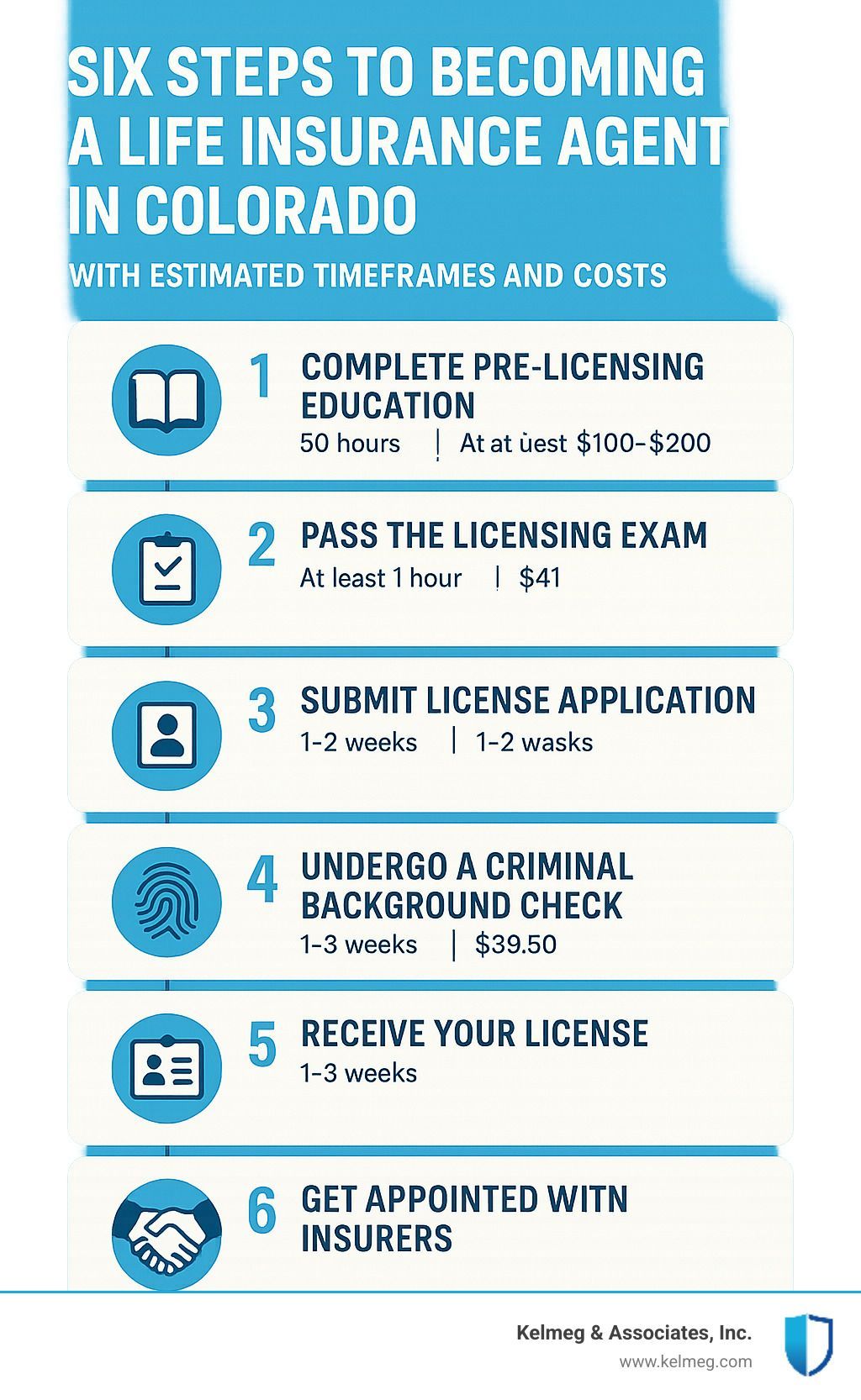
Suing a life insurance agent requires proving that the professional failed to meet their duty of care, resulting in measurable financial loss for the policyholder or beneficiary. Success depends on documenting the agent's misrepresentation, negligence, or breach of fiduciary duty and navigating complex state-specific insurance regulations and statutes of limitations.
Understanding the Legal Relationship
Life insurance agents act as intermediaries between insurance carriers and policyholders. In most jurisdictions, an agent has a legal obligation to provide accurate information, recommend products suitable for the client's stated financial needs, and process applications without undue delay or error. When an agent deviates from these standards—through intentional deception, gross incompetence, or failure to disclose material risks—they may be held liable for the resulting damages.
It is important to distinguish between the agent and the insurance company. While an agent might be the target of a lawsuit, the insurance carrier itself is often vicariously liable for the actions of its agents under the legal doctrine of respondeat superior. In many cases, it is more effective to name both the agent and the carrier in a complaint to ensure that any potential judgment or settlement is collectible.
Grounds for Litigation
Before filing a lawsuit, you must establish that a legally actionable wrong has occurred. Most claims against life insurance agents fall into one of the following categories:
- Professional Negligence (Errors and Omissions): This occurs when an agent fails to exercise the level of care expected of a reasonably competent insurance professional. Common examples include failing to submit an application correctly, missing a critical underwriting deadline, or failing to explain the limitations of a policy (e.g., the difference between term and whole life).
- Misrepresentation: If an agent intentionally misleads you about the benefits, costs, or risks associated with a policy to secure a sale—a practice often called "twisting" or "churning"—they may be liable for fraud or statutory insurance violations.
- Breach of Fiduciary Duty: In some states and for certain complex financial products, agents are held to a higher fiduciary standard, meaning they must act strictly in the client's best interest. If an agent prioritizes their commission over the client's financial stability, a breach may be identified.
- Unauthorized Practice: This involves an agent providing investment or tax advice they are not licensed or qualified to give, potentially steering a client into a product that causes significant financial harm.
Prerequisites to Legal Action
Before stepping into a courtroom, you must exhaust administrative avenues and compile evidence. The legal system generally expects that you have attempted to mitigate your damages or seek resolution through regulatory channels first.
- Review the Contract: The policy document is the primary evidence. Compare the agent’s verbal promises or marketing materials against the "four corners" of the contract.
- File a Complaint with the State Department of Insurance: Every state maintains a department or division of insurance. Filing an official complaint here serves two purposes: it creates an official paper trail and triggers a regulatory inquiry. The result of this inquiry can often serve as foundational evidence for a private lawsuit.
- Document All Interactions: Gather emails, handwritten notes, recorded calls, and witness testimony. The strength of your case rests entirely on your ability to prove the agent promised something that was not delivered or failed to provide information they were legally obligated to share.
The Litigation Process: Step-by-Step
The road to litigation is rigorous. Once you have determined that the damages justify the cost of legal fees, follow this general framework.
1. Consultation with Counsel
Do not attempt to sue an insurance professional without an attorney who specializes in professional liability or insurance bad faith. These cases are document-heavy and often involve complex "Errors and Omissions" (E&O) insurance defenses. A qualified attorney can assess whether the statute of limitations has expired and whether your claim is likely to survive a motion to dismiss.
2. Drafting the Complaint
The complaint is the document that initiates the lawsuit. It must state the specific legal theories (negligence, fraud, breach of contract) and detail the financial loss. Your attorney will calculate "damages," which typically include the value of the death benefit lost or the excess premiums paid due to the agent's actions.
3. The Discovery Phase
This is the most time-consuming stage. During discovery, both parties exchange evidence. You will seek the agent’s internal notes, emails with the insurance company, and their training manuals. This process often reveals the "smoking gun"—internal communications showing the agent knew about a problem but failed to disclose it to you.
4. Settlement vs. Trial
Most insurance-related lawsuits are settled out of court. Insurance carriers typically carry E&O insurance policies. If the evidence against their agent is strong, the carrier’s insurance provider may choose to settle rather than face the uncertainty and public nature of a jury trial.
Comparison of Resolution Paths
| Method | Speed | Cost | Control |
|---|---|---|---|
| State Insurance Complaint | Moderate | Low (None) | Low |
| Mediation | Fast | Moderate | High |
| Arbitration | Fast | High | Moderate |
| Civil Litigation | Slow | Very High | Low (Judge/Jury decides) |
Common Mistakes to Avoid
One of the most frequent errors in these cases is failing to act within the statute of limitations. Depending on your jurisdiction and the type of claim (e.g., fraud vs. negligence), the window to file suit may range from one to six years from the date the injury was—or should have been—discovered.
Another common mistake is failing to secure the "entire file." When you sue, you must ensure your legal team issues a subpoena for the agent's complete client file, not just the policy documents. The agent’s handwritten notes often provide the only evidence of what was discussed during sales presentations.
Frequently Asked Questions
Can I sue if I simply dislike the policy performance? No. Dissatisfaction with investment returns on a permanent life insurance policy is usually not grounds for a lawsuit unless the agent falsified projected returns or misstated the nature of the product. If the policy performed within the parameters of the contract, the burden of proof rests on you to show deception.
What if the agent has already retired or left the industry? You can still sue an agent after they retire or leave their firm. The agency or the insurance company that employed them is often still liable for the actions taken by the agent while they were acting under the company’s license.
How much does it cost to sue an insurance agent? Costs vary based on complexity. Many attorneys take these cases on a contingency basis, meaning they receive a percentage of the final settlement or judgment. If there is no recovery, you generally do not pay legal fees, though you may still be responsible for court costs and expert witness fees.
Is it better to file a complaint or sue directly? In most cases, you should do both. A regulatory complaint may pressure the insurance company to settle, while a lawsuit ensures that your specific damages are quantified and legally addressed.
What qualifies as "financial loss" in these cases? Financial loss is the difference between your current financial position and the position you would have been in had the agent not committed the error. For example, if you were sold a policy that expired because the agent miscalculated the premiums, the loss would be the death benefit you would have received.
Next Steps for Policyholders
If you suspect you have been a victim of agent negligence, your first step is to preserve all documentation. Organize your policy documents, premium receipts, and any correspondence with the agent chronologically. Next, request a copy of your full file from the insurance carrier. Once your evidence is organized, schedule a consultation with an attorney who has experience in insurance law. Legal claims regarding insurance are subject to strict jurisdictional rules; do not delay in seeking professional legal advice to ensure your rights are preserved before the applicable statute of limitations expires in 2026 or beyond.
Disclaimer: This article provides general information and does not constitute legal or financial advice. Laws regarding insurance professional liability vary significantly by state and country. Always consult with a qualified attorney to discuss the specifics of your case.
Image Gallery
Select an image to open it in a new tab.


Omar Farooq
EdTech Innovation and Virtual Pedagogy Journalist
