RN Nursing Degree Explained: Pathways, Requirements, and Professional Licensing

An RN (Registered Nurse) nursing degree is an academic credential that serves as the foundational requirement for individuals seeking to qualify for the National Council Licensure Examination (NCLEX-RN). While many students associate the title with a four-year bachelor’s program, the path to becoming a Registered Nurse is multifaceted, involving distinct educational tiers, varying time commitments, and specific clinical milestones necessary for professional practice.
Understanding the Role of the Registered Nurse
A Registered Nurse is a healthcare professional who has completed a state-approved nursing education program and passed the NCLEX-RN. Their responsibilities include monitoring patient health, administering medications, collaborating with interdisciplinary medical teams, and performing diagnostic tests. Unlike Licensed Practical Nurses (LPNs), who generally work under the supervision of an RN or physician, the Registered Nurse exercises a higher level of autonomy, often managing complex care plans and supervising support staff.
Educational Pathways to Licensure
In the current healthcare landscape, three primary academic routes lead to eligibility for the NCLEX-RN examination. Each pathway carries different implications for career advancement, salary potential, and employer preferences.
1. Diploma in Nursing
Historically the most common route, the hospital-based diploma program is becoming increasingly rare. These programs are typically intensive, hospital-affiliated, and focus heavily on clinical practice. They often last between two and three years and provide a technical foundation for bedside nursing. Graduates are eligible for the NCLEX-RN, but they do not receive an academic degree, which can occasionally limit upward mobility in administrative or specialized nursing roles.
2. Associate Degree in Nursing (ADN)
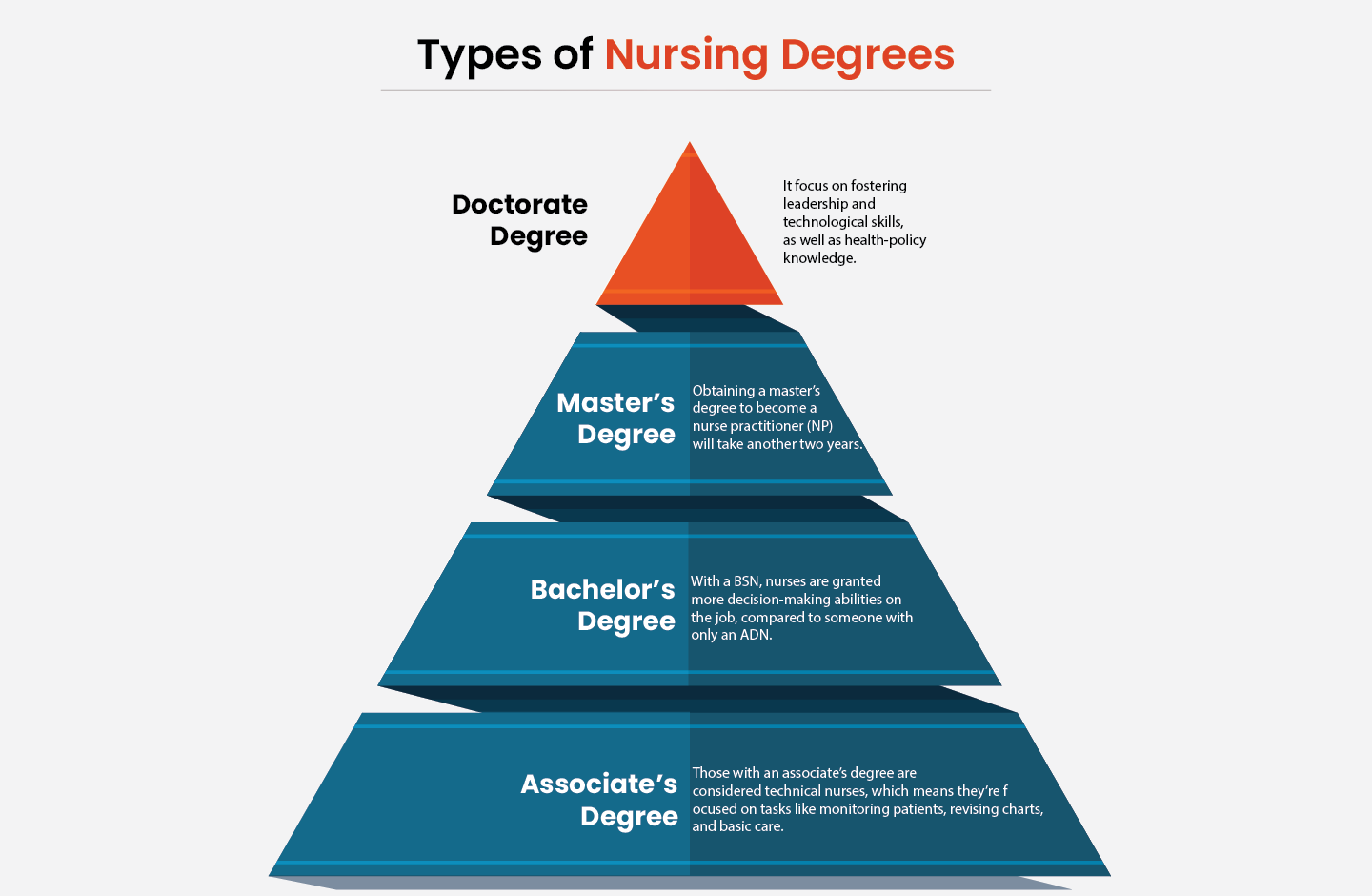
The ADN is currently the most popular entry-level degree for Registered Nurses. Offered by community and technical colleges, these programs typically take two years to complete. The curriculum balances prerequisite science courses—such as anatomy, physiology, and microbiology—with focused nursing theory and clinical rotations. The primary advantage of the ADN is its accessibility and affordability; however, many hospitals in 2026 now express a strong preference for candidates with a BSN, often requiring ADN graduates to enroll in a bridge program shortly after hire.
3. Bachelor of Science in Nursing (BSN)
The BSN is a four-year degree offered by colleges and universities. Beyond the clinical skills taught in the ADN program, the BSN includes advanced coursework in nursing research, public health, nursing leadership, and community health. Because this degree provides a more comprehensive academic foundation, it is frequently a prerequisite for management positions, military nursing, and advanced specialized roles. As healthcare systems strive for Magnet status—an accreditation recognizing excellence in nursing—the preference for BSN-prepared nurses has become a standard industry practice.
Comparative Overview of Nursing Programs
| Feature | Associate Degree (ADN) | Bachelor of Science (BSN) | Hospital Diploma |
|---|---|---|---|
| Duration | 2 Years | 4 Years | 2–3 Years |
| Primary Setting | Community College | University | Hospital-based |
| Focus | Technical/Clinical | Theory/Leadership | Purely Clinical |
| Career Ceiling | Often requires further study | Prepares for management | Can be limiting |
Prerequisites and Admission Requirements
Before enrolling in a nursing program, applicants must complete specific general education requirements. Admission is competitive, and most programs require a minimum GPA in prerequisite courses.
- Core Sciences: Mastery of Human Anatomy, Physiology, Chemistry, and Microbiology is mandatory. These courses provide the biological framework required to understand pathology and pharmacology.
- Mathematics and English: Competency in statistics or college-level algebra, along with composition and communication courses, is required to prepare students for the rigorous documentation and data-driven nature of modern nursing.
- Standardized Entrance Exams: Many programs mandate scores from the HESI Admission Assessment (A2) or the TEAS (Test of Essential Academic Skills) exam to evaluate a candidate’s aptitude in reading, math, science, and English.
- Background Checks: Because nursing students interact with vulnerable populations, all accredited programs require a clean background check and, in many cases, proof of immunization and drug screening.
The Clinical Component: Bridging Theory and Practice
A defining characteristic of an RN nursing degree is the mandatory clinical rotation. Unlike traditional academic degrees, nursing education requires a set number of hands-on hours where students apply theoretical knowledge in a supervised clinical environment.
Students rotate through various specialties, including pediatrics, gerontology, medical-surgical nursing, and psychiatry. These rotations are not internships; they are formal academic requirements where students perform patient assessments and care under the direct guidance of a clinical instructor. Successful completion of these hours is a prerequisite for graduating and for obtaining the authorization to test (ATT) from a state Board of Nursing.
The Role of Accreditation
Prospective students must ensure their chosen nursing program is accredited by a recognized national body, such as the Commission on Collegiate Nursing Education (CCNE) or the Accreditation Commission for Education in Nursing (ACEN). Accreditation is a critical quality assurance mechanism. If a student attends a non-accredited program, they may face difficulties sitting for the NCLEX-RN, transferring credits to a higher degree program, or securing employment at major health systems that require graduation from an accredited institution.
Post-Degree Certification: The NCLEX-RN
Obtaining an RN degree is only the first step. The degree confirms that a student has mastered the required curriculum, but the state licensure—the actual "Registered Nurse" credential—is granted only after passing the NCLEX-RN. This exam is a computer-adaptive test that evaluates a candidate’s ability to apply nursing knowledge in a safe and effective manner.
The exam covers four major categories of client needs:
- Safe and Effective Care Environment: Management of care, safety, and infection control.
- Health Promotion and Maintenance: Growth and development, aging process, and prevention of illness.
- Psychosocial Integrity: Coping mechanisms and support systems.
- Physiological Integrity: Basic care, pharmacological therapies, and physiological adaptation.
Navigating the Bridge from ADN to BSN
Many RNs enter the workforce with an ADN and later complete a BSN through an RN-to-BSN bridge program. These programs are designed for working professionals and are often delivered in a hybrid or fully online format. They focus on the "missing" elements of the BSN curriculum, such as advanced nursing theory, informatics, and health systems management, acknowledging that the candidate is already a licensed clinician.
Frequently Asked Questions
Does a nursing degree guarantee a job? While the demand for nurses is high, a degree does not automatically guarantee employment. Employers prioritize candidates who have passed the NCLEX-RN, have strong clinical references, and often prefer those with BSN degrees. Networking during clinical rotations is frequently the most effective way to secure a job offer upon graduation.
What is the difference between a Registered Nurse and a Registered Nurse Practitioner? A Registered Nurse (RN) generally holds an ADN or BSN and provides direct patient care. A Nurse Practitioner (NP) is an Advanced Practice Registered Nurse (APRN) who has earned a Master’s or Doctorate degree in nursing. NPs have a wider scope of practice, including diagnosing illnesses and prescribing medications.
Can I get an RN degree online? While some theoretical coursework can be completed online, an RN degree cannot be obtained entirely online. The clinical component requires physical, in-person attendance at a healthcare facility under the supervision of a licensed instructor. Hybrid programs exist, but they still require mandatory on-site clinical hours.
How often does nursing license registration expire? Licensure renewal requirements vary by state. In most jurisdictions, RNs must renew their license every two years. Renewal typically requires proof of continuing education (CE) credits and, in some states, a minimum number of documented practice hours to ensure clinical competency is maintained.
What happens if I fail the NCLEX-RN? If a candidate fails the NCLEX-RN, they are provided with a performance report indicating the areas where they underperformed. Candidates are eligible to retake the exam after a waiting period—typically 45 days, depending on the state—up to the limit set by their specific Board of Nursing. Most students utilize focused review courses to target their identified weaknesses before the second attempt.
Strategic Next Steps
If you are pursuing an RN degree, start by evaluating your long-term career goals. If you intend to stay at the bedside in a local hospital, an ADN may provide the fastest entry into the field. However, if you have aspirations for leadership, specialized pediatric or critical care, or public health, prioritizing a BSN is a more strategic investment of time and resources. Ensure your chosen institution is accredited, confirm the clinical site availability, and maintain a high GPA in your science prerequisites to maximize your chances of admission to competitive programs.
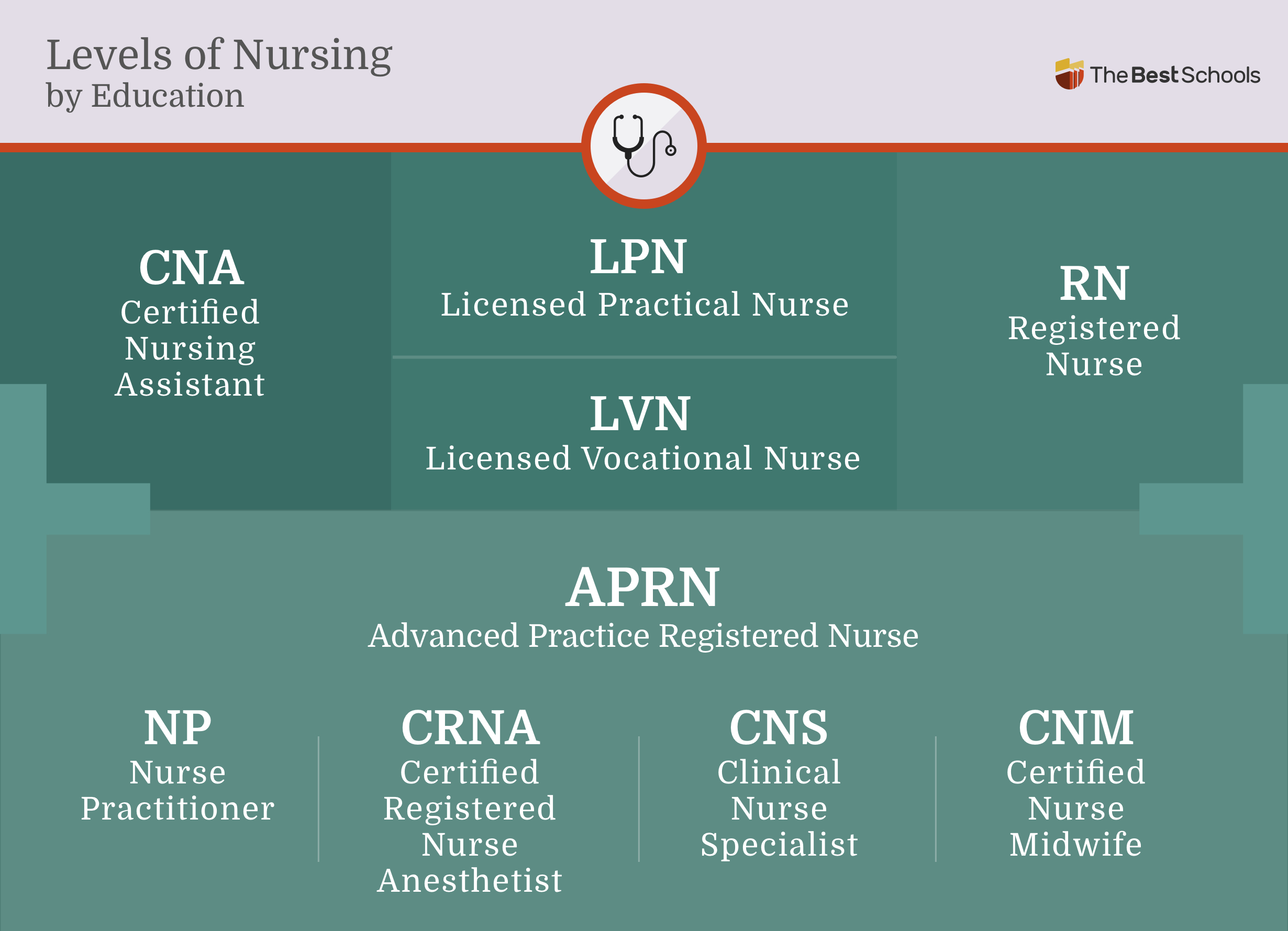
Image Gallery
Select an image to open it in a new tab.




Celine Dubois
Contemporary Living and Global Arts Columnist
