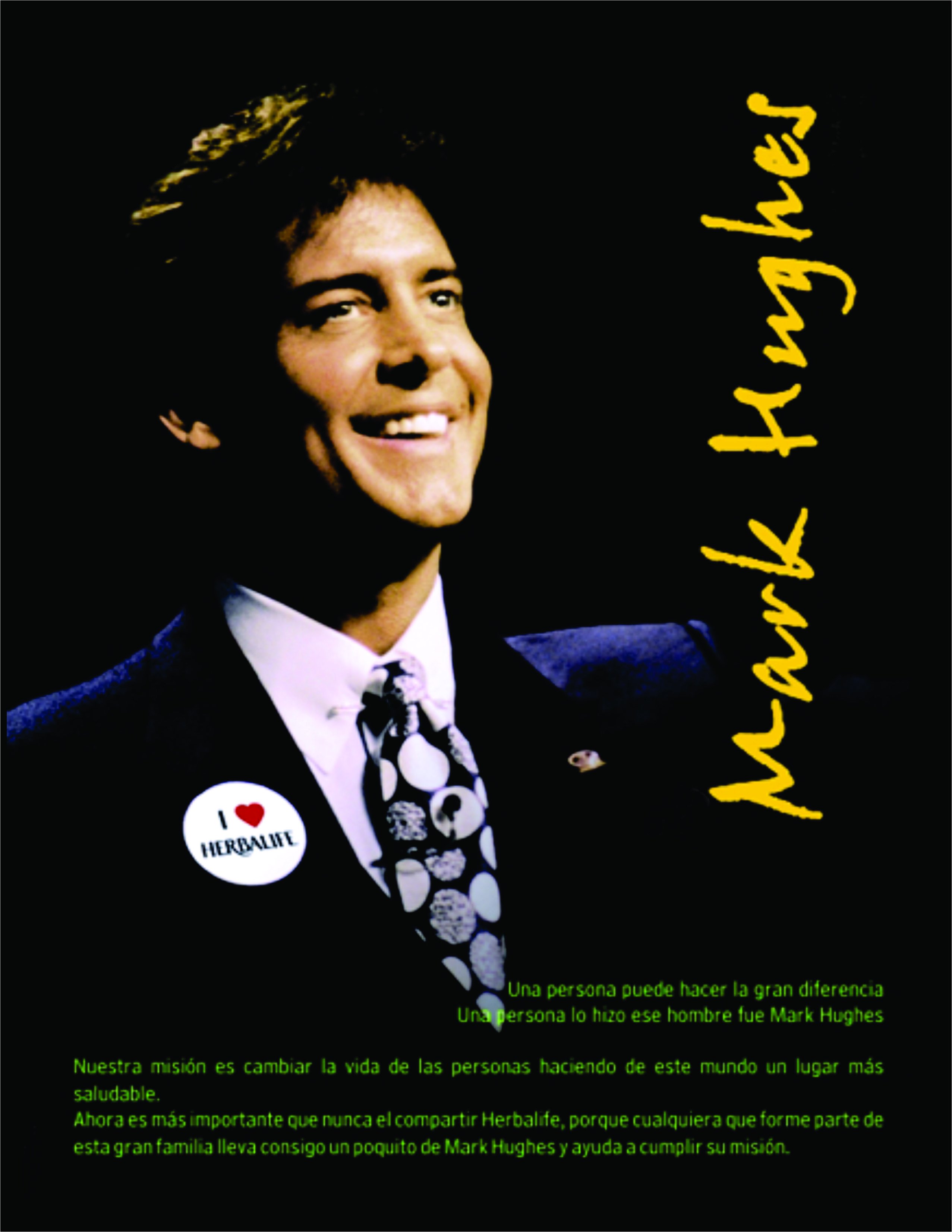
The Mark Hughes story is the foundational narrative of Herbalife International, tracing the journey of a young entrepreneur who launched a nutrition and weight-management company in 1980 from the trunk of his car. His vision focused on creating a direct-selling model centered on wellness products, which eventually transformed into a multibillion-dollar global enterprise operating in over 90 countries today.
The Origins of a Vision
Mark Reynolds Hughes was born in 1956 in La Mirada, California. His early life was marked by personal challenges, including his parents’ divorce and his mother’s long struggle with weight-control issues. Jo Ann Hughes, his mother, had sought help from various doctors and diet programs throughout her life, often relying on prescription diet pills. According to historical records and company archives, she died from an accidental overdose of prescription medication in 1975. This traumatic event served as the catalyst for Hughes’s lifelong interest in developing a safer, nutrition-based approach to weight management and overall health.
After his mother's death, Hughes began researching herbal supplements and holistic nutrition. He was heavily influenced by the work of dietitians and experts in the field of botanical health. By the late 1970s, he had gained experience in direct sales while working for other wellness and pyramid-structured companies, such as Seyforth Laboratories and Golden Youth. These roles provided him with the logistical and psychological framework he would later adapt for his own venture.
The Launch of Herbalife
In February 1980, with a modest investment and a clear set of product formulations, Mark Hughes founded Herbalife in Los Angeles. The initial product, a protein shake mix, was designed to provide balanced nutrition while supporting weight loss goals. Hughes sold these first products directly out of his car, often conducting presentations in parking lots and community centers.
The business model was built on a multi-level marketing (MLM) structure. In this setup, independent distributors earned money not only through the direct retail sale of products but also by recruiting other individuals into the sales network. This "Distributor" network allowed the company to expand rapidly without the heavy overhead costs of traditional retail storefronts or large-scale advertising campaigns. By the end of its first year, the company had reported significant sales growth, validating Hughes's belief that there was a massive consumer demand for accessible, nutritional support systems.
Growth and Public Scrutiny
As Herbalife’s revenue grew, so did the scrutiny from regulators and the media. During the 1980s, the company faced multiple investigations by the California Attorney General and the Food and Drug Administration (FDA). These investigations focused on the ingredients in the original formulas, particularly the use of certain herbs, and the structure of the compensation plan.
Hughes was frequently required to reformulate products to comply with evolving safety standards. Notably, the company transitioned away from early ingredients that were subject to regulatory warnings. Despite these hurdles, the company went public in 1986, trading on the NASDAQ. This transition brought a new level of financial accountability. Throughout the 1990s, Hughes continued to act as the public face of the brand, emphasizing the "community" aspect of the business, which encouraged distributors to host "Nutrition Clubs" and provide peer-to-peer coaching to clients.
Understanding the Multi-Level Marketing Model
The commercial success of the Mark Hughes story is inextricably linked to the MLM model. For many, it represented an opportunity for entrepreneurship without requiring high startup capital. However, it also sparked significant debate regarding income viability for the average participant.
| Aspect | Historical Context |
|---|---|
| Founded | 1980, Los Angeles, CA |
| Founder | Mark R. Hughes |
| Initial Product | Protein-based weight management shake |
| Business Model | Multi-level marketing / Direct selling |
| Regulatory Focus | Product safety, claims, and income disclosure |
The model relies on three core pillars:
- Retail Profit: Income generated from the markup on products sold directly to consumers.
- Wholesale Profit: Income generated from commissions on products purchased by a distributor’s downline.
- Royalty Overrides: Bonuses based on the performance of the broader organization developed by a top-tier distributor.
The Final Years and Legacy
Mark Hughes passed away on May 21, 2000, at the age of 44. His death was officially ruled an accidental overdose of alcohol and the antidepressant Doxepin. His passing left a leadership vacuum in the company, which was subsequently managed by a series of executives before undergoing a major private equity buyout in 2002.
The legacy of Hughes is two-fold. To his supporters, he was a visionary who empowered millions of people to take control of their health and financial future. To his critics, he was the architect of a system that often prioritized recruitment over retail sales, leading to significant financial losses for many participants. Regardless of perspective, the "Herbalife story" remains a seminal case study in the history of American direct-selling corporations.
Key Factors in the Company's Evolution
To understand the company as it exists today, one must recognize how the business adapted after Hughes’s death. The transition from a founder-led organization to a corporate entity involved stricter adherence to FTC (Federal Trade Commission) guidelines, particularly regarding the distinction between legitimate retail-focused distributors and recruitment-focused participants.
In recent years, the company has emphasized the "Nutrition Club" model, which serves as a hub for both product sales and social interaction. This physical presence strategy shifted the brand from an exclusively home-based delivery system to a community-focused retail model.
Frequently Asked Questions
1. Was Mark Hughes a nutritionist or doctor? No. Mark Hughes did not have a background in medicine or nutrition. He was a high-school-educated entrepreneur who based his business on the advice of consultants and researchers he hired to formulate his products.
2. What happened to the original Herbalife formulas? Many of the early formulas from the 1980s were updated or discontinued following regulatory pressure. The company has since implemented a more rigorous scientific testing program for its products, employing scientists and nutritionists to ensure compliance with international food safety standards.
3. Is the company still considered a pyramid scheme? Whether or not the company is classified as a "pyramid scheme" has been the subject of intense legal and regulatory debate for decades. In 2016, following a major investigation by the Federal Trade Commission, the company agreed to pay $200 million and restructure its business practices to prove that its revenue is derived primarily from retail sales rather than recruitment.
4. How does the current business model differ from the 1980s? The modern model is heavily audited to ensure that distributors are not incentivized to purchase inventory they cannot sell. Greater transparency regarding income expectations and a shift toward verified retail transactions are the primary differences compared to the early years under Hughes.
5. How much of the company’s success was due to Mark Hughes personally? Hughes was arguably the brand's most potent marketing tool. His personal story—the loss of his mother and his subsequent mission—provided an emotional narrative that resonated with prospective distributors. Without his charisma and ability to rally large crowds, the early, rapid expansion of the brand would likely not have occurred.
Recommendation for Further Research
If you are investigating the history of the company for business or academic purposes, the best primary sources are the archived SEC (Securities and Exchange Commission) filings from the 1980s and the 2016 FTC consent decree. These documents provide the most factual, non-biased breakdown of the company's operational mechanics and legal requirements. For an understanding of the founder’s personal narrative, the company’s own historical publications provide the "official" version, which should be cross-referenced with contemporaneous news reports to achieve a balanced perspective.

Image Gallery
Select an image to open it in a new tab.



Vivian Cho
Executive IT and Emerging Technologies Reporter
