Understanding Inline Hydraulic Flow Meters: Selection, Installation, and Operational Maintenance

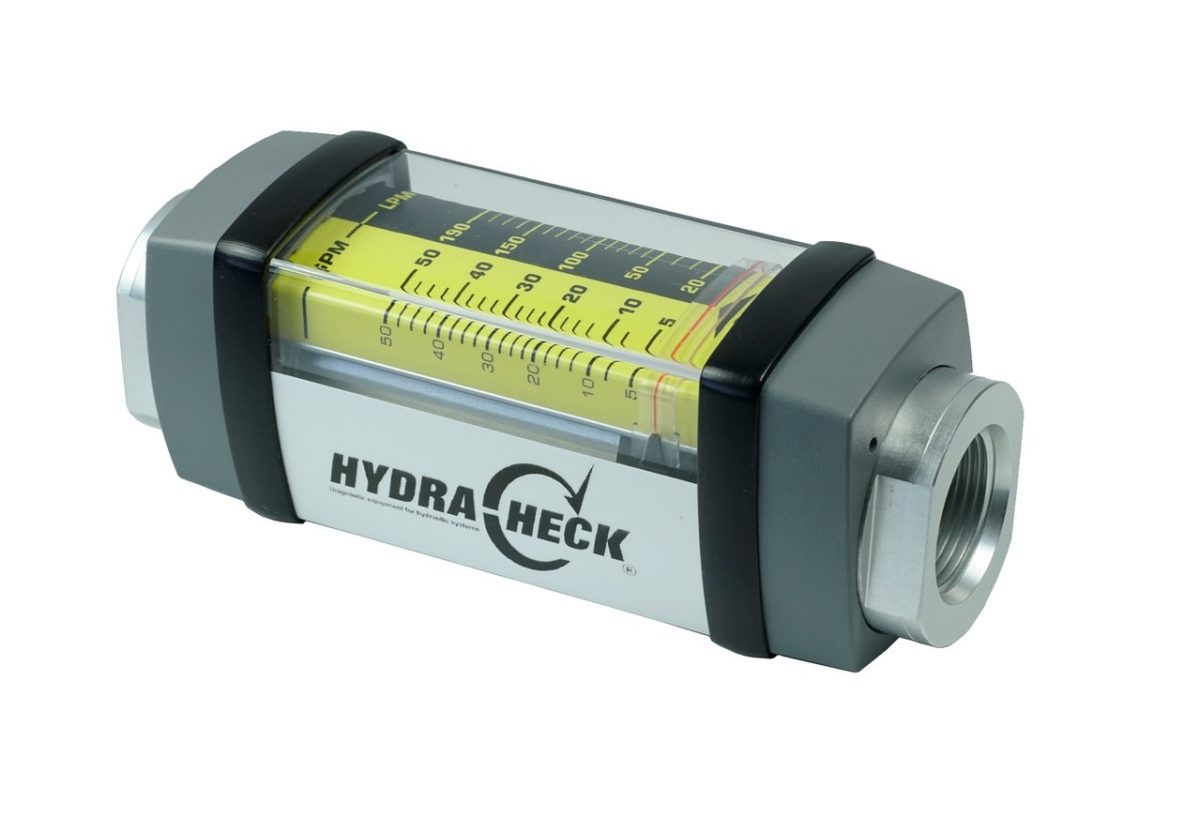
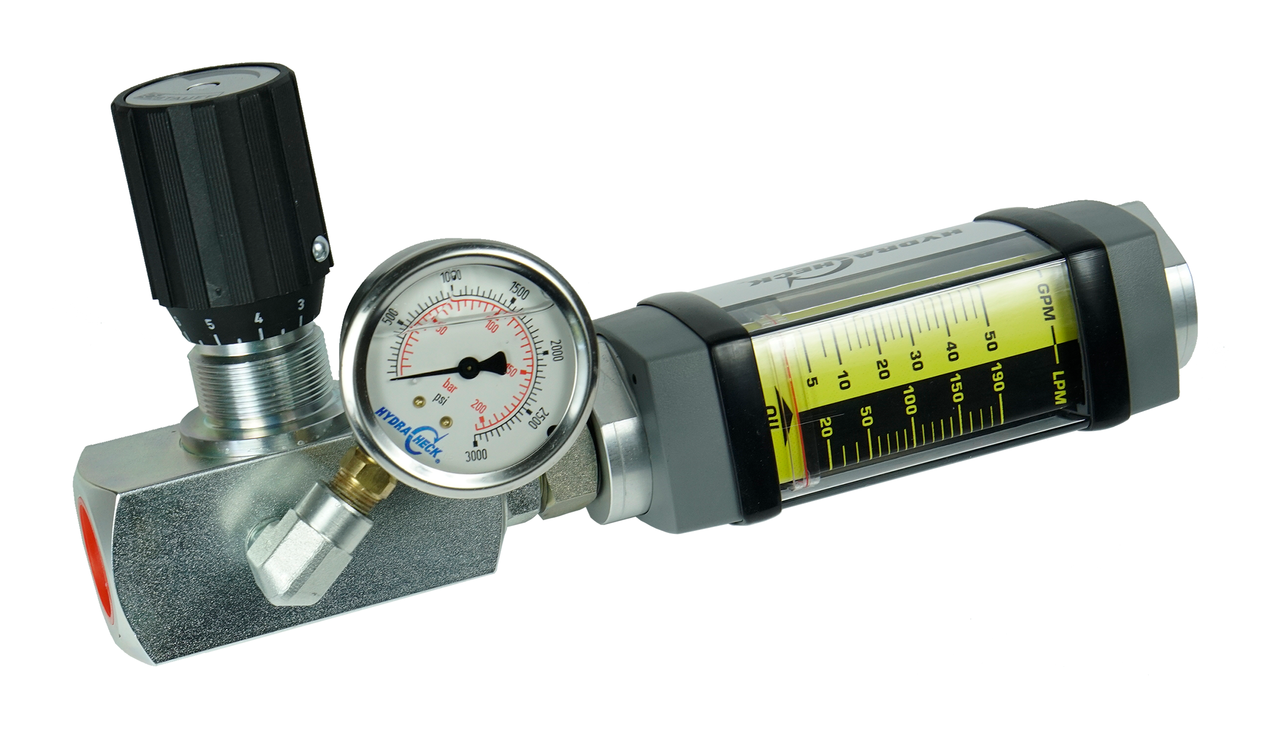
An inline hydraulic flow meter is a diagnostic instrument permanently or semi-permanently installed directly into a hydraulic circuit to measure the volumetric flow rate of fluid passing through a specific pipe or hose. By providing real-time data on fluid velocity and volume, these meters enable precise system monitoring, diagnostic troubleshooting, and the verification of hydraulic pump or actuator performance under varying load conditions.
The Role of Flow Measurement in Hydraulic Systems
Hydraulic systems rely on the controlled movement of pressurized fluid to transmit power. The efficiency and health of these systems are intrinsically linked to the fluid's flow rate. If a pump is rated to deliver 50 liters per minute (LPM) but only delivers 40 LPM under load, internal wear is likely present. An inline hydraulic flow meter serves as the "vital signs monitor" for this circuit, allowing maintenance professionals and machine operators to detect efficiency drops before they manifest as catastrophic component failure.
Unlike portable flow testers, which are typically used for periodic spot checks and then removed, inline flow meters are designed for constant or frequent intermittent monitoring. They are integrated into the plumbing, usually at a location where they can monitor the output of a pump, the input to a motor, or the return line to a reservoir.
Operating Principles and Meter Types
The selection of an inline hydraulic flow meter is dictated by the physical properties of the system, including pressure, temperature, fluid viscosity, and the specific mechanism used to measure flow.
Variable Area (Rotameter) Meters
These are among the most common mechanical inline flow meters. They consist of a tapered tube and a float. As fluid flows upward through the tube, the float rises until the annular space between the float and the tube wall is sufficient to allow the fluid to pass. The height of the float corresponds to a flow rate marked on a scale.
- Pros: Simple, reliable, requires no external power source.
- Cons: Must be mounted vertically, can be affected by fluid viscosity changes.
Turbine Flow Meters
Turbine meters utilize a rotor mounted in the path of the fluid. As fluid flows, it spins the turbine blades. The rotational speed of the turbine is directly proportional to the fluid velocity. A sensor (typically magnetic or inductive) detects the passing blades and transmits an electrical signal to a display or control system.
- Pros: High accuracy, fast response time, compact size.
- Cons: Moving parts are susceptible to wear over long periods; requires clean fluid to prevent blade damage.
Positive Displacement (Gear) Flow Meters
These meters feature two precisely machined gears that rotate within a housing. As fluid passes, it forces the gears to turn, and the volume of fluid trapped between the gear teeth and the housing wall is measured.
- Pros: Highly accurate across a wide range of viscosities, excellent for precise volumetric measurement.
- Cons: Higher cost, potential for internal leakage (bypass) at very low flow rates.
Selecting the Right Flow Meter
Before installing an inline flow meter, you must evaluate the technical requirements of your specific application. Using a meter outside of its design parameters can lead to inaccurate readings or, in extreme cases, the mechanical failure of the meter itself.
- Flow Range: Select a meter that operates within the middle 50% to 75% of its calibrated range. Measuring at the extreme low or high ends of the meter’s capability significantly reduces accuracy.
- Pressure Rating: Ensure the meter’s housing is rated for the maximum working pressure of the system, including potential pressure spikes. In high-pressure applications, the meter may become a single point of failure if not properly rated.
- Fluid Compatibility: Hydraulic fluids vary in chemical composition. Confirm that the seals (O-rings and gaskets) and housing materials are compatible with your specific fluid type (e.g., mineral-based oils, water-glycols, or phosphate esters).
- Viscosity Sensitivity: If the system operates in environments with extreme temperature fluctuations, the viscosity of the hydraulic fluid will change. Choose a meter that is compensated for viscosity changes or ensure your application operates within a stable temperature band.
- Output Requirements: Do you need a simple visual gauge, or do you require a 4-20mA or CAN bus signal to feed into a PLC (Programmable Logic Controller) or data logging system?
Comparison Table: Common Flow Meter Technologies
| Feature | Variable Area (Float) | Turbine | Positive Displacement |
|---|---|---|---|
| Primary Use | Visual local monitoring | Real-time electronic data | Precision measurement |
| Mounting | Vertical only | Any orientation | Any orientation |
| Electrical Output | No (usually) | Yes (Pulse/Frequency) | Yes (Pulse/Frequency) |
| Fluid Sensitivity | High (Viscosity) | Low | Very Low |
| Cost | Low | Moderate | High |
Installation Guidelines
Proper installation is critical for both the longevity of the meter and the accuracy of the data collected.
- Flow Straightening: Turbulence can lead to erratic readings. Most manufacturers recommend installing a straight length of pipe—typically 10 to 15 times the pipe diameter—before the inlet of the flow meter to ensure laminar flow.
- Filtration: Because many flow meters contain sensitive internal moving parts, they should always be installed downstream of a hydraulic filter. Particulate matter can jam a turbine or score the gears of a displacement meter.
- Orientation: Follow the manufacturer’s documentation regarding mounting orientation. While some meters are omnidirectional, others (specifically variable area models) are gravity-dependent and will fail to register correctly if tilted.
- Bypass Plumbing: Consider installing a bypass loop around the flow meter with shut-off valves. This allows for the removal, cleaning, or calibration of the flow meter without having to shut down the entire hydraulic system or break the primary circuit.
Common Operational Challenges and Troubleshooting
Even high-quality instrumentation can face issues in the harsh environment of a hydraulic circuit.
Erratic or Non-Responsive Readings: This is often the result of debris trapped within the meter. If a turbine meter stops spinning, check the fluid for contamination. If the blockage persists, the meter must be removed and cleaned according to the manufacturer’s service manual.
High Pressure Drop: If the meter creates too much flow restriction, it may cause the fluid to overheat. Ensure the meter is appropriately sized for the line diameter. A meter that is too small for the required flow rate will create a significant pressure drop across the internal sensing element.
Calibration Drift: Over time, mechanical components wear down, causing the output of the meter to drift from its original calibration. Establish a calibration schedule based on the severity of the application. In 2026, many industrial standards recommend annual verification for systems where flow precision is critical for safety or quality control.
Maintaining System Integrity
Safety is paramount when working with hydraulic systems. Before installing or servicing an inline hydraulic flow meter, the system must be completely depressurized. Residual pressure in a hydraulic line can cause severe injury and environmental contamination. Always verify that there is no pressure trapped between isolation valves before loosening any fittings.
Furthermore, ensure that the plumbing connections (ports and threads) are correctly matched. Using NPT (National Pipe Taper) threads in a BSPP (British Standard Parallel Pipe) port, or vice versa, is a common error that leads to catastrophic leaks and hazardous fluid injection injuries.
FAQs
1. Can I use an inline flow meter for fluids other than hydraulic oil? Most flow meters are calibrated for specific fluid densities. While many can be used with various oils or water-based mixtures, you must consult the manufacturer’s data sheet. Using the wrong fluid can lead to incorrect readings, seal degradation, or mechanical binding.
2. How often should an inline hydraulic flow meter be recalibrated? Calibration intervals depend on the application’s intensity. For mission-critical systems where accuracy is necessary to prevent machine damage, annual calibration is standard practice. For general monitoring, checking the meter against a secondary, calibrated "master" meter once every two years may suffice.
3. Does the flow meter cause a significant pressure drop in my circuit? A well-selected meter should contribute a negligible pressure drop. If your system is sensitive to pressure losses, opt for a meter with a high-flow, low-restriction design. Always review the "pressure drop vs. flow rate" graph provided in the manufacturer's technical specifications.
4. Can these meters handle pressure spikes? Hydraulic systems are prone to pressure surges. Always check the "Proof Pressure" rating of the meter. The Proof Pressure is the maximum pressure the meter can withstand for a short duration without suffering permanent damage. Ensure your system's peak pressure transients stay within this limit.
5. What is the difference between a flow meter and a flow switch? A flow meter provides a continuous, quantitative measurement of flow (e.g., 20 LPM). A flow switch only provides a binary signal—it indicates whether flow is present (above a set threshold) or absent (below that threshold). Flow switches are for alarms and safety interlocks, not for system performance analysis.
Final Recommendations
To maximize the utility of your inline hydraulic flow meter, establish a baseline reading during the initial commissioning of the machine. Record the flow rate at various operating temperatures and pressures when the components are new. This "golden baseline" provides a reference point for future diagnostics. If, after 500 or 1,000 hours of operation, you observe a deviation from this baseline despite identical operating conditions, you have early evidence of pump degradation or internal leakage, allowing you to schedule maintenance before a costly breakdown occurs.

Image Gallery
Select an image to open it in a new tab.



Celine Dubois
Contemporary Living and Global Arts Columnist
