
Navigating the complexities of auto insurance in New York requires distinguishing between persistent industry folklore and the state's specific regulatory framework. Many drivers make financial or coverage decisions based on common misconceptions regarding premium calculations, "no-fault" protections, and the impact of traffic violations. Understanding the New York Department of Financial Services (DFS) regulations and mandatory minimums is essential for securing appropriate protection.
The Foundation: Understanding New York’s No-Fault System
A pervasive myth surrounding New York auto insurance is the idea that the "No-Fault" law eliminates the possibility of being sued or suing another party. In reality, New York operates under a Comprehensive Motor Vehicle Insurance Reparations Act, commonly known as the No-Fault law.
This system requires your own insurance company to pay for your basic economic losses—such as medical bills and lost earnings—regardless of who caused the accident, up to the limits of your Personal Injury Protection (PIP) coverage. However, the "No-Fault" designation does not grant total immunity from liability. If an accident results in "serious injury" as defined by New York Insurance Law Section 5102(d), or if economic losses exceed your policy’s coverage limits, you retain the right to pursue a claim against the at-fault driver. Understanding this distinction is the first step in avoiding the false sense of security that leads many drivers to carry only the state-mandated minimums.
Myth 1: Red Cars Cost More to Insure
One of the oldest and most persistent myths in the insurance industry is that the color of your vehicle influences your premium. Drivers often avoid purchasing bright red vehicles under the mistaken impression that they are "speed magnets" or are statistically more likely to be involved in accidents.
Insurance companies base their underwriting decisions on actuarial data, which focuses on the vehicle’s make, model, year, body type, and engine size. They analyze the cost of repairs, the likelihood of theft, the safety features installed, and the historical claim frequency for that specific vehicle identification number (VIN). The paint color is irrelevant to the risk profile of the car. If you find two cars with identical mechanical specifications and safety ratings, their premiums will remain the same regardless of whether one is bright red and the other is silver.
Myth 2: Older Drivers Always Pay Higher Premiums
There is a common belief that as soon as a driver hits a certain age—typically 65 or 70—their insurance premiums will skyrocket. While it is true that insurance rates can increase for senior drivers, the "why" is often misunderstood.
Insurers do not simply raise rates based on a birthdate. Instead, they analyze driving patterns. Statistically, older drivers may experience higher rates due to decreased reaction times or vision changes that lead to an increased frequency of minor accidents. However, many senior drivers qualify for significant discounts by completing defensive driving courses recognized by the New York State Department of Motor Vehicles (DMV). Additionally, if an older driver reduces their annual mileage or transitions to a safer vehicle, they may actually see their premiums decrease. The key factor is the individual risk assessment, not the age itself.
Myth 3: Your Credit Score Has No Impact on Premiums
In many states, insurance companies use credit-based insurance scores to help determine premiums. A persistent myth in New York is that credit history is completely ignored.
While New York has strict regulations concerning the use of credit scores, they are not entirely absent from the conversation. Insurance companies may use "insurance scoring" models that consider elements of your credit history to predict the likelihood of future claims. Under New York DFS regulations, insurers must be transparent about how these scores are used and must provide notice to the consumer if their credit information negatively impacts their rate. It is a mistake to assume your financial habits do not play a role in your annual insurance expenditure.
Myth 4: The Minimum Coverage is Always Sufficient
Many New York drivers believe that by purchasing the state-mandated minimum liability insurance, they are fully protected. As of 2026, New York law requires a minimum of $25,000 for bodily injury to one person, $50,000 for bodily injury to all persons in an accident, and $10,000 for property damage.
This is a dangerous myth. If you are found at fault in a major accident, damages can easily exceed these modest thresholds. Once your insurance policy hits its limit, you become personally liable for the remaining balance. This puts your personal assets—including your savings, your home, and your future wages—at risk. Financial planners and insurance professionals universally advise carrying "umbrella" coverage or higher liability limits to provide a buffer against catastrophic financial loss.
Myth 5: Your Insurance Follows the Car, Not the Driver
Many people operate under the assumption that if they lend their car to a friend, their insurance will automatically cover any accidents that occur. While it is true that in New York, the insurance usually follows the car, there are significant nuances.
If the person borrowing your car has their own insurance, their policy might act as primary or secondary coverage depending on the specific language in both contracts. If the borrower is an excluded driver on your policy, or if they are driving the vehicle regularly without being listed as a household member, your insurer may deny the claim. Relying on this myth can leave you with a damaged vehicle and a claim denial that you didn't see coming.
Comparative Table: Common Myths vs. Insurance Reality
| Myth | Reality |
|---|---|
| Red cars are more expensive to insure | Insurance relies on VIN, safety ratings, and engine specs, not color. |
| Age is the only factor for senior rates | Driving frequency and completion of defensive driving courses influence rates. |
| Minimum insurance is enough | Minimums rarely cover the total costs of a major accident, risking your assets. |
| Insurance always covers any driver | Policies have specific exclusions; unauthorized or regular drivers must be listed. |
| Claims always lead to immediate cancellation | Insurers look at frequency and severity; one claim rarely causes automatic non-renewal. |
The Impact of Traffic Violations and Points
A major source of anxiety for New York drivers is the belief that a single speeding ticket will cause their premiums to double immediately. While it is true that traffic violations, particularly those that result in points on your driver’s license, can lead to premium increases, the process is rarely instantaneous.
Insurers typically review your driving record at the time of policy renewal. They check the New York DMV database for convictions, not just allegations. If you contest a ticket and get it reduced to a non-moving violation, it may not impact your insurance rates at all. Furthermore, many carriers offer "accident forgiveness" or "violation forgiveness" programs as part of their loyalty incentives. You should contact your agent after a violation to ask how a potential conviction might affect your specific tier, rather than assuming the worst immediately.
Understanding Deductibles and Out-of-Pocket Costs
Many drivers believe that selecting the highest possible deductible is always the best way to save money. A high deductible lowers your premium because you are agreeing to shoulder more of the risk if you file a claim. However, if you cannot afford to pay that $2,000 deductible when an accident occurs, you effectively lose the ability to use your insurance when you need it most.
When choosing a deductible, perform a "liquidity test." If you do not have the deductible amount in an accessible savings account, you should consider a lower deductible. Paying slightly more per month for a $500 deductible is often a more sound financial strategy than paying less for a $2,000 deductible that you cannot afford to trigger.
The Role of Independent Agents vs. Captive Agents
There is a lingering myth that buying insurance through a large, well-known brand is safer or more cost-effective than using an independent insurance agent. Captive agents work for one specific insurance company and can only offer that company's products. Independent agents, by contrast, represent multiple insurers.
The reality is that an independent agent acts as an advocate for you. They can compare quotes from various carriers and help you understand the exclusions specific to each policy. In a complex insurance market like New York, having an agent who can explain the differences between "Actual Cash Value" and "Replacement Cost" coverage—and how those apply to your specific vehicle—is an invaluable service that you do not get from a generic online quote form.
Practical Steps for Smart Insurance Management
To optimize your New York auto insurance, follow these professional recommendations:
- Annual Reviews: Do not set your policy and forget it. Every year, review your declaration page to ensure the listed drivers are correct and your coverage limits still align with your net worth.
- Discounts: Specifically inquire about "Safe Driver" discounts, bundling discounts (if you have homeowners or renters insurance), and low-mileage discounts.
- Documentation: Keep a copy of your insurance ID card in your vehicle at all times. In New York, failure to provide proof of insurance can lead to license suspension.
- Claims Process: If you are involved in an accident, take photos, get the other party's insurance information, and file a police report immediately. Documentation is the most powerful tool in navigating the claims process.
If you are unsure about your current coverage, pull your "Declaration Page." This document lists your coverages, limits, and deductibles. If you find terms you do not understand, call your insurer directly or consult your agent. Understanding your policy today prevents a costly disaster tomorrow.
Frequently Asked Questions
Does a lapse in insurance coverage lead to automatic permanent rate hikes? A lapse in coverage makes you a "high-risk" driver in the eyes of insurers, which can lead to higher premiums. New York also has strict penalties for gaps in insurance, including license and registration suspension. Maintaining continuous coverage is vital to keeping your rates stable and your legal standing secure.
Is it true that luxury cars are always more expensive to insure? Not necessarily. While luxury cars have high repair costs, they often come equipped with advanced safety features like collision avoidance systems and telematics, which can earn you discounts. The premium depends on the statistical likelihood of that vehicle being involved in a claim, not just its purchase price.
Can I be dropped by my insurance company for a single claim? While an insurer can choose not to renew a policy under certain circumstances, they cannot typically cancel a policy mid-term just for filing a claim, provided the policy is not in its first 60 days. Excessive claims or fraudulent behavior are the primary reasons for non-renewal, not one-time mishaps.
Do I need full coverage if my car is paid off? Legally, no. However, if your vehicle has significant value, dropping comprehensive and collision coverage means you are personally responsible for the cost of repairs if you cause an accident or if the car is stolen. The decision should be based on whether you can afford to replace the vehicle out-of-pocket.
How often should I shop for new insurance rates? It is a good practice to review your rates every 12 to 24 months. Markets change, and your personal risk profile—such as your commute length or your credit score—evolves over time. Checking rates regularly ensures you aren't paying for "loyalty" that isn't reflected in your premium.
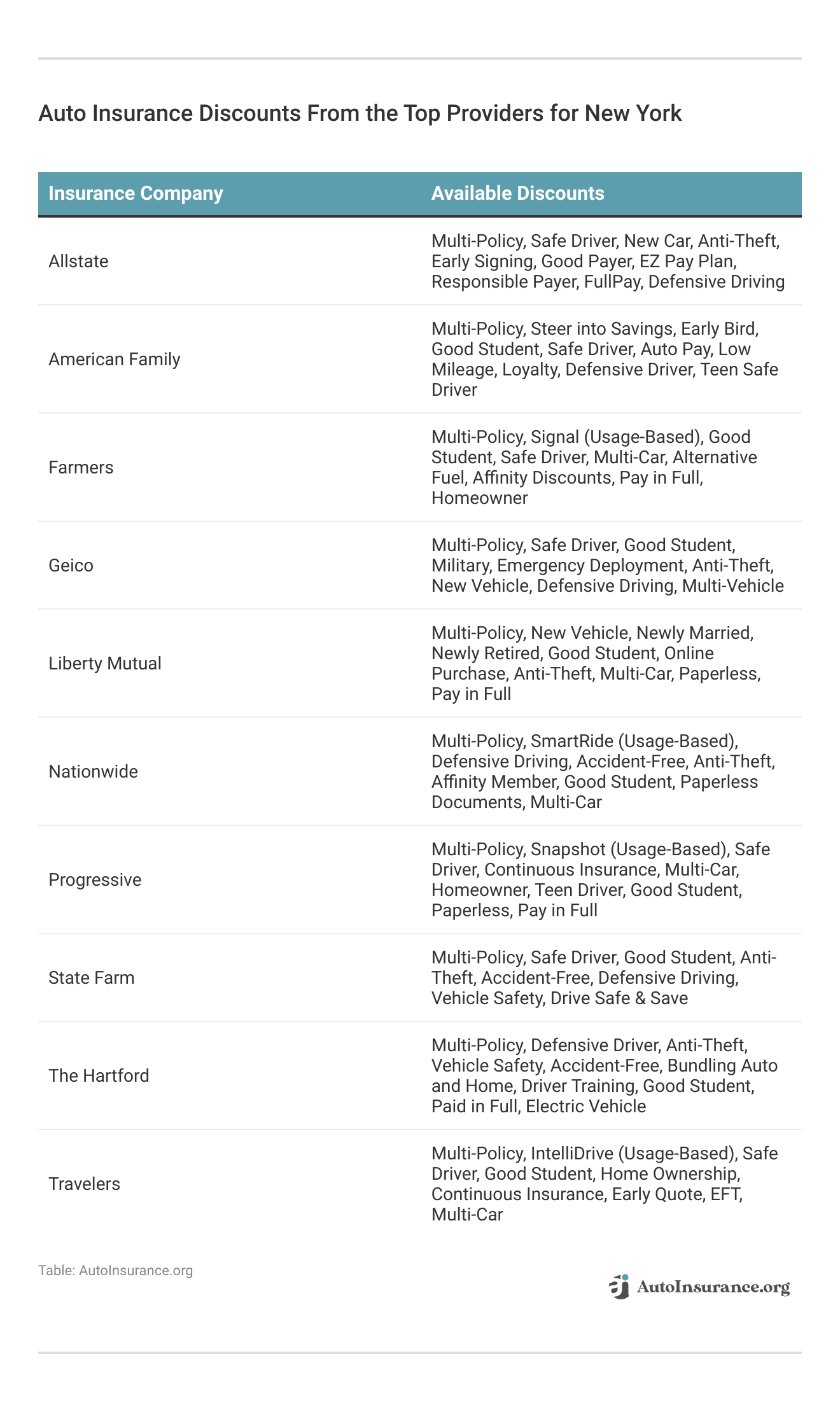
Image Gallery
Select an image to open it in a new tab.


Declan O'Connor
Higher Education and Campus Culture Reporter
