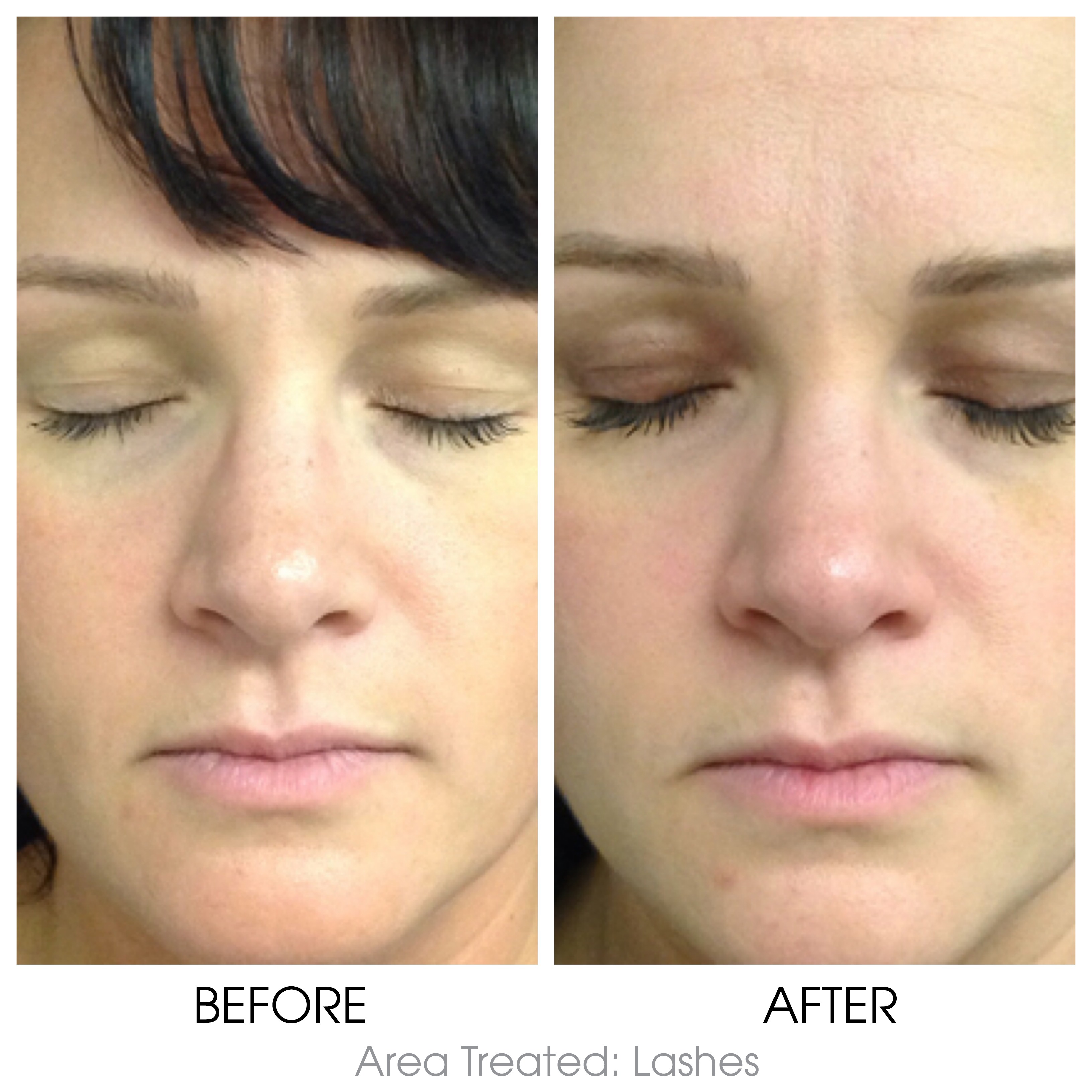
Lash serums function primarily by extending the growth phase of the eyelash hair follicle or by conditioning existing lashes to prevent breakage, creating the appearance of greater density and length. While FDA-approved prostaglandin analogs provide clinically proven lengthening, over-the-counter peptide-based serums focus on hydration and structural integrity, resulting in healthier, but not necessarily longer, lashes.
Understanding the Eyelash Growth Cycle
To determine if a lash serum "works," one must first understand the biological constraints of eyelash growth. Unlike the hair on your scalp, eyelashes follow a distinct three-phase cycle: the anagen (growth) phase, the catagen (transition) phase, and the telogen (resting/shedding) phase.
The anagen phase for eyelashes is relatively short—typically lasting only 30 to 45 days. This explains why eyelashes do not grow to the same length as head hair; they simply do not have enough time to do so before they transition into the catagen phase and eventually shed. The effectiveness of any lash serum is inherently linked to its ability to modulate these phases. If a product claims to grow lashes, it must either prolong the anagen phase or increase the rate of production during that timeframe.
Differentiating Between Prostaglandin Analogs and Peptide Serums
The cosmetic market categorizes lash serums into two primary technical groups, which function through entirely different mechanisms. Distinguishing between them is essential for managing expectations regarding safety and efficacy.
Prostaglandin Analogs (The Prescription-Strength Category)
Prostaglandin analogs were originally developed as treatments for glaucoma. Clinicians observed that patients using these eye drops experienced a notable side effect: longer, darker, and thicker eyelashes. Consequently, synthetic versions (such as bimatoprost) were formulated into FDA-approved prescription treatments. These compounds work by chemically extending the anagen phase of the follicle. Because they interact with hormone receptors, they are highly effective but carry a specific risk profile, including potential iris pigmentation, periorbital fat loss (sunken eyes), and irritation.
Peptide and Botanical Serums (The Over-the-Counter Category)
Most consumer-facing lash serums sold in retail stores do not contain prostaglandin analogs. Instead, they rely on a cocktail of peptides, vitamins (like biotin or panthenol), and botanical extracts (such as hyaluronic acid or pumpkin seed extract). These products do not technically "grow" new hair in the biological sense. Instead, they act as deep conditioners. By coating the eyelash in proteins and humectants, these serums prevent the hair from becoming brittle and snapping prematurely. A lash that does not break is a lash that reaches its maximum potential length, which creates the visual effect of increased growth.
Evaluating Performance and Real-World Results
When assessing whether a product works, users must define their metric for success. If the goal is "dramatic growth comparable to extensions," over-the-counter peptide serums will likely underperform. However, if the goal is "healthier, fuller-looking lashes that resist fallout," these products are highly effective.
The primary limitation of all topical serums is consistency. Because the hair follicle must be treated during its active growth phase, missing applications can interrupt the signaling process. Furthermore, because the full life cycle of an eyelash is roughly 90 to 120 days, users rarely see a significant change in volume before the three-month mark. Patience is not just a suggestion; it is a physiological requirement.
Comparative Analysis of Serum Types
| Serum Feature | Prostaglandin-Based | Peptide/Nutrient-Based |
|---|---|---|
| Primary Mechanism | Prolongs anagen phase | Conditions and strengthens |
| Growth Potential | High (actual length increase) | Low (perceived increase via reduced breakage) |
| Typical Cost | High ($100–$180 per unit) | Moderate ($30–$90 per unit) |
| Safety Profile | Requires medical supervision | Generally safe for daily use |
| Main Drawback | Potential for side effects | Effects vanish if use stops |
Common Mistakes and Safety Considerations
Many users inadvertently undermine the efficacy of their lash serum through improper application techniques. The most common error is applying the serum directly to the tips of the lashes rather than the skin of the lash line. The follicles—the only part of the hair that can be biologically influenced—reside within the eyelid skin. Serum sitting on the hair shaft does nothing but provide a temporary coating.
Safety is another critical factor. The skin around the eye is the thinnest on the human body and highly permeable. Users should always check ingredient lists for known allergens. If a serum causes stinging, redness, or blurred vision, use should be discontinued immediately. It is also important to note that if you wear contact lenses, you should remove them before application and wait at least 15 minutes before re-inserting them to prevent the serum from being trapped between the lens and the eye, which can lead to staining or irritation.
Troubleshooting Lack of Results
If you have been using a high-quality serum for over three months with no visible improvement, consider the following troubleshooting steps:
- Verify the Application Method: Are you reaching the root? Use a fine-tip brush to deposit the product precisely where the lashes emerge from the eyelid.
- Review Other Products: Waterproof mascara and oil-based makeup removers can leave residues that block the hair follicle. Ensure the lash line is completely clean before applying your serum at night.
- Assess Lash Health: If your lashes are damaged from frequent heat curling or poor-quality lash extensions, they may be in the telogen phase. It will take one full growth cycle (roughly 12 weeks) for these damaged lashes to be replaced by new, treated growth.
- Check for Counterfeits: The popularity of high-end lash serums has led to a surge in counterfeit products sold through secondary online marketplaces. Always purchase directly from authorized retailers or the brand's official website.
Frequently Asked Questions
Does stopping the use of lash serum cause all my lashes to fall out? No, using a lash serum does not cause an "addiction" or accelerated shedding upon cessation. However, once you stop the treatment, the growth cycle of your lashes will return to its natural, baseline state. Since you no longer have the serum extending the growth phase, the lashes that grew longer under treatment will eventually shed, and your new lashes will grow back to their normal, shorter length.
Can I use lash serum while wearing lash extensions? Generally, yes, but you must ensure the serum is oil-free. Many lash extension adhesives are oil-soluble, meaning an oil-based serum will dissolve the glue and cause the extensions to fall out prematurely. Always confirm the compatibility of your specific serum with your lash technician.
Do these serums work for everyone? Results are not uniform. Individual genetic factors determine the maximum length and density an eyelash can reach. While most users see an improvement in the health and structural integrity of their lashes, some may not experience significant length gains, particularly if their follicles are already at their biological maximum.
Is it safe to use lash serum during pregnancy or while breastfeeding? You should consult your OB/GYN before using any lash serum during pregnancy or lactation. Many dermatologists advise against the use of prostaglandin-based serums during these periods as a precautionary measure due to systemic absorption concerns.
Can I use the same serum on my eyebrows? While many formulas are technically safe for both, the skin on the eyebrows is thicker and may not absorb the product as effectively as the thin skin of the eyelid. Furthermore, the growth cycle of brow hair differs from that of lashes, meaning you may require a product specifically formulated with higher concentrations of active ingredients to see results on the brows.
Final Recommendation
If you are seeking a visible change in lash length, look for products that contain clinically studied ingredients, but be mindful of the risks associated with prostaglandin analogs. If your priority is long-term lash health and preventing premature breakage, a high-quality peptide serum is the most effective, safest choice. Begin by identifying your specific goal, selecting a reputable brand, and committing to a consistent, daily application routine for at least 90 days. If you experience persistent irritation or adverse reactions, consult a dermatologist to determine if an ingredient in your serum is incompatible with your skin sensitivity.

Image Gallery
Select an image to open it in a new tab.

Omar Farooq
EdTech Innovation and Virtual Pedagogy Journalist
