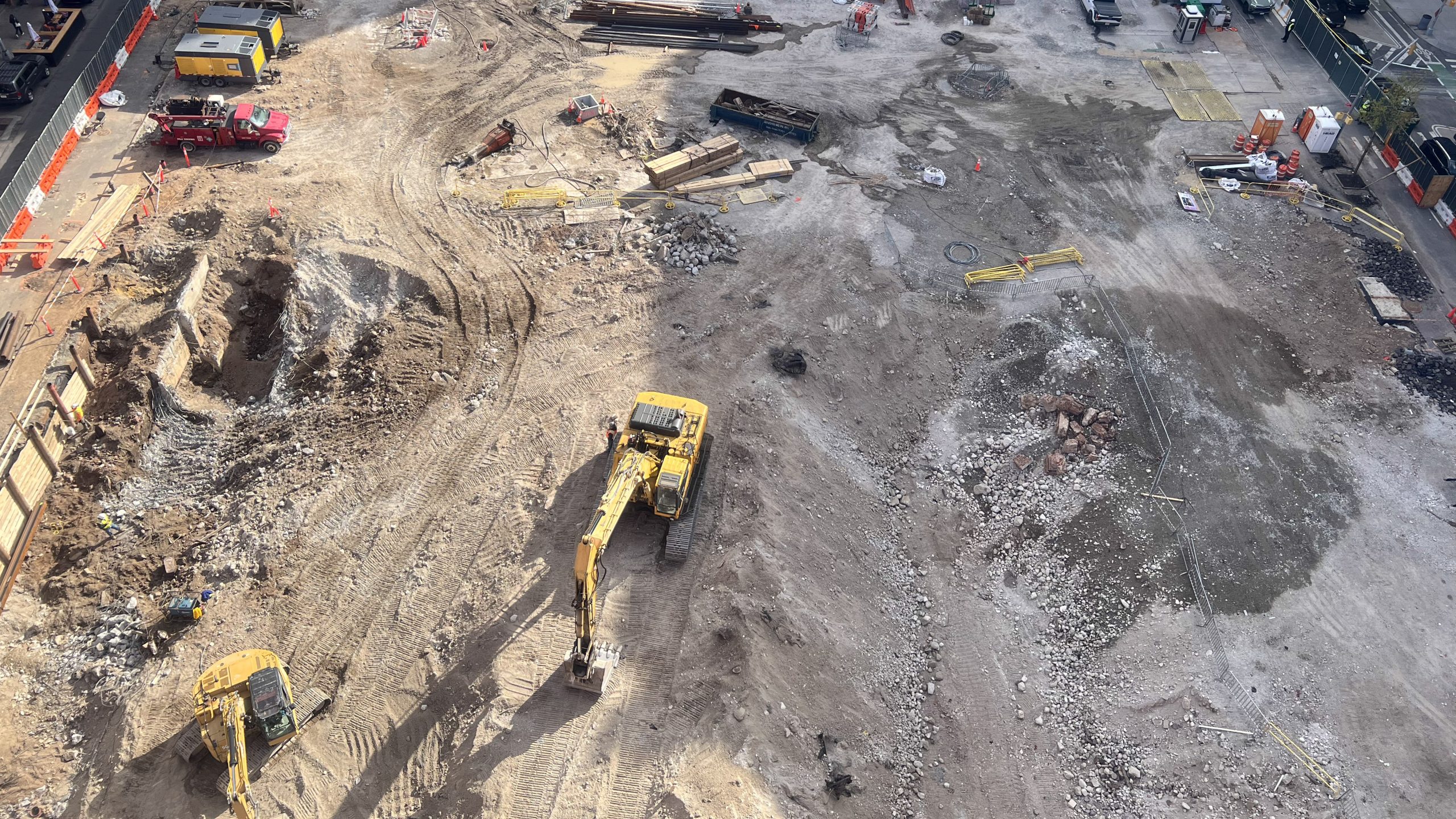
Navigating construction hours in Washington, D.C., is frequently misunderstood because standard daytime allowances under the District of Columbia Municipal Regulations (DCMR) do not grant a blanket right to build at all hours, nor do they account for strict historic preservation rules, weekend bans, and neighborhood-specific noise mitigation plans. Project managers, homeowners, and contractors regularly run afoul of the Department of Buildings (DOB) and the Department of Energy and Environment (DOEE) by assuming that standard commercial hours apply universally across residential zones and historic districts.
Understanding the complex web of local ordinances requires looking beyond basic permit windows. Construction activity in the District is governed by a combination of zoning laws, the District's noise control regulations, and specialized conditions tied to specific building permits. Misinterpreting these rules can lead to immediate stop-work orders, heavy financial penalties, and project delays that ripple across commercial and residential developments alike.
The Regulatory Framework: Standard Construction Hours vs. Noise Regulations
The most common point of confusion regarding construction hours in Washington, D.C., stems from the overlap between general building permissions and environmental noise standards. Under Title 20 of the DCMR, the city establishes maximum permissible noise levels for different zones, but it also carves out specific exemptions for construction equipment during designated daytime hours.
Generally, standard construction work is permitted Monday through Saturday between the hours of 7:00 a.m. and 7:00 p.m. However, these hours do not mean that loud, disruptive activities can happen continuously without restriction. The DC Department of Energy and Environment enforces noise limits that apply to power equipment, pile drivers, jackhammers, and heavy trucks.
When contractors assume that holding a valid building permit gives them carte blanche to operate heavy machinery at 7:01 a.m. on a Saturday, they often violate localized noise thresholds. Furthermore, Sunday construction is heavily restricted or entirely prohibited unless a specific after-hours permit has been granted by the DC Department of Buildings (DOB).
Key Regulatory Bodies Governing DC Construction
- Department of Buildings (DOB): Issues building permits, inspects structures, and enforces zoning and construction code compliance, including approved working hours.
- Department of Energy and Environment (DOEE): Regulates environmental noise pollution, sets decibel limits for construction equipment, and reviews noise mitigation plans.
- Historic Preservation Review Board (HPRB): Imposes stricter operational controls and specialized hours for properties located within historic districts.
- District Department of Transportation (DDOT): Manages public space permits, which dictate when contractors can close lanes, obstruct sidewalks, or stage equipment on public streets.
Residential vs. Commercial Zones: Where the Rules Diverge
Another frequent misconception is that construction hours are uniform across the entire city. In reality, the zoning designation of a parcel dictates how strictly the rules are enforced and what types of work are permissible outside of standard windows.
In residential zones (R-districts), restrictions are exceptionally tight. While 7:00 a.m. to 7:00 p.m. remains the baseline for daytime work, neighborhood opposition, localized parking restrictions, and residential noise complaints trigger much higher scrutiny from inspectors. Contractors working near schools, hospitals, or dense residential row houses often face localized curfews or mandatory quiet hours that curtail noisy activities during early morning or evening transition periods.
Commercial and mixed-use zones (such as downtown high-density commercial corridors) offer slightly more operational flexibility, particularly for interior fit-outs and infrastructure upgrades. However, these projects frequently intersect with pedestrian traffic management plans and evening noise ordinances. For instance, retail renovations in busy commercial areas may be pushed into nighttime hours to avoid blocking daytime foot traffic, but doing so requires specialized after-hours noise variances from the DOEE.

The Myth of Weekend and Holiday Work
A widespread assumption among out-of-town developers is that Saturdays and Sundays function like regular weekdays for construction crews. In Washington, D.C., Saturday construction is legally permissible under standard permits, but it is subject to intense community monitoring and strict adherence to noise thresholds.
Sundays represent a sharp legal boundary. By default, heavy construction, structural framing, exterior demolition, and the operation of heavy combustion-engine equipment are prohibited on Sundays in residential zones. Working on a Sunday requires an explicit after-hours permit issued by the DOB. These permits are rarely granted for standard residential renovations and are typically reserved for major public infrastructure projects, utility emergency repairs, or critical commercial operations where daytime work would pose severe public safety hazards.
| Day Type | Standard Permitted Hours | Special Requirements / Restrictions |
|---|---|---|
| Monday – Friday | 7:00 a.m. – 7:00 p.m. | Subject to standard DOEE decibel limits; heavy truck staging restricted in residential zones during peak rush hours. |
| Saturday | 7:00 a.m. – 7:00 p.m. | Permitted under standard building permits, but heavily monitored for noise complaints and traffic obstruction. |
| Sunday | Prohibited (Unless Permitted) | Requires an explicit after-hours permit from the DOB; restricted to emergency utility or critical infrastructure work. |
| Federal / District Holidays | Varies / Often Prohibited | Local ordinances and neighborhood agreements frequently ban noisy construction on official holidays. |
Historic Districts and Special Overlays
Washington, D.C., contains numerous historic districts, including Georgetown, Capitol Hill, and Anacostia, alongside specific commercial overlays. Properties located within these boundaries are subject to oversight by the Historic Preservation Review Board (HPRB) or the Historic Preservation Office (HPO).
In these areas, construction hours are often restricted beyond the standard 7:00 a.m. to 7:00 p.m. window to preserve the peace and architectural integrity of the neighborhood. Contractors may find that exterior work, restorative carpentry, and masonry are barred entirely on weekends, or that work cannot commence until 8:00 a.m. to accommodate residential character guidelines. Ignoring these localized overlay restrictions can result in immediate revocation of historic preservation clearance, halting a project indefinitely.
Public Space Permits and DDOT Restrictions
Construction hours are further complicated by the fact that building on private property often requires utilizing public space. The District Department of Transportation (DDOT) regulates public space occupancy, including dumpsters, scaffolding, material staging, and street or sidewalk closures.
Even if the DOB permits a contractor to work until 7:00 p.m., the DDOT public space permit may dictate that lane closures or sidewalk blockages must end by 3:30 p.m. to prevent afternoon rush-hour traffic congestion. Contractors who conflate building permit hours with public space occupancy hours frequently find themselves facing citations for obstructing public thoroughfares during prohibited evening or morning windows.
Consequences of Non-Compliance: Stop-Work Orders and Fines
Misunderstanding construction hours in D.C. carries severe financial and administrative penalties. The DOB and DOEE maintain active inspection staffs that respond rapidly to resident complaints.
When inspectors discover work occurring outside authorized hours or exceeding permitted noise thresholds, they can issue an immediate Stop-Work Order (SWO). Reversing an SWO requires filing formal appeals, paying re-inspection fees, and occasionally appearing before the Office of Administrative Hearings (OAH). Furthermore, civil fines for illegal after-hours work can accumulate rapidly, drastically inflating project budgets.
Frequently Asked Questions
Can construction start before 7:00 a.m. if it is inside a building?
No. Standard interior construction noise is bound by the same 7:00 a.m. start time in residential and commercial zones, unless a specific after-hours variance has been officially approved and posted on-site by the DOB.
Are interior renovations exempt from weekend construction bans?
Interior work is generally permitted on Saturdays between 7:00 a.m. and 7:00 p.m. provided it does not violate decibel limits. However, Sunday interior work still requires an after-hours permit, particularly in multi-family residential buildings where noise travels easily between units.
How do I apply for an after-hours construction permit in D.C.?
Applications for after-hours work must be submitted electronically through the DOB permit portal. Applicants must demonstrate good cause, such as public safety necessity, traffic mitigation, or emergency utility repairs, and notify affected neighbors in advance.
What should I do if a construction crew is working illegally outside permitted hours?
Residents can report illegal construction activity or excessive noise directly to the District's 311 service system online, via the mobile app, or by calling 311. This dispatches an inspector from the DOB or DOEE to investigate the site.
Do federal projects in D.C. follow District construction hour rules?
Federal properties and installations possess a degree of sovereign immunity from local zoning and building codes, though federal agencies typically coordinate voluntary compliance with local noise guidelines and municipal authorities.
Practical Next Actions for Property Owners and Contractors
To prevent costly delays and regulatory penalties, project stakeholders must adopt a proactive verification strategy before breaking ground in the District. Always review the specific conditions printed on the DOB building permit, cross-reference them with DDOT public space occupancy limitations, and check whether the property falls within an HPRB historic overlay. Establishing open lines of communication with immediate neighbors regarding anticipated work schedules remains one of the most effective methods for avoiding contentious disputes and unnecessary municipal inspections.
Image Gallery
Select an image to open it in a new tab.

Lars Thomsen
Global Labor Markets and Economic Strategy Editor
