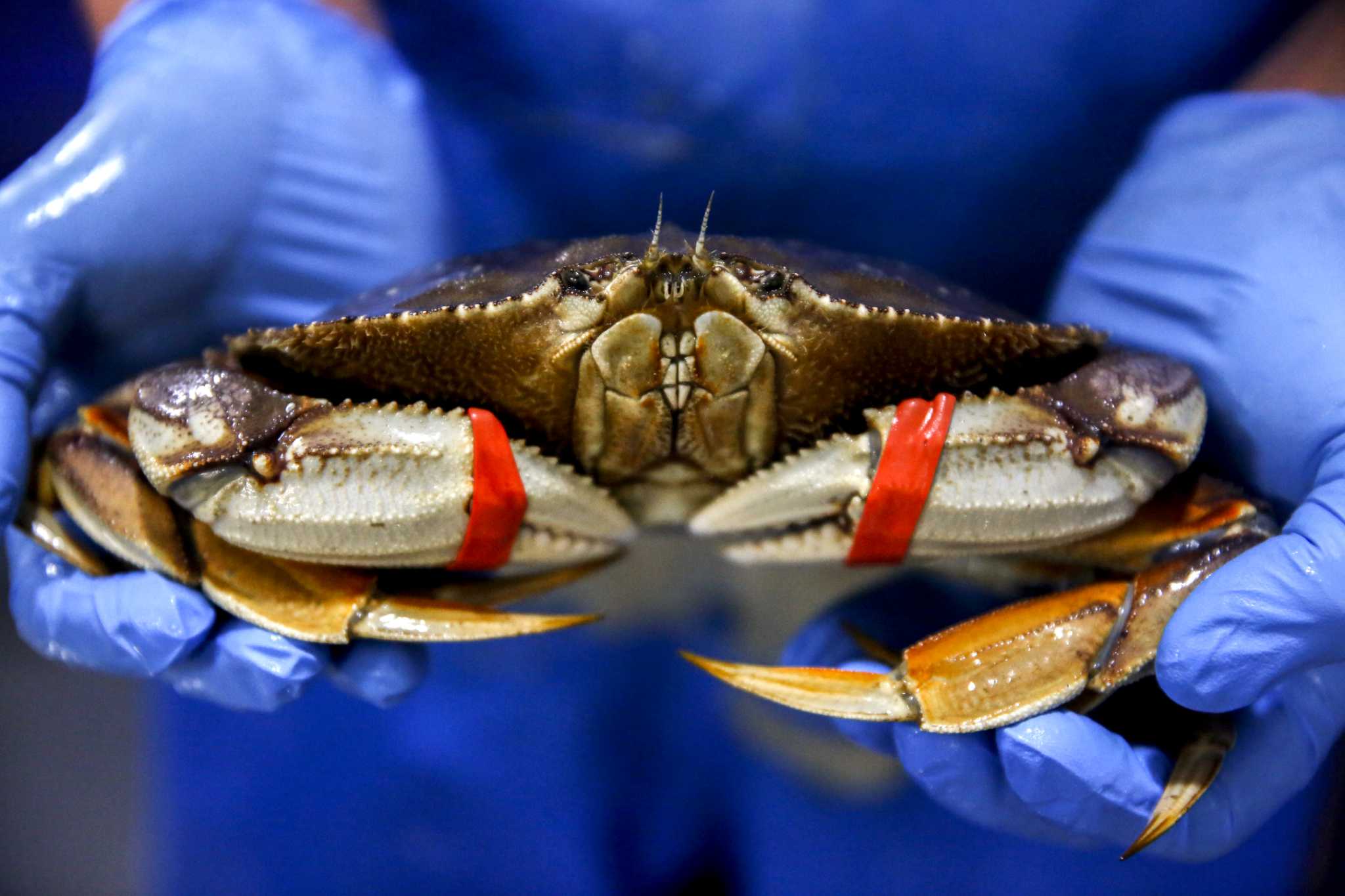
Crab is widely considered a premium seafood item, and its price is primarily driven by labor-intensive harvesting methods, complex cold-chain logistics, and the biological realities of seasonal availability. While some species are more accessible than others, the high cost is a direct reflection of the physical risk involved in fishing and the delicate nature of preserving quality from ocean to plate.
The Economics of Wild-Caught Crustaceans
To understand why crab sits at a higher price point than many finfish, one must first look at the mechanics of the industry. Unlike agricultural products that can be farmed with controlled inputs, most premium crab species—such as Alaskan King, Snow, and Dungeness—are wild-caught. This requires commercial fishing vessels to operate in some of the most dangerous and volatile maritime environments in the world, particularly in the Bering Sea.
The "cost of harvest" is a major inflationary factor. Fishermen face significant expenses, including specialized gear, vessel maintenance, fuel, and high insurance premiums required for crew safety. Furthermore, governments and regional fishery management councils enforce strict quotas and seasons to ensure the sustainability of the populations. When the supply is restricted by law to prevent overfishing, the market follows the principles of scarcity, driving prices upward during low-yield periods.
Logistical Challenges and Cold-Chain Requirements
Once a crab is hauled onto the deck, the clock begins to tick. Crustaceans are highly perishable. To maintain quality and safety, they must be kept alive or processed (cooked and frozen) immediately.
Transportation and Handling
For live crab, the logistical chain is incredibly expensive. Live crabs must be transported in specialized tanks with precise temperature controls, oxygenation, and filtration. If these conditions fluctuate, mortality rates rise, resulting in a total loss of inventory for the distributor. This risk is baked into the final retail price.
Processing and Waste
For frozen products, the yield percentage plays a crucial role. A crab has a heavy, inedible shell that accounts for a significant portion of its total weight. When you pay for a pound of crab legs, you are paying for the biological weight of the animal, but only a fraction of that is consumable meat. The energy required to process, flash-freeze, and distribute this product while maintaining an unbroken cold chain significantly adds to the overhead costs that retailers pass on to the consumer.
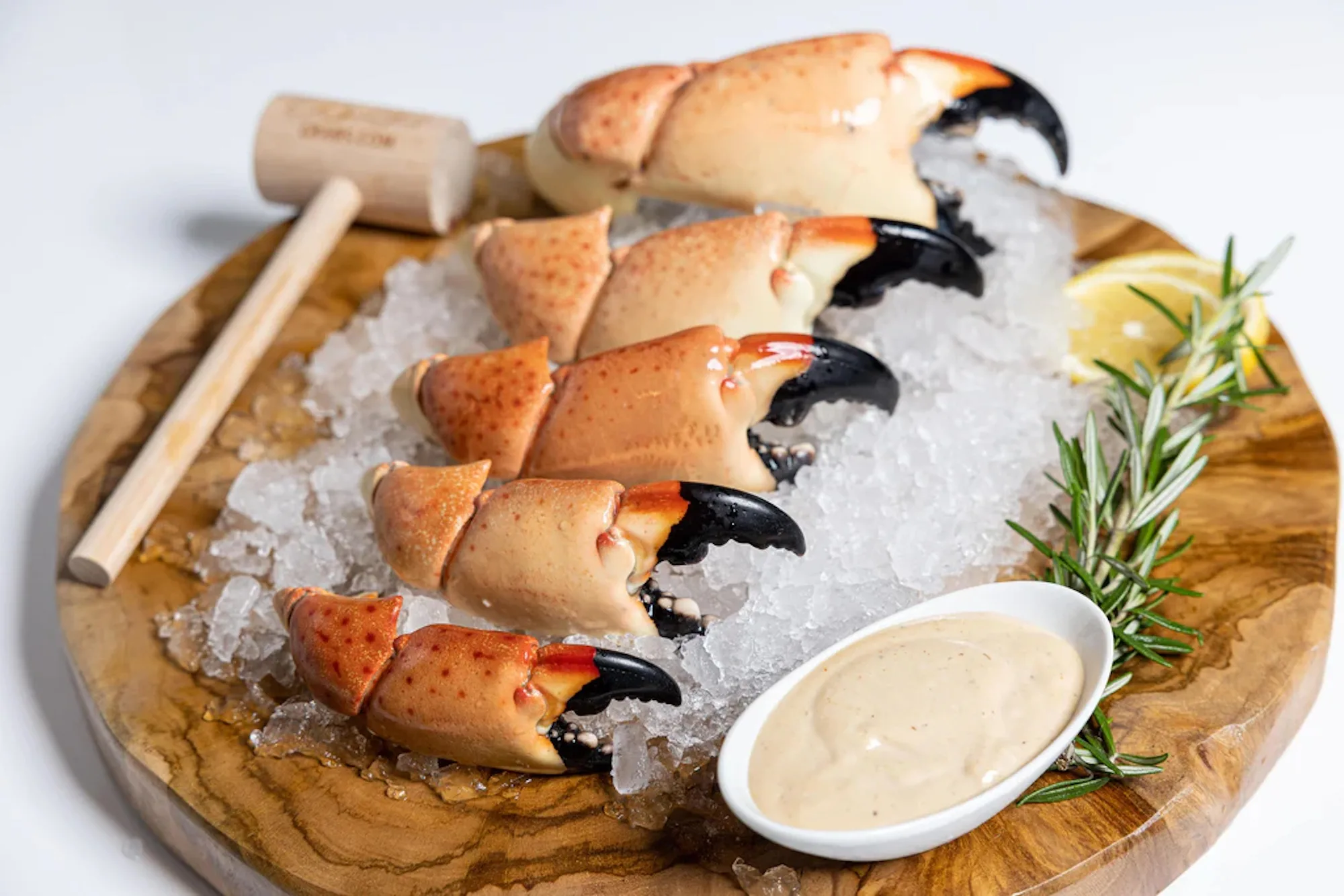
Species-Specific Cost Variations
Not all crab is priced equally. The variety of the species is often the most visible indicator of price. Understanding these differences helps consumers make informed purchasing decisions based on their budget.
| Crab Species | Harvesting Environment | Relative Cost | Primary Market Use |
|---|---|---|---|
| Alaskan King | Deep, icy waters | Highest | Luxury dining, high-end platters |
| Snow Crab | Cold, northern Atlantic/Pacific | Moderate to High | Retail, wholesale, bulk legs |
| Dungeness | Pacific coastal waters | Moderate | Fresh markets, restaurant appetizers |
| Blue Crab | Estuaries/Bays | Moderate (Regionally) | Soups, crab cakes, regional specialties |
| Imitation (Surimi) | Processed whitefish | Low | Budget-friendly alternatives |
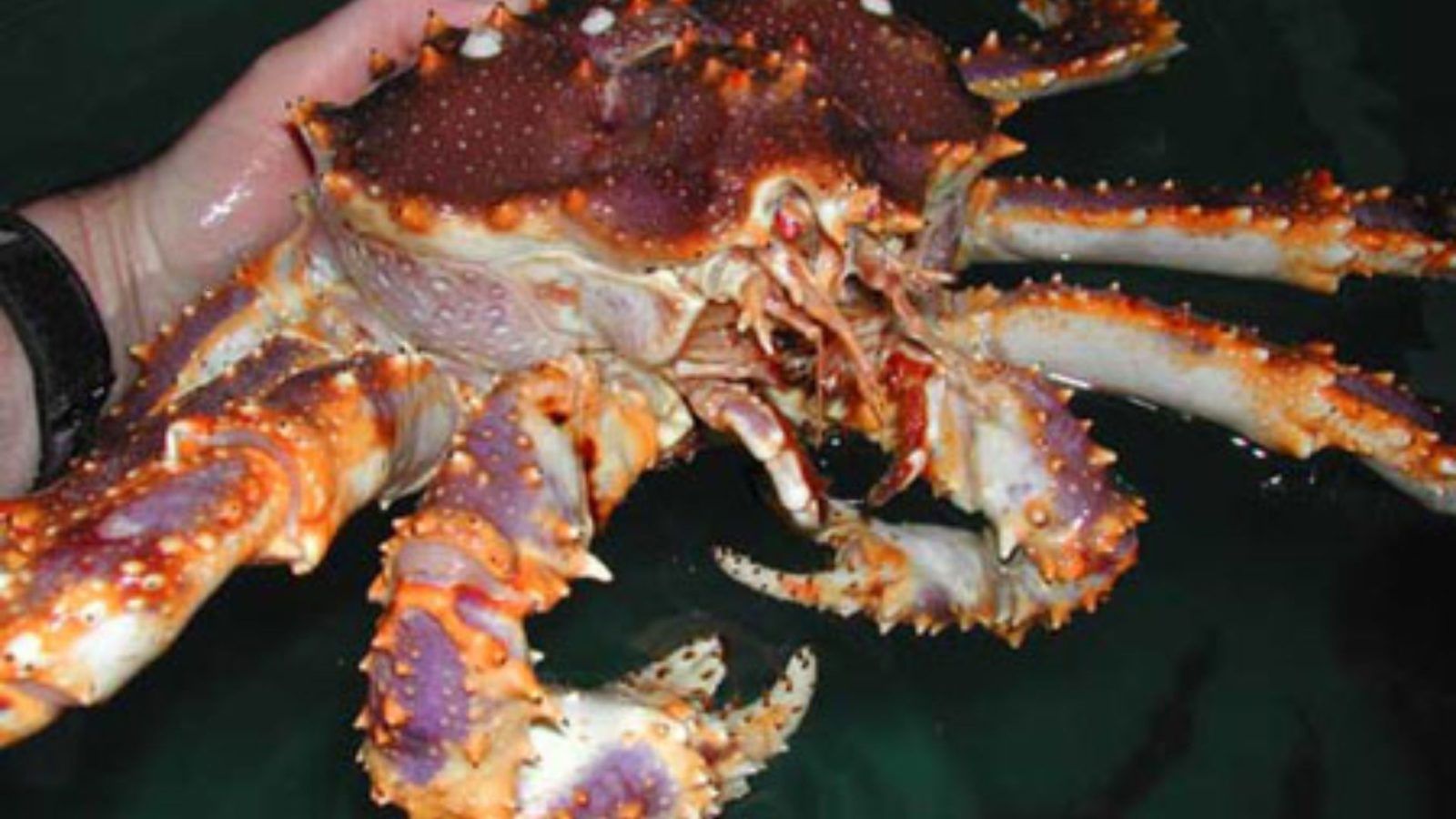
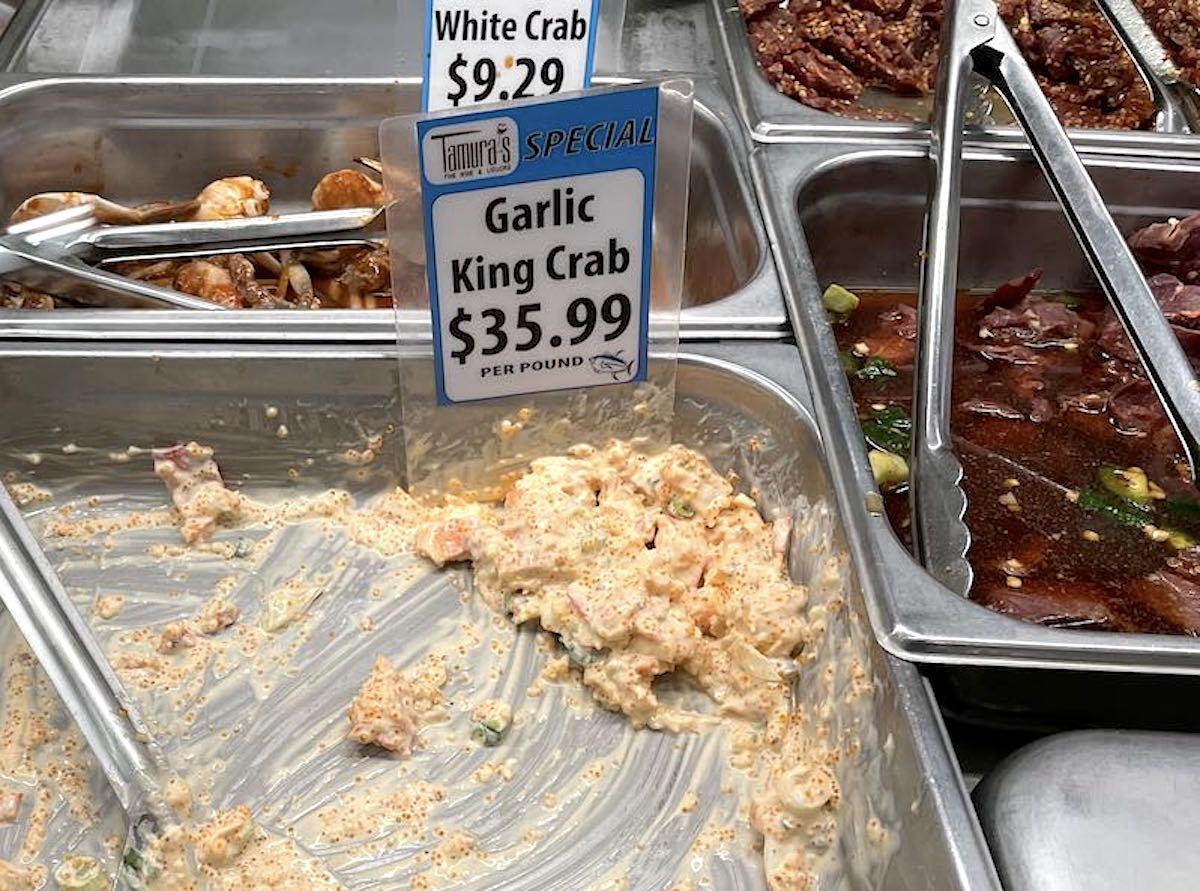
The Alaskan King Crab remains the most expensive due to its massive size, the labor required to reach its remote habitat, and its status as a luxury commodity. Conversely, Blue Crab pricing is often heavily influenced by regional proximity. Those living near the Chesapeake Bay, for example, may find Blue Crab more affordable due to shorter transport distances, whereas those in landlocked regions will pay a premium for air-freight and preservation costs.
Why Seasonality Dictates Price Fluctuations
Seasonal availability is a cornerstone of the seafood market. In 2026, as in previous years, fishery managers set specific windows for harvesting to protect spawning cycles. When a season opens, market supply spikes, often causing a temporary dip in prices. Conversely, as the season closes and inventory transitions to frozen stock, prices typically climb.
Consumers often overlook the "off-season" tax. When fresh, local crab is unavailable, retailers must rely on frozen inventory or imports from different hemispheres to satisfy demand. The cost of international shipping, import tariffs, and extended cold storage during these off-peak months ensures that crab remains a luxury item year-round, regardless of when it is consumed.
The Impact of Labor and Regulatory Compliance
The seafood industry is subject to rigorous health and safety inspections. Every stage of the supply chain, from the fishing boat to the processing facility to the supermarket shelf, must comply with strict food safety regulations to prevent contamination.
The labor market also contributes to the final price. Because commercial fishing is physically taxing and hazardous, retaining a skilled, experienced crew requires competitive wages. As labor costs rise globally, the ripple effect is felt in the seafood sector. Additionally, compliance with environmental certifications (such as those provided by the Marine Stewardship Council) requires documentation and sustainable practices, which, while beneficial for the environment, add an administrative layer of cost to the final product.
Managing Expectations: Budgeting for Crab
If you are planning to purchase crab for an event or a meal, it is helpful to look beyond the price per pound.
- Calculate the Meat-to-Shell Ratio: When buying whole crab, assume a lower yield of edible meat (often 20–30% of the total weight). When buying pre-processed legs or lump meat, the price per pound is higher, but the waste is non-existent.
- Consider Frozen vs. Fresh: Often, "fresh" crab in a grocery store was previously frozen and thawed. In many cases, purchasing high-quality frozen crab legs and thawing them properly at home results in superior taste and texture compared to "fresh" product that has sat in a display case for days.
- Regional Availability: Research local seasons. Buying Dungeness crab in the Pacific Northwest during peak season is almost always more cost-effective than buying it on the East Coast.
Frequently Asked Questions
Why is imitation crab so much cheaper than real crab?
Imitation crab, or surimi, is made from minced whitefish (usually pollock) that has been flavored, colored, and shaped to mimic the texture of crab meat. Because it is mass-produced from abundant fish species rather than harvested through specialized, high-risk fishing, it avoids the high labor and operational costs associated with wild-caught crustaceans.
Does the price of crab change based on the size of the legs?
Yes. Larger, more uniform legs from premium species like King Crab are sorted and graded. "Colossal" or "Jumbo" grades fetch a higher price per pound because of their rarity and visual appeal in culinary presentations. Smaller, broken, or "snap" pieces are typically sold at a discount because they are less desirable for high-end dining.
Can I save money by buying whole live crabs?
Often, yes. Buying whole, live, or freshly steamed crab can be more economical than buying pre-picked, vacuum-sealed lump meat. You are paying for the convenience of someone else doing the difficult work of cracking shells and extracting the meat. If you are willing to perform the manual labor yourself, you can often secure a better value.
Are there environmental factors that drive up the price?
Environmental changes, including ocean warming and shifts in migratory patterns, can lead to lower harvest counts or the closure of certain fishing grounds. When biological stocks decline, regulators reduce the total allowable catch to prevent collapse. Fewer crabs on the market means the price must rise to balance the supply against steady or growing consumer demand.
Is it cheaper to buy crab online or at a local market?
This depends on your location. If you are inland, online retailers who specialize in direct-to-consumer shipping may offer better prices and higher quality because they bypass multiple layers of wholesale markups. However, if you are coastal, local fish markets will almost always be cheaper and fresher, as they minimize the "last mile" transport and handling costs.
Recommendation for Consumers
If you want to enjoy crab without exceeding your budget, focus on purchasing during the peak of the local season for the specific variety you prefer. If you are hosting a larger group, prioritize purchasing "snap" or broken pieces, which offer the same nutritional profile and flavor as large, intact legs but at a fraction of the cost. Always prioritize reputable retailers who can verify the origin and harvest date of their seafood, ensuring that you are paying for quality rather than just inflated shelf time.
Image Gallery
Select an image to open it in a new tab.


Vivian Cho
Executive IT and Emerging Technologies Reporter
