What Are the Best Sleeper Cars to Build

Building a sleeper car—an unassuming vehicle packing high-performance modifications capable of surprising unsuspecting sports cars—requires careful selection of a chassis that blends understated styling with massive mechanical potential. The ideal platform offers robust engine architecture, strong aftermarket support, and an exterior that flies completely under the radar.
Defining the Sleeper Car Philosophy
A true sleeper car is defined by a stark contrast between its docile appearance and its ferocious performance capabilities. Visually, the vehicle should look like a mundane commuter car, a grocery-getter, or a faded daily driver. Underneath the sheet metal, however, lies a heavily upgraded drivetrain, a finely tuned suspension, and a forced-induction setup that completely transforms the driving dynamics.
The primary allure of building a sleeper is the element of surprise. Instead of driving a flashy exotic or an aggressively styled track car that attracts unwanted attention from law enforcement and other motorists, a sleeper blends into highway traffic seamlessly. Achieving this balance requires meticulous planning. Every dollar spent on modifications must prioritize functional performance over cosmetic upgrades, ensuring that the car remains mechanically reliable while delivering an immense rush of horsepower.
Key Characteristics of a Great Sleeper Platform
- Understated Styling: Boxy lines, standard factory wheels, and paint colors typical of fleet vehicles or economy models.
- Strong Structural Foundations: Chassis capable of handling double or triple their original horsepower figures without excessive chassis twist.
- Massive Aftermarket Support: Availability of engine swaps, upgraded turbos, suspension kits, and heavy-duty drivetrain components.
- Weight Management: A lightweight body that allows modest power increases to translate into blistering acceleration times.
Top Sleeper Platforms by Category
Selecting the right canvas for your project depends heavily on your mechanical expertise, budget, and performance goals. Below are the most respected platforms utilized by automotive enthusiasts for sleeper builds.
Wagon and Estate Vehicles
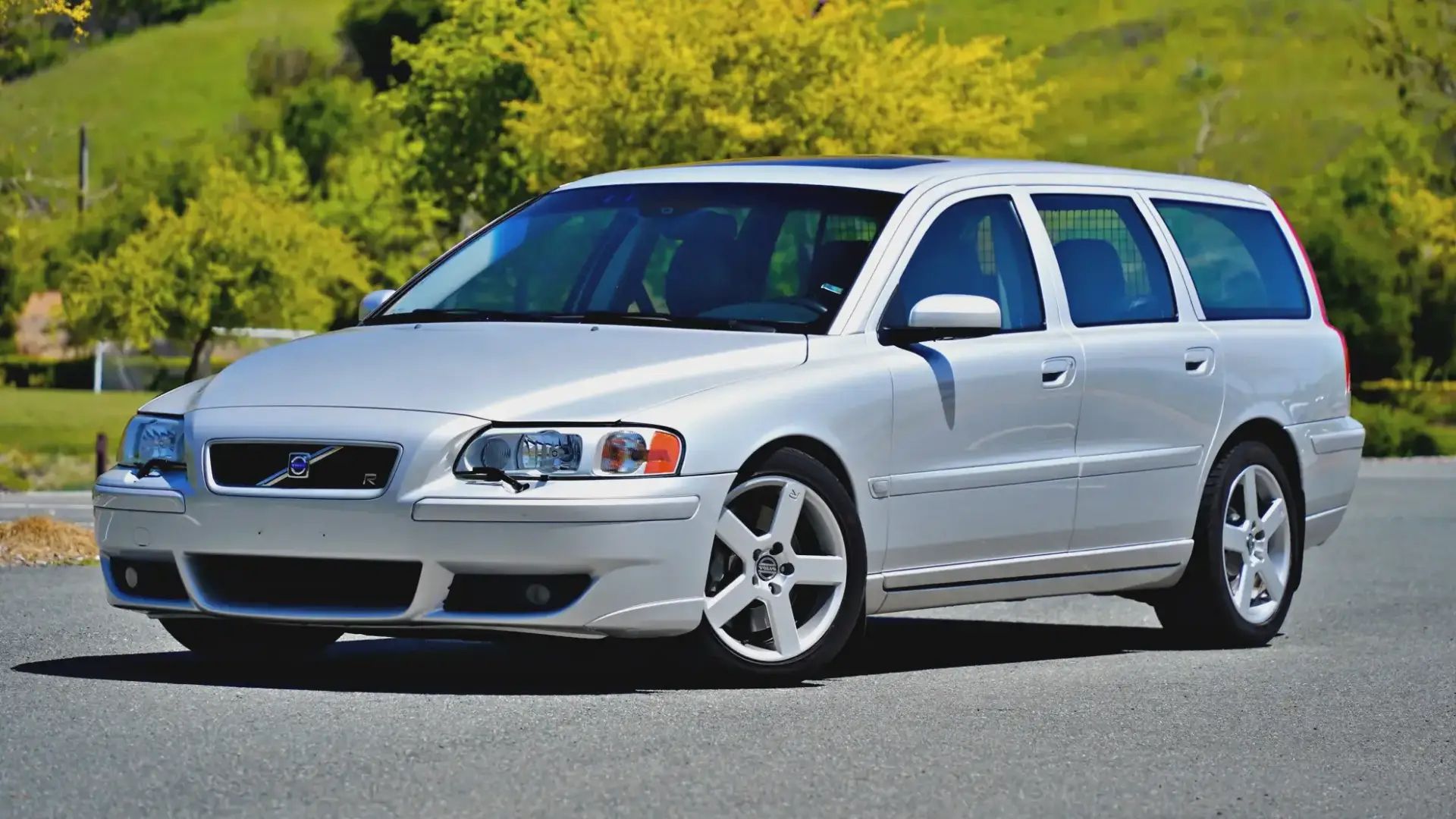
Station wagons are inherently deceptive. To the average observer, a wagon is a practical family hauler, making it the ultimate wolf in sheep's clothing.
Volvo 240 / 740 / 940 Turbo
Volvo’s rear-wheel-drive brick-shaped wagons are legendary in the tuning community. Armed with the robust "Redblock" engine (specifically the B230FT), these Swedish wagons can handle substantial boost on stock internals. With a larger turbocharger, upgraded fuel injectors, and intercooler upgrades, a Volvo wagon easily transforms into a high-horsepower highway cruiser while maintaining its vintage grocery-getter aesthetic.
Buick Roadmaster Estate
For those who prefer displacement over turbochargers, the Buick Roadmaster Estate features the detuned LT1 V8 engine shared with contemporary Chevrolet Corvettes and Camaros. Swapping the exhaust, adding a performance camshaft, and tuning the computer unlocks classic American muscle car performance wrapped in wood-grain paneling and massive cargo space.
Compact Sedans and Hatchbacks
If you prefer nimble handling and lightweight agility, compact economy cars provide an exceptional platform for stealthy performance builds.
Honda Civic (EF, EG, or EK Chassis)
While modified Civics are common, building a completely stock-appearing base-model Civic with a built B-series, K-series, or turbo-charged single-cam engine creates a lethal street machine. Because these cars weigh barely over 2,000 pounds, even a modest 300 horsepower results in a phenomenal power-to-weight ratio that humbles modern performance cars.
Volkswagen Golf / Jetta (MK4 / MK5)
Volkswagen’s 1.8-liter turbocharged four-cylinder engine and the infamous VR6 engine are premier tuning candidates. A MK4 Golf wearing steel wheels and base-model trim hiding a built 1.8T running high boost or a turbocharged VR6 provides effortless power delivery and all-weather traction if equipped with the 4Motion system.
Full-Size Sedans and Luxury Cruisers
For drivers who want modern creature comforts combined with shocking straight-line acceleration, heavy executive sedans offer an unmatched driving experience.
Lexus IS300 / GS300
Beneath the hood of these unassuming luxury sedans sits the legendary 2JZ-GE engine. While non-turbo variants lack the twin-turbo punch of the Supra, the iron-block 2JZ architecture is notoriously bulletproof. Adding a turbocharger kit or building the naturally aspirated motor turns these comfortable cruisers into executive missiles.
Mercury Marauder
Built from 2003 to 2004, the Mercury Marauder looks like an ordinary police interceptor or elderly commuter sedan. However, it features a DOHC 4.6-liter V8 derived from the Mustang Mach 1. Adding a supercharger kit to this panther-platform chassis yields a comfortable, rear-wheel-drive cruiser capable of melting rear tires with zero visual warning.
Comparison of Top Sleeper Build Platforms
| Platform | Engine Type | Stock Power | Primary Modification Potential | Stealth Factor |
|---|---|---|---|---|
| Volvo 940 Turbo | 2.3L Turbo I4 | ~165 HP | High (Boost increase, engine management) | Very High |
| Honda Civic (EG) | 1.5L / 1.6L I4 | 70–125 HP | Extremely High (Engine swaps, turbo kits) | Moderate |
| Lexus IS300 | 3.0L I4 (2JZ-GE) | 215 HP | Very High (Turbocharging, fuel upgrades) | High |
| Buick Roadmaster | 5.7L V8 (LT1) | 260 HP | High (Camshaft, exhaust, intake, tune) | Very High |
Engineering Challenges and Supporting Modifications
Building a car that accelerates like a supercar requires more than just increasing engine output. Neglecting supporting systems inevitably leads to catastrophic mechanical failure, traction loss, and unsafe driving dynamics.
Managing Heat and Reliability
When you double or triple a car's factory horsepower, thermal management becomes paramount. Factory radiators and oil coolers are completely insufficient for sustained high-boost applications. Upgrading to an aluminum radiator, installing a high-flow intercooler, and utilizing dedicated oil cooling lines prevents engine failure during aggressive driving.
Upgrading Suspension and Braking
The most dangerous mistake a builder can make is upgrading power while ignoring stopping power and cornering stability.
- Brakes: Standard economy car brakes will fade instantly under heavy deceleration. Upgrading to multi-piston calipers, high-friction brake pads, and vented rotors is mandatory.
- Suspension: Worn-out factory bushings and soft springs cannot handle high torque loads. Installing performance shock absorbers, stiffer springs, and thicker sway bars keeps the car planted without altering its exterior ride height significantly.
Drivetrain Reinforcement
Factory transmissions, axles, and differentials are engineered to handle stock torque specifications. Exceeding these limits often results in shattered gearboxes or broken driveshafts. Upgrading to a heavy-duty clutch, a limited-slip differential (LSD), and reinforced axle shafts ensures that engine power reaches the pavement reliably.
Common Mistakes to Avoid When Building a Sleeper
Even experienced mechanics fall into traps when putting together a sleeper project. Avoiding these pitfalls saves time, money, and frustration.
- Neglecting the Exhaust Note: A massive turbo or built V8 needs to breathe, but an obnoxious, oversized muffler instantly ruins the sleeper illusion. Invest in a custom exhaust system utilizing large-diameter piping combined with high-flow stealth mufflers to keep the car quiet at idle while opening up under full throttle.
- Over-Modifying the Exterior: Adding carbon fiber hoods, giant rear wings, or loud body kits defeats the core concept. Keep original factory paint, stock wheels (or wider wheels with matching factory-style hubcaps), and standard ride height whenever possible.
- Ignoring Cooling Dynamics: Cramming a massive intercooler behind a tight front bumper often restricts airflow to the radiator. Custom fabrication is frequently required to balance cooling efficiency with factory aesthetics.
- Skipping Dyno Tuning: Running high boost on a budget fuel map or a generic mail-order tune leads to engine detonation. Always secure a professional dyno tune to ensure safe air-fuel ratios and optimal ignition timing.
Frequently Asked Questions
What makes a car a true sleeper?
A true sleeper car combines unassuming, ordinary exterior styling with extreme, unexpected performance upgrades. It should look like a standard commuter or economy vehicle to the casual observer while outperforming modern sports cars in acceleration and handling.
Are sleeper cars more expensive to build than regular project cars?
Not necessarily, but the expenses shift. While you save money on cosmetic modifications, body kits, and custom paint, you often spend more on hidden mechanical upgrades, custom fabrication for intercoolers and exhausts, and heavy-duty drivetrain components.
Is front-wheel drive or rear-wheel drive better for a sleeper build?
Rear-wheel-drive and all-wheel-drive platforms are generally preferred for high-horsepower builds because they manage traction significantly better than front-wheel-drive cars. However, lightweight front-wheel-drive hatchbacks can be exceptionally fast if equipped with a quality limited-slip differential and sticky tires.
How do I keep my sleeper car reliable for daily driving?
Reliability comes down to conservative tuning margins, high-quality cooling components, and regular maintenance. Avoid running maximum boost pressure on pump gas, use high-grade synthetic fluids, and address minor mechanical issues before they escalate into major engine failures.
Final Recommendations
When embarking on a sleeper build, start with a solid, rust-free chassis rather than hunting for a powerful engine first. A clean body and a sound interior provide the ideal foundation for mechanical overhauls. Prioritize safety upgrades—such as brakes, tires, and suspension—before boosting engine output. By focusing on mechanical refinement and maintaining a completely stock exterior appearance, you will create a deeply rewarding vehicle that delivers thrilling performance without drawing unwanted attention.
Image Gallery
Select an image to open it in a new tab.
Celine Dubois
Contemporary Living and Global Arts Columnist
