Understanding the Close Encounters of the 4th Kind: Definition, History, and Analysis

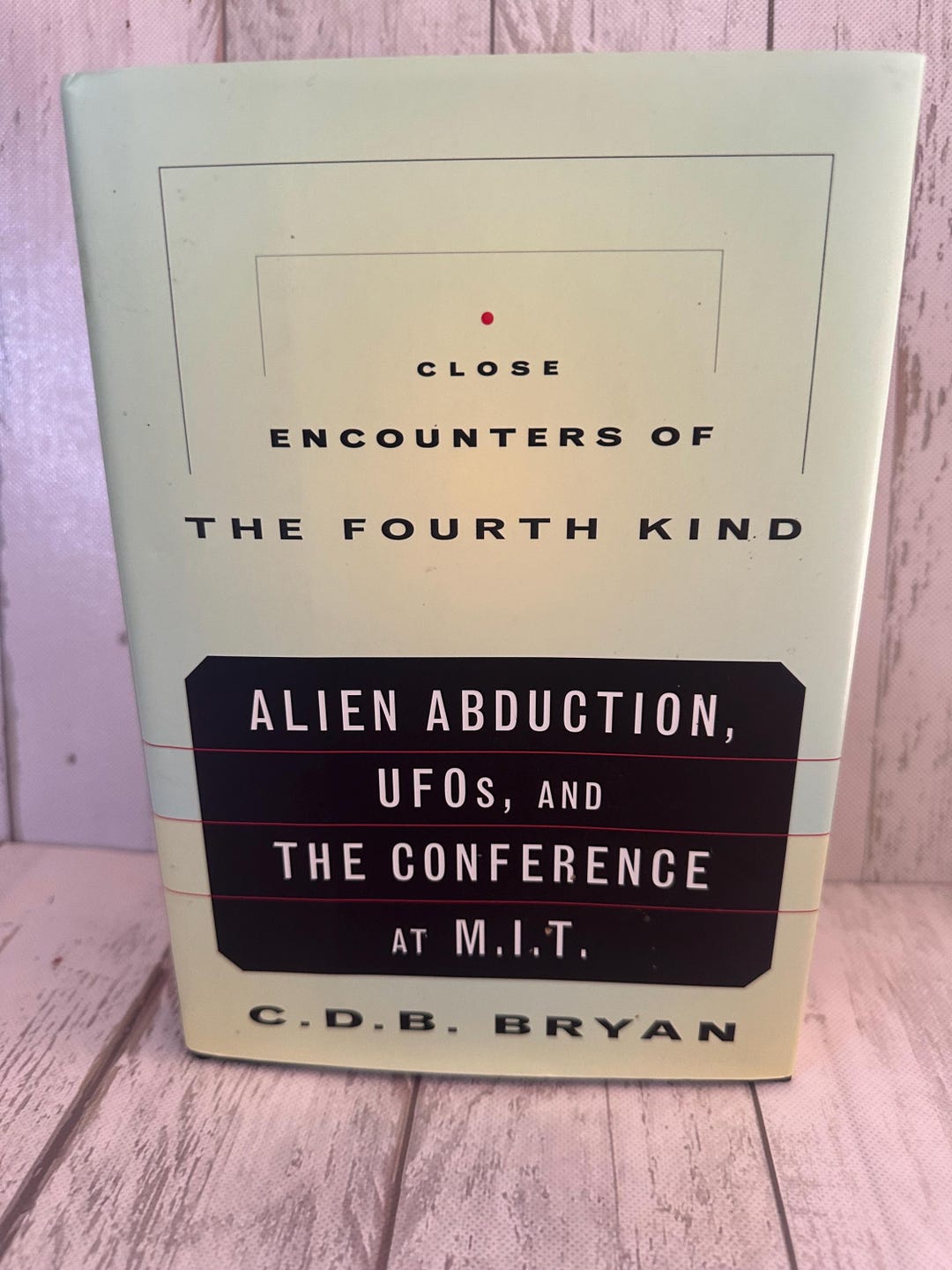
Close encounters of the 4th kind refer to incidents where a human is abducted or involuntarily taken by non-human entities or unidentified flying objects (UFOs). While J. Allen Hynek’s original 1972 classification system only went up to the third kind, the fourth category was later added to describe the "abduction phenomenon," involving physical contact, medical examinations, and "missing time."
The study of close encounters has evolved significantly since the mid-20th century. What began as anecdotal reports of strange lights in the sky has transformed into a complex subculture of ufology that examines the psychological, physical, and sociological impacts of alleged non-human interaction. As of 2026, the discussion around these encounters remains a cornerstone of the "High Strangeness" aspect of Unidentified Anomalous Phenomena (UAP) research. Understanding the fourth kind requires looking past the sensationalism of pop culture and examining the patterns, witness testimonies, and scientific skepticism that define the field.
The Evolution of the Hynek Scale
To understand the fourth kind, one must first understand the foundation laid by Dr. J. Allen Hynek. An astronomer who served as a scientific advisor to the U.S. Air Force’s Project Blue Book, Hynek initially sought to debunk UFO sightings. However, he eventually became convinced that a small percentage of reports represented a genuine mystery. In his 1972 book, The UFO Experience: A Scientific Inquiry, he proposed three types of close encounters:
- First Kind (CE-1): Visual sightings of an unidentified flying object at close range (within 500 feet) that show details of the craft.
- Second Kind (CE-2): A UFO event that leaves physical effects on the environment, such as scorched earth, broken branches, or interference with electronic equipment (EM effects).
- Third Kind (CE-3): An encounter where witnesses see "occupants" or "entities" in or around a UFO, but no direct contact or abduction occurs.
Hynek purposefully stopped at the third kind, as he felt reports of abductions were too subjective and lacked the "hard" physical evidence he preferred for scientific study. However, as abduction reports grew in the 1970s and 1980s, researchers like Budd Hopkins and Dr. David Jacobs argued that a fourth category was necessary. This led to the widely accepted addition of the Close Encounter of the Fourth Kind (CE-4).
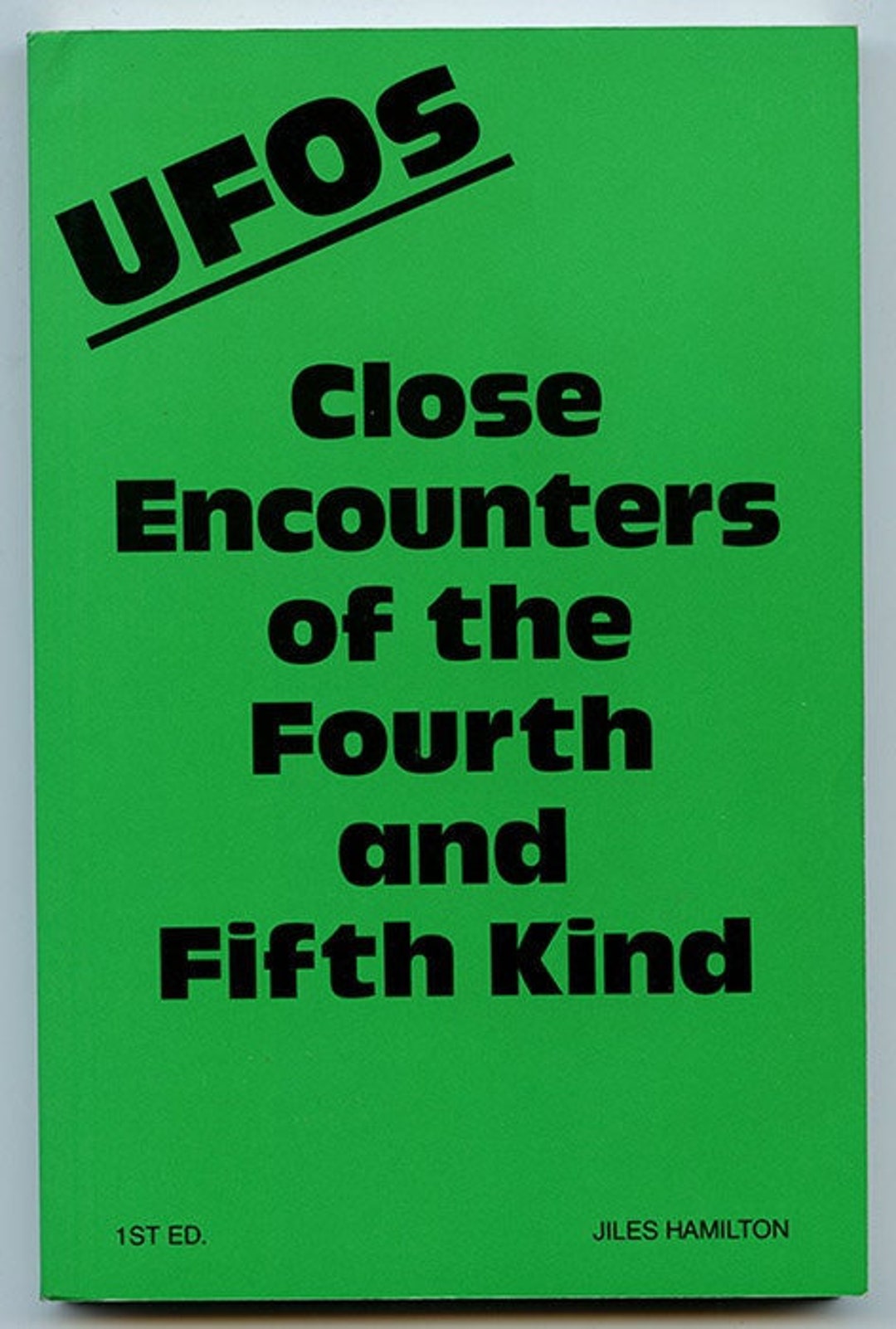
In the decades following, some researchers even suggested a fifth kind (CE-5), involving human-initiated contact or telepathic communication, but the CE-4 remains the most significant expansion of the original scale due to its profound impact on the "experiencer."
The Anatomy of a Fourth Kind Encounter
A close encounter of the fourth kind is rarely a single, isolated event. According to thousands of compiled reports from the J. Allen Hynek Center for UFO Studies (CUFOS), these experiences often follow a specific sequence of events. While every story differs, the "core" abduction narrative typically includes several of the following stages.
1. The Capture and "The Oz Factor"
The encounter often begins with what British researcher Jenny Randles coined "The Oz Factor." This refers to a sudden sense of isolation where all ambient noise—crickets, traffic, wind—seems to vanish, and the witness feels as if they have entered a vacuum. This is often followed by the sight of a craft or the appearance of entities in a bedroom or on a lonely road. The "capture" phase frequently involves a feeling of paralysis, where the witness is unable to move despite being fully conscious.
2. Missing Time
Missing time is perhaps the most famous hallmark of a CE-4. A witness might be driving and suddenly realize they are 30 miles further down the road than they should be, with two or three hours unaccounted for. It is only later, often through dreams or hypnotic regression, that the memories of what happened during those hours begin to surface. In the context of 2026 research, ufologists emphasize that missing time can also be a symptom of neurological events, making it a point of contention between believers and skeptics.
3. The Examination
Once aboard a craft or in an "otherworldly" environment, the individual typically undergoes a physical examination. Witnesses describe being placed on a table while entities perform procedures that feel clinical and detached. These often involve the monitoring of the nervous system, the taking of skin or fluid samples, and occasionally the insertion of "implants"—small objects that some claim are tracking devices, though few have ever been recovered and verified by independent labs.
4. Communication and "The Conference"
In many CE-4 accounts, the entities communicate with the witness, usually via telepathy. The messages often revolve around environmental warnings, the dangers of nuclear technology, or the "hybridization" of species. This stage is sometimes called "The Conference," where the witness is shown holographic images or told about their role in a larger cosmic plan.
5. The Return and Aftermath
The witness is returned to their original location, often with little memory of the event. The aftermath, however, can be traumatic. Post-abduction symptoms often include insomnia, anxiety, a sudden interest in ecology or spirituality, and physical markings such as "scoop marks" (small, circular depressions in the skin) or unexplained bruising.

Comparison of Close Encounter Classifications
The following table summarizes the differences between the original Hynek scale and the expanded categories that include the fourth kind.
| Encounter Type | Name | Primary Characteristic | Common Examples/Evidence |
|---|---|---|---|
| CE-1 | First Kind | Visual Sightings | Close-range photos, multiple witnesses |
| CE-2 | Second Kind | Physical Influence | Scoped soil, car engine failure, radio static |
| CE-3 | Third Kind | Entity Observation | Seeing beings through a craft window |
| CE-4 | Fourth Kind | Abduction | Missing time, medical exams, physical marks |
| CE-5 | Fifth Kind | Voluntary Contact | CE-5 protocols, meditative signaling |
Historical Benchmarks in CE-4 Research
To understand the gravity of the fourth kind, one must examine the cases that defined the field. These incidents provided the data that researchers like Dr. John Mack, a Harvard psychiatrist, used to argue that the phenomenon deserved serious academic attention.
Betty and Barney Hill (1961)
Though their encounter predated the formal "Fourth Kind" label, the Hills are the "Patient Zero" of the abduction phenomenon. While driving through New Hampshire, they observed a craft and subsequently experienced two hours of missing time. Under hypnosis, they recounted being taken aboard a disc-shaped object by "gray" beings. Betty Hill’s description of a "star map" shown to her by the entities remains one of the most debated pieces of evidence in ufology.
The Travis Walton Case (1975)
Perhaps the most famous CE-4 due to the number of witnesses, Travis Walton was a forestry worker in Arizona who was allegedly struck by a beam of light from a UFO. He disappeared for five days while his coworkers were investigated for murder. Walton reappeared confused and traumatized, later describing a harrowing experience aboard a craft. Unlike many cases that rely solely on hypnosis, the Walton case is noted for the immediate, real-time disappearance of the witness and the failed polygraph tests of his coworkers regarding any foul play.
The Influence of Dr. John Mack
In the 1990s, Dr. John Mack brought a new level of prestige to the study of the fourth kind. As a Pulitzer Prize-winning psychiatrist at Harvard Medical School, Mack began interviewing people who claimed to be abductees (or "experiencers"). He concluded that while he could not prove they were physically taken to space, the witnesses were not suffering from mental illness and were reporting something that felt "physically real" to them. His book, Abduction: Human Encounters with Aliens, remains a foundational text for anyone trying to understand the psychological depth of these claims.
Scientific and Psychological Perspectives
While the stories of the fourth kind are compelling, the scientific community largely views them through a psychological lens. Critics argue that several well-documented phenomena can explain the abduction experience without the need for extraterrestrial intervention.
Sleep Paralysis and Hypnagogia
Sleep paralysis is a state where a person wakes up but finds themselves unable to move or speak. This often includes hallucinations of a "presence" in the room, a feeling of pressure on the chest, and intense fear. Scientists point out that the classic "Gray Alien" description closely matches the archetypal "Old Hag" or "Shadow Person" seen in sleep paralysis episodes throughout history, adapted to a modern, technological context.
The Reliability of Hypnosis
Many CE-4 accounts are "recovered" through hypnotic regression. However, memory is not a video recording; it is a reconstructive process. Skeptics and many psychologists warn that hypnosis is highly suggestive. A therapist who believes in aliens may inadvertently lead a client to "create" an abduction memory to explain feelings of anxiety or missing time. This is known as False Memory Syndrome.
Cultural Osmosis
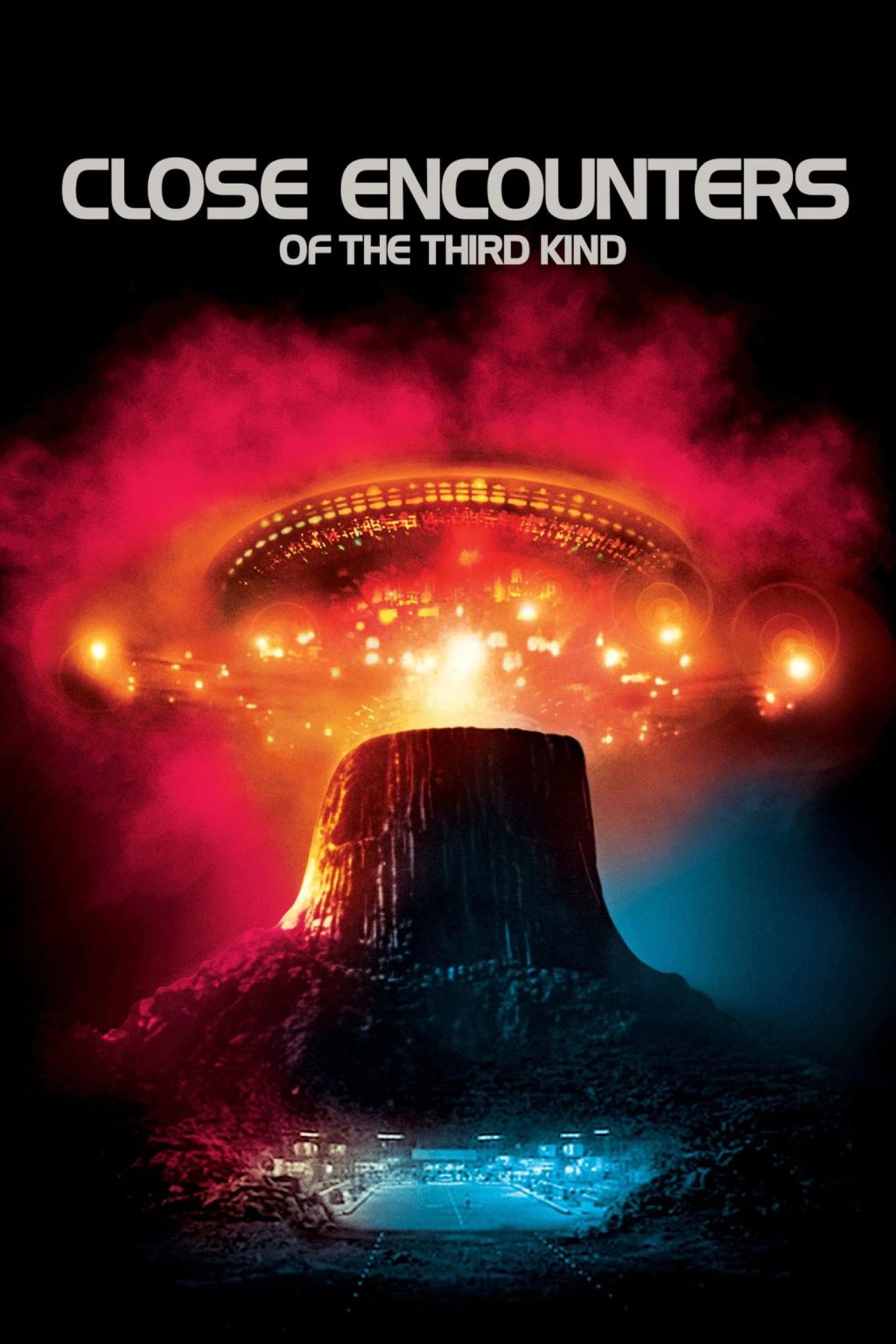
The "Gray Alien" image became a dominant cultural trope following the 1977 film Close Encounters of the Third Kind and the 1987 book Communion by Whitley Strieber. Skeptics argue that people are subconsciously "primed" to interpret strange experiences or vivid dreams through the lens of alien abduction because it is a story we all know.
The State of CE-4 in 2026
As of 2026, the conversation surrounding the fourth kind has shifted slightly. With the U.S. Government's increased transparency regarding UAPs through the All-domain Anomaly Resolution Office (AARO), the focus has largely been on "hardware"—the physical craft detected by radar and pilot sightings.
However, the "experiencer" community continues to push for the inclusion of the fourth kind in the official record. Modern researchers are looking into the "biological effects" of UAP encounters, which often overlap with abduction claims. This includes studying the brains of witnesses for signs of neurological changes and analyzing the "meta-materials" allegedly recovered from sites of high strangeness.
Frequently Asked Questions
What is the difference between a CE-3 and a CE-4?
A CE-3 involves seeing an entity but staying at a distance, with no direct interaction. A CE-4 involves the involuntary transport of the human witness and usually includes a physical or medical component. In a CE-3, you are an observer; in a CE-4, you are a participant.
Can "missing time" happen without a UFO encounter?
Yes. Missing time, or "fugue states," can be caused by various medical and psychological conditions, including complex partial seizures, severe stress, dissociation, or even highway hypnosis (a trance-like state during long drives). It is a symptom, not a proof of abduction on its own.
Are there any physical proofs of the Fourth Kind?
While there are many claims of physical evidence, such as "implants" or "ground traces," none have been universally accepted by the mainstream scientific community as extraterrestrial in origin. Most "implants" removed from claimants have turned out to be common biological materials or terrestrial debris, though some researchers claim the isotopic ratios in certain samples are anomalous.
Is the term "alien abduction" the same as CE-4?
Effectively, yes. Within the Hynek-scale framework, "alien abduction" is the primary descriptor for a Close Encounter of the Fourth Kind. However, some researchers prefer "CE-4" because it doesn't assume the entities are "aliens" from another planet—they could be interdimensional, time travelers, or something else entirely.
How should I report a potential CE-4 experience?
If you believe you have had an encounter, it is recommended to contact a dedicated research organization like the Mutual UFO Network (MUFON) or the Center for UFO Studies. These organizations have protocols for interviewing witnesses and can often provide resources for psychological support, as the experience can be deeply distressing.
Practical Recommendations for Further Study
Understanding the close encounters of the fourth kind requires a multidisciplinary approach. To gain a balanced perspective, one should not only read the testimonies of experiencers but also study the skeptical literature regarding human memory and sleep science.
If you are researching this topic, begin by reading J. Allen Hynek's original work to understand the baseline for classification. Follow this with the works of Dr. John Mack for a psychological perspective and Carl Sagan’s The Demon-Haunted World for a skeptical counterpoint. This balanced intake of information ensures that you can navigate the complex intersection of high strangeness and scientific reality that defines the 21st-century understanding of the fourth kind.
Image Gallery
Select an image to open it in a new tab.




Celine Dubois
Contemporary Living and Global Arts Columnist
