The Best Tag Teams of All Time: A Definitive History of Pro Wrestling’s Greatest Duos
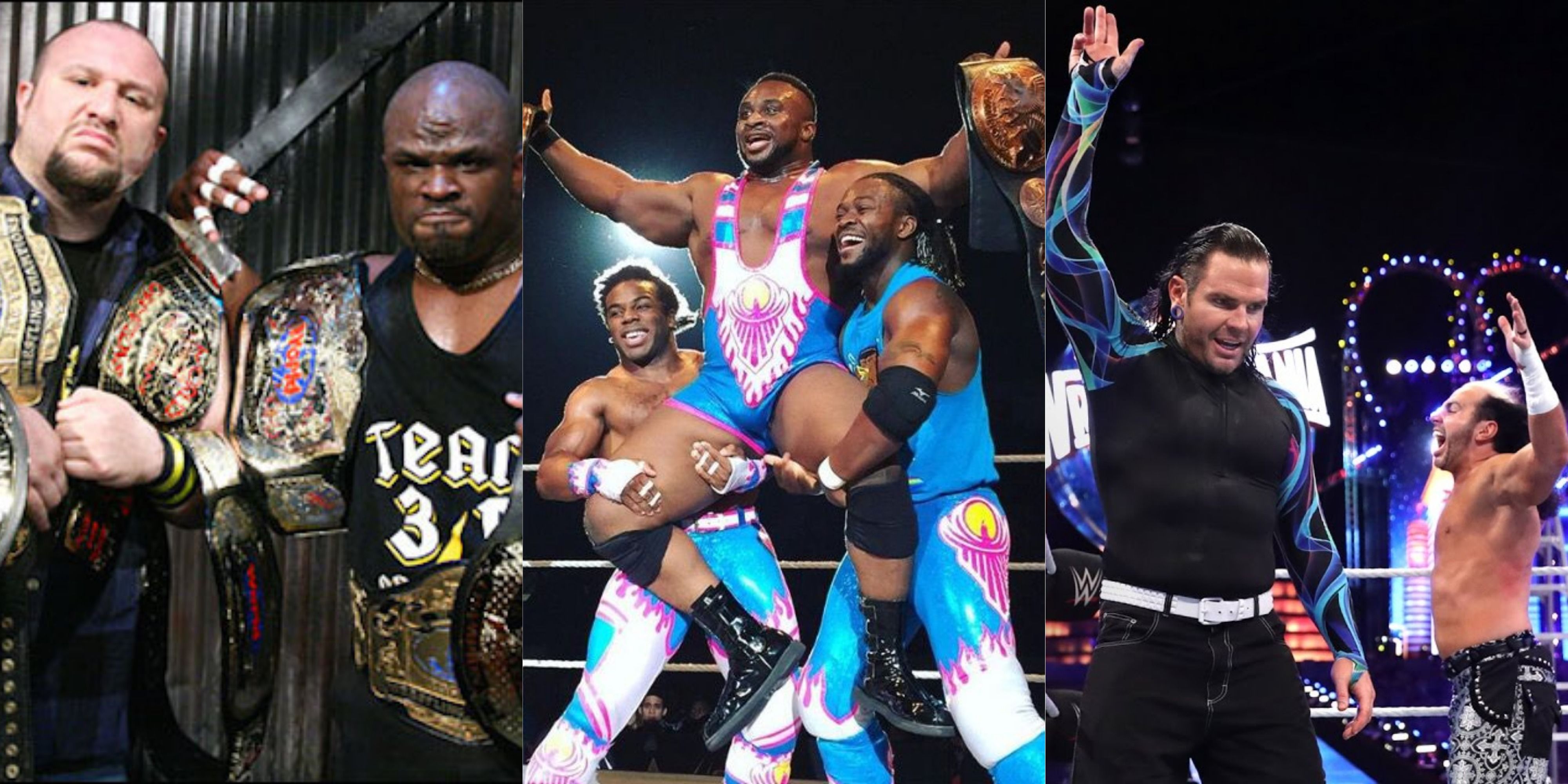
The best tag teams of all time are defined by more than just championship gold; they represent a seamless fusion of two distinct personalities into a single, cohesive unit. These duos revolutionized professional wrestling through innovative double-team maneuvers, unparalleled ring psychology, and an ability to captivate audiences across generations and promotions.
The Foundations of Tag Team Excellence
To understand what makes a tag team "the best," one must look beyond individual talent. Tag team wrestling is a specialized art form that relies on the "hot tag," "cutting the ring in half," and the "double-team" to tell a story. While some teams consist of two superstars thrown together, the truly great pairings are those where the whole is greater than the sum of its parts.
As of 2026, the history of the sport has been shaped by three distinct pillars of tag team success: longevity, technical innovation, and cultural impact. A team like The Road Warriors (Legion of Doom) may not have been the most technically proficient, but their sheer presence and "Road Warrior Pop" changed the business forever. Conversely, teams like The Midnight Express perfected the mechanics of the match, setting a blueprint that modern teams like FTR continue to follow today.
The Road Warriors: The Blueprint for Intimidation
Hawk and Animal, known collectively as The Road Warriors (or the Legion of Doom in WWE), are widely considered the most influential tag team in history. Emerging in the early 1980s, they abandoned the traditional "back-and-forth" wrestling style in favor of pure, unadulterated dominance.
Their impact was visual as much as it was physical. With face paint inspired by Mad Max and spiked shoulder pads, they looked like no one else in the industry. Their signature finishing move, the Doomsday Device, remains the most iconic double-team maneuver in the sport’s history. The move—where Animal held an opponent on his shoulders while Hawk delivered a flying clothesline from the top rope—symbolized their high-impact philosophy.
The Road Warriors’ greatness is measured by their global reach. They were stars in the AWA, NWA, WCW, WWE, and All Japan Pro Wrestling. They were the first team to become household names purely as a unit, proving that a tag team could be the primary draw for a promotion, outshining even the most popular singles competitors of their era.

The Midnight Express vs. The Rock 'n' Roll Express: The Ultimate Rivalry
In the mid-1980s, the NWA (National Wrestling Alliance) became the epicenter for tag team wrestling thanks to the legendary rivalry between The Midnight Express and The Rock 'n' Roll Express. This feud established the classic "Heel vs. Face" dynamic that defined the genre for decades.
The Midnight Express (Bobby Eaton and Stan Lane/Dennis Condrey)
Under the management of Jim Cornette, The Midnight Express were the quintessential "worker" team. Bobby Eaton, often cited by peers as one of the most gifted wrestlers to ever step in the ring, provided the technical backbone. Their matches were masterclasses in ring positioning. They excelled at the "illegal" tag-team psychology—distracting the referee while performing a double-team or switching behind the official's back.
The Rock 'n' Roll Express (Ricky Morton and Robert Gibson)
If The Midnight Express were the masters of offense, Ricky Morton and Robert Gibson were the masters of the "selling" phase. Ricky Morton’s ability to garner sympathy from the crowd while being beaten down became so famous it birthed the industry term "Playing the Ricky Morton." This buildup would eventually lead to the "hot tag" to Robert Gibson, creating a crescendo of crowd energy that few singles matches could match.
The Technical Titans: The Hart Foundation and The British Bulldogs
The late 1980s saw the WWE (then WWF) elevate tag team wrestling through technical mastery. Two teams, in particular, stood out for their ability to combine power with scientific wrestling: The Hart Foundation and The British Bulldogs.
The Hart Foundation (Bret Hart and Jim "The Anvil" Neidhart) utilized a perfect contrast in styles. Neidhart provided the raw power and explosive energy, while Bret "The Hitman" Hart provided the world-class technical execution. Their finisher, the Hart Foundation Hart Attack, was a masterclass in timing. Bret’s focus on "cutting the ring in half" and working over an opponent's limb set the standard for the technical tag team style.
The British Bulldogs (Dynamite Kid and Davey Boy Smith) brought a level of athleticism that was years ahead of its time. Dynamite Kid’s snapping suplexes and diving headbutts, combined with Smith’s incredible strength, made them a formidable duo. Their match against The Dream Team at WrestleMania 2 is still cited by historians as one of the greatest displays of tag team cohesion in the 20th century.
The TLC Era: Innovation and Risk
The turn of the millennium introduced a high-risk, stunt-oriented style that redefined the "Best of All Time" conversation. Three teams—The Hardy Boyz, The Dudley Boyz, and Edge & Christian—engaged in a series of "Tables, Ladders, and Chairs" (TLC) matches that became the backbone of the WWE’s Attitude Era.
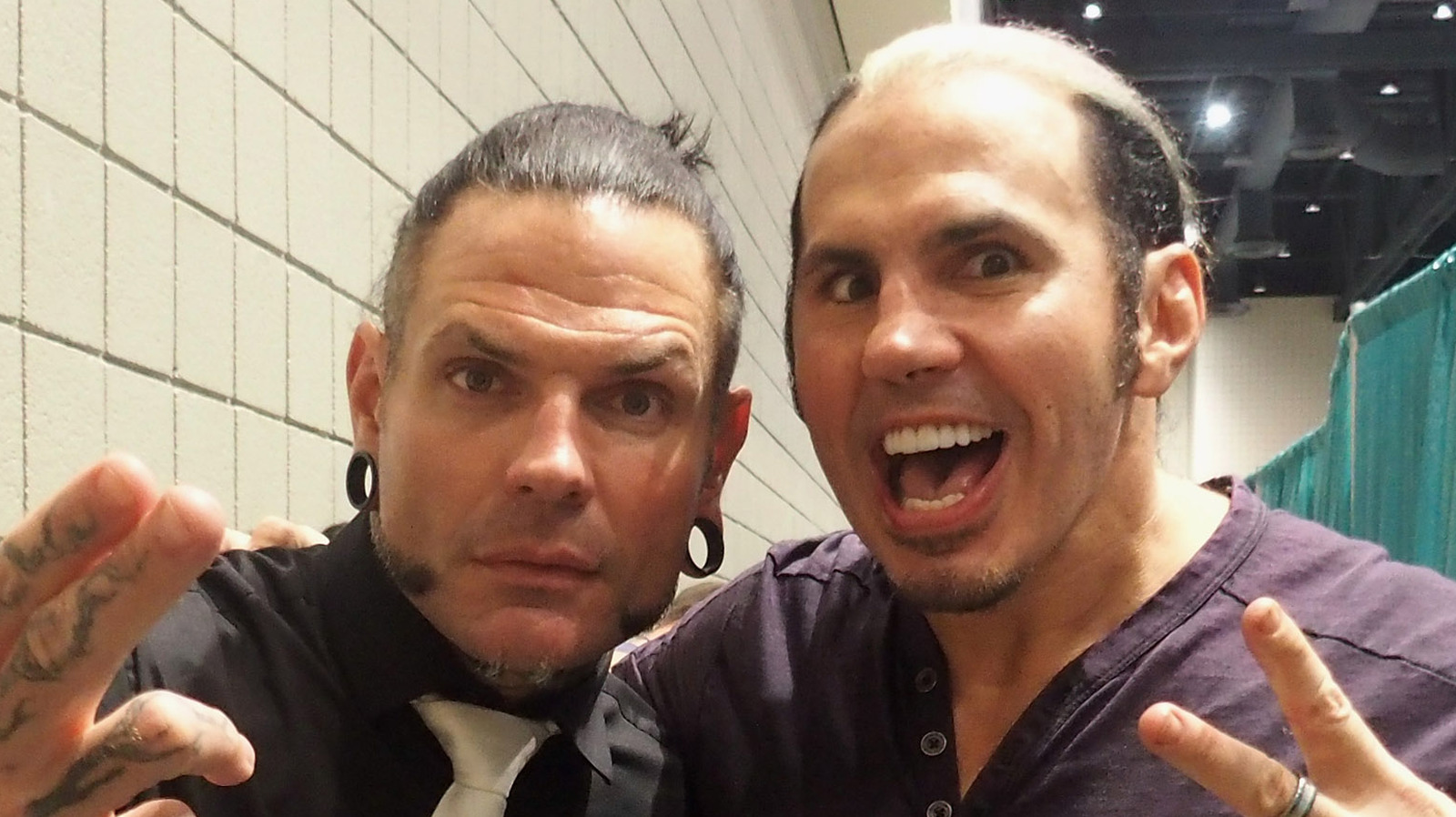
- The Hardy Boyz (Matt and Jeff): Known for their "Team Extreme" persona, they brought a high-flying, daredevil approach that appealed to a younger demographic. Jeff Hardy’s Swanton Bomb and the brothers’ "Poetry in Motion" move were hallmarks of their innovation.
- The Dudley Boyz (Bubba Ray and D-Von): Coming out of ECW, they brought a gritty, hardcore edge. They are among the most decorated teams in history, holding championships in WWE, ECW, WCW, TNA, and NJPW. The "3D" (Dudley Death Drop) is widely regarded as one of the most protected and effective finishing moves.
- Edge & Christian: Often the "brains" of the trio, they combined world-class comedic timing with exceptional in-ring chemistry. Their "Con-chair-to" maneuver was the perfect heel finishing touch for a team that prioritized winning at any cost.
The Modern Dynasties: The Usos and The New Day
As we look at the landscape in 2026, the modern era has produced two teams that have surpassed many of the legends in terms of longevity and statistical dominance within the WWE system.
The Usos (Jimmy and Jey Uso) evolved from a traditional Samoan high-flying act into "The Bloodline," a dominant force that held the Undisputed WWE Tag Team Championships for a record-breaking 622 days. Their "Usos Penitentiary" era showcased their ability to adapt to a more aggressive, strike-based style while maintaining their flawless twin-based synchronization.
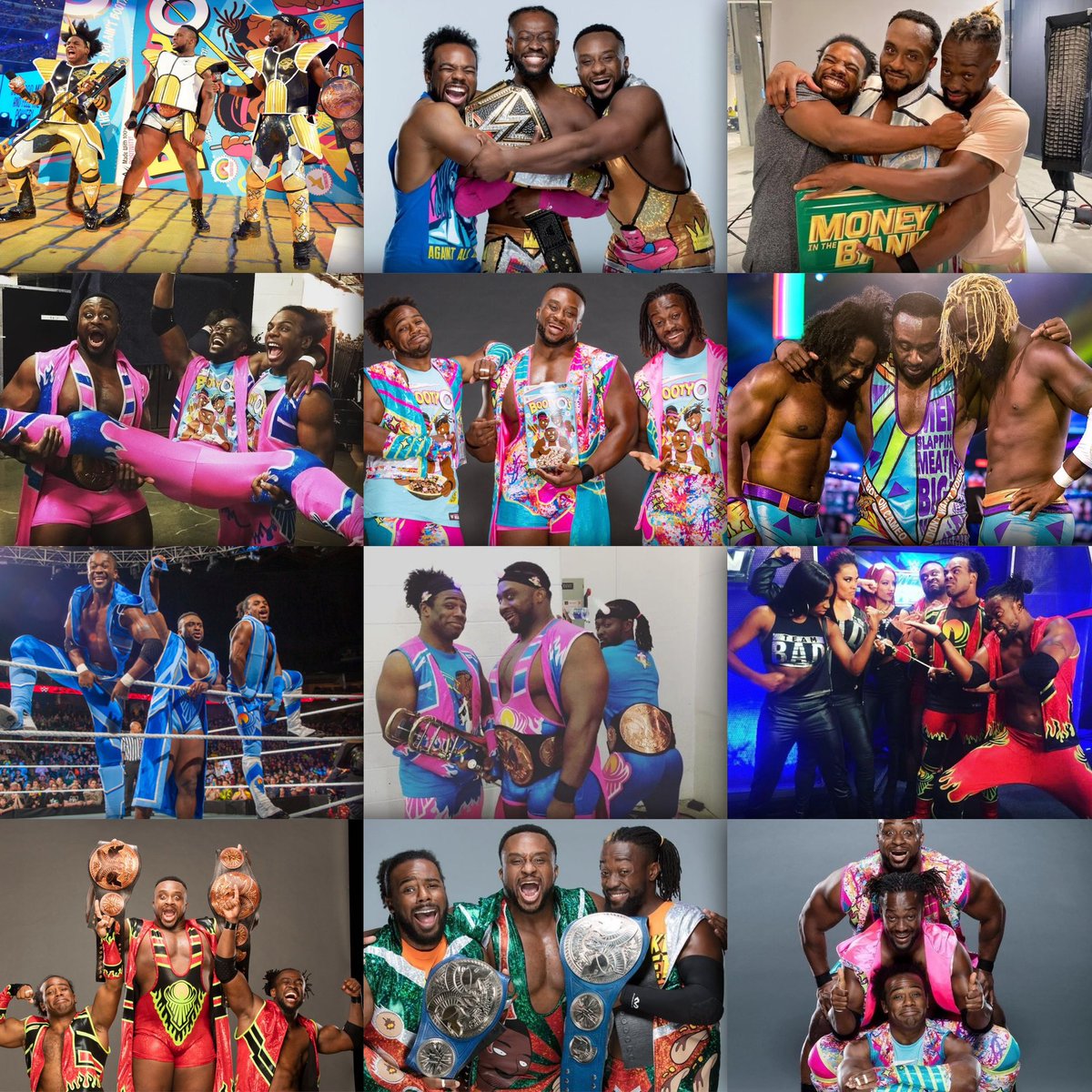
The New Day (Kofi Kingston, Xavier Woods, and Big E) proved that the "Freebird Rule" (where any two members can defend the titles) could be used to create one of the most beloved acts in history. Beyond their comedy and "Power of Positivity," their in-ring work was consistently elite. They were instrumental in keeping tag team wrestling relevant during an era where singles stars often took precedence.
Comparing the Legends of Tag Team Wrestling
The following table compares the defining characteristics and accolades of the teams most frequently cited as the greatest of all time.
| Tag Team | Peak Era | Primary Style | Notable Achievement |
|---|---|---|---|
| The Road Warriors | 1983–1992 | Power / Brawling | First to hold AWA, NWA, and WWE Titles |
| The Midnight Express | 1984–1990 | Technical / Heel Heat | Set the standard for tag team psychology |
| The Dudley Boyz | 1996–2015 | Hardcore / Power | 23-time World Tag Team Champions (Global) |
| The Hardy Boyz | 1998–2009 | High-Flying | Revolutionized the TLC/Ladder match |
| The Usos | 2010–2024 | Hybrid / Speed | Longest reigning WWE Tag Team Champions |
| FTR (The Revival) | 2014–2026 | Old School / Technical | First "Triple Crown" Tag Team (WWE/AEW/ROH) |
| The Steiner Brothers | 1989–1998 | Amateur / Suplex | Masters of the "Steiner Screwdriver" |
The International Standard: Japan’s Golden Age
No discussion of the best tag teams is complete without mentioning the "Four Pillars" of All Japan Pro Wrestling (AJPW) in the 1990s. The teams of Mitsuharu Misawa & Kenta Kobashi and Toshiaki Kawada & Akira Taue (The Holy Demon Army) produced matches that are frequently rated as the greatest in the history of the sport by journalists like Dave Meltzer of the Wrestling Observer Newsletter.
These teams focused on "King's Road" style wrestling, characterized by stiff strikes, high-angle suplexes, and incredibly long, dramatic narratives. Their matches often exceeded 30 minutes and were built on the idea of fighting spirit. The Holy Demon Army, in particular, is often cited as the most cohesive unit in Japanese history, utilizing a vast array of unique double-team maneuvers that had never been seen in the West.
The Resurrection of the "Old School": FTR
In the current decade leading into 2026, FTR (Dax Harwood and Cash Wheeler) has led a resurgence of traditional tag team wrestling. Explicitly stating "No Flips, Just Fists," they rejected the modern trend of choreographed high-flying spots in favor of the psychology used by The Midnight Express and The Brain Busters.
FTR's greatness lies in their dedication to the craft. They are often credited with revitalizing the tag team divisions in both WWE (as The Revival) and AEW. By winning championships in every major promotion they entered, they solidified their status as the preeminent tag team of the 2020s, bridging the gap between the legends of the 80s and the athletes of today.
Frequently Asked Questions
Which tag team has won the most championships?
While numbers vary by promotion, The Dudley Boyz are generally recognized as the most decorated team in history, having won over 23 world tag team championships across major organizations including WWE, ECW, WCW, NWA, TNA, and New Japan Pro-Wrestling.
What is the "Freebird Rule"?
The Freebird Rule was popularized by The Fabulous Freebirds (Michael Hayes, Terry Gordy, and Buddy Roberts). It allows any two members of a three-man (or larger) stable to defend the tag team championships on any given night. This rule has since been used by teams like The New Day and The Undisputed Era.
Who is considered the best high-flying tag team?
The Hardy Boyz are widely considered the gold standard for high-flying tag teams. Their innovative use of ladders and their ability to perform synchronized aerial maneuvers set a precedent that influenced nearly every modern high-flying duo, including The Young Bucks and The Lucha Brothers.
Why do some people consider The Midnight Express better than The Road Warriors?
This is a debate between "drawing power" and "work rate." The Road Warriors were a bigger box-office attraction and had a more legendary "look." However, purists prefer The Midnight Express because of their technical proficiency and their ability to make their opponents look like stars, which is a key component of being a great professional wrestler.
Who are the best tag teams of the 2020s?
As of 2026, the standout teams of the current decade are The Usos, FTR, and The Young Bucks. Each team represents a different philosophy: The Usos dominate the WWE landscape with character-driven stories, FTR focuses on technical "old school" wrestling, and The Young Bucks represent the modern, high-octane "indie" style that has gone mainstream.
Recommendation for New Fans
To truly appreciate the evolution of tag team wrestling, start by watching the TLC II match from WrestleMania X-Seven, which showcases the peak of the "Extreme" era. Then, contrast it with The Midnight Express vs. The Rock 'n' Roll Express from NWA Chi-Town Rumble 1989 to see the pinnacle of classical tag team psychology. Understanding these two extremes will provide the necessary context to appreciate why these teams are considered the greatest to ever enter the squared circle.
Image Gallery
Select an image to open it in a new tab.
Zara El-Hashem
Sociocultural Dynamics and Academics Writer
