Comprehensive Guide to PVC Single-Ply Roofing: Performance, Installation, and Costs in 2026
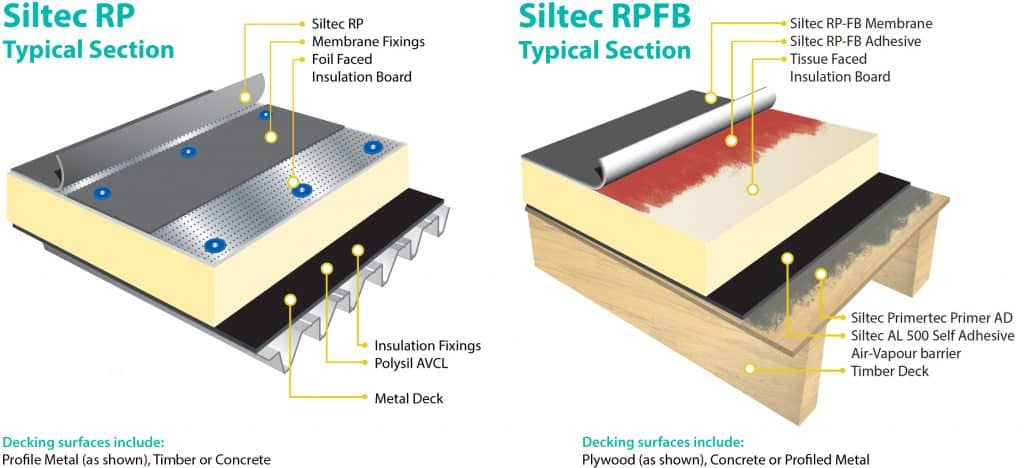
PVC (polyvinyl chloride) single-ply roofing is a high-performance, thermoplastic membrane engineered for flat and low-slope roofs. It is characterized by heat-welded seams that create a permanent, watertight bond, offering exceptional resistance to chemicals, grease, and fire. Primarily used in commercial and industrial sectors, it is also a premier choice for residential flat-roof applications.
Understanding PVC Single-Ply Roofing Systems
Polyvinyl Chloride (PVC) has been a staple of the commercial roofing industry for over five decades. As a single-ply membrane, it consists of a single layer of thermoplastic material, typically reinforced with a polyester or fiberglass scrim to provide dimensional stability and puncture resistance. Unlike multi-layer systems like built-up roofing (BUR), PVC relies on the integrity of its chemical composition and the strength of its fused seams.
As of 2026, the technology behind PVC membranes has evolved to address historical concerns regarding plasticizer migration. Modern PVC membranes utilize advanced Ketone Ethylene Ester (KEE) or high-molecular-weight plasticizers that remain flexible throughout the roof’s lifecycle, preventing the brittleness and cracking that plagued earlier iterations of the material.
The material is classified by ASTM D4434, which sets the standard for PVC sheet roofing. This standard ensures that the membrane meets specific requirements for tensile strength, tear resistance, and accelerated weathering. When selecting a PVC system, the thickness is measured in "mils" (one-thousandth of an inch), with common thicknesses being 50, 60, and 80 mil. Thicker membranes generally offer enhanced longevity and greater resistance to physical damage.
The Chemical Composition and Technical Performance
The core appeal of PVC single-ply roofing lies in its unique chemical properties. Because it is a thermoplastic, it can be heated and reshaped multiple times. In a roofing context, this allows contractors to use hot-air welders to melt the edges of overlapping sheets together. Once the material cools, the two sheets become a single, monolithic piece of material. This welded seam is often stronger than the membrane itself, a significant advantage over EPDM (rubber) roofs, which rely on adhesives or tapes that can degrade over time.
Fire Resistance and Chemical Stability
PVC is inherently fire-resistant. Unlike many other roofing materials that require chemical additives to achieve a fire rating, the chlorine content in PVC makes it naturally slow to ignite and capable of self-extinguishing once the flame source is removed. This makes it an ideal choice for high-density urban areas or industrial facilities with strict fire codes.
Furthermore, PVC is the gold standard for roofs exposed to harsh chemicals. It is highly resistant to animal fats, greases, and oils, which makes it the preferred material for restaurants and food processing plants. It also withstands exposure to various acids and alkaline substances, providing a versatile solution for a wide range of industrial environments.

Primary Benefits of PVC Roofing in 2026
Building owners and architects choose PVC single-ply roofing for several distinct reasons:
- Longevity and Durability: A properly installed and maintained PVC roof can last 20 to 30 years. Its resistance to UV radiation and thermal cycling prevents the membrane from breaking down under the intense sun or fluctuating temperatures.
- Energy Efficiency: Most PVC membranes are produced in white or light grey, giving them high solar reflectance and thermal emittance. These "cool roofs" reflect a significant portion of the sun's energy, reducing the cooling load on the building and mitigating the urban heat island effect.
- Eco-Friendliness: In 2026, the sustainability of building materials is a primary concern. PVC is highly recyclable. Manufacturers often take back scrap material from the installation process, and at the end of the roof's life, the membrane can be ground down and reused in new roofing products or other PVC-based items like walkway pads.
- Ease of Repair: Because PVC remains weldable throughout its life, repairs are relatively straightforward. A technician can clean an old section of the roof and weld a new patch directly onto it using a handheld hot-air tool, ensuring the repair is as watertight as the original installation.
Installation Methods for PVC Membranes
The performance of a PVC single-ply roofing system is heavily dependent on the method used to secure it to the roof deck. There are three primary installation techniques:
Mechanically Attached Systems
This is often the most cost-effective method. The membrane is rolled out over the insulation and secured to the roof deck using heavy-duty screws and plates. The fasteners are typically placed along the edge of the sheet so they are covered by the overlap of the next sheet, which is then heat-welded. This method is fast but may be subject to "fluttering" in high-wind conditions.
Fully Adhered Systems
In a fully adhered installation, the membrane is bonded to the substrate using a specialized adhesive. This can be a water-based, solvent-based, or low-VOC foam adhesive. Fully adhered systems are ideal for roofs with complex shapes or those in areas prone to high winds, as the continuous bond prevents air from getting under the membrane. This provides a very smooth, aesthetic finish.
Induction Welded Systems
A more modern approach, induction welding (often associated with brands like RhinoBond), involves securing the insulation with specialized plates that have a PVC-compatible coating. The membrane is then laid over these plates, and an induction tool is used to heat the plate from above the membrane, fusing them together without penetrating the top layer of the roof. This provides the wind-uplift benefits of an adhered system with the speed of mechanical attachment.
PVC vs. TPO vs. EPDM: A Technical Comparison
To understand where PVC fits in the market, it is helpful to compare it against other common single-ply membranes.
| Feature | PVC (Polyvinyl Chloride) | TPO (Thermoplastic Polyolefin) | EPDM (Ethylene Propylene Diene Terpolymer) |
|---|---|---|---|
| Seaming Method | Heat-Welded (Permanent) | Heat-Welded (Permanent) | Adhesive/Tape (Mechanical) |
| Chemical Resistance | Excellent (Fats, Oils, Acids) | Moderate | Poor (Damaged by Oils) |
| Fire Resistance | High (Self-Extinguishing) | Moderate (Requires Additives) | Low (Requires Additives) |
| Flexibility | Remains Flexible (KEE) | Can become brittle | Excellent (Natural Rubber) |
| Typical Lifespan | 20 - 30 Years | 15 - 25 Years | 20 - 30 Years |
| Cost (Installed) | $$$ (Higher) | $$ (Moderate) | $ (Lower) |
| Best Use Case | Restaurants, Industrial, High-End | General Commercial, Retail | Large Warehouses, Residential |
Cost Analysis and Budgeting for 2026
In 2026, the cost of a PVC single-ply roofing system is influenced by material prices, labor rates, and the complexity of the roof. On average, building owners can expect to pay between $8.00 and $14.00 per square foot for a complete installation.
Factors Influencing Total Cost:
- Membrane Thickness: Moving from a 50-mil to an 80-mil membrane typically adds 15-25% to the material cost but can significantly extend the warranty period and lifespan.
- Substrate Preparation: If the existing roof must be removed (tear-off), labor and disposal costs will rise. If the new PVC can be installed as a "recover" over an existing roof, costs are lower.
- Insulation Requirements: Current energy codes often require high R-values, which means thicker or more expensive insulation (like Polyisocyanurate) must be installed under the membrane.
- Roof Complexity: Roofs with many penetrations (HVAC units, pipes, skylights) require extensive detail work and hand-welding, which increases labor hours significantly.
Maintenance and Lifecycle Management
While PVC is a "low-maintenance" roofing system, it is not "no-maintenance." To maximize the return on investment, facility managers should implement a bi-annual inspection program.
1. Inspecting Welded Seams: Over time, building movement or extreme thermal stress can occasionally stress seams. A simple "probe test" using a blunt tool can identify if any seam edges have begun to lift. 2. Managing Debris: While PVC is resistant to most chemicals, standing water and accumulated organic debris (leaves, dirt) can lead to biological growth that may eventually stain the membrane or clog drains. 3. Flashing and Edge Metal: Most leaks on a PVC roof do not occur in the field of the membrane but at the edges. Check that the metal coping and flashing are secure and that the sealant around penetrations is intact. 4. Solar Panel Compatibility: By 2026, many PVC roofs are used as platforms for solar arrays. Ensure that the solar mounting system is compatible with the PVC membrane and that "walkway pads" are installed in high-traffic areas to protect the roof from technician foot traffic.
Environmental Impact and Sustainability
As the construction industry moves toward a circular economy, PVC roofing has adapted. Many manufacturers now offer "Take-Back" programs where old PVC membranes are collected during a reroofing project and transported to a recycling facility. The material is cleaned, shredded, and processed into new roofing products.
Furthermore, the high Solar Reflectance Index (SRI) of white PVC membranes contributes to LEED (Leadership in Energy and Environmental Design) points for building owners. By reducing the energy required for air conditioning, PVC roofs contribute to a lower carbon footprint for the building over its entire 25-year service life.
Frequently Asked Questions
Is PVC roofing better than TPO?
PVC and TPO are both thermoplastic membranes with heat-welded seams, but PVC has a longer track record and superior resistance to chemicals and fire. TPO is often chosen for its lower price point, while PVC is the preferred choice for demanding environments like restaurants or buildings with strict fire safety requirements.
Can PVC roofing be installed over an existing roof?
Yes, in many jurisdictions, a PVC membrane can be installed as a "recover" over a single layer of existing roofing (such as EPDM or a smooth BUR), provided the underlying structure is dry and sound. This usually requires the use of a separator sheet or "fan-fold" insulation board to prevent chemical incompatibility between the old and new materials.
Why is PVC more expensive than other single-ply options?
The higher cost is due to the chemical components required to keep the membrane flexible and stable over time, such as KEE (Ketone Ethylene Ester). Additionally, the manufacturing process for high-quality reinforced PVC is more intensive than that of EPDM or TPO.
Does a PVC roof require a specific pitch?
PVC is designed for flat and low-slope applications. While it can handle "dead flat" areas (though not ideal for any roofing system), it is best used on roofs with at least a 1/4:12 slope to ensure proper drainage and prevent excessive ponding water.
How do I know if my PVC roof needs to be replaced?
Signs that a PVC roof is reaching the end of its life include widespread "shattering" or cracking (often caused by plasticizer loss in very old roofs), seams that no longer hold a weld, or significant water infiltration that has saturated the underlying insulation.
Final Recommendations for Building Owners
When considering a PVC single-ply roofing system in 2026, the most critical decision is the selection of the contractor. Because the integrity of the roof relies on the quality of the heat-welded seams, specialized equipment and training are required. Ensure your contractor is certified by the specific membrane manufacturer to provide a "No Dollar Limit" (NDL) warranty, which covers both labor and materials. Investing in a thicker membrane (60 or 80 mil) and a fully adhered installation will typically yield the lowest total cost of ownership by extending the time between replacements and reducing the likelihood of minor leaks.
Image Gallery
Select an image to open it in a new tab.
Omar Farooq
EdTech Innovation and Virtual Pedagogy Journalist
