Solo Cup Company Myth Versus Fact: Separating Urban Legend from Manufacturing Reality
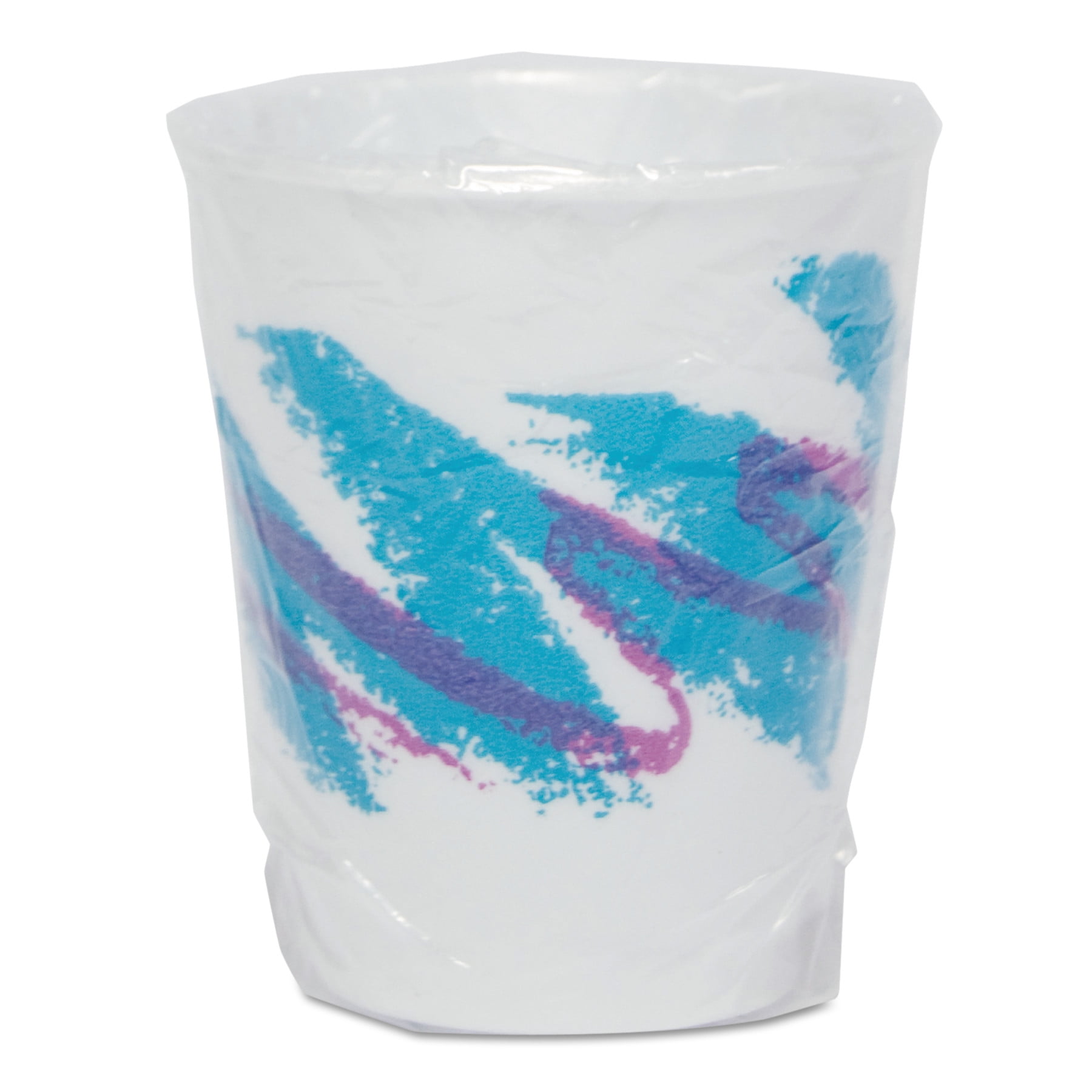
The Solo Cup Company, now a subsidiary of Dart Container, has been the subject of persistent urban legends for decades, primarily centering on the function of the rings on their iconic red plastic cups. Contrary to popular internet myths, these graduated lines are not measurement indicators for alcoholic spirits or party-related quantities, but are instead structural design features intended to provide physical rigidity and stackability.
The Origin of the Red Cup Legend
For most of the 21st century, the Solo red party cup has functioned as an accidental icon of American social culture. Its ubiquity in college dormitories, backyard barbecues, and film portrayals has led to a collective curiosity regarding its design. The most pervasive myth suggests that the distinct horizontal rings molded into the plastic correspond to specific measurements: the bottom ring for liquor (usually 1.5 ounces), the middle for wine (5 ounces), and the top for beer (12 ounces).
While this narrative provides a convenient "cheat sheet" for social drinking, it is entirely unsupported by the manufacturer. The Solo Cup Company has consistently maintained that these markings lack any standardized calibration for liquid measurement. The persistence of this myth is a classic example of apophenia—the tendency to perceive meaningful connections or patterns where none exist—driven by a desire to find utility in a mass-produced, utilitarian object.
The Engineering Reality: Structural Integrity and Stacking
The actual purpose of the rings on a Solo cup is rooted in fundamental mechanical engineering rather than social utility. When Dart Container, which acquired Solo in 2012, explains the design, they emphasize three primary manufacturing benefits: grip, stability, and denesting.
1. Structural Rigidity
Thin-walled plastic cups, particularly those made from thermoformed polystyrene, are susceptible to collapse under the weight of liquid. The horizontal rings act as "ribs" or structural stiffeners. By creating a corrugated surface, the manufacturer increases the moment of inertia of the cup wall, allowing it to maintain its cylindrical shape without buckling when held by a user. Without these rings, the plastic would require a higher thickness—and therefore more material—to achieve the same level of strength, which would increase production costs and environmental impact.
2. The Denesting Mechanism
One of the most critical requirements for high-speed automated packaging lines is "denesting"—the ability of a machine to separate individual cups from a tightly packed stack. If the cups were perfectly smooth and had a slight taper, they would exhibit a "vacuum effect" or friction lock, causing them to stick together firmly. The ridges provide a physical stop, preventing the cups from seating too deeply into one another. This design allows for reliable separation at the high speeds required in modern manufacturing facilities.
3. Enhanced Grip and Handling
From a user-experience standpoint, the ridges provide essential friction. A smooth plastic surface, especially when condensation forms on the exterior due to cold beverages, becomes slippery and difficult to hold. The horizontal ridges create a textured surface that increases the surface area for the user’s fingers, improving tactile feedback and reducing the likelihood of accidental drops.
Comparing Industrial Design Elements
To better understand the disparity between the myth and the engineering function, it is helpful to look at how these design features compare to the requirements of a drinking vessel.
| Design Feature | Mythical Claim | Engineering Fact |
|---|---|---|
| Horizontal Ridges | Measurement lines for alcohol | Structural support and grip |
| Graduated Taper | Design for pouring accuracy | Stacking and nesting efficiency |
| Plastic Composition | Designed for "party" durability | Cost-effective mass manufacturing |
| Material Thickness | Intentional calibration | Optimization of raw resin usage |
Addressing the Consistency of Manufacturing
One common argument raised by proponents of the measurement myth is that the rings seem to "perfectly" align with standard alcohol pours. This, however, is a coincidence of volume and scale. Because the cup is designed to hold 16 or 18 fluid ounces as its primary capacity, its diameter and height must conform to standard packaging and vending dimensions.
When a standard liquid volume (like a 12-ounce beer) is poured into a 16-ounce cup, the liquid level naturally reaches a point that is geometrically proportional to the cup's taper. If a user happens to pour their beverage to a point near a ring, they perceive that ring as a marker. In reality, if one were to test various sizes of Solo cups or compare them to generic competitor brands, the position of these ridges relative to the liquid volume would shift significantly, proving that there is no universal industry standard for the placement of these rings in relation to liquid ounces.
Legal, Safety, and Accuracy Limitations
The lack of calibration on these cups is not merely a design choice; it is a legal and safety distinction. A measurement device—such as a measuring cup or a jigger—must meet specific standards of accuracy to be labeled as such. Solo cups are not classified as measurement tools. Relying on them for precise liquid volumes in any context where accuracy is required—such as medical dosages, chemical mixing, or standardized responsible service of alcohol—is inaccurate.
Consumers should be aware that variations in wall thickness, plastic cooling times during the thermoforming process, and minor differences in raw material density can cause slight variations in the interior volume of the cups. Therefore, attempting to use these ridges as a standardized measurement tool can lead to significant discrepancies in consumption or preparation.
Frequently Asked Questions
Are the ridges on Solo cups meant to help hold the cup when it’s cold? Yes, primarily. While the ridges provide structural strength, they also facilitate a better grip when the exterior of the cup accumulates condensation from cold drinks. This reduces the risk of the cup slipping out of the user's hand during social settings.
Did the company ever design the cups for measuring? No. Throughout the history of the Solo Cup Company, the marketing and engineering focus has remained on disposable utility, convenience, and low-cost mass production. There is no historical evidence or patent documentation suggesting that the rings were intended for volumetric measurement.
Is there a version of the cup that has measurements? There are specialized barware and kitchen products specifically designed with printed calibration lines (e.g., "1 oz," "2 oz") for measuring ingredients. These are distinct from standard Solo party cups. If you require accurate measurement for cocktail mixing or nutritional tracking, use a calibrated jigger or a marked kitchen beaker.
Why are the cups so popular if they aren't meant for measuring? Their popularity is derived from their cost-effectiveness, their ability to be stacked efficiently for shipping and storage, and their durability relative to their weight. They became a cultural staple due to their low price point and the widespread availability of the red, blue, and yellow varieties across North American retail.
Does the color of the cup matter for the measurements? No. The colors (red, blue, yellow, etc.) are purely for aesthetic preference or for color-coding drinks at events. The manufacturing process for the ridges remains identical across all color variants of the same product line.
Conclusion and Practical Guidance
The belief that Solo cup ridges are measurement tools is a widespread urban legend that obscures the impressive engineering behind a ubiquitous household item. These ridges serve the essential roles of providing structural rigidity, enabling efficient stacking, and ensuring a secure grip.
For your next gathering, recognize these rings for what they are: functional, efficient design elements. If you require precise measurements for your beverages, do not rely on the markings of a disposable cup. Instead, keep a dedicated stainless steel jigger or a marked plastic measuring vessel on hand. This ensures accuracy in your drink preparation and eliminates the risk of inconsistent serving sizes, regardless of which cup design you choose to use.
Image Gallery
Select an image to open it in a new tab.


Ingrid Bjornson
Global Cyber Policy and Regulation Analyst
