The Real-Life Inspiration Behind the Main Character of The Wolf of Wall Street

The main character of the 2013 biographical black comedy The Wolf of Wall Street is Jordan Belfort, a former stockbroker who gained notoriety for his role in a massive securities fraud scheme. Directed by Martin Scorsese and starring Leonardo DiCaprio, the film depicts Belfort’s meteoric rise to wealth through his brokerage firm, Stratton Oakmont, and his subsequent fall due to criminal activities, market manipulation, and intense federal investigations.
The Genesis of the Character: Jordan Belfort
To understand the protagonist of The Wolf of Wall Street, one must distinguish between the cinematic representation and the historical figure. The film is based on the 2007 memoir of the same name written by the actual Jordan Belfort. While Scorsese’s film takes significant creative liberties to heighten the comedic and dramatic elements—often relying on hyperbole to mirror the excess of the 1990s—the core narrative arc remains anchored in Belfort's documented life.
Born in the Bronx, New York, in 1962, Belfort entered the financial world during the mid-1980s. He quickly learned the aggressive, high-pressure sales tactics that would define his career. His ascent to fame was not built on legitimate investment strategies but on "pump and dump" schemes—a form of securities fraud where an entity artificially inflates the price of a stock through false and misleading positive statements, only to sell off their own shares at a high price before the value crashes, leaving unsuspecting investors with worthless assets.
The Founding and Fall of Stratton Oakmont
The central engine of the film—and the primary catalyst for the protagonist’s descent into moral and legal decay—is the establishment of Stratton Oakmont, Inc. In the real world, this firm served as a boiler room where brokers sold "penny stocks" to gullible retail investors.
The structure of the firm was designed to maximize high-pressure telemarketing tactics. By targeting investors who were inexperienced or desperate for quick returns, Belfort and his team were able to maintain an illusion of extreme wealth. The film illustrates these operational dynamics through highly stylized sequences showing the chaotic, hedonistic culture of the office. In 2026, it remains a common subject of study in business ethics and white-collar crime, serving as a cautionary tale of how regulatory loopholes combined with unchecked greed can lead to massive systemic fraud.
The Role of Federal Oversight
The film accurately depicts the persistent investigation by the Federal Bureau of Investigation (FBI) and the Securities and Exchange Commission (SEC). The character of Agent Patrick Denham—a composite figure created for the film—represents the law enforcement wall that eventually halted Belfort’s illicit operations.
Historically, Belfort was indicted in 1998 for securities fraud and money laundering. He cooperated with the federal government to secure a lighter sentence, leading to the conviction of several of his associates. While he was sentenced to four years in prison, he served only 22 months at the Taft Correctional Institution in California. The legal aftermath was extensive, involving substantial restitution orders that remain a point of discussion regarding the efficacy of white-collar justice.
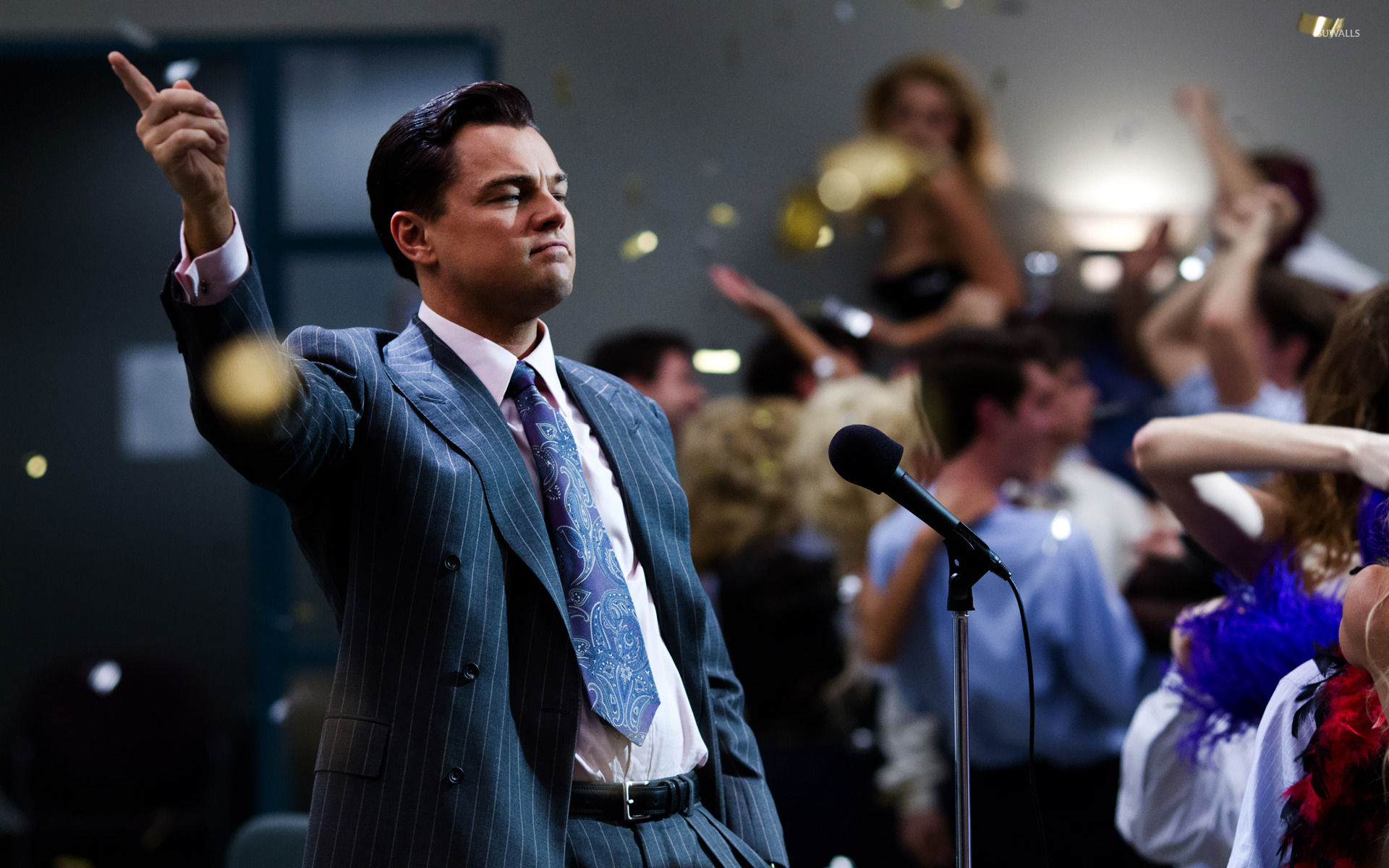
Comparing Fiction and Reality
While the narrative of the main character follows the historical timeline of Jordan Belfort, the film’s portrayal is a stylized "fictionalized" version of reality. Viewers often question how much of the depravity shown on screen was authentic to the original events.
| Feature | Film Representation | Historical Context |
|---|---|---|
| Occupational Focus | Focus on lifestyle, excess, and drug use. | Focus on sophisticated fraudulent sales tactics. |
| The "FBI Agent" | A persistent, singular antagonist. | An ensemble of investigators from multiple agencies. |
| Legal Outcome | Rapid plea deal and reduced sentence. | Indicted in 1998; served 22 months in prison. |
| Company Culture | Constant office parties and illicit activities. | Highly disciplined, high-pressure sales environment. |
The "wolf" persona, a nickname Belfort acquired during his time on Wall Street, was cultivated to project an image of predatory intelligence and unyielding ambition. The film utilizes this persona to explore themes of modern American greed, examining whether the audience is meant to be repelled by or envious of the protagonist’s lifestyle.
Ethical Implications and Public Perception
The character’s appeal stems from a classic anti-hero archetype. He is charming, intelligent, and fiercely charismatic, yet fundamentally immoral. In contemporary discussions, the character of Jordan Belfort serves as a litmus test for how society views white-collar criminals. Unlike violent offenders, the harm caused by Belfort’s actions was financial, resulting in the loss of millions of dollars for thousands of individual investors.
The film intentionally avoids a clear moralizing tone, opting instead for a frenetic pacing that forces the viewer to experience the adrenaline of the fraud alongside the protagonist. This creative choice sparked significant debate upon the film's release and continues to influence how audiences perceive business-related cinema. The protagonist's final transformation from a high-flying broker to a motivational speaker is often viewed as the ultimate irony, highlighting the resilience of his persona even after his criminal past was exposed.
Impact on Business and Finance Education
Beyond entertainment, the story of Jordan Belfort and the operations at Stratton Oakmont are frequently referenced in academic settings. Business schools often use the narrative to illustrate the importance of corporate governance, the dangers of aggressive sales cultures, and the psychological mechanisms of Ponzi-like schemes.
Students of finance are encouraged to look past the character study and examine the regulatory changes that occurred in the wake of the Stratton Oakmont scandal. These changes tightened the oversight of over-the-counter (OTC) markets and increased the transparency requirements for brokerage firms. The film acts as a visual record of an era of financial deregulation that has since been largely dismantled, making it a valuable tool for understanding the evolution of modern market protections.
Frequently Asked Questions
Was Jordan Belfort actually convicted?
Yes. Jordan Belfort pleaded guilty to securities fraud and money laundering in 1998. He was sentenced to four years in federal prison and ordered to pay $110.4 million in restitution to his victims. He served approximately 22 months of his sentence.
How much of the movie is true?
While the film is based on the memoir and covers the real rise and fall of Stratton Oakmont, many of the specific, outrageous scenes—such as the dwarf-tossing or certain plane incidents—are heavily dramatized or were exaggerated for narrative effect. The core criminal activities and the basic timeline of his legal troubles are factually grounded.
Does the main character have a real-life name?
Yes, the character is based on the real-life figure Jordan Belfort. While the film retains his name and the names of many of his associates, some secondary characters were combined or altered for narrative convenience.
Is the "Wolf of Wall Street" still active in finance?
As of 2026, the real-life Jordan Belfort is not a licensed stockbroker. He has transitioned into a career as a public speaker, sales trainer, and author, focusing on his personal brand rather than the financial services sector.
What was the specific nature of his crime?
Belfort operated a "pump and dump" scheme. His firm would manipulate the prices of low-value stocks by using high-pressure sales tactics to convince investors to buy, artificially inflating the price. Once the price peaked, he and his associates would sell their own shares at a profit, causing the stock price to collapse for other investors.
Next Actions and Research
If you are interested in the historical accuracy of the events depicted in the film, the most reliable next step is to consult the original court documents from the United States v. Belfort case. Public records from the Southern District of New York provide comprehensive details on the fraudulent activities and the specific charges brought against the firm. Additionally, reading the original 2007 memoir provides further insight into the perspective of the individual at the center of this financial scandal, though it should be read with the understanding that it is a subjective account from the perpetrator.
For those interested in the broader context of financial crime, examining the official reports from the Securities and Exchange Commission regarding the 1990s crackdown on boiler rooms offers a professional, non-fiction view of the regulatory environment during that era. By analyzing the primary legal and regulatory documents, you can move beyond the cinematic interpretation and understand the tangible impact of these events on the financial landscape.
Image Gallery
Select an image to open it in a new tab.







Akira Tanaka
International Academic Trends Correspondent
