Understanding the Spring Forward Daylight Change: A Guide to the Annual Transition
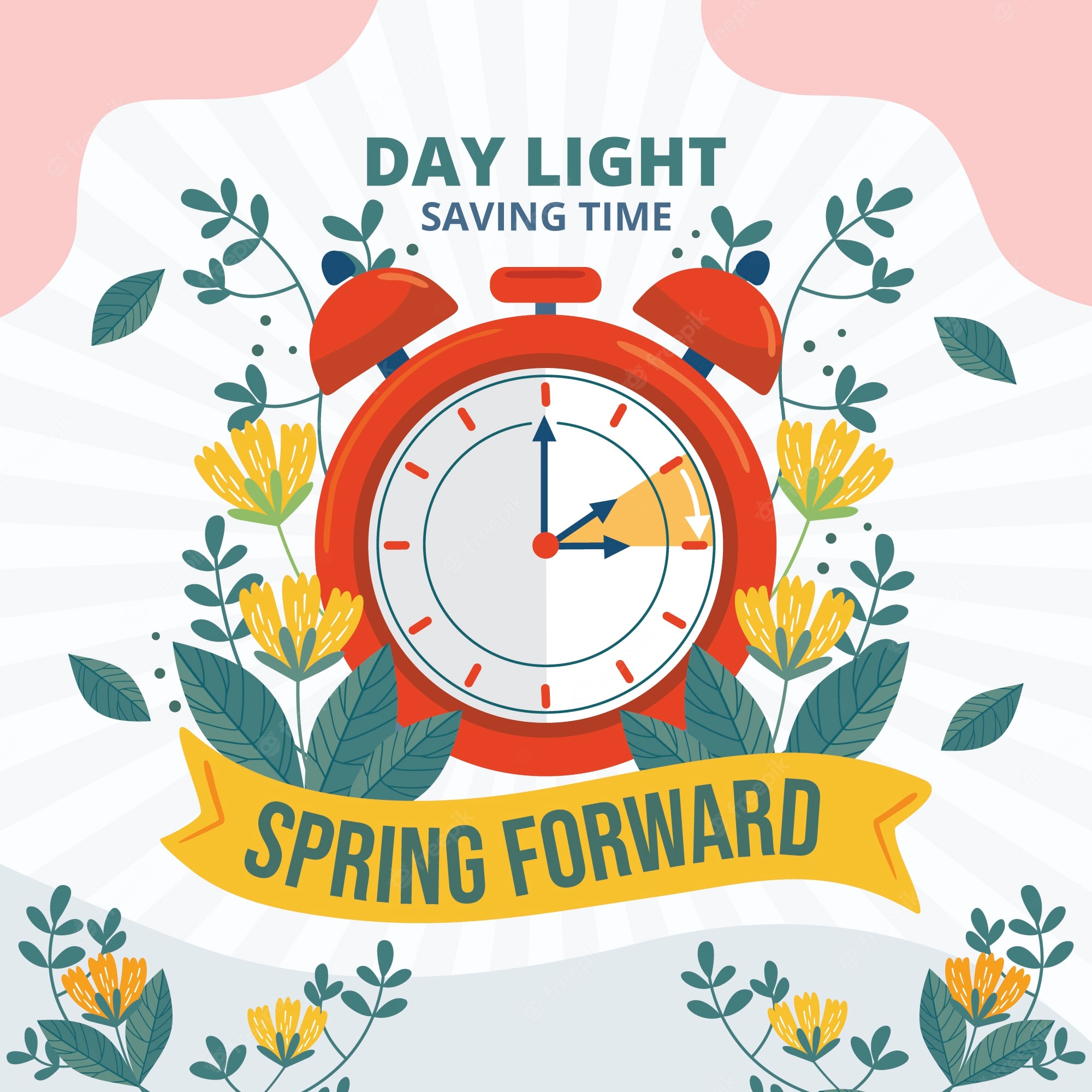
The "spring forward" daylight change refers to the mandatory transition from standard time to Daylight Saving Time (DST), where clocks are moved forward by one hour to extend evening daylight. Occurring annually in the spring, this shift is governed by legal frameworks that dictate the specific date and time for the adjustment, impacting sleep patterns, energy consumption, and infrastructure synchronization across participating regions.
The Mechanics of the Spring Forward Transition
Daylight Saving Time (DST) is not a natural phenomenon but a legislative construct designed to shift the perception of time relative to the sun. When we "spring forward," we are essentially moving an hour of daylight from the early morning—when most people are asleep—to the evening hours.
In the United States and Canada, this transition is standardized by federal law. Clocks are set forward one hour at 2:00 a.m. local time on the second Sunday in March. This means that at 1:59:59 a.m., the next second is 3:00:00 a.m. This sudden jump effectively eliminates an hour from the calendar day. While the sun continues to follow its natural celestial path, human activity is forcibly realigned to better match the hours of available sunlight during the work and school week.
It is important to note that not all regions participate in this practice. Within the United States, Hawaii and most of Arizona observe Standard Time year-round. Internationally, the rules vary significantly; for example, many countries in the European Union synchronize their time changes on the last Sunday of March, while many equatorial countries do not observe DST at all because the seasonal variation in daylight duration is negligible.
Why We Change the Clocks: Historical and Practical Context
The logic behind the spring forward change centers on the concept of human efficiency. By extending the duration of sunlight into the evening, the intention is to reduce the reliance on artificial lighting for evening activities. This was historically motivated by fuel conservation—most notably during the First and Second World Wars—and the desire to provide the workforce with more leisure time in natural light.
In 2026, the discussion regarding the necessity of this shift remains active. Proponents argue that the extra hour of light in the evening promotes physical activity, boosts retail commerce, and enhances public safety by reducing traffic accidents during the commute home. Conversely, critics point to the physiological toll of the abrupt change. Because the transition disrupts the body’s circadian rhythm, it can lead to increased stress, temporary sleep deprivation, and a documented spike in cardiovascular health events and workplace accidents in the days immediately following the shift.

Preparing for the Transition: A Strategic Approach
Because the change is mandatory for most regions, preparation is the most effective way to mitigate its impact. The primary challenge is the "social jetlag" caused by the loss of 60 minutes of rest. To navigate this effectively, consider the following adjustments:
1. Gradual Sleep Hygiene
Rather than waiting until the Saturday night before the change, adjust your sleep schedule in 15-minute increments over the four days leading up to the second Sunday in March. Going to bed 15 minutes earlier each night helps the internal clock recalibrate without a jarring shock.
2. Managing Environment and Light
Light is the primary cue for the brain to regulate melatonin production. In the days following the spring forward change, try to seek out bright natural light in the morning to signal to your body that it is time to wake up. Conversely, dim the lights in your home an hour before your scheduled bedtime to prepare for sleep.
3. Digital Synchronization
While most modern smartphones, computers, and tablets are equipped with internet-connected clocks that update automatically via Network Time Protocol (NTP), analog devices and specific household appliances—such as legacy oven clocks, older alarm clocks, or vehicle dashboard systems—must be updated manually. Always verify your critical devices on the Sunday morning of the transition to ensure your morning routine remains on schedule.
Comparative Overview of Timekeeping Shifts
Understanding the difference between the spring forward and fall back transitions is essential for maintaining a consistent schedule. The following table provides a clear comparison of how these biannual events affect your time management.
| Feature | Spring Forward (March) | Fall Back (November) |
|---|---|---|
| Clock Direction | Forward (+1 hour) | Backward (-1 hour) |
| Day Length | 23 Hours | 25 Hours |
| Morning Light | Becomes darker | Becomes lighter |
| Evening Light | Becomes lighter | Becomes darker |
| Primary Goal | Extended evening activity | Standardized daylight alignment |
| Impact on Sleep | Potential loss of one hour | Potential gain of one hour |
Technical Considerations for Modern Infrastructure
For businesses and technical systems, the spring forward change is more than a personal nuisance; it is an operational constraint. Database administrators, software engineers, and supply chain managers must account for the "missing" hour.
When scheduling automated tasks or batch processing during the 2:00 a.m. to 3:00 a.m. window on the transition date, systems may encounter errors if they do not handle the leap correctly. Best practices in 2026 involve using Coordinated Universal Time (UTC) for server timestamps and backend processing, only applying the local time offset at the presentation layer for the end user. This ensures that logs remain chronological and that tasks do not fail due to the sudden jump in the system clock.
Frequently Asked Questions
Does everyone have to change their clocks?
No. Participation in Daylight Saving Time is determined by national or state legislation. In the U.S., states like Arizona (excluding the Navajo Nation) and territories like Puerto Rico and American Samoa do not observe the time change. Always verify the local laws in your specific jurisdiction if you are traveling or conducting business across state lines during the second week of March.
Why do some people say the spring forward change is dangerous?
The danger is primarily tied to sleep deprivation. Research shows a statistically significant increase in traffic accidents, hospital admissions for heart attacks, and workplace injuries on the Monday and Tuesday following the transition. This is attributed to the sudden, forced shift in the body’s circadian rhythm, which leaves many individuals functioning in a state of mild fatigue.
What happens if my devices do not update automatically?
If a device fails to update, you will be off-sync by one hour. This can result in missing appointments, arriving late to work, or being an hour early for scheduled events. If you are reliant on legacy hardware, consider setting a manual reminder for the transition date to verify your devices against a reliable time source, such as the NIST (National Institute of Standards and Technology) official time clock.
Is the "spring forward" date the same every year?
No. In the United States, the start of Daylight Saving Time is legally set to the second Sunday in March. Because the date of the second Sunday shifts slightly each year, the calendar date of the "spring forward" event moves as well. It is important to check the calendar specifically for each year to confirm the exact date.
Can I opt-out of DST if I am an employer?
While businesses can adjust their internal "start" times to accommodate employee preferences, they generally must adhere to the local time defined by law. For operational consistency, it is best to communicate clear expectations to staff regarding shift start times on the day of the transition, especially for roles involving 24/7 coverage or time-sensitive data processing.
Final Recommendations for the Transition
To successfully manage the 2026 spring forward change, prioritize the integrity of your sleep environment and your digital scheduling. Audit your home and office for non-automated clocks, including those in vehicles and on analog wall units, the night before the change.
If you manage teams or technical systems, proactively verify that your scheduling software is configured to handle the non-existent 2:00 a.m. hour. By treating the spring forward change as a predictable, recurring operational event rather than a last-minute disruption, you can maintain both your personal health and your professional productivity throughout the transition week.
Image Gallery
Select an image to open it in a new tab.
Akira Tanaka
International Academic Trends Correspondent
