
Jay and Silent Bob are iconic fictional characters created by Kevin Smith, serving as recurring protagonists and observers within the View Askewniverse. Portrayed by Jason Mewes and Kevin Smith, the duo functions as a comedic bridge between interconnected films, offering stoner humor, social commentary, and a consistent narrative thread that spans over three decades of independent cinema.
Origins and Conceptual Framework
The genesis of Jay and Silent Bob dates back to Kevin Smith’s 1994 directorial debut, Clerks. Conceived as a manifestation of the "loitering" culture endemic to the convenience stores and video rental shops of Leonardo, New Jersey, the characters were designed to represent the periphery of society. Jay, the loquacious, chaotic extrovert, provides the dialogue-heavy energy, while Silent Bob, the stoic observer, provides the physical comedy and occasional pearls of wisdom.
Their dynamic is rooted in a "buddy comedy" archetype, yet they invert the traditional roles by maintaining a static, almost mythological presence throughout the various films. While characters like Dante Hicks and Randal Graves deal with the existential dread of retail employment or romantic failures, Jay and Silent Bob remain largely immune to these mundane pressures. Their primary occupation—dealing illegal substances in front of the Quick Stop—allows them to operate outside the primary narrative stakes of each film, effectively functioning as a Greek chorus that punctuates the action with absurdity.
The View Askewniverse Chronology
To understand Jay and Silent Bob, one must navigate the View Askewniverse, a shared fictional universe established by Smith. The characters appear in nearly every major project in this canon, though their level of involvement shifts from background cameos to central protagonists.
Essential Viewing Order
The progression of these characters is best understood through the specific release timeline of the View Askewniverse:
- Clerks (1994): The introduction of the duo as sidewalk denizens outside the Quick Stop.
- Mallrats (1995): Their first significant expansion, where they attempt to sabotage the mall's infrastructure.
- Chasing Amy (1997): A more grounded appearance where their past exploits influence the main plot.
- Dogma (1999): The pair are elevated to "prophets" tasked with saving existence, marking their most "heroic" turn.
- Jay and Silent Bob Strike Back (2001): The meta-narrative film that focuses entirely on them traveling to Hollywood to stop a film adaptation of the "Bluntman and Chronic" comic book.
- Clerks II (2006): Re-establishes their presence in the post-retail lives of Dante and Randal.
- Jay and Silent Bob Reboot (2019): A self-referential sequel that pokes fun at the modern trend of Hollywood reboot culture.
- Clerks III (2022): A somber, reflective conclusion to the original Clerks narrative arc.
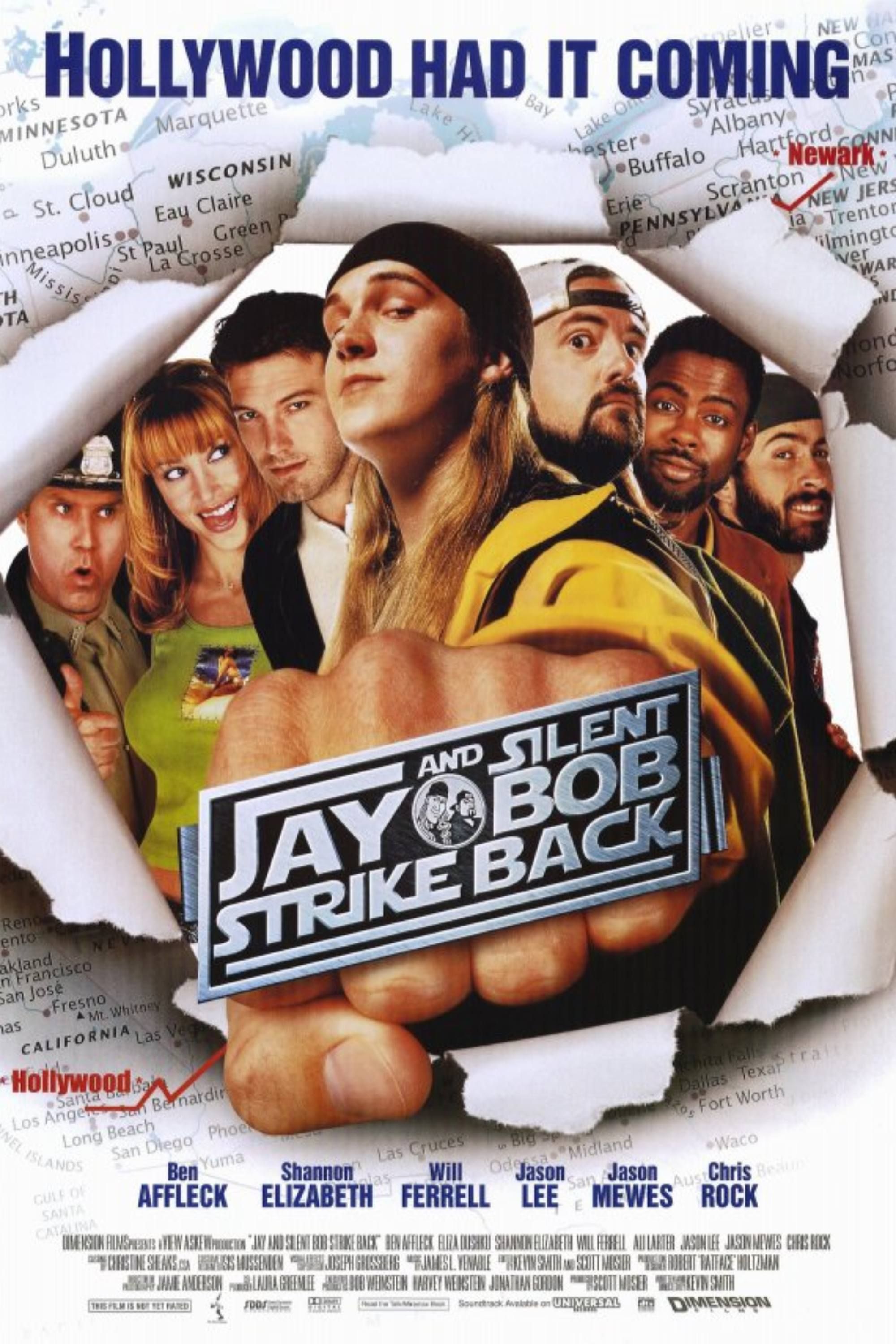
Character Archetypes and Performance Dynamics
The chemistry between Jason Mewes and Kevin Smith is the heartbeat of these characters. Mewes’s improvisational delivery style often contrasted with Smith’s more measured, observant performance.
Jay: The Catalyst for Chaos
Jay represents the unfiltered, often incoherent, and hyper-active element of the duo. His character is defined by his constant chatter, pop-culture references, and erratic behavior. From a narrative perspective, Jay is the engine of movement; he is the one who initiates the journeys, makes the bad decisions, and provides the "insider" knowledge of the street.
Silent Bob: The Stoic Sage
Silent Bob provides the counterbalance. While he rarely speaks, his actions—often involving profound or surprisingly insightful monologues—punctuate the film’s moral themes. This specific dynamic allows Smith to use Bob as a vessel for the film’s deeper messages about friendship, faith, and maturity. When Bob speaks, the audience is conditioned to listen, which adds weight to the rare moments of dialogue he delivers.
Comparison of Key Appearances
While every appearance of the duo maintains certain core traits, their utility varies by film. The following table highlights the nature of their involvement across major titles.
| Film | Primary Role | Narrative Purpose |
|---|---|---|
| Clerks | Recurring Background | Establish local color and absurdity. |
| Mallrats | Supporting Antagonists | Obstruction of the primary plot. |
| Dogma | Protagonists | Serves as spiritual agents of change. |
| Strike Back | Leads | Meta-commentary on fame and IP. |
| Clerks II | Secondary Support | Maintaining continuity of the universe. |
| Reboot | Leads | Satire of Hollywood franchise culture. |
Cultural Impact and Independent Cinema
Jay and Silent Bob are widely considered the mascots of the 1990s independent film movement. Their success demonstrated that niche, dialogue-driven comedy could achieve cult status and sustain a multi-decade franchise.
Furthermore, the creation of "Bluntman and Chronic"—the comic book versions of Jay and Silent Bob within the films—allowed Kevin Smith to expand the brand beyond cinema. The success of this meta-fictional layer influenced how independent creators approach "transmedia" storytelling, using comic books, podcasts, and merchandise to maintain fan engagement long after a film’s theatrical run ends.
Prerequisites for New Viewers
For those interested in exploring the films in 2026, it is recommended to start with the original Clerks. Understanding the specific tone and the low-budget aesthetic of the 1994 film is essential to appreciating the later entries, which often rely on callbacks, inside jokes, and character growth built over decades.
Practical Considerations:
- Context Matters: Much of the humor is rooted in 1990s and 2000s pop-culture zeitgeist.
- Tone: The films shift from raunchy comedies to more sentimental reflections in the later installments (Clerks III).
- Accessibility: The series is available across various streaming platforms; however, viewing them in the order of release is critical to understanding the meta-jokes in the later "Reboot" projects.
Common Criticisms and Limitations
Despite their cult following, the duo is not without controversy. Critics often point to the dated nature of some of the humor, particularly regarding gender and societal norms prevalent in the 90s. As the franchise has evolved, Smith has addressed some of these elements in his newer works, but the earlier films remain fixed in their historical context. New viewers should approach these films with the understanding that they are products of a different era of comedy.
Frequently Asked Questions
Are Jay and Silent Bob based on real people?
The characters are loosely based on Kevin Smith and his longtime friend Jason Mewes. Much of the dialogue and the scenarios, such as hanging out in front of a convenience store, were drawn from their real-life experiences in New Jersey during the early 90s.
Why does Silent Bob rarely speak?
The silence is a creative choice that allows Bob to act as an observer. It enhances the comedy of Jay’s manic energy and makes Bob’s occasional speeches more impactful. It also stems from the initial low-budget nature of Clerks, where it was easier to focus the dialogue on one character.
Do I need to watch the films in order?
While you can enjoy the individual films as standalone comedies, watching them in order of release is recommended. The characters experience aging and life changes that carry over from one film to the next, especially in the Clerks and Jay and Silent Bob specific sequels.
Is the "Bluntman and Chronic" comic real?
Yes. Following the success of the films, various Bluntman and Chronic comic books have been produced and published. They exist both as props within the movies and as physical media that fans can purchase.
Where can I find the latest updates on the franchise?
Official news regarding the View Askewniverse typically originates from Kevin Smith’s production company, View Askew Productions, and his various podcasts, which have served as the primary hub for updates and behind-the-scenes content for years.
Conclusion and Recommendation
For those looking to engage with the legacy of Jay and Silent Bob, the most effective next step is to begin with the black-and-white aesthetic of the 1994 Clerks. This establishes the foundation of the characters' dynamic. Once you have seen the original, proceed through the films chronologically to appreciate how the duo evolves from aimless loiterers into the enduring icons of the View Askewniverse. If you prefer a faster pace, Jay and Silent Bob Strike Back serves as a high-energy crash course in the absurdity and meta-humor that defines their existence.
Image Gallery
Select an image to open it in a new tab.


Ingrid Bjornson
Global Cyber Policy and Regulation Analyst
