The Williamsburg Brooklyn Hipster Phenomenon: Evolution, Impact, and Cultural Legacy

The Williamsburg Brooklyn hipster phenomenon represents a transformative era in urban culture where an industrial Brooklyn neighborhood evolved into a globally recognized epicentre of alternative youth culture, independent commerce, and gentrification. This cultural shift reshaped global aesthetics, real estate markets, and consumer habits from the late 1990s through the 2010s.
Defining the Williamsburg Hipster Movement
The Williamsburg hipster phenomenon refers to the socio-cultural wave that transformed the North Brooklyn neighborhood from a declining manufacturing district into a vibrant, highly influential cultural enclave. Characterized by an influx of artists, musicians, and young creatives seeking affordable live-work spaces, the movement birthed a distinct subculture defined by indie rock, artisanal food production, vintage fashion, and progressive politics.
Understanding this phenomenon requires examining how a localized bohemian scene scaled into a worldwide template for urban cool. What began as a pragmatic response to high Manhattan rents catalyzed a complete reimagining of inner-city post-industrial spaces.
The Geographic and Historical Context
Before the influx of creative-class pioneers, Williamsburg was largely defined by its working-class roots, shaped by waves of Italian, Hispanic, Hasidic Jewish, and Polish immigrants. The neighborhood featured sprawling 19th-century brick warehouses, sugar refineries, and textile factories adjacent to the East River.
By the late 20th century, deindustrialization left many of these structures abandoned or underutilized. The passage of the Loft Law in New York State, which allowed commercial and manufacturing buildings to be legally converted into residential live-work spaces, provided the regulatory catalyst. Artists and musicians priced out of Manhattan's East Village and SoHo crossed the East River, drawn by large square footage, cheap rents, and proximity to the L train subway line.
Core Characteristics of the Subculture
The residents who fueled the Williamsburg phenomenon developed a distinct lifestyle ethos that rejected mainstream corporate consumerism in favor of an ironically curated, hyper-local aesthetic. This subculture was not monolithic, but it shared several defining markers in lifestyle, fashion, and commerce.
Fashion and Personal Aesthetics
The stereotypical Williamsburg hipster style combined thrift-store utilitarianism with meticulous grooming. Key elements included:
- Fitted skinny jeans and flannel shirts borrowed from working-class Americana.
- Vintage eyewear, notably thick-rimmed horn-rimmed glasses.
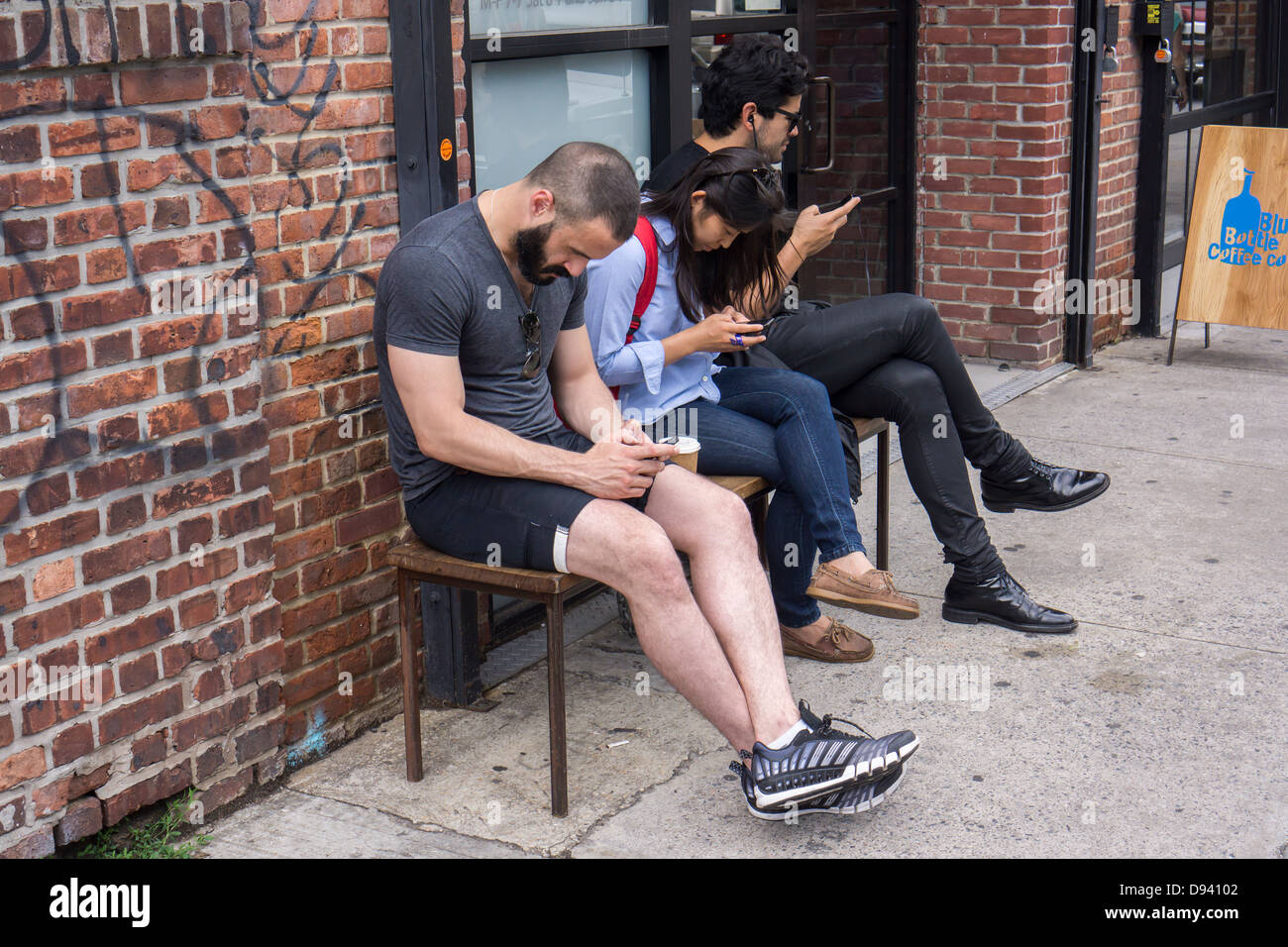
- Elaborate facial hair, including sculpted mustaches and full beards.
- Tattoos displaying artisanal, nautical, or neo-traditional motifs.
- Bicycles—specifically vintage road bikes or fixed-gear bicycles (fixies) without brakes—used as primary commuter vehicles.
Consumerism and the Artisanal Economy
Rather than shopping at corporate retail chains, the Williamsburg community championed micro-economies and hyper-local production. This gave rise to the "artisanal" food movement, where coffee roasters, microbreweries, artisanal pickle makers, and farm-to-table restaurants prioritized craft, transparency, and small-batch authenticity. This economic model emphasized ethical consumption, though critics frequently noted that these goods carried steep price tags that alienated longtime working-class residents.
| Economic Era | Dominant Industries | Real Estate Profile | Primary Demographic |
|---|---|---|---|
| Pre-1990s | Manufacturing, shipping, garment production | Low-rent industrial spaces, multi-family tenements | Working-class immigrant communities |
| 1990s–2000s | Visual arts, indie music, underground nightlife | Converted industrial lofts, affordable apartments | Artists, musicians, students, creative pioneers |
| 2010s–Present | Tech startups, luxury retail, hospitality, media | High-rise luxury condos, expensive rentals | Affluent professionals, tech workers, tourists |

The Mechanics of Urban Gentrification
The transition of Williamsburg from an affordable bohemian haven to one of the most expensive zip codes in the United States offers a classic textbook case of gentrification driven by the creative class. This process typically unfolds in predictable stages, transforming the urban landscape and displacing original inhabitants.
The Stages of Neighborhood Transformation
- Pioneer Phase: Artists, musicians, and marginalized creators move into low-cost, deteriorated industrial or residential spaces, establishing cultural credibility, DIY venues, and underground galleries.
- Commercial Adaptation: Independent coffee shops, vintage boutiques, and record stores open to serve the incoming creative population. Media attention highlights the neighborhood's "edgy" appeal.
- Institutional Investment: Real estate developers recognize the area's potential. Zoning changes—such as the massive 2005 rezoning of Williamsburg’s waterfront by the Bloomberg administration—permit the construction of high-rise luxury residential towers.
- Corporate Infiltration: National chain stores, luxury fitness clubs, and high-end dining establishments replace the independent businesses that initially defined the neighborhood's charm.
- Hyper-Gentrification: Property values skyrocket, pricing out the original artists and middle-class residents, and cementing the neighborhood as a destination for affluent professionals.
The Rezoning Battle of 2005
A pivotal turning point in the Williamsburg phenomenon was the 2005 rezoning of 175 blocks along the waterfront from manufacturing to mixed-use residential. This legislative shift paved the way for luxury glass-and-steel apartment complexes like The Edge, fundamentally altering the Manhattan-facing skyline. While proponents argued the rezoning brought much-needed parks, public river access, and affordable housing components, critics pointed out that it accelerated displacement and eroded the very industrial grit that attracted creatives in the first place.
Cultural Impact and Global Replication
The aesthetic and economic blueprint established in Williamsburg did not remain confined to North Brooklyn. It was exported globally, creating a standardized template for urban revitalization that appeared in cities from Berlin and London to Melbourne and Portland.
The "Hipster" Blueprint in Global Cities
Cities worldwide sought to replicate the Williamsburg formula: take an old industrial district, encourage artists to move in with cheap rent, foster a coffee-and-craft-beer culture, and then build luxury housing. This phenomenon popularized the global "hipster aesthetic," characterized by reclaimed wood interiors, Edison lightbulbs, exposed brick walls, and chalkboard menus. While it revitalized decaying urban cores, it also triggered a global crisis of housing affordability and cultural homogenization.
Criticisms and Socio-Economic Paradoxes
While celebrated for its vibrant cultural output, the Williamsburg hipster phenomenon drew substantial criticism regarding its socio-economic impacts.
Displacement and Inequality
The most severe criticism leveled against the movement was the displacement of long-term residents, particularly Hasidic Jewish, Hispanic, and Italian families who had lived in the neighborhood for generations. As landlords raised rents to match the purchasing power of incoming tech workers and affluent professionals, community cohesion fractured.
Authenticity vs. Commodification
The subculture faced internal contradictions. Built on a foundation of anti-consumerism and irony, the hipster lifestyle was rapidly commodified by global marketing agencies. Authenticity became a marketable product. Wearing vintage clothing or drinking pour-over coffee ceased to be markers of countercultural rebellion and instead became luxury lifestyle statements backed by venture capital.
Frequently Asked Questions
What caused the hipster movement to start in Williamsburg?
The movement began due to affordable industrial rents, expansive loft spaces made available by the New York Loft Law, and proximity to Manhattan via the L subway line. Artists and musicians priced out of Manhattan sought alternative living spaces, turning Williamsburg into a creative hub.
How did the 2005 rezoning change Williamsburg?
The 2005 rezoning transformed 175 blocks of industrial waterfront into high-density residential zones. This allowed developers to build luxury high-rises, dramatically increasing property values, attracting affluent residents, and accelerating the displacement of independent businesses and long-term locals.
Is Williamsburg still considered a hipster neighborhood today?
Today, Williamsburg has largely moved past its gritty hipster phase into a state of hyper-gentrification. While remnants of independent culture remain, the neighborhood is now dominated by luxury condominiums, high-end dining, tech professionals, and national retail chains.
What is the global legacy of the Williamsburg phenomenon?
Williamsburg served as the blueprint for modern urban gentrification and lifestyle branding worldwide. The neighborhood's aesthetic—featuring artisanal coffee shops, exposed brick, reclaimed wood, and craft breweries—was replicated in urban centers across the globe.
How did the L train impact Williamsburg's development?
The L train subway line provided fast, direct access from North Brooklyn to Manhattan's Union Square. This transit link was vital for commuters and artists, making the neighborhood accessible and directly fueling its rapid real estate and cultural boom.
Conclusion and Next Actions
Examining the Williamsburg Brooklyn hipster phenomenon reveals the complex interplay between art, commerce, and urban development. For researchers, urban planners, and cultural historians, studying this era provides crucial insights into how creativity can inadvertently trigger gentrification and reshape global urban landscapes. When evaluating modern urban development projects or real estate trends, analyzing the displacement patterns and economic catalysts seen in Williamsburg remains an essential framework for understanding contemporary city life.
Image Gallery
Select an image to open it in a new tab.





Simon Caldwell
Enterprise Technology and Systems Editor
