
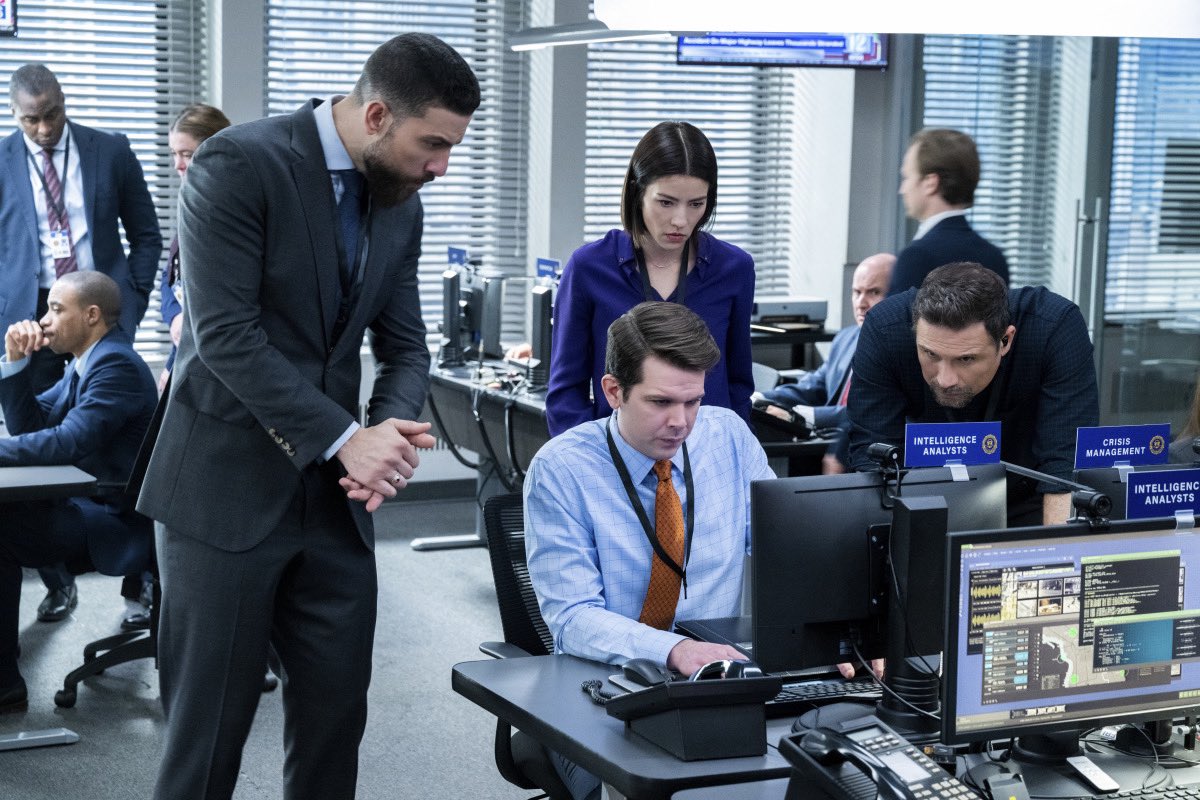
The FBI Joint Operations Center (JOC) serves as the primary tactical and strategic command hub established during major investigations, critical incidents, or large-scale events. It functions as a centralized location where FBI personnel, law enforcement partners, and relevant agencies coordinate intelligence sharing, resource allocation, and operational decision-making in real-time.
Defining the Role of the JOC in Federal Law Enforcement
The Joint Operations Center (JOC) is not a permanent, singular building, but rather an organizational structure and a designated physical or virtual space that is stood up by the Federal Bureau of Investigation (FBI) to manage complex, multi-agency threats. When the FBI assumes lead agency status during a high-profile crisis—such as a large-scale terrorist attack, a major cyber intrusion, or a multi-jurisdictional hostage situation—the JOC becomes the heartbeat of the response effort.
The fundamental purpose of a JOC is to break down institutional silos. In major investigations, the "need to know" basis for intelligence often clashes with the "need to share" requirement for effective field operations. The JOC solves this by physically and digitally collocating representatives from the FBI’s various disciplines—Counterterrorism, Counterintelligence, Cyber, and Criminal divisions—alongside federal, state, and local partners. By bringing disparate agencies together, the JOC ensures that every entity involved in a response is operating from the same "common operational picture" (COP).
Historical Context and Evolution
The concept of the JOC evolved significantly following the September 11, 2001, terrorist attacks. Before that period, the FBI operated with a more localized, siloed approach to investigations. The realization that critical information was not being effectively disseminated between internal divisions or external partners led to a comprehensive restructuring of the Bureau’s crisis management doctrine.
By the mid-2000s, the FBI had codified the JOC as a standard component of its Concept of Operations (CONOPS). Throughout the 2010s and into the present day in 2026, the JOC has been refined through the integration of advanced data analytics and secure communication networks. Today’s JOCs are designed to be scalable; a JOC might be a small room in a local field office handling a specific threat, or a massive, multi-agency facility coordinating the security for a National Special Security Event (NSSE), such as a political convention or a major international summit.

Operational Structure and Personnel
The JOC is typically headed by an FBI Senior Official who acts as the Incident Commander or Joint Task Force Commander. Their primary responsibility is to synthesize the information flowing in from the field and translate it into actionable directives.
Key Functional Groups within the JOC
- The Command Group: Comprised of senior leadership from the FBI and primary partner agencies (e.g., DHS, state police, or military liaisons). They make high-level decisions regarding resource allocation and strategy.
- Intelligence Section: This unit is responsible for the rapid triage and analysis of incoming data. They are tasked with identifying threats, spotting patterns, and deconflicting intelligence reports from various agencies.
- Operations Section: The "doers" who execute the tactics decided by the command group. This section coordinates the movement of specialized teams, such as SWAT or Evidence Response Teams (ERT).
- Planning/Logistics: These teams ensure that the JOC remains functional. This includes everything from securing physical perimeters and ensuring secure network connectivity to managing personnel rotations and equipment supply chains.
Differences Between a JOC and Other Command Centers
While terms like "Command Center" or "Emergency Operations Center" (EOC) are used interchangeably in casual conversation, the FBI distinguishes the JOC from other specialized facilities.
| Facility Type | Primary Purpose | Lead Agency |
|---|---|---|
| JOC | Multi-agency field operations for major cases | FBI |
| EOC | Emergency management and disaster recovery | FEMA / Local Govt |
| Fusion Center | Ongoing daily intelligence sharing/analysis | State/Local/Federal |
| Command Post | Localized tactical control of a scene | Local Law Enforcement |
The primary difference lies in the mandate. A Fusion Center is an ongoing, steady-state facility focused on long-term intelligence gathering and threat warning. In contrast, the JOC is a reactionary structure. It is activated specifically when a crisis exceeds the scope of routine operations and requires a temporary, unified command structure to address a specific, urgent objective.
Establishing a JOC: Requirements and Procedures
For a JOC to be effective, it must be established rapidly and in accordance with established FBI policies. The process generally follows a standard hierarchy of decision-making:
- Incident Recognition: The FBI identifies that a threat or event requires a coordinated, multi-agency response. This triggers the initial assessment phase.
- Activation: The Assistant Director or Special Agent in Charge (SAC) of a field office authorizes the activation of the JOC.
- Space Selection: Depending on the scale, the JOC is either stood up in an existing, hardened FBI facility or in a temporary site secured specifically for the duration of the incident.
- Network Integration: Secure connectivity is established with the FBI’s internal networks and the broader Intelligence Community (IC) networks. This allows for the ingestion of classified and unclassified data streams.
- Agency Integration: Designated partner agencies (e.g., Secret Service, local police departments) send liaison officers to the JOC. These liaisons provide the "dual-hatted" capability of representing their home agency while acting as integrated members of the FBI-led command structure.
The Role of Technology in the 2026 JOC
As of 2026, the technology within an FBI JOC has advanced to include real-time predictive modeling and automated intelligence reporting. Artificial Intelligence (AI) and machine learning tools are now routinely used within the JOC environment to assist analysts in identifying anomalous patterns in massive datasets.
For instance, if an incident involves a series of coordinated cyber-attacks, AI tools can aggregate logs from private sector partners and public infrastructure entities, instantly correlating them to identify the source of the attack. This allows the Operations section of the JOC to respond at machine speed, significantly reducing the "OODA loop" (Observe, Orient, Decide, Act) time that is critical during an evolving national security crisis.
Challenges and Limitations
Despite the rigorous training and planning that goes into a JOC, several challenges remain inherent in their operation:
- Interoperability: Even with unified protocols, getting different agencies to communicate on compatible encrypted channels remains a logistical hurdle.
- Information Overload: In a modern, connected environment, a JOC is often hit with a deluge of data. Filtering the signal from the noise is the greatest challenge for the intelligence sections.
- Jurisdictional Friction: Although the FBI usually takes the lead in federal matters, managing the ego and bureaucratic mandates of various local, state, and federal entities requires significant diplomatic skill from the Incident Commander.
Frequently Asked Questions
Is the JOC the same thing as the FBI Headquarters?
No. The FBI Headquarters in Washington, D.C., provides global strategic oversight. A JOC is a tactical, operational facility that is physically or virtually stood up at the site of a specific incident or within a regional field office to manage a high-priority, time-sensitive case.
Who has access to an FBI JOC?
Access to a JOC is strictly controlled. Personnel must have the appropriate security clearance, a "need to know" for the specific operation, and official authorization. Liaisons from partner agencies are vetted through the FBI’s administrative process before being permitted to work within the JOC space.
Can a civilian work in a JOC?
Generally, no. A JOC is a secure law enforcement and intelligence environment. While some civilian technical experts or contractors might be brought in to support specific systems, they are heavily vetted and work under the direct supervision of FBI personnel.
Does every FBI investigation require a JOC?
No. The vast majority of FBI investigations are handled through standard case management procedures within the Bureau's field offices. A JOC is reserved for major events, complex investigations, or crises that require the coordination of multiple internal divisions and external stakeholders.
How is a JOC different from a Task Force?
A Task Force, such as a Joint Terrorism Task Force (JTTF), is usually an ongoing, collaborative entity designed to facilitate long-term cooperation. A JOC is a temporary facility designed for the "hot" phase of an incident or for the duration of a specific, high-profile event.
Recommendation for Further Inquiry
If you are a student, researcher, or member of the media looking to understand how the FBI coordinates during major crises, the most reliable source for information remains the official FBI website’s "News" and "Services" sections. For academic study, the FBI’s annual reports and Congressional testimony from Bureau directors provide the most accurate insights into the evolution of the Bureau’s operational doctrine. Always prioritize documents published directly by the Department of Justice or the FBI to ensure you are referencing current, verified guidelines rather than speculative narratives.
Image Gallery
Select an image to open it in a new tab.


Akira Tanaka
International Academic Trends Correspondent
