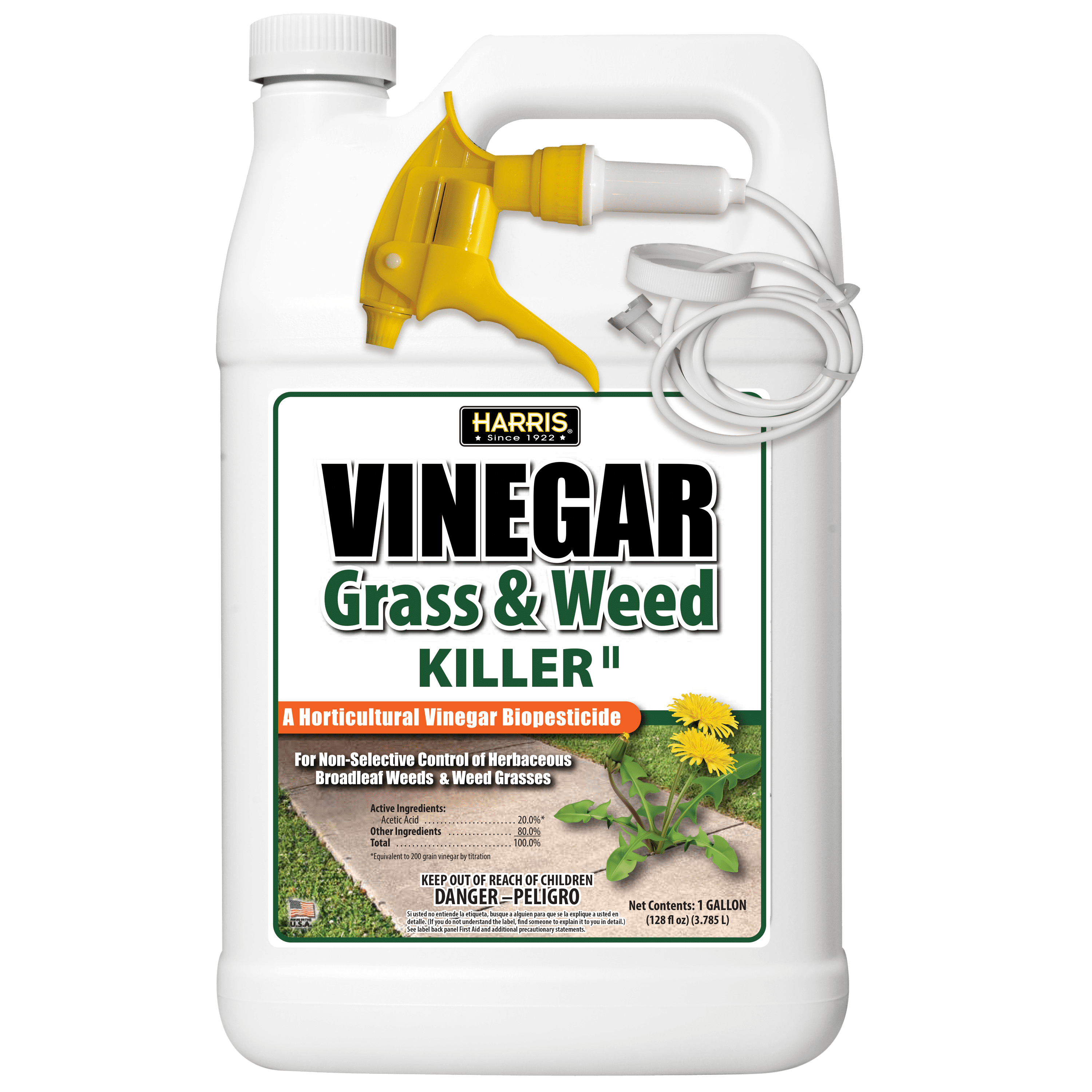
The safest way to dispose of unwanted weed killer is to take it to a local household hazardous waste (HHW) collection facility or participate in a community-sponsored drop-off event. Never pour herbicides down the drain, into storm sewers, or onto the ground, as these chemicals can contaminate groundwater, harm local wildlife, and violate environmental regulations.
Understanding the Risks of Improper Disposal
Herbicides, commonly referred to as weed killers, are chemical formulations designed to interfere with biological processes in plants. Because they are biologically active, they pose significant risks to the ecosystem when managed incorrectly. When you pour these chemicals into a sink or toilet, they enter the municipal wastewater system. Most standard water treatment plants are not equipped to filter out complex synthetic organic chemicals, meaning those substances may be released into local waterways.
Similarly, dumping weed killer on the soil or into storm drains introduces toxins directly into the water table or the nearest surface water body, such as a stream or lake. This can result in "non-point source pollution," which is difficult to track and remediate. Furthermore, storing old containers of weed killer in a garage or shed carries the risk of container degradation. Over time, plastic bottles become brittle and metal cans may rust, leading to leaks that can expose pets, children, or occupants of the home to concentrated chemical vapors or direct contact.
Prerequisites: Checking Your Product and Storage
Before attempting disposal, identify exactly what you have. The chemical composition dictates the hazard level and the specific disposal requirements.
- Read the Original Label: The product label is a legal document that contains specific instructions for storage and disposal. Look for the "Storage and Disposal" section. If the original container is damaged, try to retain the label or at least the brand name and list of active ingredients.
- Check for Solid vs. Liquid: Some weed killers are sold as granular solids, while others are concentrates or "ready-to-use" liquids. Liquids generally present a higher spill risk and require stricter handling.
- Inspect for Leaks: If the container is actively leaking, place it inside a secondary container, such as a heavy-duty plastic bin or a thick, sealable plastic bag. Use absorbent material like kitty litter or sawdust if the spill is minor, and treat that contaminated material as hazardous waste as well.
- Do Not Mix Chemicals: Never mix different pesticides, herbicides, or cleaning products together. Combining substances can trigger dangerous chemical reactions, producing toxic gases or fire hazards.
Verified Methods for Safe Disposal
Since 2026, waste management policies have become more standardized across municipalities, yet local ordinances remain the final word. Here is the hierarchy of proper disposal methods:
1. Professional Household Hazardous Waste (HHW) Facilities
Most counties and cities operate dedicated HHW facilities. These centers are staffed by professionals trained to handle, store, and neutralize chemical agents.
- Search for local programs: Visit your local municipal or county government website. Use search terms like "[Your City/County] household hazardous waste disposal" to find the nearest drop-off location and their operational hours.
- Preparation: Keep the product in its original container. If the container is compromised, place it in a leak-proof bucket clearly labeled with the product name.
2. Community Collection Events
If your area does not have a permanent facility, they likely hold periodic "Clean Sweep" or hazardous waste collection days. These events are often held at regional parks, public works yards, or large parking lots. Check your local newspaper or municipal calendar for these specific dates, as they are often limited to a few times per year.
3. Using the Product as Intended
If the weed killer is still viable and you have an appropriate, legal application site, the most environmentally sound method of disposal is to use it exactly as the label directs. Applying the product to target weeds—in accordance with the manufacturer's safety instructions, weather limitations, and buffer zones—removes the chemical from the waste stream entirely. Do not, however, use more than the label permits or apply it to non-target areas, as this constitutes illegal use.
Comparison of Common Disposal Scenarios
| Scenario | Recommended Action | Notes |
|---|---|---|
| Product is expired/unlabeled | HHW Collection Facility | Professionals will treat as "unknown" waste. |
| Container is intact | Use as intended or HHW drop-off | If using, follow all PPE and dosage instructions. |
| Container is leaking | Secure in secondary containment | Transport directly to an HHW facility; do not store. |
| Very small amount remaining | HHW Collection Facility | Even small amounts can cause significant local pollution. |
| Large industrial quantities | Professional waste contractor | Regulations differ for commercial or bulk volumes. |
Identifying When to Seek Professional Advice
While most homeowners can manage small quantities of residential-grade herbicides, there are situations where you should contact a professional:
- Large Volumes: If you have acquired several gallons or large bags of concentrated herbicides (e.g., from an estate or inherited property), your local HHW program may have volume limits. You may need to hire a licensed environmental services contractor.
- Unknown Substances: If you discover containers with faded or missing labels that contain unidentified liquids or powders, do not attempt to open them to "check" the contents. Treat these as highly hazardous and contact your local waste authority for advice on how to transport them safely for identification.
- Spills: If a significant amount of herbicide is spilled into the environment (e.g., a ruptured large container entering a storm drain or pond), contact your local environmental protection agency or emergency services immediately to manage the potential cleanup.
Legal and Safety Limitations
It is important to note that environmental regulations are subject to jurisdictional oversight. Laws regarding hazardous waste are designed to protect both the user and the local water supply. In the United States, the Environmental Protection Agency (EPA) provides the overarching framework, but states and municipalities implement specific rules that may be more stringent than federal guidelines.
Professional Advice Limitation: This guide is for informational purposes and does not constitute legal or environmental engineering advice. Regulations vary significantly by region. Always consult your local department of public works or waste management agency to confirm compliance with current local ordinances for the year 2026.
Frequently Asked Questions (FAQ)
Can I throw empty weed killer containers in the trash? Generally, no. Even if a bottle appears "empty," chemical residue remains. If the label instructs you to triple-rinse the container, you must do so, pouring the rinsate back into the sprayer to use on the target area, not into the sink. After triple-rinsing, some jurisdictions allow the container to be recycled or disposed of in the trash, but many prefer that these containers be brought to an HHW facility. Always check your local guidelines first.
Is it safe to pour weed killer on gravel to stop weeds? No. While this is a common myth, pouring herbicide on gravel or driveway cracks is dangerous. Chemicals applied to non-porous or loose surfaces are easily washed away by rain or irrigation, leading directly into storm drains. This is an illegal application method in most jurisdictions because it results in the contamination of the local watershed.
What should I do if I spilled weed killer on my skin? Immediately flush the area with large amounts of water for at least 15 minutes. Remove any contaminated clothing. Seek medical attention if you experience irritation, dizziness, or other symptoms, and bring the product label or the safety data sheet (SDS) with you so medical professionals know exactly what chemical was involved.
Are "organic" or "natural" weed killers safer to throw in the trash? Not necessarily. Many natural herbicides, such as those containing acetic acid (vinegar) in high concentrations or essential oils, can still be toxic to aquatic life or cause chemical burns. Even if they are biodegradable, they should be treated with the same caution as synthetic herbicides to prevent ecological damage.
How do I find my local HHW facility? Search for your county or city’s official waste management website. Look for headings labeled "Household Hazardous Waste," "Special Waste Disposal," or "Environmental Services." If you cannot find this online, call your local City Hall or public works department and ask for the hazardous waste coordinator.
Next Action: Verify Your Local Rules
Before you take any action, perform a final verification. In 2026, many cities have moved toward digital appointment scheduling for hazardous waste drop-offs. Locate your municipal government’s waste services page to see if you need to register, schedule a time slot, or verify that your specific type of weed killer is accepted. Taking five minutes to verify your local procedure ensures you are protecting your property and your local environment effectively.
Image Gallery
Select an image to open it in a new tab.


Celine Dubois
Contemporary Living and Global Arts Columnist
