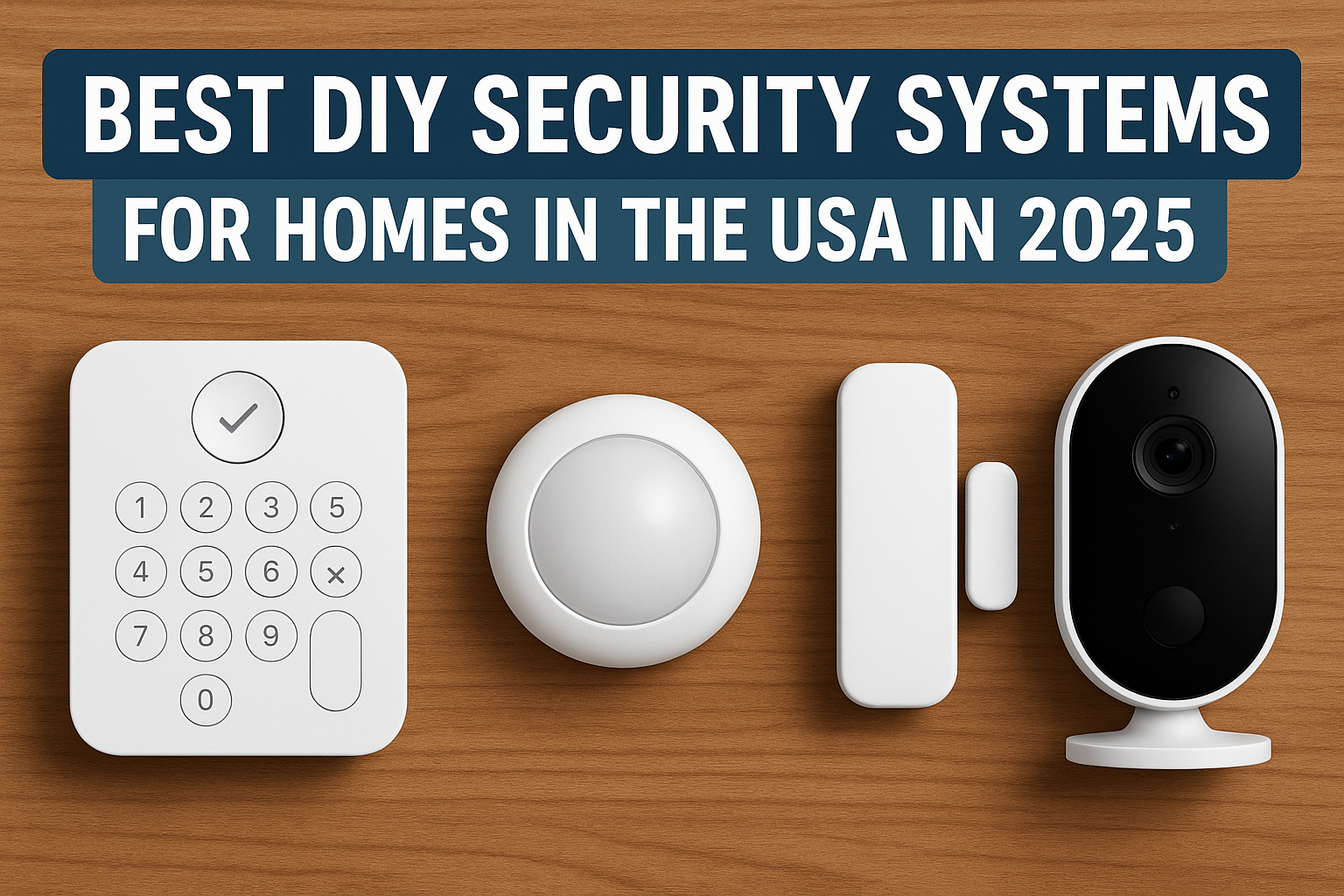
The "top" alarm system is a subjective designation because security requirements are fundamentally dictated by a property’s unique architectural layout, the occupants' daily routines, and localized environmental risks. A system optimized for a high-rise apartment focuses on entry-point detection, while a sprawling rural estate requires long-range perimeter sensors and specialized communication protocols.
The Architectural Blueprint: Physical Variables and Signal Integrity
The physical structure of a residence is the primary driver behind security system divergence. In 2026, the integration of smart sensors into home design has moved beyond simple contact switches. The materials used in a home’s construction—such as steel studs, brick, or reinforced concrete—significantly impact the efficacy of wireless security components.
For instance, a modern minimalist home featuring floor-to-ceiling glass and open-concept living areas presents different challenges than a traditional Victorian home with many small, segmented rooms. In an open-concept environment, a single high-quality 360-degree motion sensor might cover an entire living floor. Conversely, a segmented home requires a higher density of localized sensors to ensure there are no "blind spots" created by thick interior walls.
Furthermore, the transmission protocols used by alarm systems, such as Thread or advanced Wi-Fi 7 mesh networks, behave differently based on structural interference. A "top-rated" wireless system in a timber-frame house might suffer from frequent signal drops in a masonry-heavy environment, leading to false "device offline" alerts. This necessitates a custom approach where the hardware choice is secondary to the communication infrastructure of the specific building.
Occupancy Patterns and Lifestyle Constraints
A security system must adapt to the people—and animals—living within the home. One of the most common reasons a standard alarm system fails is a lack of alignment with the household's lifestyle.
The Pet Factor
Pet owners require specialized hardware to avoid the plague of false alarms. Passive Infrared (PIR) sensors, which detect heat signatures, must be "pet-immune" up to a certain weight limit. However, even these have limitations. A "top" system for a home with a 70-pound Labrador will differ significantly from one for a home with multiple cats that jump on high surfaces. In 2026, advanced AI-driven vision sensors have largely replaced basic PIR sensors in high-end installations, using edge processing to distinguish between a human intruder and a pet with near-100% accuracy.
Remote Work and Privacy
With the continued prevalence of remote work, the definition of "home" has shifted to include "office." This changes when and how a system is armed. A resident working from home might want the perimeter armed while the interior motion sensors are disabled. Furthermore, the increased presence of indoor cameras raises privacy concerns. A top-tier system for a privacy-conscious user will feature physical camera shutters and localized, encrypted storage (NVR) rather than relying solely on cloud-based servers.

Connectivity and Infrastructure Reliability
The method by which a security system communicates with the outside world—specifically the monitoring station or the homeowner’s mobile device—is a critical point of differentiation. Depending on the home's location, the "best" connectivity option varies.
- Urban Environments: These areas typically have robust 5G and fiber-optic coverage. A top system here might rely on high-bandwidth fiber as the primary path with 5G as a backup.
- Rural Estates: In areas with poor cellular reception, the top-performing systems in 2026 often integrate satellite-based backups (such as Starlink-integrated modules) to ensure the alarm remains online even if local landlines or cellular towers fail.
- Power Stability: Homes in areas prone to grid instability or frequent storms require systems with extended battery backups. While a standard system might offer 24 hours of backup, a specialized "top" system for a remote area might include a 72-hour battery or integration with the home’s solar-plus-storage energy system.
The Role of Localized Crime Data and Response Times
Security is not a vacuum; it is a response to external threats. The "top" system for a high-crime urban neighborhood will prioritize deterrents—loud sirens, strobe lights, and active "talk-down" features where a remote operator can speak through an external speaker to an intruder.
In contrast, a home in a low-crime, affluent suburb might prioritize early detection and notification. Here, the focus shifts toward preventing high-value property crimes, such as vehicle theft from driveways. In these scenarios, the integration of Automated License Plate Recognition (ALPR) and perimeter tripwires becomes the "top" feature set, whereas these might be considered overkill or a nuisance in a dense urban condo.
The distance to the nearest police station or private security patrol also dictates system design. If the average response time is 20 minutes, a system that only "notifies" is insufficient. The top system in such a case must include "delay and deny" features, such as smart locks that automatically engage or smoke-screen generators that obscure an intruder's vision.
Technical Specifications: Comparing Home Security Profiles
The following table illustrates how the "ideal" system configuration shifts based on the property type and the specific needs of the residents.
| Feature | Urban Apartment | Suburban Family Home | Remote Rural Estate |
|---|---|---|---|
| Primary Sensors | Entry/Door Contacts | PIR Motion & Glass Break | Long-range Beam & Gates |
| Video Requirements | Doorbell Camera | Perimeter & Indoor | 360-degree Thermal Imaging |
| Communication | Wi-Fi / 5G Backup | Fiber / 5G Backup | Satellite / Cellular Backup |
| Monitoring Type | Self-monitored w/ AI | Professional 24/7 | Hybrid Professional + Patrol |
| Key Risk Focus | Package Theft / Entry | Burglary / Fire | Vandalism / Wildlife / Fire |
| AI Processing | Face Recognition | Pet/Person Filtering | Vehicle/Large Animal ID |
The Impact of Smart Home Ecosystems
In 2026, an alarm system is rarely a standalone product. It is usually a component of a larger smart home ecosystem. The "top" system for a resident heavily invested in the Apple Home or Google Home ecosystem will be one that supports Matter 2.0 or later. This ensures that when the alarm is triggered, other smart devices can react—lights can flash red, smart locks can engage, and the HVAC system can shut down to prevent the spread of smoke.
If a homeowner uses a niche or high-end automation system like Crestron or Control4, the "top" alarm system is the one that offers the most stable API integration. A standalone system that does not "talk" to the rest of the house is often considered inferior, regardless of its individual sensor quality, because it creates a fragmented user experience.
Monitoring Models: DIY vs. Professional vs. Hybrid
The debate over the "best" monitoring service further complicates the selection process.
Professional Monitoring
For many, a system is only as good as the human response behind it. Professional monitoring through a UL-listed station (Underwriters Laboratories) remains the gold standard for high-risk properties. These stations are required to meet strict standards for redundancy and response times. However, this comes with a monthly subscription fee that some homeowners find unnecessary.
AI-Enhanced Self-Monitoring
In 2026, many "top" systems offer advanced self-monitoring. These systems use AI to filter out junk alerts and provide the homeowner with a high-confidence notification. If the AI detects a person with a weapon or a specific emergency event, it can offer a "one-tap" emergency dispatch option. This model is often the "top" choice for tech-savvy users who want to avoid monthly fees but still require high-level security.
Video Verification
Many jurisdictions now require "verified" alarms before police will be dispatched. This means the alarm system must provide visual or audio proof that a crime is in progress. Therefore, a top-tier system must include integrated video that can be securely shared with emergency services in real-time. For more details on these requirements, one can refer to the National Institute of Standards and Technology (NIST) guidelines on IoT security and emergency communications.
Cost Considerations and Long-term Value
A "top" system must also be evaluated on its total cost of ownership (TCO). A system with a low upfront hardware cost but high monthly fees might be more expensive over five years than a premium system with no recurring costs.
Moreover, the scalability of a system defines its value. A home might start as a simple two-bedroom house and later add a detached garage, a pool, or a guest house. The top alarm system for a growing family is one that is modular and allows for the easy addition of new sensors and cameras without requiring a complete hub replacement.
Addressing Common Pitfalls in System Selection
Choosing a system based on brand popularity alone often leads to dissatisfaction. One major mistake is over-investing in cameras while under-investing in "hard" sensors like door contacts and glass-break detectors. Cameras are excellent for forensic evidence, but they are often reactive. A top-tier system focuses on proactive detection—stopping the intruder at the door before they enter the home.
Another common oversight is neglecting the cybersecurity of the alarm system itself. As security systems become more connected, they become targets for hackers. A "top" system must utilize end-to-end encryption and multi-factor authentication (MFA) to prevent unauthorized access to home video feeds or the ability to remotely disarm the system. Detailed information on these standards is maintained by the Federal Communications Commission (FCC) regarding consumer device security.
Frequently Asked Questions
Why shouldn't I just buy the most popular DIY kit?
While popular DIY kits are convenient, they are often designed for the "average" home, which may not exist in reality. If your home has unique architectural features, poor Wi-Fi coverage in certain areas, or specific security threats like high winds or extreme temperatures, a generic kit may suffer from frequent false alarms or connectivity failures. Customization ensures the hardware is matched to the environment.
Does the age of my home affect which alarm system is "top" for me?
Yes. Older homes often have thicker walls (lath and plaster) and more intricate woodwork, which can block wireless signals more effectively than the drywall and 2/4 studs of modern homes. In an older home, the "top" system might be one that offers robust "Power over Ethernet" (PoE) options or uses lower-frequency wireless bands that penetrate walls more effectively.
How does AI change what makes a system "the best"?
AI has transitioned from a luxury feature to a necessity for reducing alarm fatigue. The best systems now use AI to differentiate between family members and strangers, identify specific sounds like a crying baby or a smoke detector (acoustic glass break), and even predict potential breaches by analyzing patterns of movement around the perimeter.
Can I take my "top" system with me if I move?
This depends on whether the system is "hardwired" or "wireless." Most top-rated DIY systems are wireless and portable, making them ideal for renters or people who move frequently. However, high-end professional systems are often integrated into the home's electrical and networking infrastructure, adding value to the real estate but making them difficult to relocate.
What is the importance of a UL-listing for alarm systems?
A UL (Underwriters Laboratories) listing means the product has been rigorously tested for safety and reliability. For an alarm system, this ensures that the sirens are loud enough, the batteries last as long as claimed, and the system can withstand environmental stressors. Many insurance companies require a UL-listed system to qualify for premium discounts. For specific standards, see the UL Solutions database.
Final Recommendation
To determine the top alarm system for your specific needs, begin with a thorough site audit. Walk your property and identify every possible point of entry, then evaluate your daily routine to see where a security system might cause friction. If you have a complex layout or high-value assets, prioritize a system that offers modular expansion and AI-driven verification. For those in standard residential environments, a system that emphasizes cross-platform compatibility with existing smart home devices will provide the most long-term utility. Always verify that your chosen system meets local "verified response" ordinances to ensure that emergency services will prioritize your calls.
Image Gallery
Select an image to open it in a new tab.

Omar Farooq
EdTech Innovation and Virtual Pedagogy Journalist
