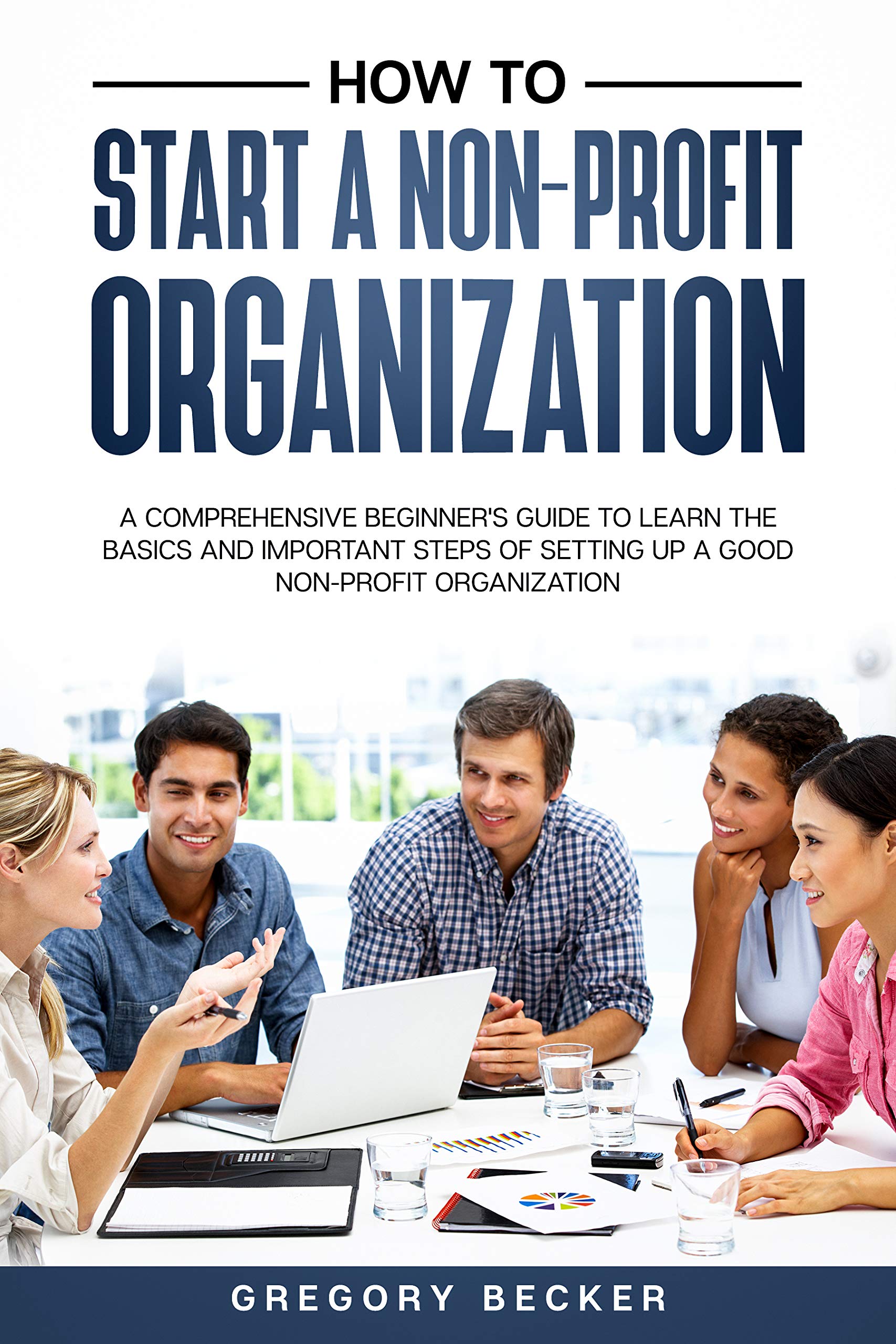
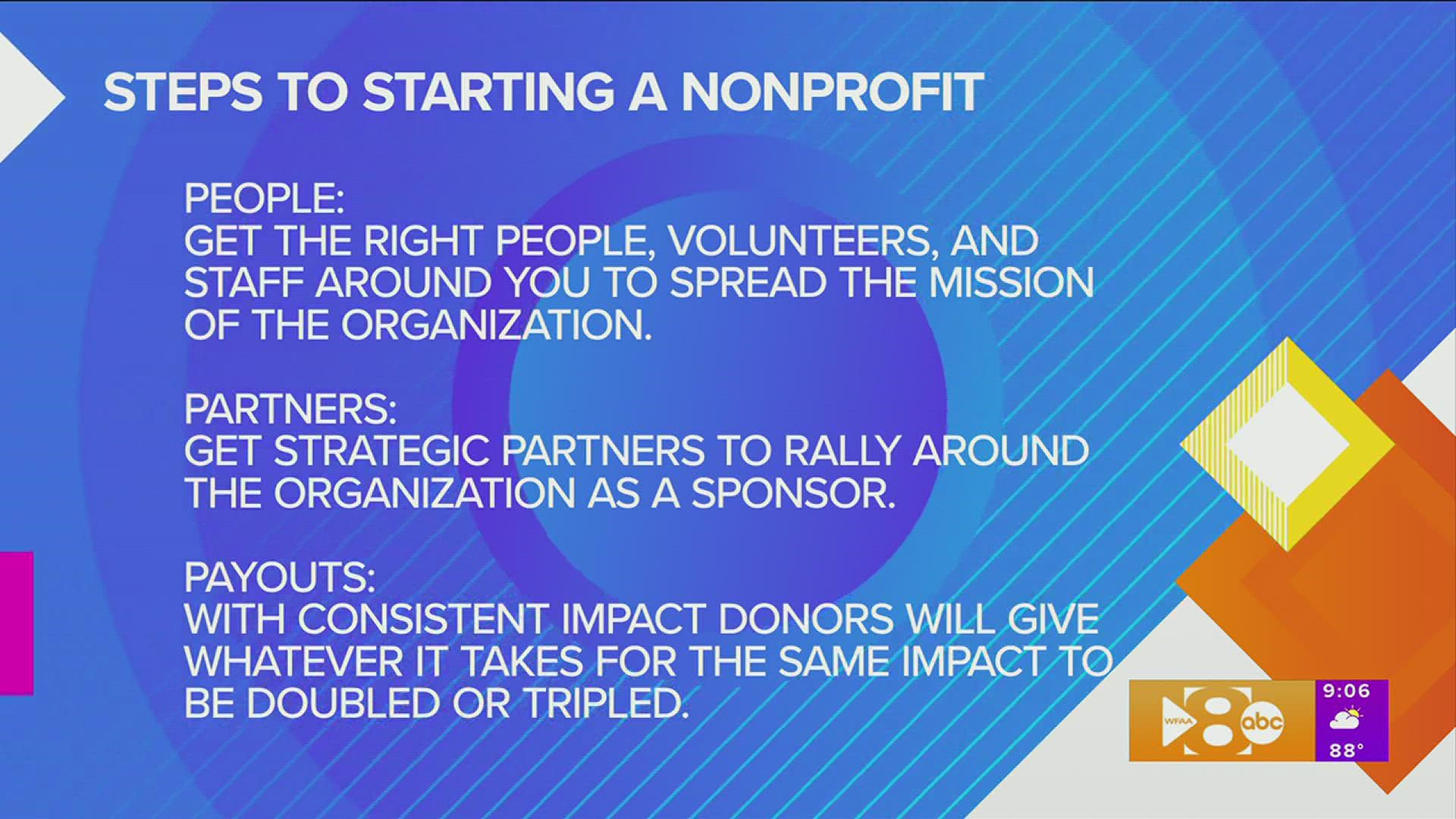
Starting a nonprofit organization is a complex, multi-step process that requires careful legal planning, administrative rigor, and a clearly defined mission. To successfully establish a nonprofit in the United States, you must incorporate at the state level, adopt governing bylaws, appoint a board of directors, and apply for tax-exempt status with the Internal Revenue Service (IRS).
Defining the Nonprofit Purpose
Before you file any legal documentation, you must define the purpose of your organization. A nonprofit is not merely a "business without profit"; it is a legal entity organized for public benefit, such as charitable, educational, religious, or scientific purposes. Under Section 501(c)(3) of the Internal Revenue Code, organizations must operate exclusively for these exempt purposes.
Your mission statement should be specific, actionable, and sustainable. When you eventually apply for tax-exempt status, the IRS will scrutinize your stated mission to ensure it qualifies under federal guidelines. Avoid overly broad mission statements; instead, focus on the specific problem your organization intends to address and the demographic it serves.
Step 1: Research and Strategic Planning
The first practical step is to conduct a market analysis. Even as a nonprofit, you are entering a space where other organizations may already be performing similar work. Research local and national organizations to identify potential gaps in service. Determine if you can collaborate with existing nonprofits rather than creating a new entity, as this can be more efficient and impactful.
You must also consider your financial model. Nonprofits require a budget, not just to operate, but to demonstrate financial stability to potential donors and grant-making foundations. Determine your initial funding sources—whether through individual donations, fundraising events, or initial grants—and map out your operational costs for the first three years.
Step 2: Incorporating Your Nonprofit
Once your strategy is set, you must form a legal entity. This is typically done at the state level by filing Articles of Incorporation with the Secretary of State or the relevant state agency responsible for business filings.
- Choose a Name: Your name must be distinct from other registered organizations in your state. Check your state's business registry to confirm availability.
- Appoint Incorporators: These individuals sign the Articles of Incorporation.
- Board of Directors: Most states require a minimum number of directors to oversee the organization. Choose individuals who bring diverse skills—legal, financial, and programmatic expertise are invaluable.
- Drafting Articles: Your Articles of Incorporation must include specific language mandated by the IRS if you intend to seek 501(c)(3) status. This language confirms that the assets of the organization are permanently dedicated to an exempt purpose and that the entity will not engage in prohibited political activities.
Step 3: Establishing Governance
Governance is the internal framework that dictates how your nonprofit makes decisions. This is documented through your Bylaws. While your Articles of Incorporation are a public document filed with the state, your bylaws are your organization's internal operating manual.
Your bylaws should outline:
- Board structure: Number of board members, terms of service, and election procedures.
- Meeting requirements: How often the board meets and what constitutes a quorum.
- Conflict of Interest Policy: A mandatory document that protects the organization from self-dealing, requiring board members to disclose any personal interests that conflict with their fiduciary duties.
- Officer roles: Duties of the President, Secretary, and Treasurer.
Step 4: Obtaining an EIN and Federal Tax Exemption
Your Employer Identification Number (EIN) acts as the Social Security number for your business. You must obtain this from the IRS, which can be done online. Once you have an EIN, you must apply for 501(c)(3) tax-exempt status by filing Form 1023 or Form 1023-EZ.
The Form 1023 is a comprehensive application that requires details about your activities, board members, and financial projections. The Form 1023-EZ is a streamlined version for smaller organizations that expect to have gross receipts of $50,000 or less annually and total assets of $250,000 or less. If approved, the IRS will issue a Determination Letter. This document is essential; it is the evidence you will use to prove your status to donors and state agencies.
Step 5: State-Level Compliance
Even after receiving federal recognition, you are subject to state laws. This often includes:
- Charitable Solicitation Registration: Most states require nonprofits to register with the Attorney General’s office before they can legally solicit donations from residents.
- Tax Exemptions: You may need to apply separately for state-level income, sales, and property tax exemptions.
- Annual Reporting: Almost every state requires an annual report to maintain your "good standing." Failing to file these can result in the loss of your corporate status.
Operational Considerations Table
| Task | Purpose | Frequency |
|---|---|---|
| Articles of Incorporation | Create the legal entity | One-time |
| Bylaws | Define internal governance | As needed/Reviewed annually |
| Form 1023/1023-EZ | Obtain Federal Tax-Exempt Status | One-time |
| IRS Form 990 | Mandatory annual financial disclosure | Annual |
| State Charitable Solicitation | Legal permission to fundraise | Annual/Periodic |
Managing Ongoing Compliance
Being a nonprofit is not a one-time event; it is an ongoing commitment to transparency and compliance. The primary vehicle for this is the IRS Form 990. This is an information return that most tax-exempt organizations must file annually. It provides the public and the IRS with insight into your revenue, expenses, and governance practices.
Failure to file the Form 990 for three consecutive years will result in the automatic revocation of your tax-exempt status. Therefore, keeping meticulous financial records is essential. Use accounting software to track restricted and unrestricted funds, as donors often grant money for specific projects that cannot be used for general operating expenses.
Common Mistakes to Avoid
- Ignoring Conflict of Interest: Failing to formally document conflicts of interest can jeopardize your 501(c)(3) status and expose the board to legal liability.
- Mixing Personal and Organization Funds: Never use your nonprofit’s bank account for personal expenses, and vice versa. Always maintain a clear separation to preserve the "corporate veil."
- Neglecting State Filings: Many founders assume federal status covers them everywhere. In reality, state-level registration for charitable solicitation is a strict requirement in most jurisdictions.
- Lack of Financial Oversight: Relying on one person to handle all finances is a high-risk practice. Implement "checks and balances" to ensure funds are handled correctly.
Frequently Asked Questions
What is the difference between a nonprofit and a non-profit corporation? A "nonprofit" is a broad designation for an entity that does not distribute profit to owners. A "nonprofit corporation" is a specific legal structure formed under state law. You must incorporate to create the legal foundation necessary to apply for federal tax-exempt status.
How long does it take to get 501(c)(3) status? The timeline varies. If you qualify for and file Form 1023-EZ, approval can take a few weeks. The long-form Form 1023 typically takes three to six months or longer, depending on the IRS backlog and the complexity of your application.
Can I pay myself a salary from a nonprofit? Yes, but with caveats. You can pay employees reasonable compensation for services rendered. However, as a tax-exempt organization, you cannot pay "dividends" or distribute "profits." All compensation must be justified as fair market value for the work performed.
Does a nonprofit have to pay taxes? Generally, a 501(c)(3) is exempt from federal income tax. However, you may still be liable for unrelated business income tax (UBIT) if you earn significant revenue from activities unrelated to your mission. You must also pay payroll taxes for your employees.
Can I start a nonprofit with no money? While you do not need a large endowment, there are inevitable costs, including state filing fees and IRS user fees for the tax-exemption application. You should budget at least $1,000 to $2,000 to cover these initial legal and administrative expenses.
Final Next Action
Your immediate next action is to visit the website of your state’s Secretary of State to locate the "Articles of Incorporation" template for a nonprofit corporation. Print or download this document, read it thoroughly, and consult with a CPA or attorney specializing in nonprofit law to ensure your foundational documents align with your long-term mission and state-specific regulations.

Image Gallery
Select an image to open it in a new tab.


Omar Farooq
EdTech Innovation and Virtual Pedagogy Journalist
