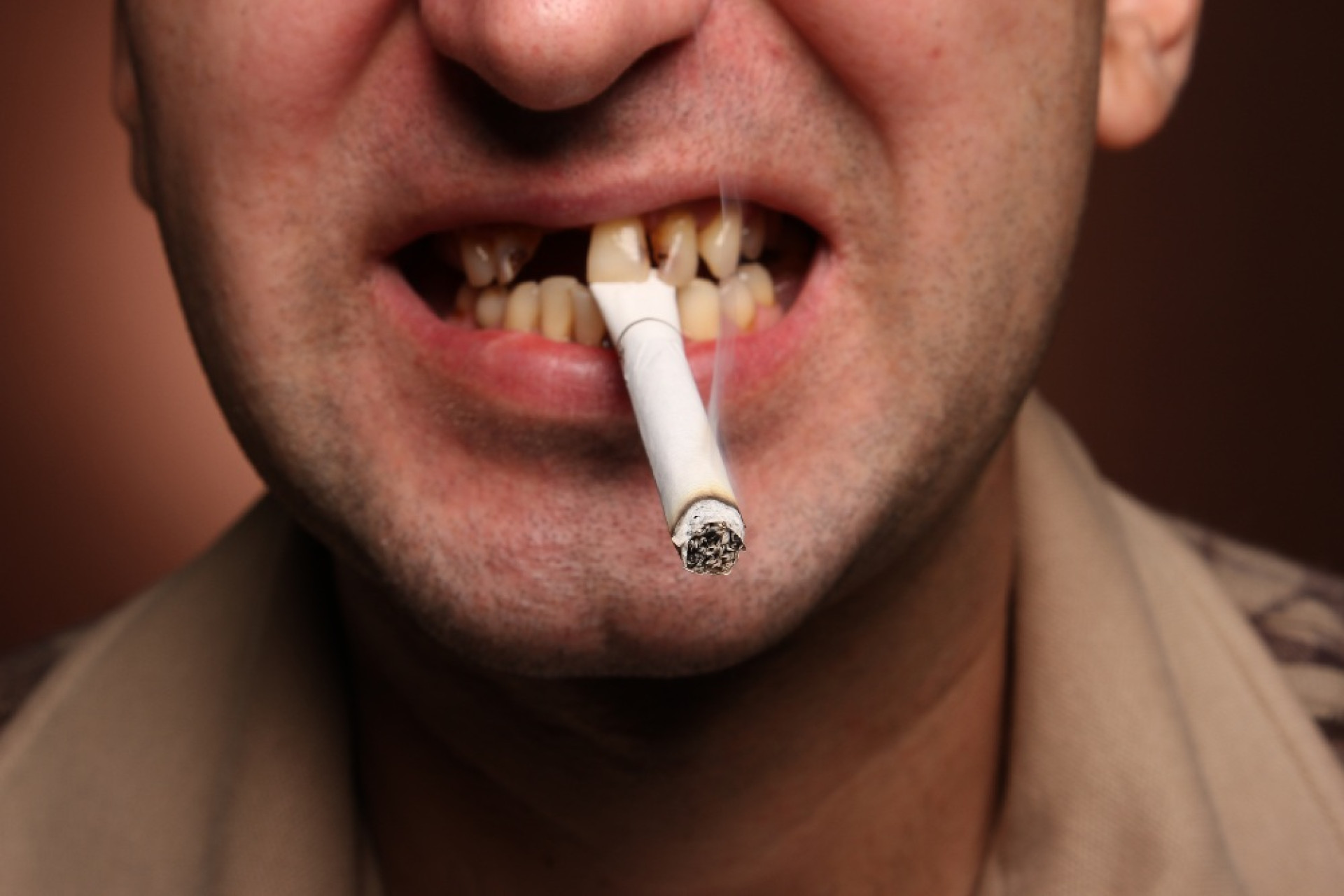
Smoking with dentures significantly increases the risk of gum irritation, chronic inflammation, fungal infections like oral thrush, and accelerated bone resorption in the jaw. While removable appliances replace missing teeth, they alter the oral environment, and introducing tobacco smoke compounds these vulnerabilities, often leading to severe complications for soft tissues and underlying bone structures.
Understanding the Relationship Between Dentures and Oral Tissues
When individuals transition to removable dentures, the dynamics within the oral cavity change fundamentally. Natural teeth are anchored directly into the alveolar bone via the periodontal ligament, distributing chewing forces evenly and maintaining bone stimulation. In contrast, removable full or partial dentures rest directly upon the gum tissue (gingiva) and the underlying residual ridge.
This mucosal coverage means the gums bear mechanical loads they were not originally designed to handle continuously. Salivary flow under the denture base can become restricted, altering the natural self-cleaning mechanisms of the mouth. Saliva plays a critical role in neutralizing acids, washing away food particles, and providing antimicrobial protection. When a denture seals against the gum tissue, it creates a microenvironment with reduced oxygen circulation and altered moisture levels.
Introducing tobacco products into this compromised oral ecosystem introduces thermal and chemical stressors. Both combustible cigarettes and smokeless tobacco products release hundreds of toxic compounds, including nicotine, tar, carbon monoxide, and hydrogen cyanide. These substances interact directly with the mucosal tissues beneath and around the denture, compounding the mechanical friction of the appliance and initiating pathological tissue changes.
Direct Impacts of Smoking on Gum Tissue Health
The physiological effects of smoking on oral mucosa are profound and well-documented by dental professionals. Nicotine acts as a potent vasoconstrictor, causing blood vessels in the gums to narrow. This constriction significantly reduces blood flow, oxygen delivery, and essential nutrient supply to the gingival tissues.
- Impaired Healing and Regeneration: Because blood supply is restricted, the gums lose their natural ability to repair minor abrasions, sore spots, and pressure ulcers caused by ill-fitting dentures. A minor sore that would heal in days for a non-smoker can persist and develop into a chronic lesion in a smoker.
- Reduced Immune Response: The lack of adequate blood flow also hinders white blood cells from reaching the site of potential infections, leaving the oral cavity vulnerable to opportunistic pathogens.
- Tissue Changes (Nicotinic Stomatitis and Keratinization): The heat and chemical irritants from smoking cause the soft tissues of the mouth to undergo hyperkeratinization—a thickening of the outer tissue layer. While the body attempts to protect itself by hardening the tissue, this process alters mucosal elasticity and resilience, making the gums less tolerant of denture pressure.

Increased Risk of Periodontal and Fungal Complications
Smokers who retain some natural teeth alongside partial dentures face elevated risks of periodontal disease, but even completely edentulous patients (those with full dentures) face severe soft tissue complications.
Denture Stomatitis and Candidiasis
One of the most frequent complications among denture wearers who smoke is denture stomatitis, an inflammation of the oral mucosa underlying the denture. This condition is heavily linked to the overgrowth of Candida albicans, a yeast-like fungus naturally present in the mouth.
Smoking creates an ideal environment for Candida proliferation. The heat from smoking, combined with the low-oxygen, high-sugar microenvironment trapped beneath the denture base, encourages fungal growth. Furthermore, tobacco suppresses local immune defenses in the oral cavity, making it difficult for the body to keep fungal populations in check. Denture stomatitis manifests as bright red, swollen, and sometimes painful tissue matching the exact outline of the denture base.
Accelerated Alveolar Bone Resorption
The alveolar bone is living tissue that requires constant mechanical stimulation to maintain its density and volume. Natural tooth roots provide this stimulation. When teeth are lost, the jawbone naturally resorbs (shrinks) over time.
Smoking accelerates this bone resorption process. By compromising blood circulation and increasing systemic inflammation, tobacco smoke disrupts normal bone remodeling. When a smoker wears dentures, the combination of poor bone density and constant pressure from the appliance leads to rapid ridge resorption. Over time, this causes dentures to become loose and ill-fitting, requiring frequent relining or replacement.
Comparing Oral Health Risks: Smokers vs. Non-Smokers with Dentures
| Health Factor | Non-Denture Wearers (Smokers) | Denture Wearers (Non-Smokers) | Denture Wearers (Smokers) |
|---|---|---|---|
| Gum Inflammation Risk | Moderate (Periodontal disease) | Low to Moderate (Mechanical friction) | High (Chemical irritation + friction) |
| Fungal Infection (Candida) | Low | Low to Moderate | Very High (Trapped heat and smoke) |
| Bone Resorption Rate | Standard rate via tooth loss | Standard rate via tooth loss | Accelerated (Compromised blood flow) |
| Tissue Healing Capacity | Impaired | Normal | Severely Compromised |
| Denture Adhesion Longevity | N/A | Stable for standard intervals | Rapidly degrades due to ridge shrinkage |
Practical Guidelines and Prevention Strategies for Denture Wearers
For individuals who currently smoke and wear dentures, mitigating the damage requires a proactive, multi-layered approach to oral hygiene and professional dental care. While complete cessation of tobacco use provides the most dramatic health benefits, adopting rigorous daily maintenance routines can help manage existing risks.
- Meticulous Daily Hygiene: Clean dentures daily using non-abrasive denture cleaners and a soft-bristled brush. Never use harsh household cleansers or abrasive toothpastes, which can scratch the acrylic base and harbor bacteria and fungi.
- Remove Dentures Overnight: Give the gum tissues at least six to eight hours of rest every night by removing the dentures. This allows the mucosa to breathe, improves localized blood circulation, and reduces the risk of fungal overgrowth.
- Thorough Mucosal Cleaning: Clean and massage the gums, tongue, and roof of the mouth daily with a soft cloth or a very soft toothbrush to stimulate circulation and remove microbial plaque.
- Regular Professional Evaluations: Visit a dentist or prosthodontist at least once a year. Professionals can check for early signs of oral pathology, assess bone resorption, and adjust or reline dentures to ensure an even distribution of biting forces.
- Explore Smoking Cessation Support: Consult healthcare providers regarding nicotine replacement therapies, behavioral counseling, or cessation programs to reduce or eliminate tobacco consumption.
Frequently Asked Questions
Can smoking cause my dentures to stain or discolor?
Yes. Nicotine and tar from tobacco products leave stubborn yellowish-brown deposits on both acrylic denture teeth and the pink base material. These stains penetrate microscopic pores in the denture resin, making them extremely difficult to remove with standard brushing alone and often requiring professional ultrasonic cleaning.
Does smoking make new dentures harder to get used to?
Yes. Because smoking impairs the healing of sore spots and reduces mucosal tolerance to pressure, the adjustment period for new dentures is typically longer and more uncomfortable for smokers. The soft tissues take significantly longer to adapt to the appliance.
Is smokeless tobacco safer for my gums if I wear dentures?
No. Smokeless tobacco (such as chewing tobacco or snuff) contains high concentrations of sugar and abrasive particles, alongside potent carcinogens. It causes severe localized gum recession, irritation, and dramatically increases the risk of oral cancers, making it just as damaging—if not more so—to the soft tissues beneath and around dentures.
How often do smokers need their dentures relined compared to non-smokers?
Smokers generally require denture relines or replacements more frequently. Because smoking accelerates alveolar bone resorption and causes the jaw ridges to shrink faster, dentures lose their snug fit sooner, leading to instability, chafing, and trauma to the underlying gums.
Can denture stomatitis caused by smoking be cured without quitting smoking?
While antifungal medications and meticulous cleaning can temporarily clear up denture stomatitis, the condition is very likely to recur if smoking continues. The combination of heat, reduced oxygen, and suppressed immunity under the denture ensures that the underlying environment remains favorable for fungal growth.
Next Steps for Maintaining Oral Health
If you wear dentures and smoke, schedule a comprehensive oral evaluation with a licensed dental professional to assess your gum health, screen for oral lesions, and check the structural fit of your appliance. Adhering to strict nightly removal habits, practicing daily mucosal hygiene, and seeking professional guidance for tobacco cessation are essential steps to protect your remaining oral structures and maintain long-term comfort.
Image Gallery
Select an image to open it in a new tab.

Ingrid Bjornson
Global Cyber Policy and Regulation Analyst
