
Priests and nuns are consecrated religious figures within various Christian traditions, most notably the Roman Catholic, Eastern Orthodox, and Anglican communities, who dedicate their entire lives to faith, prayer, and service to others. While priests generally act as sacramental leaders, ministers, and pastors within parishes or specialized ministries, nuns live communally under religious vows, focusing primarily on contemplation, education, healthcare, and social justice. Together, they represent foundational pillars of historical and modern religious life, balancing rigorous spiritual formation with active community engagement.
Introduction to Consecrated Life
The terms "priest" and "nun" are often used interchangeably by the general public to describe Catholic or Orthodox religious personnel, yet they represent distinct vocations, canonical definitions, and daily responsibilities. Understanding these roles requires an examination of Christian ecclesiology, canon law, historical evolution, and the distinct pathways individuals take to enter these vocations.
In broad terms, a priest is an ordained minister who has received the Sacrament of Holy Orders, enabling him to celebrate the Eucharist, administer sacraments, and shepherd a local community or parish. Conversely, a nun is a woman who has taken solemn religious vows—typically poverty, chastity, and obedience—and lives within an enclosed or semi-enclosed monastery or convent, dedicating her life to contemplation and prayer. Alongside nuns are women religious known as sisters, who take active vows and work outside the convent walls in schools, hospitals, and charitable organizations.
Defining Priests: Ordained Ministry and Sacramental Roles
The priesthood within historical liturgical traditions, particularly the Roman Catholic Church, is structured hierarchically. Men who become priests undergo extensive discernment and academic preparation before receiving ordination.
The Stages of Priesthood
The journey to the priesthood is a multi-year process that typically includes:
- Discernment: A period of prayer, counseling, and initial exploration of a potential calling.
- Seminary Formation: Enrollment in a theological seminary encompassing philosophy, sacred theology, pastoral counseling, and spiritual direction.
- Diaconate: Ordination as a transitional deacon, allowing the candidate to proclaim the Gospel, preach, and assist at the altar before final priestly ordination.
- Priesthood: Full ordination following the laying on of hands and the prayer of consecration by a bishop.
Diocesan vs. Religious Priests
Priests generally fall into two primary categories, each with distinct lifestyles and commitments:
- Diocesan Priests: These men serve under a specific bishop within a defined geographical diocese. They make promises of celibacy and obedience to their bishop, and they typically manage local parish communities, preside over weekly liturgies, and provide pastoral care to parishioners. They are generally responsible for their own living arrangements and financial upkeep, supported by the parish.
- Religious Priests: Members of religious institutes or orders, such as the Jesuits, Franciscans, Dominicans, or Benedictines, take vows of poverty, chastity, and obedience. They answer to their religious superiors rather than a local diocesan bishop and often live in community houses. Their ministries can range from teaching in universities to missionary work, scholarly research, or specialized chaplaincies.
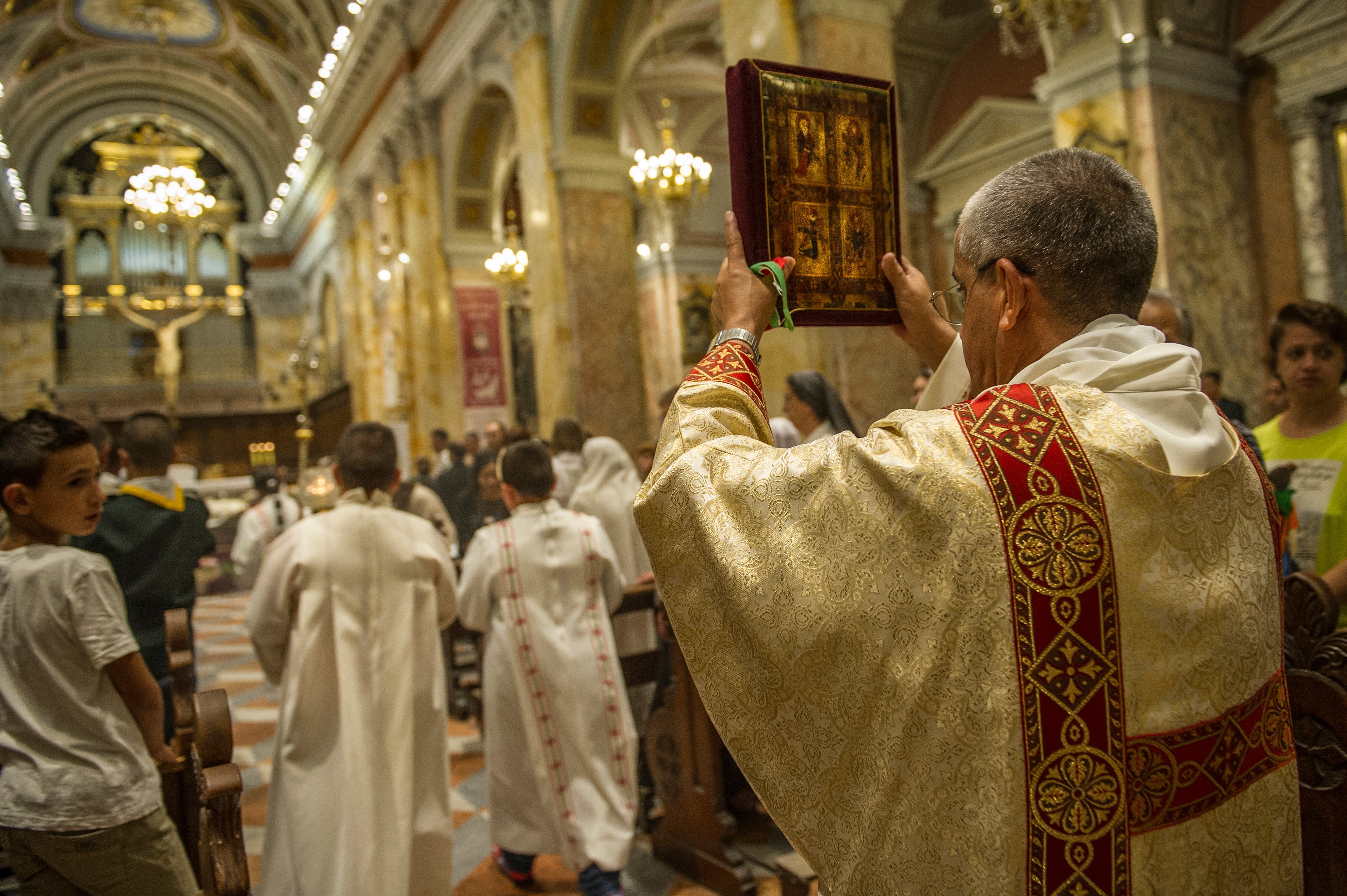
Defining Nuns and Sisters: Women in Consecrated Life
While the term "nun" is frequently applied to all Catholic women religious, precise canonical definitions distinguish between nuns and sisters.
Nuns vs. Sisters
- Nuns: Women religious who live in a monastic or cloistered environment, taking solemn vows. Their primary focus is contemplation, continuous prayer, and manual labor or study within the confines of the monastery. They rarely leave the monastery grounds except for necessary medical care or essential administrative business.
- Sisters: Women religious who take simple vows and engage in active apostolates outside the convent. They work in hospitals, schools, parishes, and social service agencies, interacting directly with the secular world while maintaining a communal life centered on shared prayer and common rules.
The Vows of Religious Life
Both nuns and sisters make formal vows that define their consecrated lifestyle:
- Poverty: Renouncing personal ownership of material goods, holding property in common, and relying on the community for sustenance.
- Chastity: Abstaining from marriage and sexual activity, dedicating one's love entirely to God and humanity.
- Obedience: Submitting one's will to legitimate religious superiors and the rule of the institute, following the model of Christ.
Comparison of Priests, Nuns, and Sisters
To clarify the structural, functional, and lifestyle differences among these vocations, the following comparison highlights their key attributes:
| Role Type | Ordination Status | Living Arrangement | Primary Focus | Authority Structure |
|---|---|---|---|---|
| Diocesan Priest | Ordained (Holy Orders) | Rectory or private residence | Parish ministry, sacraments, pastoral care | Local Bishop |
| Religious Priest | Ordained (Holy Orders) | Community monastery/friary | Specialized ministries, teaching, missions | Religious Superior |
| Nun | Not ordained (Consecrated) | Cloistered monastery | Contemplative prayer, monastic life | Abbess / Prioress |
| Sister | Not ordained (Consecrated) | Convent | Active apostolate (education, healthcare, charity) | Mother General / Provincial Superior |
Daily Life and Operational Realities
The daily schedules of priests, nuns, and sisters are structured around a rhythm of prayer, work, and community. Monastic communities, in particular, follow the Liturgy of the Hours (also known as the Divine Office), chanting or reciting psalms and prayers at designated times throughout the day, beginning as early as vigils or lauds in the morning.
For priests, daily life involves preparing homilies, visiting the sick in hospitals or homes, counseling individuals, managing parish administration, and celebrating daily Mass. Diocesan priests often experience significant autonomy in scheduling their days, which can also lead to challenges with isolation and burnout. Religious priests and nuns benefit from the built-in support system of community life, sharing meals, recreation, and spiritual exercises together.
Financial Considerations and Support
Neither priests nor nuns earn a traditional salary in the corporate sense. Diocesan priests receive a modest stipend or living allowance from their parish or diocese, which covers basic necessities such as food, clothing, and healthcare. Religious priests, nuns, and sisters take vows of poverty, meaning any income they earn through teaching, writing, or institutional work is returned to their religious order or community, which in turn provides for their housing, food, and long-term healthcare needs.
Training, Education, and Requirements
Entering into the priesthood or consecrated life requires meeting stringent eligibility criteria, followed by rigorous academic and spiritual vetting.
Prerequisites for Admission
- Age and Health: Candidates must be of legal adult age (typically 18 to 40 for initial formation, though older candidates are accepted) and possess sound physical and mental health.
- Canonical Freedom: Candidates must be unmarried, free of debt or legal obligations, and have no canonical impediments.
- Educational Background: Prospective priests generally require a bachelor's degree before entering seminary, followed by a Master of Divinity or equivalent theological graduate degree. Women entering religious life typically require a high school diploma or college degree, depending on the institute's requirements.
Common Challenges and Misconceptions
Public perception of priests and nuns is often shaped by media portrayals that may not reflect contemporary realities.
Celibacy and Isolation
Mandatory celibacy for Roman Catholic diocesan priests and religious orders remains a defining characteristic, though it is frequently scrutinized in modern discourse. Both priests and consecrated religious navigate the complexities of celibacy through spiritual discipline, strong community support, and robust human formation.
Changing Demographics
In many Western countries, the number of vocations to the priesthood and religious life has declined over the past several decades, leading to aging congregations, merged parishes, and an increased reliance on lay ecclesial ministers. Conversely, vocations in parts of Africa, Asia, and Latin America have experienced growth, shifting the global demographic center of consecrated life.
Frequently Asked Questions
Can priests and nuns marry?
In the Roman Catholic Church, diocesan priests and members of traditional religious orders take a vow of celibacy and cannot marry. However, exceptions exist in Eastern Catholic Churches and within certain jurisdictions of the Anglican Ordinariate, where married men may be ordained to the priesthood under specific conditions. Nuns and sisters do not marry, as they are considered spiritually wedded to Christ through their consecrated vows.
What is the difference between a monk and a friar?
Monks and friars are male counterparts to nuns and sisters, respectively. Monks live a stable, enclosed monastic life centered on manual labor and prayer within a specific abbey or monastery (following rules such as those of St. Benedict). Friars live in community but engage in active ministry, preaching, and mendicancy (begging or relying on charity), moving between various locations according to the needs of their order (such as Franciscans or Dominicans).
Do nuns wear habits today?
While some traditional religious orders maintain the full traditional habit, many orders adopted modern, simplified religious attire following the reforms of the Second Vatican Council in the 1960s. The choice of attire depends entirely on the specific constitutions and traditions of each religious institute.
How are Catholic priests and nuns funded?
Diocesan priests are supported by parish collections, stipends for sacraments, and diocesan funds. Religious priests, nuns, and sisters rely on shared community funds, stipends from institutional employment (such as teaching or hospital work), donations, and endowments managed by their religious orders.
Can women become Catholic priests?
No. The Roman Catholic Church teaches, in accordance with papal declarations such as Ordinatio Sacerdotalis by Pope John Paul II, that it does not have the authority to confer priestly ordination on women, reserving the sacrament exclusively to baptized males.
Conclusion and Next Actions
Exploring the vocations of priests and nuns reveals a rich tapestry of historical tradition, spiritual dedication, and structured community service. Whether through the sacramental ministry of a parish priest or the contemplative intercession of a cloistered nun, these individuals dedicate their lives to a higher calling. For those interested in deeper study, reviewing official documents from the Vatican's Dicastery for Clergy or exploring the foundational rulebooks of specific religious orders provides authentic, primary-source insight into consecrated life.
Image Gallery
Select an image to open it in a new tab.


Simon Caldwell
Enterprise Technology and Systems Editor
