
Choosing the best Caribbean island to visit in October requires understanding the region's weather patterns, as this month sits at the absolute peak of the Atlantic hurricane season. While southern islands located outside the primary hurricane belt offer reliable sunshine and lower rainfall risks, northern and eastern destinations feature deep shoulder-season discounts, fewer crowds, and lush post-summer landscapes for travelers willing to monitor tropical forecasts.
Understanding Caribbean Weather and Hurricane Season in October
October is historically one of the wettest and most active months for tropical weather systems across the Caribbean basin. Warm ocean temperatures and atmospheric dynamics frequently spawn tropical storms and hurricanes. However, the vast geographic expanse of the Caribbean means that climate patterns vary dramatically from north to south.
Travelers evaluating an October getaway must look past generalized regional forecasts and examine specific latitude zones. The Caribbean is roughly 2,500 miles wide, creating distinct microclimates. Islands situated in the far south—particularly those resting just off the coast of South America—experience a drastically different meteorological reality than those in the Bahamas, the Greater Antilles, or the northern Lesser Antilles.
Furthermore, October rainfall often manifests as intense tropical downpours rather than all-day washouts. Afternoon convection storms are common, followed by clearing skies and intense sunshine. Understanding this pattern helps travelers manage expectations, plan outdoor excursions during morning hours, and select accommodations with robust indoor amenities just in case inclement weather rolls in.
The ABC Islands and the Southern Caribbean: The Safest Bets
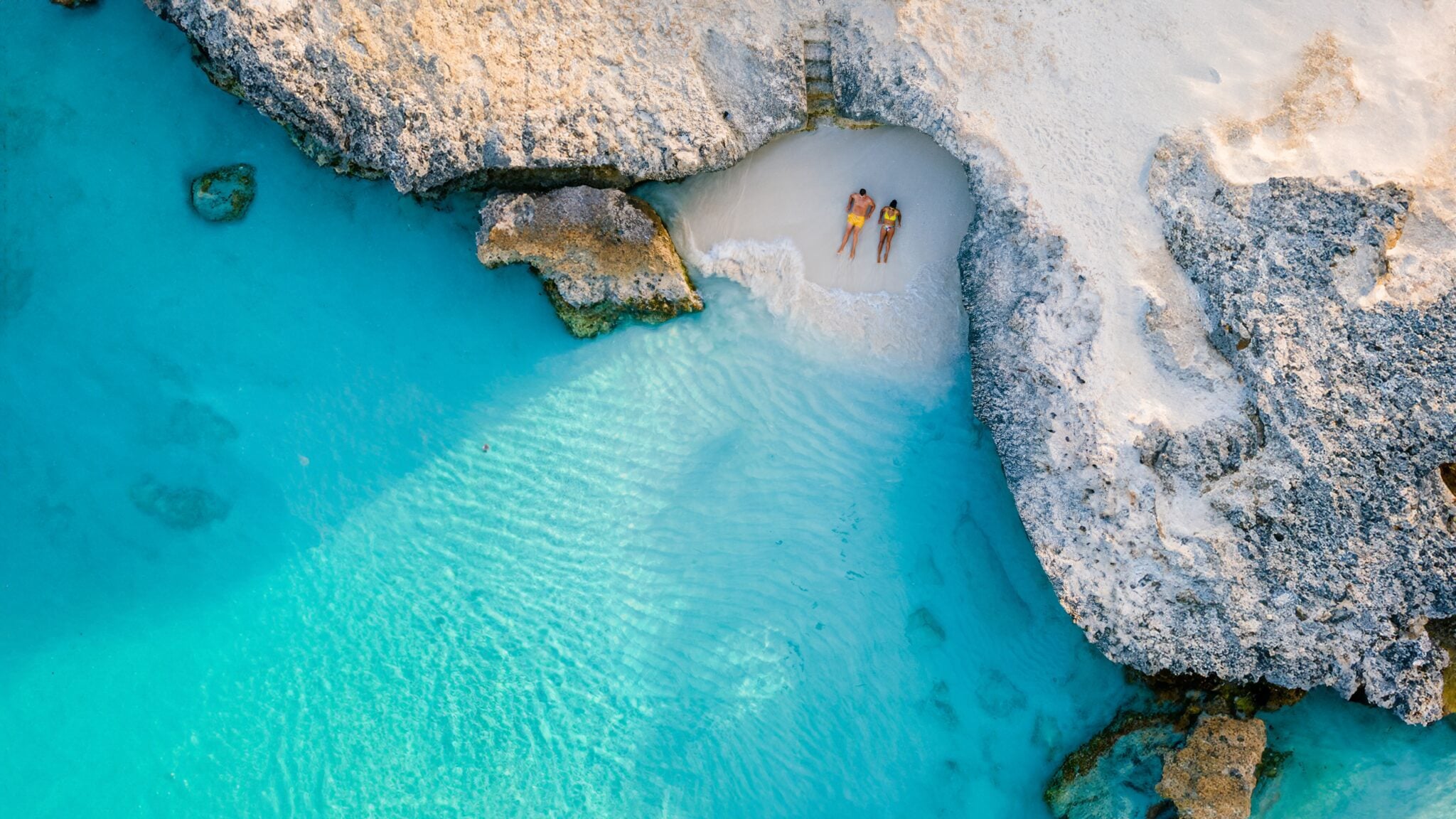
For travelers prioritizing uninterrupted sunshine, dry weather, and minimal storm risk, the islands of the Southern Caribbean—specifically Aruba, Bonaire, and Curaçao (collectively known as the ABC islands)—represent the gold standard for October travel.
Aruba
Aruba lies approximately 15 miles north of the coast of Venezuela, well outside the primary Atlantic hurricane belt. In October, Aruba experiences warm temperatures averaging around 88°F (31°C) and boasts some of the lowest rainfall totals in the entire Caribbean. While brief, passing showers can occur, they rarely disrupt vacation itineraries. The island is also known for its steady trade winds, which provide natural cooling relief during the humid autumn months.
Bonaire
Renowned globally as a shore-diving paradise, Bonaire shares Aruba's geographic advantage. October brings calm sea conditions and excellent underwater visibility for scuba divers and snorkelers. Because the island sits outside the main storm corridor, visitors face a significantly lower risk of weather-related cancellations or property closures, making it a reliable destination for adventurous travelers seeking marine biodiversity without weather anxiety.
Curaçao
Curaçao offers a blend of Dutch-Caribbean architecture, vibrant cultural life, and pristine beaches. Like its sister islands, its southern positioning shields it from most tropical depressions. October is part of Curaçao's warmer season, but the arid climate ensures that precipitation remains low compared to northern neighbors. Visitors can explore Willemstad's historic districts or relax in secluded coves with minimal weather disruption.
The Lesser Antilles: Balancing Risk and Reward
Moving north into the Lesser Antilles, the weather calculus changes. Islands like St. Lucia, Grenada, Barbados, and Trinidad & Tobago occupy a middle ground. While they can still experience tropical systems, their southern-leaning positions within the chain offer better protection than destinations further north.
Barbados and Grenada
Barbados sits slightly east of the main island chain, exposing it to Atlantic weather patterns, yet it statistically escapes direct hurricane landfalls more often than northern islands. Grenada, known as the "Spice Isle," sits far enough south to enjoy relative safety while offering lush rainforests, spice plantations, and uncrowded beaches in October. Both destinations feature significant shoulder-season hotel rates and authentic cultural events during this month.
Trinidad and Tobago
Located just off the northeastern coast of South America, Trinidad and Tobago experience a true tropical climate with distinct wet and dry seasons. October falls within the wet season, meaning frequent rainfall, but the islands rarely suffer catastrophic hurricane damage. This makes them exceptional choices for birdwatchers, eco-tourists, and cultural travelers looking for authentic Caribbean experiences rather than resort-heavy tourism.
Northern Destinations: High Risk, High Reward Deals
Northern Caribbean destinations—including the Bahamas, Jamaica, Cuba, the Cayman Islands, the Dominican Republic, and Puerto Rico—carry the highest exposure to tropical storm activity in October. However, for flexible travelers willing to purchase comprehensive travel insurance, this month offers unprecedented financial value and seclusion.
| Island / Region | Hurricane Risk Level | Typical October Weather | Primary Travel Appeal |
|---|---|---|---|
| Aruba, Bonaire, Curaçao | Very Low | Arid, sunny, occasional brief showers | Maximum weather reliability, diving, windsurfing |
| Barbados & Grenada | Low to Moderate | Warm, humid, occasional afternoon storms | Cultural festivals, lush scenery, lower resort prices |
| Dominican Republic & Puerto Rico | Moderate to High | Warm, humid, higher rainfall and storm potential | Luxury resorts at deep discounts, vibrant nightlife |
| The Bahamas & Turks and Caicos | High | Variable, active tropical weather window | Empty luxury beaches, exceptional flight deals |
Resorts and airlines slash prices dramatically during October across the northern Caribbean. Travelers who monitor the National Hurricane Center daily and maintain flexible itineraries can secure five-star accommodations at a fraction of peak-season costs. Beaches that are normally packed during the winter months remain blissfully empty, providing a serene environment for those who accept the calculated meteorological risk.
Essential Strategies for Planning an October Caribbean Trip
Booking a Caribbean vacation in October requires a shift in logistical planning compared to traveling during the dry winter season. Adhering to specific risk-mitigation strategies ensures that a tropical disturbance does not derail your investment.
1. Purchase Comprehensive Travel Insurance
Never travel to the Caribbean in October without robust travel insurance that includes "Cancel for Any Reason" (CFAR) coverage and trip interruption benefits. Standard policies often exclude named tropical storms if the storm was already a designated system when the policy was purchased. Read the fine print regarding mandatory evacuation coverage and airline credit policies.
2. Monitor Tropical Weather Proactively
Familiarize yourself with tracking tools provided by the National Hurricane Center. If you book a trip to a northern or central destination, watch developing systems at least two weeks out. Flexibility with flight changes and hotel rebooking windows is essential.
3. Select Accommodations with Resilient Infrastructure
Modern resorts in hurricane-prone zones are built to strict structural engineering codes, often featuring robust backup generators, hurricane shutters, and reinforced glass. When booking smaller boutique hotels or private vacation rentals on northern islands, verify whether the property has independent generator power and reliable communication systems.
4. Embrace Indoor and Cultural Alternatives
Plan your itinerary with flexibility. On islands where October brings afternoon rain showers, schedule outdoor activities like hiking, snorkeling, or boat tours for the morning hours. Reserve afternoons for museum visits, cooking classes, rum distillery tours, and spa experiences.
Common Mistakes to Avoid When Traveling in October
Travelers frequently make critical miscalculations when selecting a Caribbean destination in autumn. Avoiding these common errors protects your budget and your peace of mind.
- Assuming the entire Caribbean has identical weather: Booking a trip to the Bahamas or Jamaica expecting the same dry climate as Aruba is a recipe for weather disruptions. Always check the specific latitude and historical rainfall data for your exact destination.
- Skipping travel insurance to save money: Saving a few hundred dollars on a policy can result in losing thousands of dollars if a hurricane grounds flights or forces resort closures. Treat insurance as a mandatory component of October travel.
- Failing to check resort operational schedules: October is the traditional maintenance month for many high-end Caribbean resorts. Properties frequently close entirely for renovations, deep cleaning, or staff vacations. Always confirm that restaurants, pools, and amenities are fully operational before finalizing bookings.
- Ignoring airline change policies: Booking non-refundable, rigid airfares during peak hurricane season creates unnecessary financial exposure. Opt for airlines offering flexible change waivers or book with credit cards providing built-in travel protection.
Frequently Asked Questions
Is it safe to travel to the Caribbean in October?
Safety depends entirely on the island chosen and your willingness to monitor weather patterns. Southern islands like Aruba and Curaçao carry very low storm risks, making them as safe in October as they are in February. Northern destinations carry weather risks, but monitored forecasts, flexible planning, and comprehensive insurance mitigate physical and financial danger.
Which Caribbean island has the best weather in October?
The ABC islands—Aruba, Bonaire, and Curaçao—consistently offer the best weather in October. They sit outside the hurricane belt, feature minimal rainfall, and enjoy persistent cooling trade winds that temper the autumn humidity.
Will resort amenities be closed if I travel in October?
Because October falls during the low season, some boutique hotels and luxury resorts close temporarily for annual maintenance. However, major international resort chains, all-inclusive properties, and larger hotels in popular destinations remain fully open and offer heavily discounted rates to attract travelers.
How far in advance should I book an October Caribbean trip?
For southern islands with stable weather, booking 3 to 6 months in advance secures preferred flights and hotel rooms. For northern or hurricane-prone destinations, many travelers wait until 2 to 4 weeks before departure to evaluate tropical Atlantic activity before booking non-refundable segments, though flights can sometimes be secured earlier with flexible cancellation guarantees.
What should I pack for a Caribbean vacation in October?
Pack lightweight, breathable fabrics like linen and moisture-wicking cotton to combat high humidity. Include a durable, compact umbrella or lightweight rain jacket for tropical downpours, reef-safe sunscreen, insect repellent, and water shoes for protected coastal exploration.
Final Recommendations for Your October Getaway
Choosing the best Caribbean island in October comes down to balancing your desire for meteorological certainty against your appetite for value and adventure. If absolute peace of mind regarding weather is your priority, lock in a trip to Aruba, Bonaire, or Curaçao, where sunny skies are statistically favored. If you crave dramatic landscapes, empty beaches, and luxury resorts at a fraction of winter pricing, target the northern or central islands, secure comprehensive travel insurance, and stay vigilant with weather tracking. By matching your travel style to the right geographic latitude, an October Caribbean vacation delivers an unforgettable, uncrowded escape.
Image Gallery
Select an image to open it in a new tab.


Ingrid Bjornson
Global Cyber Policy and Regulation Analyst
