The Best Jeep Renegade Years for Road Tripping: Reliability, Comfort, and Capability

For a reliable and comfortable road trip, the best Jeep Renegade model years are 2019 through 2023. These later versions offer the most refined 9-speed transmissions, updated Uconnect infotainment systems with smartphone integration, and the 1.3L turbocharged engine, which provides better highway torque and fuel efficiency than the older 2.4L Tigershark powerplants.
The Jeep Renegade occupies a unique niche in the subcompact SUV market. It is one of the few vehicles in its class that successfully blends genuine off-road capability—particularly in the Trailhawk trim—with a footprint small enough for urban maneuvering. However, when planning a cross-country journey or a week-long trek through national parks, the Renegade's historical quirks regarding transmission tuning and engine reliability become critical factors. As of 2026, the Renegade is widely available on the secondary market, making it essential to distinguish between the bargain-priced early models and the more robust later iterations.
Why Model Year Selection Matters for Long-Distance Travel
Road tripping places specific demands on a vehicle: sustained highway speeds, varying altitudes, and long hours of seat occupancy. A vehicle that is charming for a ten-minute commute might become a liability during a twelve-hour drive through the desert. For the Jeep Renegade, the early years (2015–2017) were marred by teething issues that can compromise a long trip.
The 9-speed automatic transmission, sourced from ZF, was a frequent point of contention in early models. Drivers reported harsh shifting, delayed engagement, and "hunting" for gears, which can be exhausting on hilly terrain. By the 2019 mid-cycle refresh, Jeep had implemented significant software and hardware revisions to this gearbox, resulting in a much smoother experience during the constant speed changes required by highway traffic.
Furthermore, interior technology is a cornerstone of the modern road trip experience. The 2015–2018 models often featured smaller, less responsive screens. Starting in 2019, and becoming standard across more trims in 2021, the 8.4-inch Uconnect system became the gold standard for the segment. This system includes Apple CarPlay and Android Auto, which are indispensable for real-time navigation and entertainment when traversing unfamiliar territory.
The 2019–2023 Models: The Sweet Spot for Reliability
The 2019 model year marked a significant turning point for the Renegade. This update introduced the 1.3L four-cylinder turbocharged engine. While smaller in displacement than the 2.4L engine it eventually replaced, the 1.3L offers 210 lb-ft of torque. In the context of a road trip, torque is vital for merging onto high-speed interstates and overtaking slower-moving recreational vehicles.
Performance and Efficiency
When traveling long distances, fuel economy and range are paramount. The Jeep Renegade has a relatively small fuel tank (12.7 gallons). To avoid constant stops at the pump, the improved efficiency of the 1.3L engine is a major asset. While the Renegade is not a segment leader in MPG—due to its "boxier" aerodynamics—the 2019+ models tend to achieve better real-world highway figures than the older, naturally aspirated engines.
Safety Technology Updates
Long-distance driving increases the risk of fatigue. The later model years (specifically 2021–2023) saw a democratization of Advanced Driver Assistance Systems (ADAS). Features such as Blind Spot Monitoring, Lane Sense Lane Departure Warning, and Full-Speed Forward Collision Warning became standard on most trims. For a road tripper, these systems provide an extra layer of security during long stints behind the wheel.
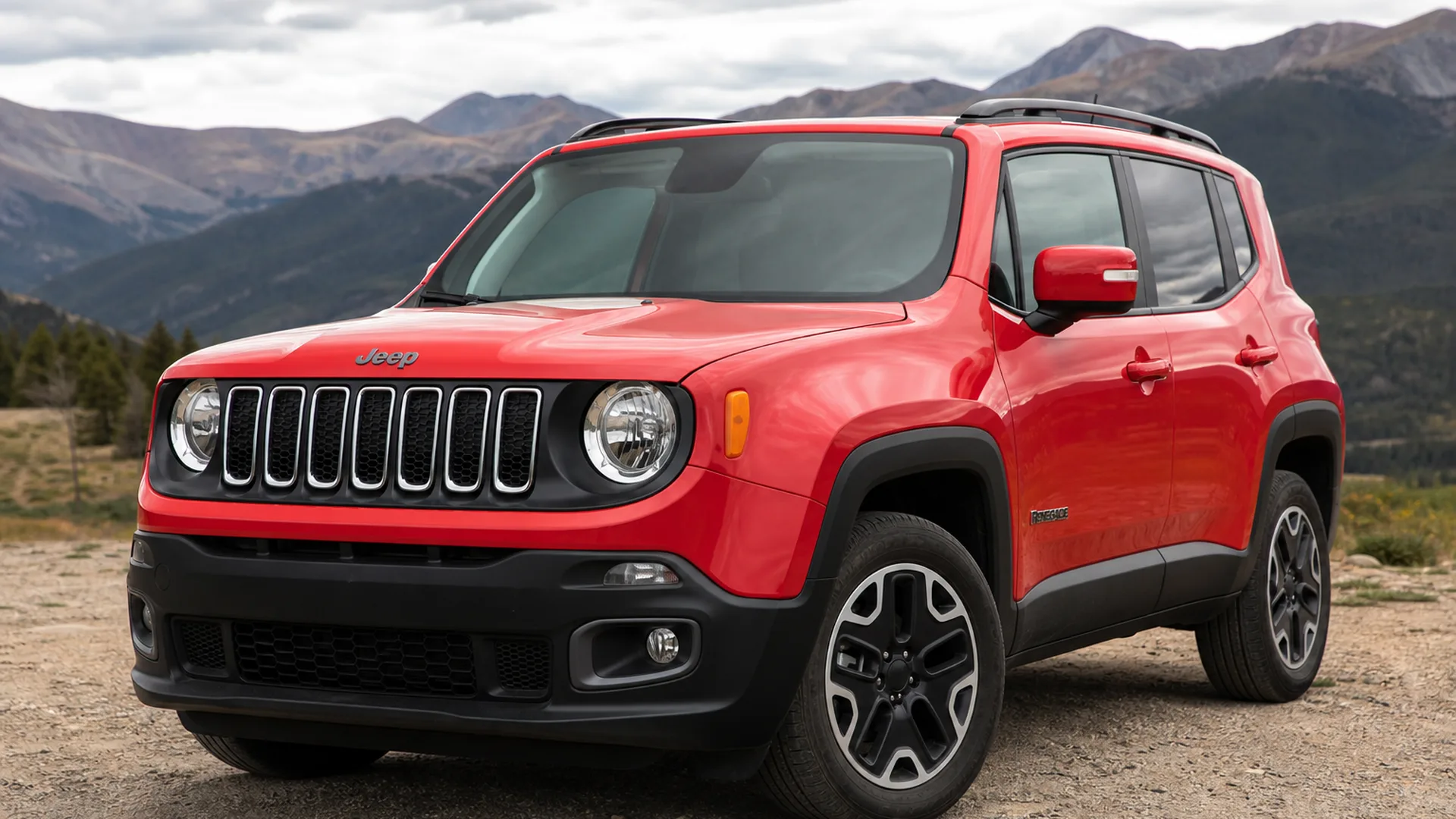
Evaluating the Trailhawk Trim for Adventure Road Trips
If your road trip involves more than just pavement—such as exploring the fire roads of the Pacific Northwest or the sandy trails of the Southwest—the Trailhawk trim is the only logical choice. However, the Trailhawk comes with trade-offs that affect road trip comfort.
The Trailhawk features a 0.8-inch lift, skid plates, and all-terrain tires. While these are essential for off-roading, they introduce more road noise into the cabin at highway speeds compared to the Latitude or Limited trims. When choosing a Trailhawk for a road trip:
- Focus on 2020+ Models: These benefit from improved sound deadening in the wheel wells.
- Check the Tires: If the previous owner installed aggressive mud-terrain tires, consider switching back to a high-quality all-terrain or highway-terrain tire if your mileage will be 90% pavement. This will significantly reduce cabin drone.
- Rock Crawl Mode: The Trailhawk’s unique 20:1 crawl ratio is excellent for technical spots, but ensure the cooling system is in top shape, as low-speed crawling generates significant heat.
Identifying Years to Avoid
While the Renegade is generally a sturdy small SUV, certain years are less suitable for the rigors of long-distance travel.
2015–2016: The Launch Years
The inaugural years of the Renegade suffered from the most significant reliability complaints. According to data from the National Highway Traffic Safety Administration (NHTSA), the 2015 model received the highest volume of complaints regarding transmission failure and electrical system malfunctions. Sudden "limp mode" activation—where the car loses power to protect the engine—is the last thing a driver wants when climbing a mountain pass.
2017–2018: Oil Consumption Concerns
Models equipped with the 2.4L Tigershark engine during these years were frequently cited for excessive oil consumption. On a long road trip, a car that consumes a quart of oil every 1,000 miles requires the driver to constantly monitor levels and carry extra fluids. While Jeep issued software updates to address the way the engine managed oil, many owners still reported issues. If you choose a 2017 or 2018, it is vital to verify that all recalls and technical service bulletins (TSBs) have been performed.
Comparison of Jeep Renegade Year Groups for Road Tripping
| Feature Category | 2015–2017 Models | 2018–2020 Models | 2021–2023 Models |
|---|---|---|---|
| Primary Engine | 1.4L Turbo / 2.4L NA | 2.4L NA / 1.3L Turbo | 1.3L Turbo |
| Transmission Feel | Often jerky, unrefined | Significantly improved | Most refined software |
| Infotainment | 5.0" or 6.5" Uconnect | 7.0" or 8.4" Uconnect | Standard 8.4" Uconnect |
| Smartphone Link | None / Limited | Apple CarPlay/Android Auto | Full Wireless Support (some) |
| Road Trip Rating | Low (Reliability risks) | Moderate (Good value) | High (Best tech/comfort) |
Practical Considerations for Renegade Road Trips
Even with the best model year, the Renegade has specific characteristics that require planning.
Cargo Space Management
The Renegade offers 18.5 cubic feet of space behind the rear seats. For two people on a week-long trip, this is adequate. However, for a family of four, it is insufficient.
- Roof Racks: Most Renegades come with roof rails. Investing in a high-quality roof box (like those from Thule or Yakima) is highly recommended.
- The "My Sky" Roof: Some models feature removable roof panels. While great for scenic drives in places like Zion National Park, these panels can sometimes develop wind whistles at high speeds. Before a long trip, check the seals and apply silicone lubricant if necessary to ensure a quiet cabin.
Interior Comfort
The Renegade's seats are surprisingly supportive for long durations. The upright, "command" seating position provides excellent visibility, which reduces driver fatigue. If you are shopping for a road trip vehicle, prioritize the Limited trim, which often includes power-adjustable lumbar support—a lifesaver for back health on 500-mile days.
Maintenance Before the Trip
Regardless of the year, the Renegade's 4x4 system (sourced from GKN Driveline) requires specific attention. If you are taking a high-mileage 2019 model on a long trip, ensure the Rear Drive Module (RDM) and Power Transfer Unit (PTU) fluids have been serviced. The Renegade's PTU is known to work hard, and fresh fluid is cheap insurance against a mid-trip mechanical failure.
Frequently Asked Questions
Which Jeep Renegade engine is best for highway driving?
The 1.3L turbocharged engine (standard on later models) is superior for the highway. It produces more torque at lower RPMs compared to the 2.4L Tigershark, making it easier to maintain speed on inclines and pass slower traffic without the transmission constantly downshifting.
Is the Jeep Renegade comfortable for tall drivers on long trips?
Yes, the Renegade is exceptionally well-suited for tall drivers. Because of its boxy design, it offers more headroom than almost any other subcompact SUV. The vertical windshield and high roofline create an airy cabin that prevents that "cramped" feeling during multi-day journeys.
Can the Jeep Renegade tow a small trailer for a road trip?
When properly equipped, the Renegade has a maximum towing capacity of 2,000 pounds (available only on 2.4L or 1.3L 4x4 models). While it can pull a small teardrop trailer or a motorcycle trailer, doing so will significantly impact fuel economy and strain the transmission on steep grades. It is generally better suited for a hitch-mounted cargo carrier.
How does the Renegade handle wind on the highway?
Due to its "toaster" shape and high profile, the Renegade can be sensitive to crosswinds. On open plains or high bridges, you may feel the vehicle catching the wind more than a lower-profile sedan or a more aerodynamic crossover. Drivers should maintain a firm grip on the wheel in gusty conditions.
What are the most common mechanical failures to watch for?
Beyond the transmission issues in early models, watch for motor mount wear. If you feel excessive vibration in the cabin while idling or accelerating, the liquid-filled motor mounts may have leaked. Replacing these before a road trip will greatly improve cabin vibration and comfort.
Final Recommendations for Buyers
If your goal is to explore the open road in a Jeep Renegade in 2026, prioritize a 2021 or 2022 Trailhawk or Limited model. These years represent the pinnacle of the vehicle's development, featuring the most stable electronic architecture and the best balance of power and efficiency.
Always obtain a pre-purchase inspection that specifically checks the health of the 9-speed transmission and looks for signs of oil leaks around the turbocharger on 1.3L models. With the right year and proper maintenance, the Renegade is a capable, characterful companion that can handle both the interstate and the trail with ease.
Image Gallery
Select an image to open it in a new tab.
Vivian Cho
Executive IT and Emerging Technologies Reporter
