
Exploring the Old Masters Museum in Brussels offers a deep immersion into the evolution of Southern Netherlandish painting from the 15th to the 18th centuries. Visitors can examine world-renowned masterpieces by Peter Paul Rubens, Pieter Bruegel the Elder, and the Flemish Primitives, housed within a magnificent Neoclassical building that serves as the cornerstone of Belgium's Royal Museums of Fine Arts.
The Historical Significance of the Old Masters Museum
The Old Masters Museum (Musée Oldmasters Museum) is not merely a gallery; it is a repository of European history. Established in 1801 by Napoleon Bonaparte, the museum's collection was originally formed from works seized during the French Revolution. Following the fall of the Napoleonic Empire, many of these works remained, forming the nucleus of what would become the Royal Museums of Fine Arts of Belgium (RMFAB).
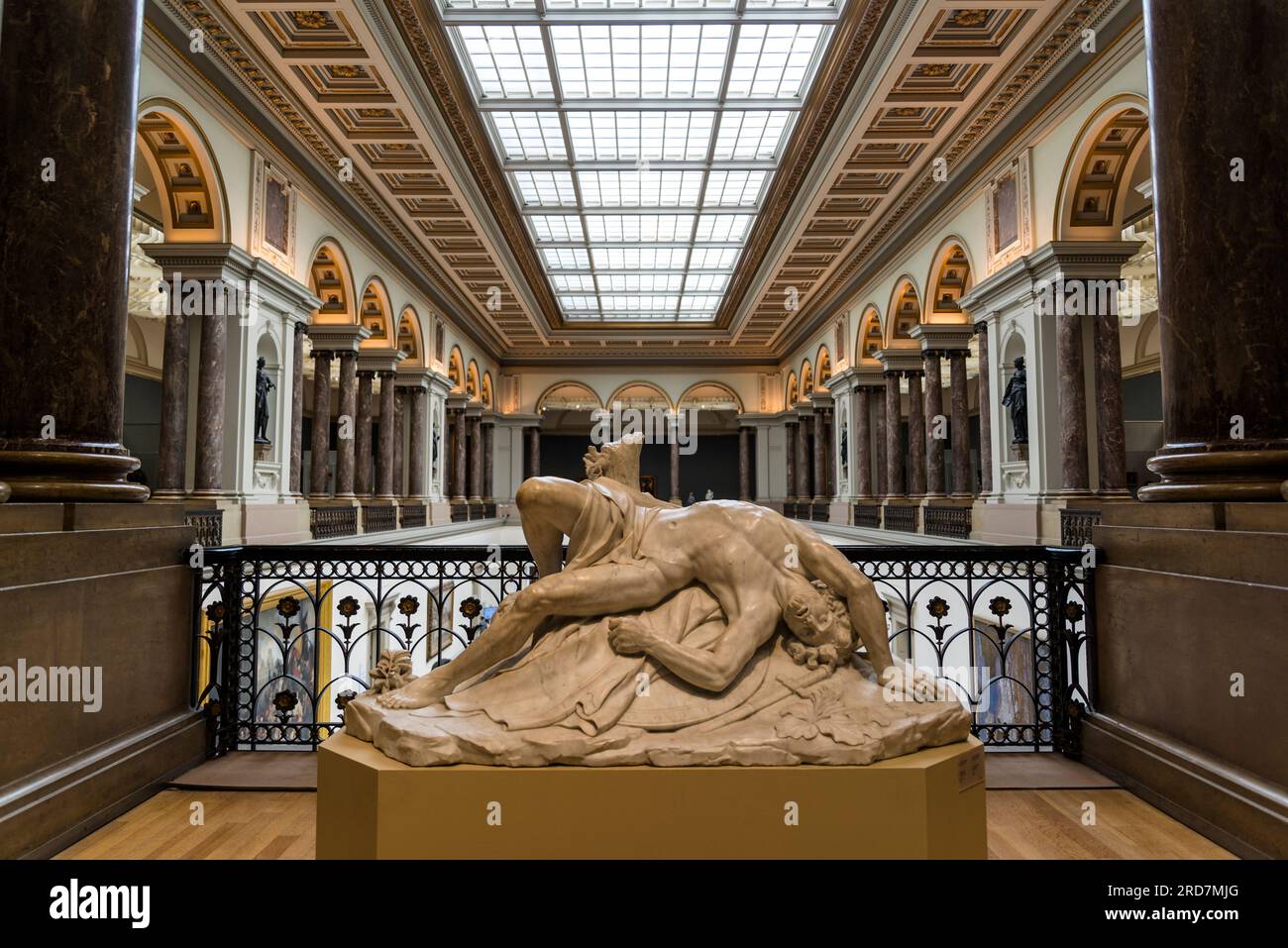
In 2026, the museum continues to stand as the premier institution for studying the "Golden Age" of Flemish painting. The collection is housed in a building designed by the architect Alphonse Balat, commissioned by King Leopold II. The architecture itself—a blend of grand staircases, expansive skylights, and ornate moldings—reflects the 19th-century desire to elevate art to a quasi-religious status.
The museum’s importance lies in its ability to trace the technical and philosophical shifts in art. From the meticulous, symbolic piety of the 15th-century "Primitives" to the dramatic, muscular Baroque compositions of the 17th century, the galleries provide a chronological and thematic map of Northern European cultural identity.
Planning Your Visit in 2026: Logistics and Practical Information
Successfully exploring the Old Masters Museum requires understanding its layout and operational guidelines. The museum is located at Rue de la Régence 3, 1000 Brussels, situated on the Coudenberg hill near the Royal Palace.
Operating Hours and Best Times to Visit
As of 2026, the museum maintains a standard schedule, though it is always advisable to check the official Royal Museums of Fine Arts website for seasonal variations or holiday closures.
- Tuesday to Friday: 10:00 AM – 5:00 PM
- Saturday and Sunday: 11:00 AM – 6:00 PM
- Closed: Mondays and select public holidays (January 1st, May 1st, November 1st, November 11th, and December 25th).
To avoid the largest crowds, aim to visit on Tuesday or Wednesday mornings. School groups and weekend tourists typically peak between 1:00 PM and 4:00 PM. If you are a photography enthusiast, midday light filtering through the glass ceilings of the Rubens galleries provides the best natural illumination, though flash is strictly prohibited.
Ticket Pricing and Entry Requirements
In 2026, the museum utilizes a timed-entry system for peak periods, though walk-in tickets are often available during weekdays.
| Ticket Type | Price (Estimated 2026) | Notes |
|---|---|---|
| Adult (19-64) | €15.00 | Access to Old Masters permanent collection. |
| Senior (65+) | €10.00 | Valid ID required. |
| Youth (0-18) | Free | Proof of age may be requested. |
| Students (19-26) | €5.00 | Valid international student card required. |
| Brussels Card | Free Entry | Includes public transport and other museums. |
Pro Tip: If you plan on visiting the Magritte Museum or the Fin-de-Siècle Museum (both part of the same complex), purchase a "Combination Ticket" to save significantly on individual entry fees.
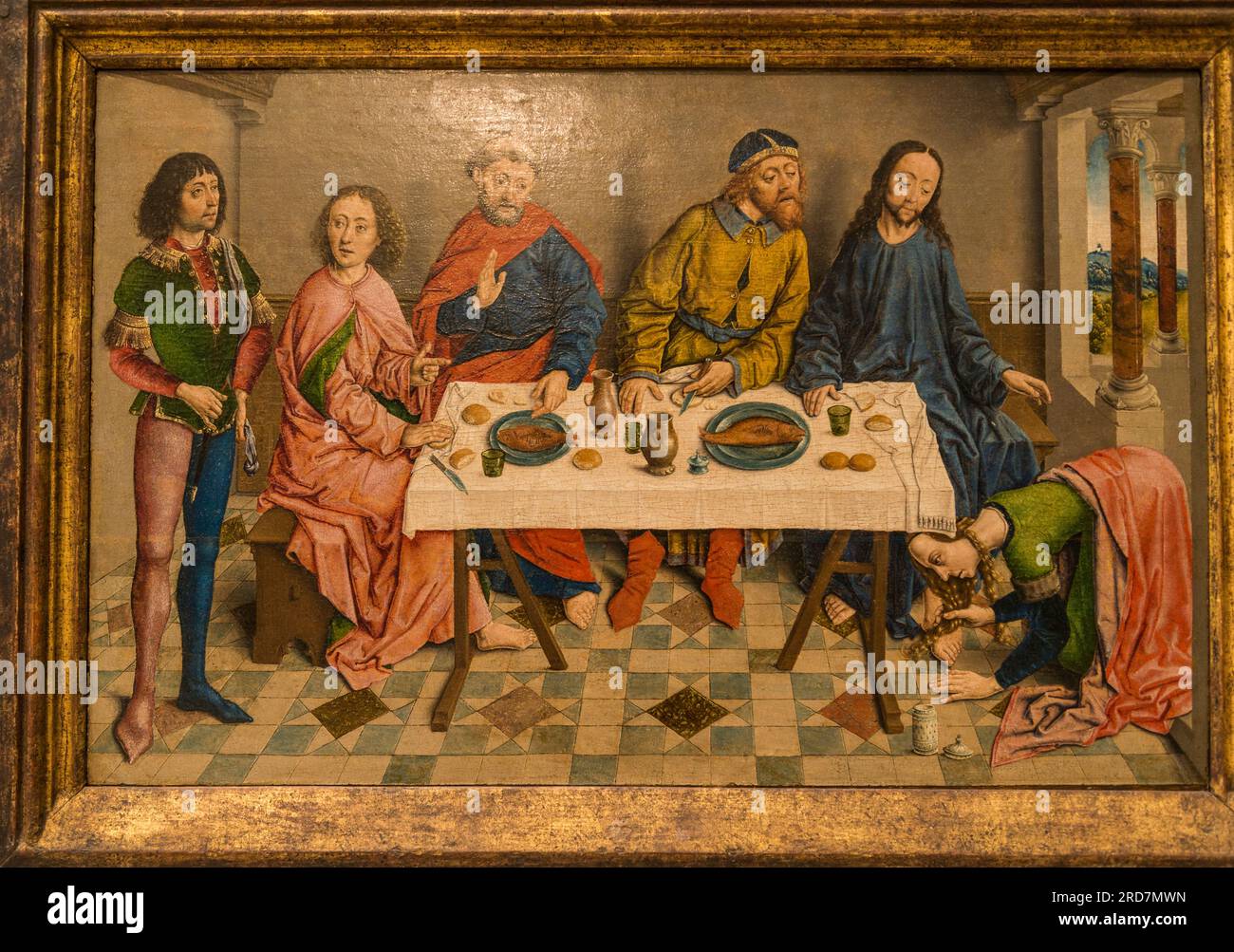
The Flemish Primitives: A Revolution in Detail
The journey through the Old Masters Museum typically begins with the 15th and 16th centuries, focusing on the Flemish Primitives. This term does not imply lack of skill; rather, it refers to the "primary" or earliest masters of the oil painting medium in the Low Countries.
Rogier van der Weyden and Hans Memling
The museum holds significant works by Rogier van der Weyden, such as The Justice of Trajan and Herkinbald (fragments) and his evocative portraits. Van der Weyden was revolutionary for his ability to convey human emotion—tears, grief, and spiritual ecstasy—with a realism previously unseen in Gothic art.
Hans Memling’s work in the collection showcases the perfection of the portrait and the devotional diptych. His paintings are characterized by a serene clarity and meticulous attention to texture, from the sheen of a silk robe to the individual hairs of a donor’s fur collar.
The Mystery of Hieronymus Bosch
One of the most sought-after works in this section is the Crucifixion with a Donor by Hieronymus Bosch. While Bosch is often associated with the surreal monsters of The Garden of Earthly Delights, this work demonstrates his mastery of landscape and quiet spiritual intensity. The museum provides detailed pedagogical panels explaining the iconography of Bosch’s work, helping visitors decipher the symbolic "hidden" meanings in the flora and fauna surrounding the central figures.
The Bruegel Collection: Life, Landscape, and Irony
The Old Masters Museum boasts one of the world's most significant collections of works by the Bruegel family, specifically Pieter Bruegel the Elder.
The Fall of the Rebel Angels (1562)
This masterpiece is a cornerstone of the museum. It depicts the archangel Michael and his angels driving the fallen angels (transformed into grotesque, hybrid monsters) out of heaven. The technical detail is staggering; Bruegel used a variety of brushes to differentiate between the shimmering armor of the celestial host and the slimy, insectoid textures of the demons.
The Census at Bethlehem (1566)
Perhaps the most famous Bruegel work in Brussels, this painting transposes the biblical story of the census to a contemporary 16th-century Flemish village in mid-winter. It serves as a social commentary on the bureaucratic demands of the Spanish administration in the Netherlands at the time. When viewing this piece, look closely at the "micro-narratives" within the frame: children playing on the ice, neighbors slaughtering a pig, and the quiet, almost unnoticed arrival of Mary and Joseph.
Landscape with the Fall of Icarus
For decades, this was the museum's most famous painting. However, modern technical analysis (including infrared reflectography) has led scholars to believe this is likely a very early, high-quality copy of a lost Bruegel original. Despite the attribution shift, it remains a vital stop for its thematic depth—the idea that the world continues its mundane tasks (plowing, fishing) while a great tragedy (Icarus falling from the sky) occurs unobserved.
The Baroque Splendor of Peter Paul Rubens
As you move into the 17th-century galleries, the scale of the art increases dramatically. This is the realm of Peter Paul Rubens, the diplomat-painter who defined the Flemish Baroque.
The Adoration of the Magi (1624)
This massive altarpiece was designed to overwhelm the viewer with its size, color, and motion. Rubens’ use of the "diagonal composition" draws the eye across the canvas, creating a sense of dynamic energy. The museum’s high ceilings are essential for properly displaying this work, which was originally intended for the high altar of St. Michael’s Abbey in Antwerp.
The Martyrdom of Saint Livinus
Another monumental work, this painting displays Rubens’ ability to handle violent, complex scenes with a painterly bravura. The "Rubensian" style—characterized by fleshy figures, vibrant reds, and dramatic lighting—is on full display here. It reflects the Counter-Reformation’s goal of using art to inspire awe and religious fervor in the Catholic faithful.
Anthony van Dyck and Jacob Jordaens
While Rubens dominates the era, the museum also highlights his contemporaries. Anthony van Dyck’s portraits show a more refined, elegant sensibility that would later influence English portraiture for centuries. Jacob Jordaens, known for his more earthy and robust depictions of Flemish life, is represented by works like The King Drinks, which captures the boisterous, often gluttonous celebrations of the Epiphany.
Architectural Highlights and Navigation Tips
The museum layout can be confusing because it is integrated with the modern extensions of the RMFAB. The Old Masters collection is primarily located on the upper levels (Levels +1 and +2) and the ground floor of the main building.
- The Forum: This central hall is a masterpiece of Neoclassical architecture. In 2026, it often hosts temporary installations that bridge the gap between old and new art.
- The Rubens Room: This is a dedicated space designed specifically to hold the largest canvases. The natural light here is calibrated to mimic the lighting conditions of the churches for which the paintings were originally commissioned.
- The Blue Rooms: These smaller, more intimate galleries are where the 15th-century works are kept. The lower light levels here are necessary to protect the fragile wood panels and pigments of the Flemish Primitives.
Comparison of Flemish Art Eras in the Museum
Understanding the shift between these eras helps in appreciating the collection's breadth.
| Feature | Flemish Primitives (15th-16th c.) | Flemish Baroque (17th c.) |
|---|---|---|
| Primary Medium | Oil on wood panel | Oil on canvas |
| Visual Style | Meticulous detail, flat lighting, static poses | Dynamic motion, dramatic shadows (Chiaroscuro) |
| Subject Matter | Devotional altarpieces, rigid portraits | Mythological scenes, grand historical cycles |
| Key Artists | Van der Weyden, Memling, Bosch | Rubens, Van Dyck, Jordaens |
| Philosophical Goal | Spiritual contemplation through detail | Emotional impact through scale and drama |
Common Mistakes to Avoid When Exploring the Museum
- Rushing the Primitives: Many visitors head straight for the large Rubens canvases. However, the Flemish Primitives require slow, close-up viewing to appreciate the "micro-realism" that made them world-famous. Use the provided magnifying lenses if available.
- Ignoring the Sketches: The museum holds several "oil sketches" by Rubens. These were not meant to be finished works but were "blueprints" for his assistants. They often show more of the master’s actual hand and spontaneous genius than the giant finished altarpieces.
- Missing the Sculpture: While primarily a painting museum, the Old Masters section contains exceptional late-Gothic and Baroque sculptures that provide 3D context to the 2D paintings.
- Forgetting the Cloakroom: Large bags and umbrellas are not permitted in the galleries. The cloakroom is automated (using lockers) and located near the main entrance. You will need a €1 or €2 coin (usually refundable) or a digital token provided by the museum in 2026.
Accessibility and Facilities
The Royal Museums of Fine Arts have undergone significant renovations to ensure accessibility for all visitors.
- Elevators: All levels of the Old Masters Museum are accessible via elevator. However, due to the historic nature of the building, some routes may be circuitous. Ask the "Gardiens" (gallery attendants) for the "Handisport" route.
- Audio Guides: In 2026, the museum has transitioned largely to a "Bring Your Own Device" model. Visitors can scan QR codes next to major works to access high-definition audio commentary in English, French, Dutch, and German. Standard rental headsets are still available for a small fee.
- Museum Shop and Café: The shop offers high-quality reproductions and an extensive library of art history texts. The Museum Café, located near the exit, provides a quiet space for reflection, though it can be expensive.
Frequently Asked Questions
Is the "Fall of Icarus" still on display at the Old Masters Museum?
Yes, the Landscape with the Fall of Icarus remains a centerpiece of the Bruegel collection. While modern scholarship suggests it is a contemporary copy rather than an autograph work by Pieter Bruegel the Elder himself, its artistic quality and historical importance ensure its permanent display.
Can I see the Magritte Museum with the same ticket?
No, a standard ticket for the Old Masters Museum does not include entry to the Magritte Museum. However, you can purchase a "Combi" ticket at the main desk or online, which grants access to all the Royal Museums of Fine Arts of Belgium (Old Masters, Magritte, Fin-de-Siècle, and Meunier).
How long does it take to see the entire Old Masters collection?
To see the collection thoroughly, you should allocate at least 2.5 to 3 hours. If you are an art historian or a dedicated enthusiast, you could easily spend 4-5 hours examining the technical details of the Flemish Primitives and the Rubens gallery.
Are there guided tours available in English?
Yes, the museum offers guided tours for groups, which must be booked at least three weeks in advance. For individual travelers, there are often "Spotlight Tours" on weekends in 2026 that focus on specific themes like "The Secrets of the Alchemists in Bosch" or "Rubens the Diplomat."
Is photography allowed inside the museum?
Photography for personal, non-commercial use is permitted in most galleries, provided you do not use a flash, tripod, or selfie stick. Some temporary exhibitions may have stricter "no-photo" policies, which will be clearly marked at the entrance to those specific rooms.
Next Steps for Your Visit
To make the most of your exploration, start by downloading the museum’s official app before you arrive. This will allow you to pre-load the audio files and map out a route based on your specific interests (e.g., a "Bruegel Trail" or a "Baroque Highlights" tour). Ensure you arrive at least 15 minutes before your timed entry slot if you have booked online to navigate the security checkpoints at the main entrance on Rue de la Régence.
Image Gallery
Select an image to open it in a new tab.
Omar Farooq
EdTech Innovation and Virtual Pedagogy Journalist
