
Cooking pork tenderloin in a crock pot requires a careful balance of low-heat moisture and timing to prevent the lean cut from becoming dry. By searing the meat first, utilizing a flavorful liquid base, and adhering to strict internal temperature guidelines, you can achieve a succulent result that holds its shape while remaining tender enough to slice cleanly.
Understanding the Nature of Pork Tenderloin
Pork tenderloin, often confused with pork loin, is a long, thin, and remarkably lean muscle taken from the backbone of the pig. Because it contains very little fat or connective tissue, it does not respond well to traditional long-duration "slow cooking" methods that are meant for collagen-rich cuts like pork shoulder or butt. When a tenderloin is subjected to high heat for extended periods, the moisture evaporates rapidly, leaving behind a tough, fibrous piece of meat.
To successfully cook a tenderloin in a slow cooker, you must treat it as a gentle poaching or braising project. The goal is to cook the meat just until it reaches an internal temperature of 145°F (63°C), as recommended by the United States Department of Agriculture (USDA) for food safety. Exceeding this temperature significantly causes the proteins to tighten and expel their juices, leading to the "dry" reputation that often discourages cooks from using a slow cooker for this specific cut.
Prerequisites and Preparation
Before placing the pork in your slow cooker, ensure you have the necessary equipment and ingredients to facilitate even cooking.
- Preparation of the Meat: Remove the silver skin. This is the tough, pearlescent membrane that runs along one side of the tenderloin. If left on, it will remain chewy and prevent seasonings from penetrating the meat. Use a sharp boning knife to slide under the silver skin and peel it away carefully.
- The Sear: While optional, searing the tenderloin in a heavy-bottomed skillet over medium-high heat for 2–3 minutes per side provides a Maillard reaction—a chemical reaction between amino acids and reducing sugars—that creates a deeper, more complex flavor profile than simply boiling the raw meat.
- Liquid Ratio: You do not need to submerge the meat. In fact, a full submersion can lead to a boiled texture. A depth of 1/2 to 1 cup of liquid is sufficient. This can be chicken broth, vegetable stock, apple juice, or a mixture of soy sauce and aromatics.
- Aromatics: Incorporate garlic, onions, dried herbs (like rosemary or thyme), and spices to infuse the meat while it cooks. Since the slow cooker retains all moisture, aromatics become highly effective.
The Cooking Process: Step-by-Step
Following a specific sequence ensures the best texture and safety compliance.
- Prepare the Crock Pot: Ensure the insert is clean and dry. Placing a light coating of olive oil or non-stick spray can assist with cleanup, though it is not strictly necessary.
- Seasoning: Liberally apply salt, pepper, and your preferred dried spice rub to the surface of the pork. Do this after removing the silver skin and before searing.
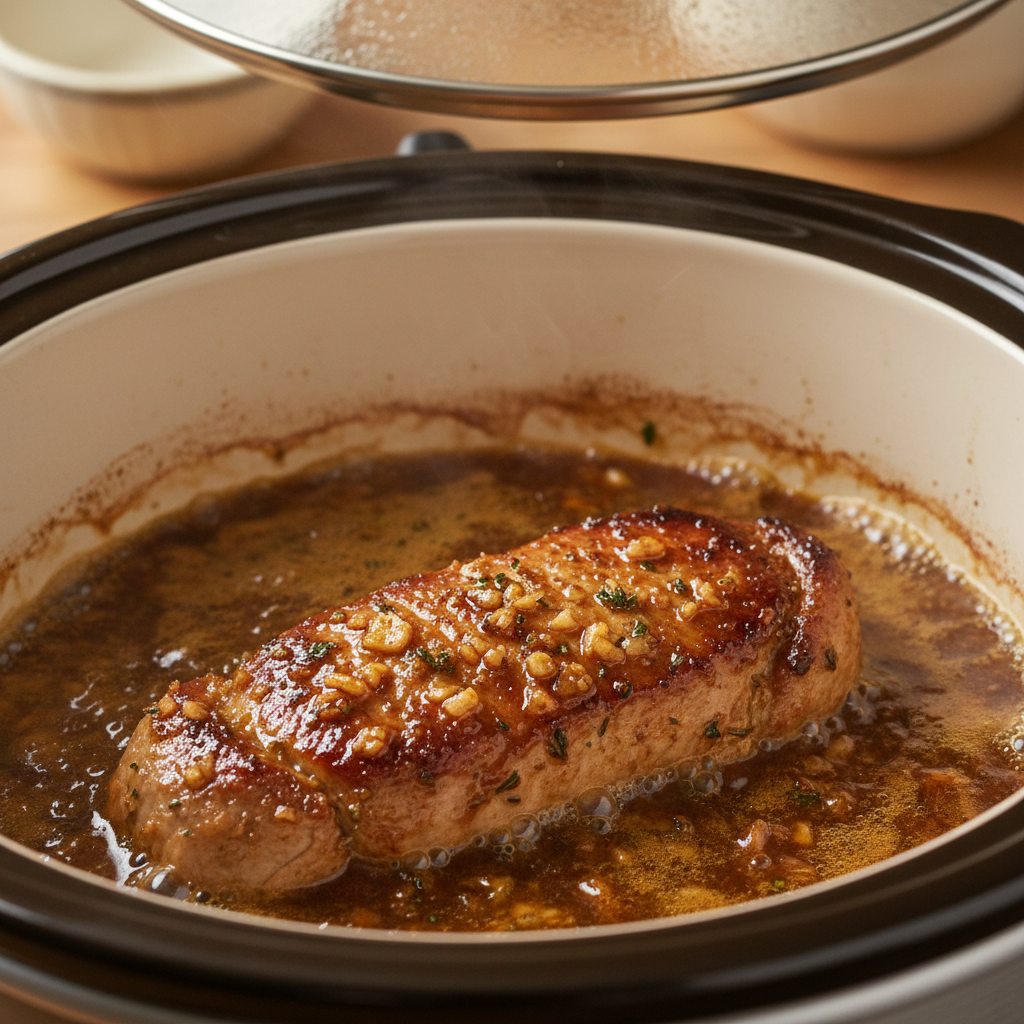
- Initial Sear: Heat a skillet with a small amount of oil. Sear the pork on all sides until golden brown. Transfer this immediately to the slow cooker.
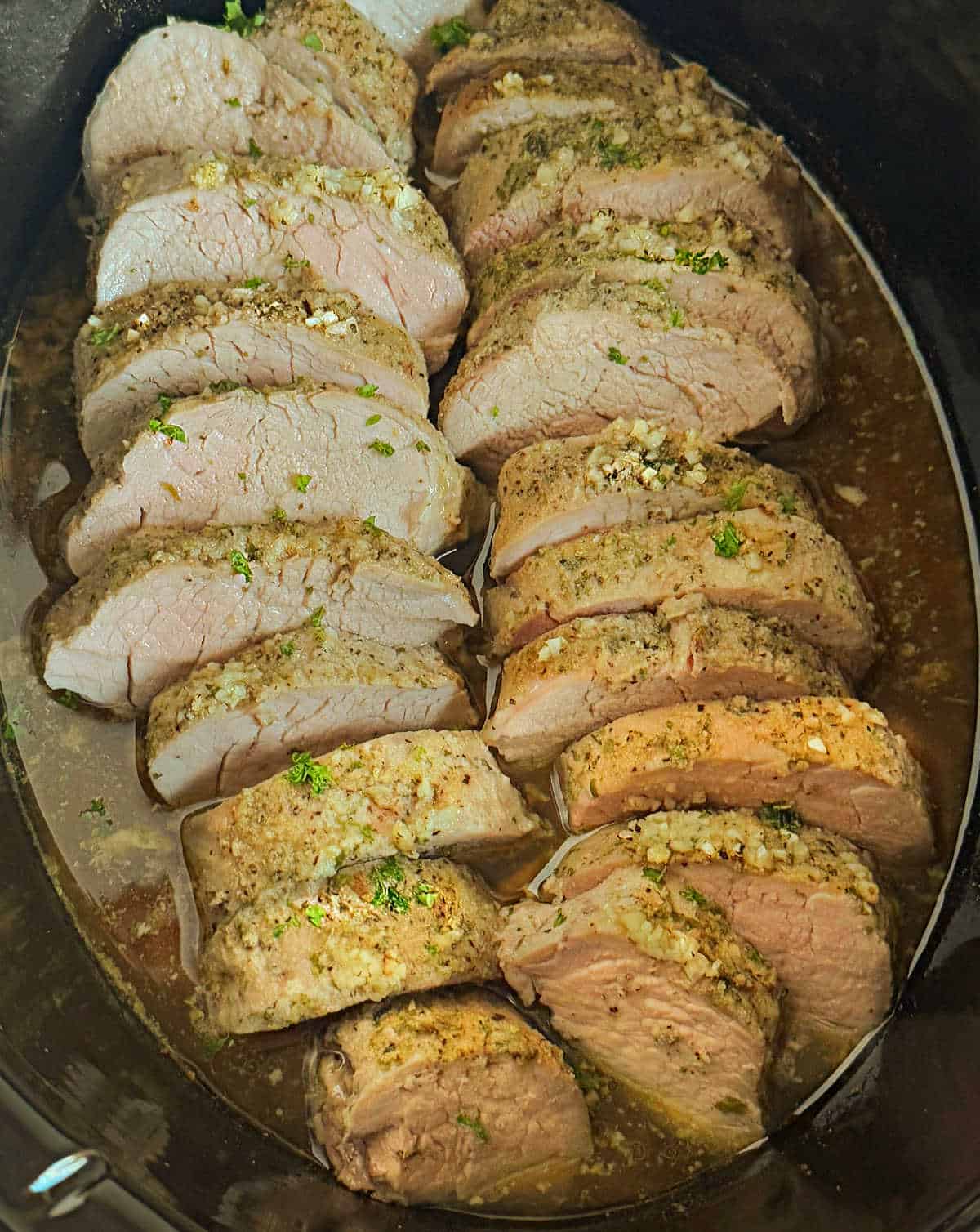
- Deglazing: Pour 1/2 cup of your liquid into the hot skillet to scrape up any browned bits (fond) left behind. Pour this flavorful liquid into the slow cooker over the pork.
- Setting the Timer: Set the slow cooker to "Low." Do not use "High" for pork tenderloin, as it is too aggressive for such a lean cut. The cooking time should be between 2 to 3 hours, depending on the thickness of the tenderloin and the specific performance of your slow cooker model.
- Verification: At the 2-hour mark, insert an instant-read meat thermometer into the thickest part of the tenderloin. Once it registers 145°F, remove it immediately.
Comparison of Slow Cooking Approaches
Different cooking methods affect the final output of lean pork. Understanding these differences helps in managing expectations for your results.
| Method | Heat Source | Moisture Retention | Texture Outcome |
|---|---|---|---|
| Crock Pot (Low) | Consistent, indirect | High (if covered) | Soft, tender, sliceable |
| Oven Roast | Dry, convection | Moderate | Firm exterior, juicy center |
| Pressure Cooker | High-pressure steam | Very High | Extremely tender, potentially loose |
| Grilling | Direct flame | Low | Charred exterior, smoky flavor |
Troubleshooting Common Issues
Even with precise planning, issues can occur. Here is how to handle the most common scenarios:
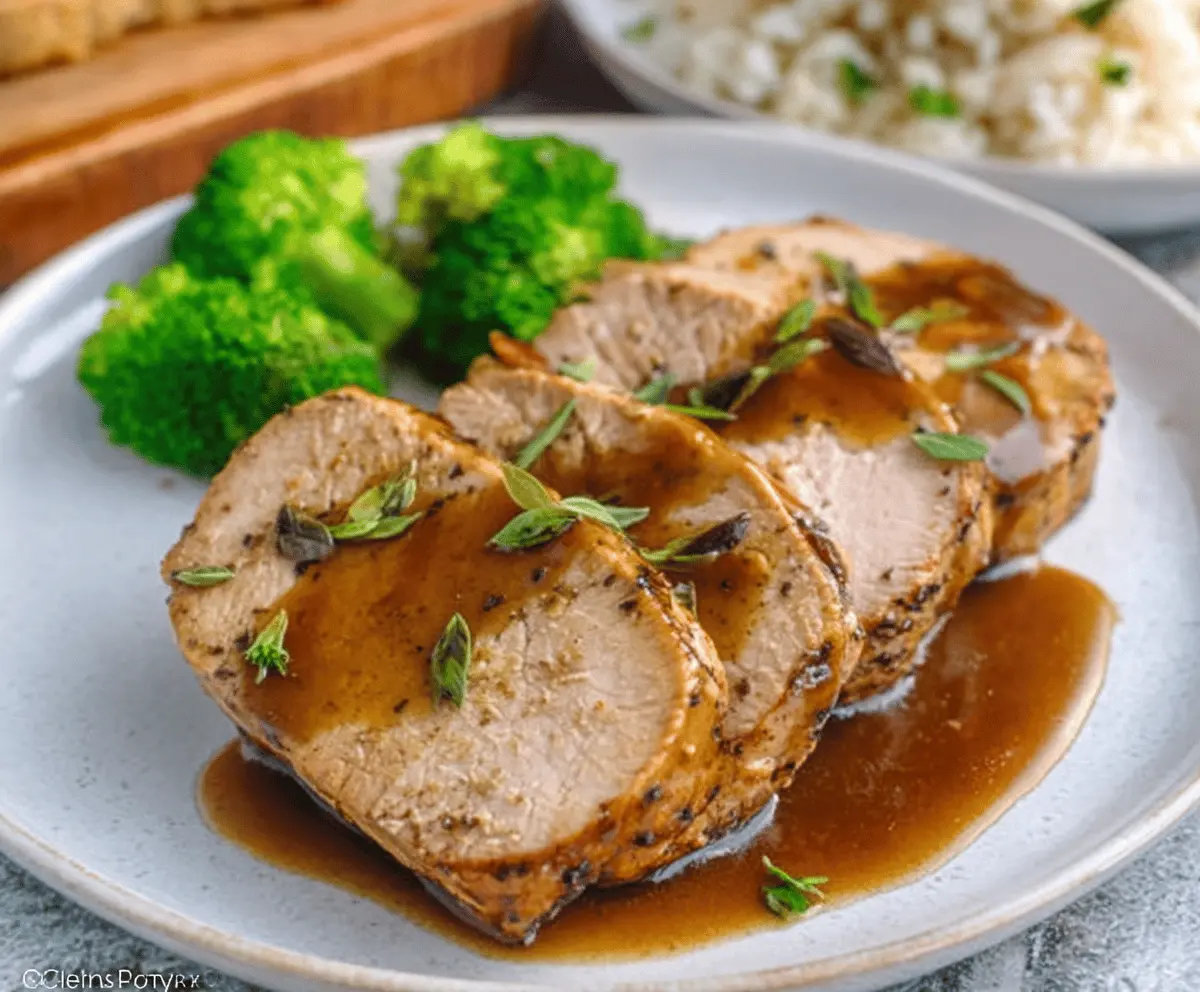
- The meat is dry: If the pork reached an internal temperature higher than 150°F, it has lost too much moisture. You can rescue the dish by slicing it thinly and serving it with a thickened pan sauce or gravy made from the cooking liquids.
- The meat is falling apart: This occurs when the cooking time was too long. While not "dry," it loses the aesthetic appeal of a loin. Use the meat for pulled pork sandwiches or tacos where texture is less critical.
- The flavor is bland: If you find the pork lacking taste, it is usually because the salt was not applied early enough. Always salt your pork at least 30 minutes before cooking to allow the saline to penetrate the muscle fibers.
- The sauce is too thin: Slow cookers produce a significant amount of liquid as the meat releases its juices. After removing the pork, pour the remaining liquid into a saucepan and simmer on the stove over medium-high heat until it reduces by half, or whisk in a slurry of cornstarch and water to thicken it into a glaze.
Safety and Regulatory Considerations
The USDA defines the safe minimum internal temperature for all whole cuts of pork (including tenderloin) as 145°F, followed by a three-minute rest time. In 2026, as in previous years, this remains the gold standard for balancing food safety with culinary quality. Because a slow cooker operates at lower temperatures, it is vital to verify the temperature using a calibrated digital meat thermometer rather than relying on the timer alone. Every slow cooker model heats differently; some "Low" settings may reach 200°F, while others hover near 180°F. Your thermometer is your most reliable tool for preventing overcooking.
Frequently Asked Questions
Does the size of the pork tenderloin change the cooking time? Yes. A thicker tenderloin will take longer to reach the 145°F target than a thin, tapered one. Always cook based on internal temperature rather than time. Start checking your meat about 30 minutes before the suggested completion time to ensure you do not overshoot your target temperature.
Should I add vegetables to the crock pot with the pork? You can, but add hearty vegetables like carrots, potatoes, or onions. Place them at the bottom of the pot so they cook in the juices. Delicate vegetables like bell peppers or zucchini will turn to mush during the time required to cook the pork and are better added during the last 30 minutes of cooking.
Can I cook a frozen pork tenderloin in a crock pot? It is generally discouraged. Placing frozen meat into a slow cooker keeps the food in the "danger zone" (between 40°F and 140°F) for too long, which increases the risk of bacterial growth. Always thaw your pork tenderloin in the refrigerator completely before beginning the cooking process.
Why does my pork have a gray color after cooking? The gray color is typical of slow-cooked meat. Unlike roasting or grilling, the humid environment of the slow cooker prevents the formation of a dark, crusty bark. If appearance is a priority, sear the meat thoroughly before cooking, or finish the cooked tenderloin under a broiler for 2–3 minutes to add color.
Can I use a marinade in the crock pot? Yes, but treat it as a braising liquid. Use a marinade with acidic components like citrus or vinegar sparingly, as long exposure to acid can change the texture of the pork, making it mushy rather than tender.
Final Recommendation
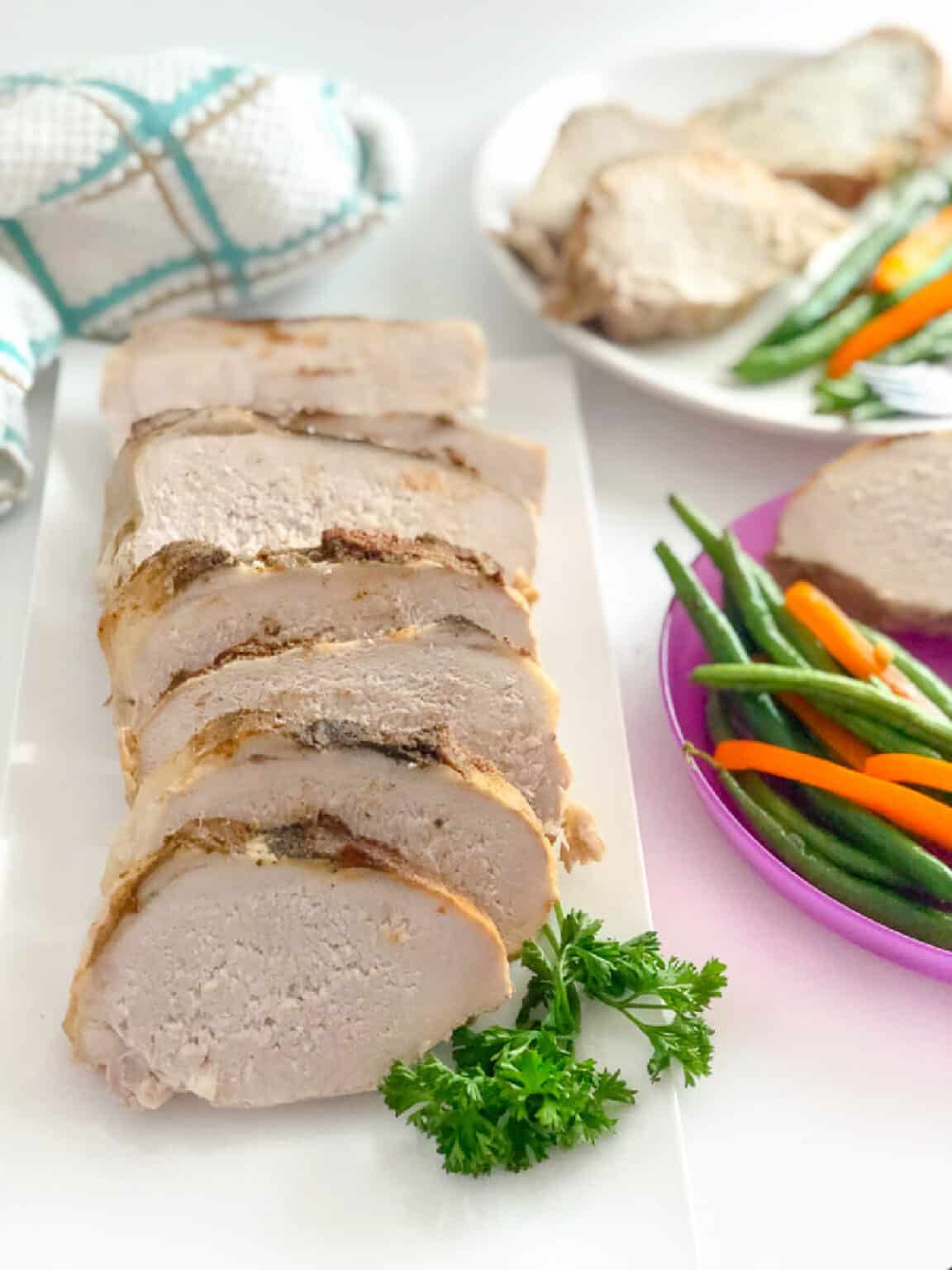
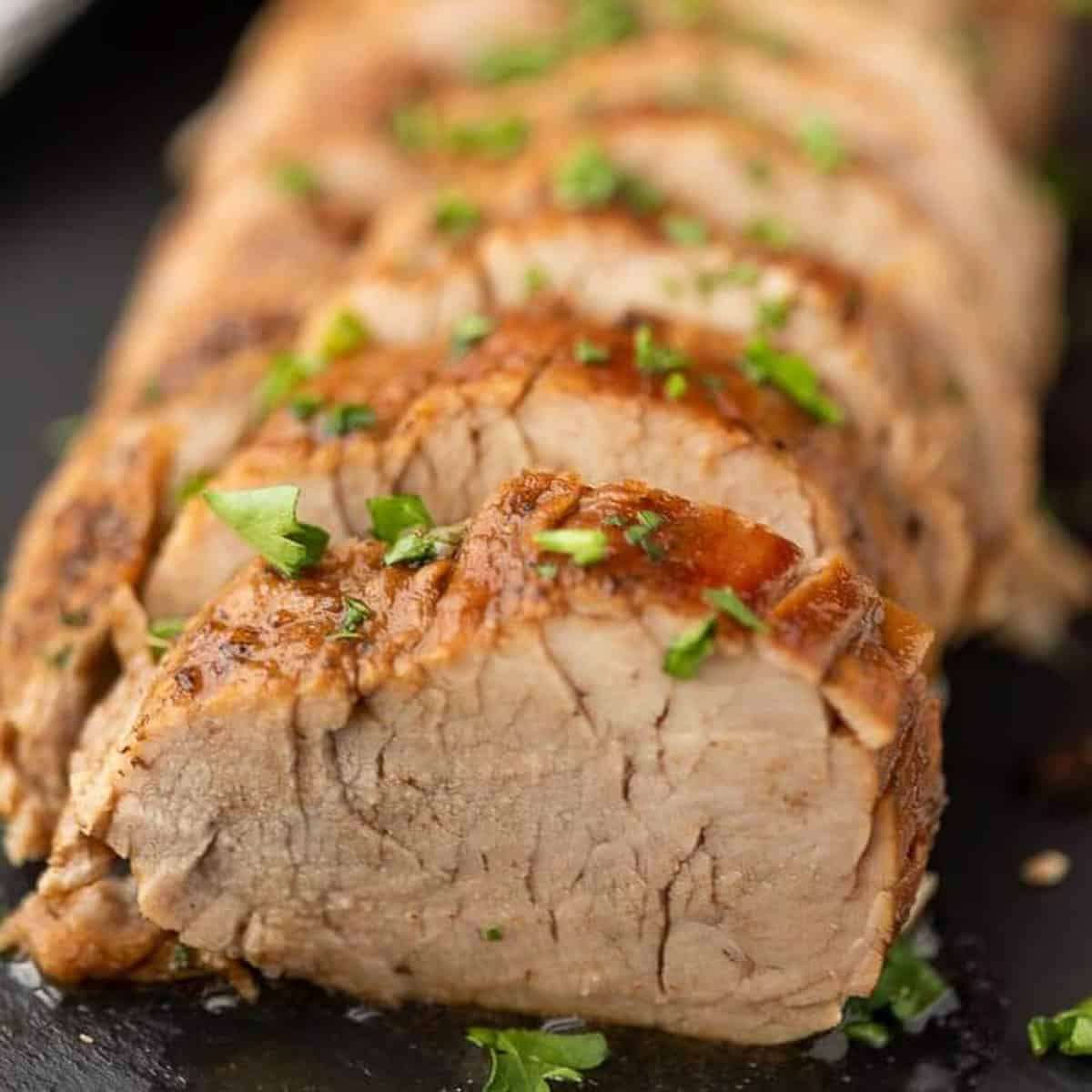
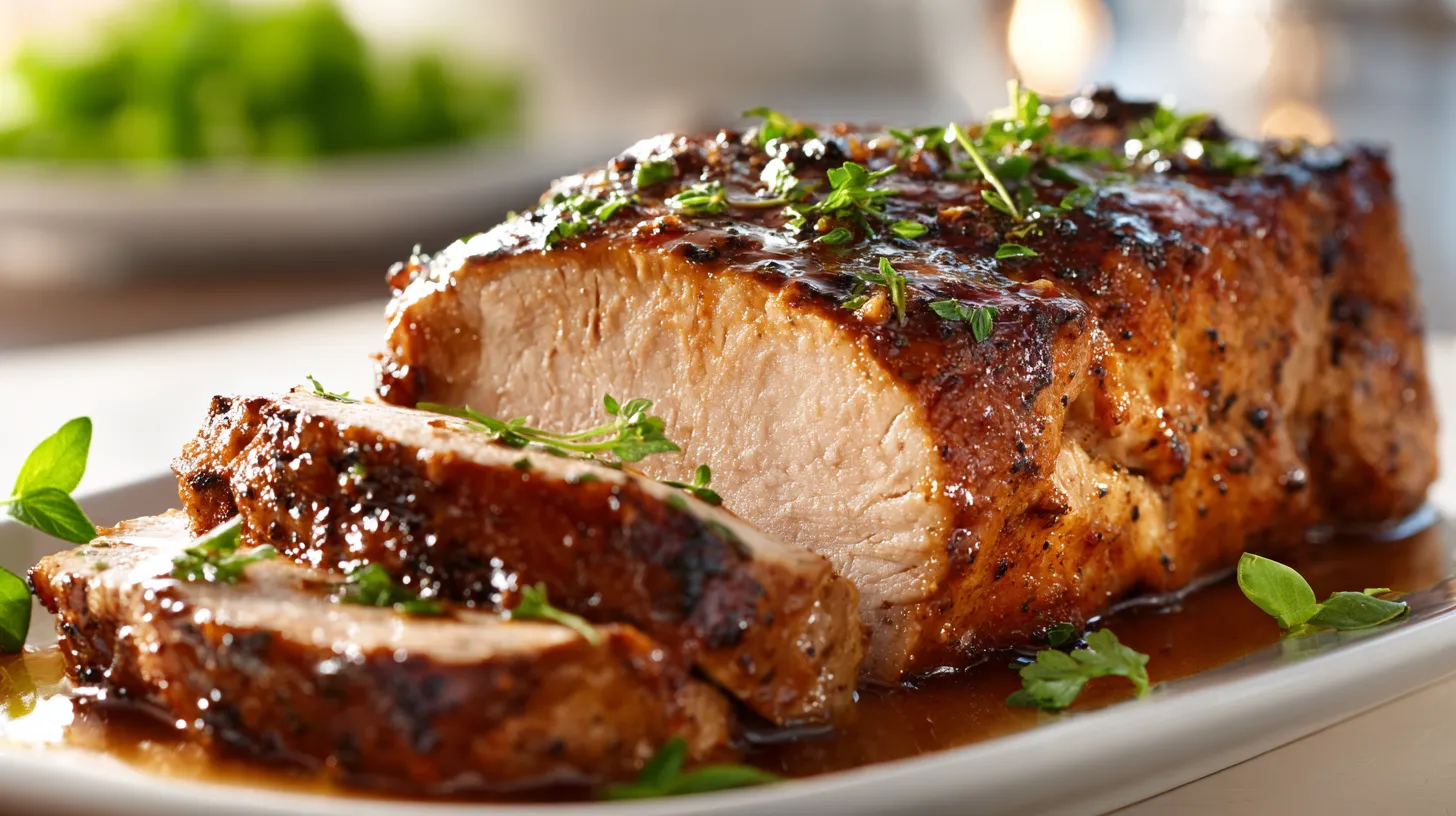
To achieve the best results, focus on the resting phase. Once you pull the pork from the crock pot at 145°F, transfer it to a cutting board, tent it loosely with aluminum foil, and let it rest for at least five minutes. This rest allows the internal juices, which have been pushed toward the center by the heat, to redistribute throughout the meat. Slicing too early will result in those juices running out onto the board, leaving you with dry meat. By combining a quick sear, a moderate liquid base, and a vigilant temperature check, you will transform a humble tenderloin into a restaurant-quality meal.
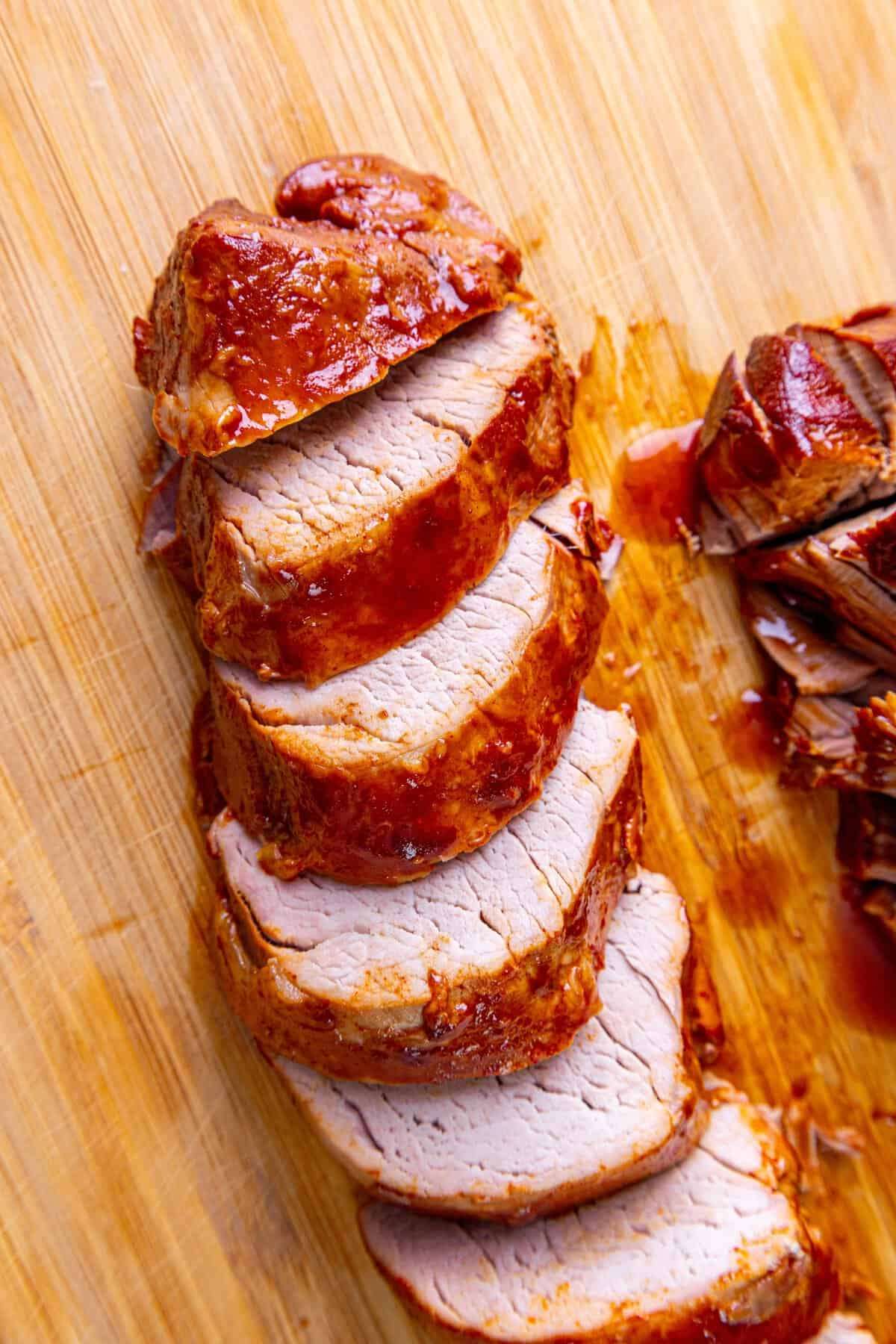
Image Gallery
Select an image to open it in a new tab.


Akira Tanaka
International Academic Trends Correspondent
