How Ancient Coins Boosted Greek Wealth and Revolutionized the Mediterranean Economy

The introduction of coinage boosted Greek wealth by standardizing exchange values, which drastically reduced transaction costs and eliminated the need for the constant weighing of bullion. This financial innovation enabled Greek city-states to fund massive naval fleets, engage in long-distance maritime trade, and pay professional mercenaries, ultimately transforming localized agrarian economies into a dominant, interconnected Mediterranean commercial powerhouse.
The transition from a barter-based or bullion-weight system to a formal currency was not merely a change in convenience; it was a fundamental shift in the nature of economic power. By the 6th century BCE, the Greek world began to move away from traditional forms of wealth—such as cattle, iron spits (obeloi), or uncoined silver—toward a system of state-backed, portable, and durable currency. This evolution provided the infrastructure for what many historians consider the first "globalized" economy of the ancient world.
The Pre-Coinage Economy: Barter, Bullion, and Iron Spits
Before coins revolutionized the Greek landscape, wealth was measured in tangible, often cumbersome goods. The Homeric epics describe a world where value was frequently expressed in "oxen." For example, a skilled artisan’s labor or a suit of bronze armor might be valued at a specific number of cattle. While cattle are inherently valuable, they are poor "money" because they are not easily divisible, portable over long distances without high cost, or uniform in quality.
As Greek society became more complex, they adopted "hacksilver"—pieces of silver bullion that were weighed at every transaction. While silver was a better store of value than livestock, it presented a significant "friction" in trade. Every merchant had to carry accurate scales and touchstones to verify the purity of the silver. If a piece of silver was suspected of being debased with lead or copper, the transaction could stall or fail entirely.
In parts of the Peloponnese, particularly in Sparta and Argos, wealth was also represented by iron spits called obeloi. A handful of six spits was known as a drachma (literally "a handful"). While these provided a rudimentary standard, they were too heavy and low-value for international trade. The move to coinage was necessitated by the expanding horizons of Greek mariners and the need for a medium that could be trusted from the Pillars of Hercules to the Black Sea.
The Ionian Spark and the Lydian Connection
The concept of "stamped" money originated in Lydia, a kingdom in western Asia Minor (modern-day Turkey) that had close cultural and commercial ties with Ionian Greek cities like Miletus and Ephesus. Around 610–600 BCE, the Lydians began minting coins made of electrum—a naturally occurring alloy of gold and silver found in the Pactolus River.
The genius of the Lydian and Ionian invention was the "seal" or "type" stamped onto the metal. This mark served as a state guarantee of both the weight and the purity of the piece. When a merchant saw the seal of a known authority, they no longer needed to weigh the metal or test its quality. This psychological shift—from valuing a piece of metal by its weight to valuing it by its "face"—is the moment the modern economy was born.
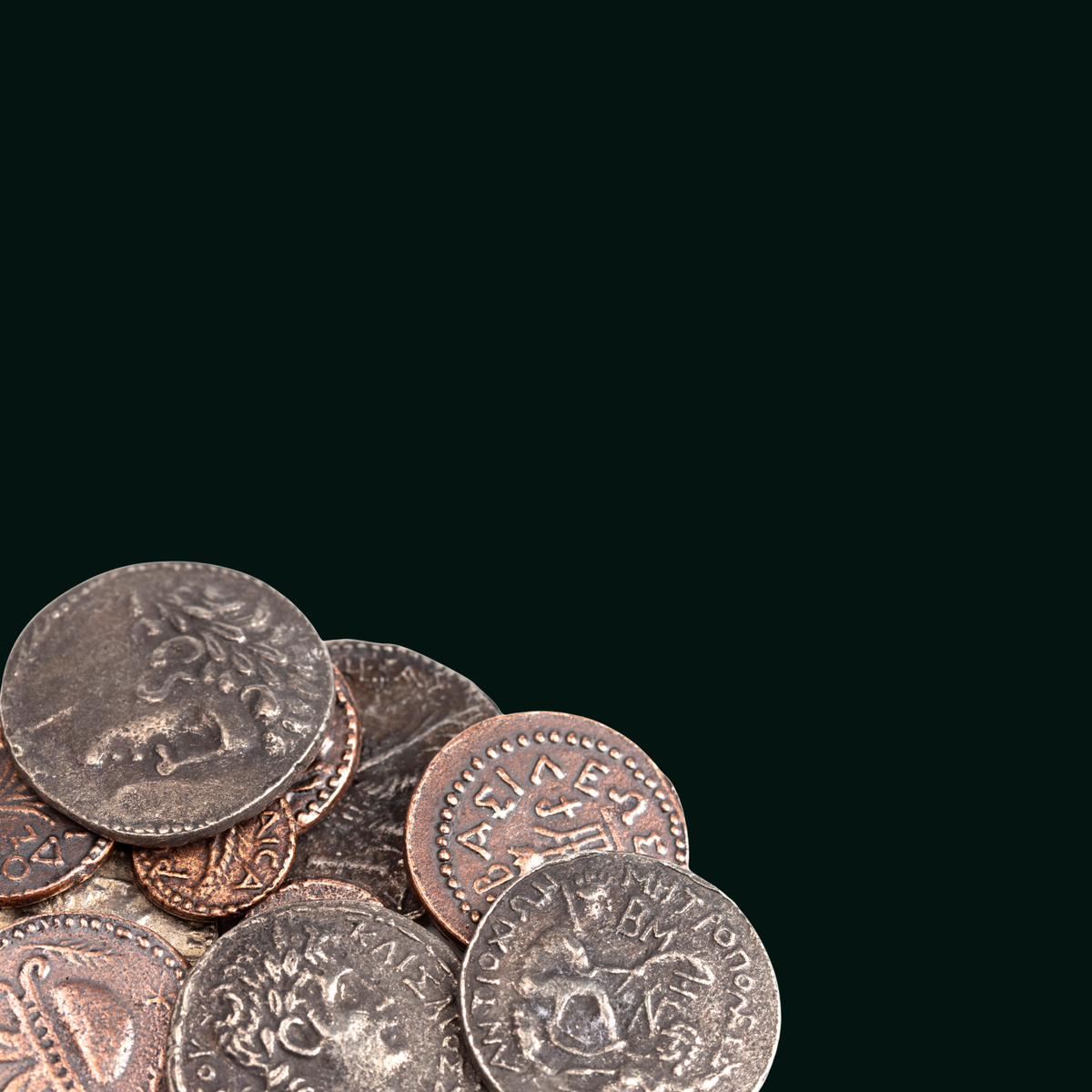
Greek city-states quickly realized that minting their own coins was a powerful tool for sovereignty and wealth generation. Aegina, an island nation with a powerful merchant navy, was the first in European Greece to adopt the practice, minting the famous "turtle" coins. These were followed by Corinth with its "Pegasus" staters and, eventually, Athens with its iconic "Owls."

How Standardization Created a Multiplier Effect
The primary way coins boosted Greek wealth was through the reduction of transaction costs. In economic terms, "friction" refers to anything that slows down or adds cost to an exchange. By removing the need for weighing and assaying, coins allowed for faster, more frequent trades.
- Liquidity: Coins made wealth "liquid." A farmer could sell a surplus of olives for silver coins, which could then be stored indefinitely or used to buy grain, cloth, or tools at a later date. Unlike agricultural products, coins did not rot.
- Market Expansion: A merchant from Corinth could take a ship full of pottery to Sicily, sell it for local coins (which shared a similar weight standard), and then use those coins to buy local grain to sell back home.
- Price Discovery: Coins allowed for more precise pricing. Instead of haggling over the "size" of a piece of silver, buyers and sellers could agree on a specific number of drachmas. This transparency helped create more efficient markets where supply and demand could interact more clearly.
The Role of the Laurion Mines in Athenian Prosperity
No discussion of Greek wealth is complete without mentioning the silver mines of Laurion. Located in the south of Attica, these mines provided the raw material for the Athenian "Owl" tetradrachms. The discovery of a massive new vein of silver in 483 BCE was the turning point that allowed Athens to become a superpower.
Under the guidance of the statesman Themistocles, the Athenians decided not to distribute the silver surplus among the citizens but instead used it to build a massive fleet of 200 triremes. This investment in "military capital" was only possible because they had a standardized currency to pay the shipbuilders and the rowers. This fleet ultimately defeated the Persian navy at the Battle of Salamis, securing Greek independence and paving the way for the "Golden Age" of Athens.
The Laurion mines produced an estimated 1,000 talents of silver annually at their peak. Because the Athenian "Owl" was minted with such high-quality silver (usually over 95% pure), it became the "reserve currency" of the Mediterranean. It was accepted even by those who were enemies of Athens, much like the U.S. Dollar or the Euro in the modern era.
The Social and Political Transformation
The shift to a coin-based economy had profound social implications. In the pre-coinage era, wealth was largely tied to land ownership, which was controlled by the aristocracy. Because land cannot be easily moved or hidden, the elite maintained a firm grip on the social hierarchy.
Coins changed this by enabling the rise of a "middle class" of merchants, ship-owners, and skilled artisans. These individuals could accumulate wealth through trade and talent rather than inheritance. This new wealth led to demands for political representation, which served as a catalyst for the development of early democratic structures in various city-states.
Furthermore, coinage allowed the state to collect taxes more efficiently. Instead of accepting a portion of a farmer's wheat (which the state then had to store and transport), the government could collect coins. This "cash" could then be used to fund public works, such as the Parthenon in Athens or the great temples at Olympia, further stimulating the economy through large-scale government spending.
Comparing Ancient Greek Coinage Standards
Different city-states used different weight standards, which required "money changers" to operate at major ports. However, the most successful coins were those that maintained a consistent standard over centuries.
| City-State | Primary Emblem | Weight Standard | Common Denomination | Primary Impact |
|---|---|---|---|---|
| Aegina | Sea Turtle | Aeginetan | Stater (approx. 12.2g) | First mainland mint; dominated early Peloponnesian trade. |
| Athens | Owl of Athena | Attic | Tetradrachm (approx. 17.2g) | Became the Mediterranean's "International Standard." |
| Corinth | Pegasus | Corinthian | Stater (approx. 8.6g) | Widely used in the western colonies (Sicily and Italy). |
| Miletus | Lion | Milesian | Electrum Stater | Pioneered early trade between Ionia and the Lydian interior. |
Military Might and the Mercenary Economy
One of the most direct ways coins boosted Greek wealth and power was through the professionalization of warfare. Before coinage, wars were fought by citizen-farmers who had to return home for the harvest. This limited the duration and distance of military campaigns.
With the advent of coinage, city-states could hire mercenaries. Silver coins allowed for the payment of soldiers from distant lands who had no loyalty to a specific city but were highly motivated by "hard cash." During the Peloponnesian War, the ability to pay rowers and hoplites became the deciding factor in longevity. The Persians eventually realized this, and by "funding" various Greek factions with Persian gold (the Daric), they were able to influence Greek politics without ever sending an army across the Hellespont.
The Economic Downside: Inflation and Debasement
While coins created wealth, they also introduced the first "modern" economic crises. During times of extreme stress—such as the final years of the Peloponnesian War—Athens found its supply of Laurion silver cut off by Spartan occupation. To continue paying their fleet, the Athenians were forced to mint "emergency" coins made of copper plated with a thin layer of silver.
This led to the first recorded instances of Gresham's Law: "bad money drives out good." Citizens hoarded the pure silver "Owls" and only spent the debased copper coins. This caused prices to rise and trust in the Athenian state to plummet. This historical lesson highlights that the "wealth" created by coins was not in the metal itself, but in the trust that the issuing authority could maintain the value of that metal.
Frequently Asked Questions
Did the use of coins lead to higher taxes in Ancient Greece?
Yes, but it also made the collection of taxes more equitable and efficient. Before coins, "liturgies" (mandatory public service or funding) were the primary way the wealthy contributed to the state. Coins allowed for smaller, more frequent taxes on trade and market activities (such as the pentekoste, a 2% customs duty at the port of Piraeus), which provided a steadier stream of revenue for the city-state.
Why was the Athenian "Owl" the most popular coin?
The Athenian Owl was favored because of its consistent weight and exceptional silver purity. Athens controlled the Laurion mines, giving them a surplus of high-quality silver that other cities lacked. By refusing to debase their currency for centuries, Athens ensured that their coins were accepted at face value from Spain to India, effectively making it the world’s first global currency.
How did coins help the average Greek citizen?
Coins democratized the economy. An average laborer or sailor could be paid in small denominations (like the obol), which they could then use to buy food in the agora (marketplace). This moved the economy away from subsistence farming and allowed for specialized labor, as people could now "buy" what they didn't produce themselves.
Were there any Greek cities that refused to use coins?
Sparta is the most famous example. To discourage greed and social stratification, the Spartans traditionally used heavy, iron "spits" as currency. These were intentionally made of low value and were difficult to transport, which effectively isolated the Spartan economy and prevented the rise of a merchant class. However, even Sparta eventually had to use silver coins to fund its navy and conduct foreign diplomacy.
How do archaeologists use these coins today to understand ancient wealth?
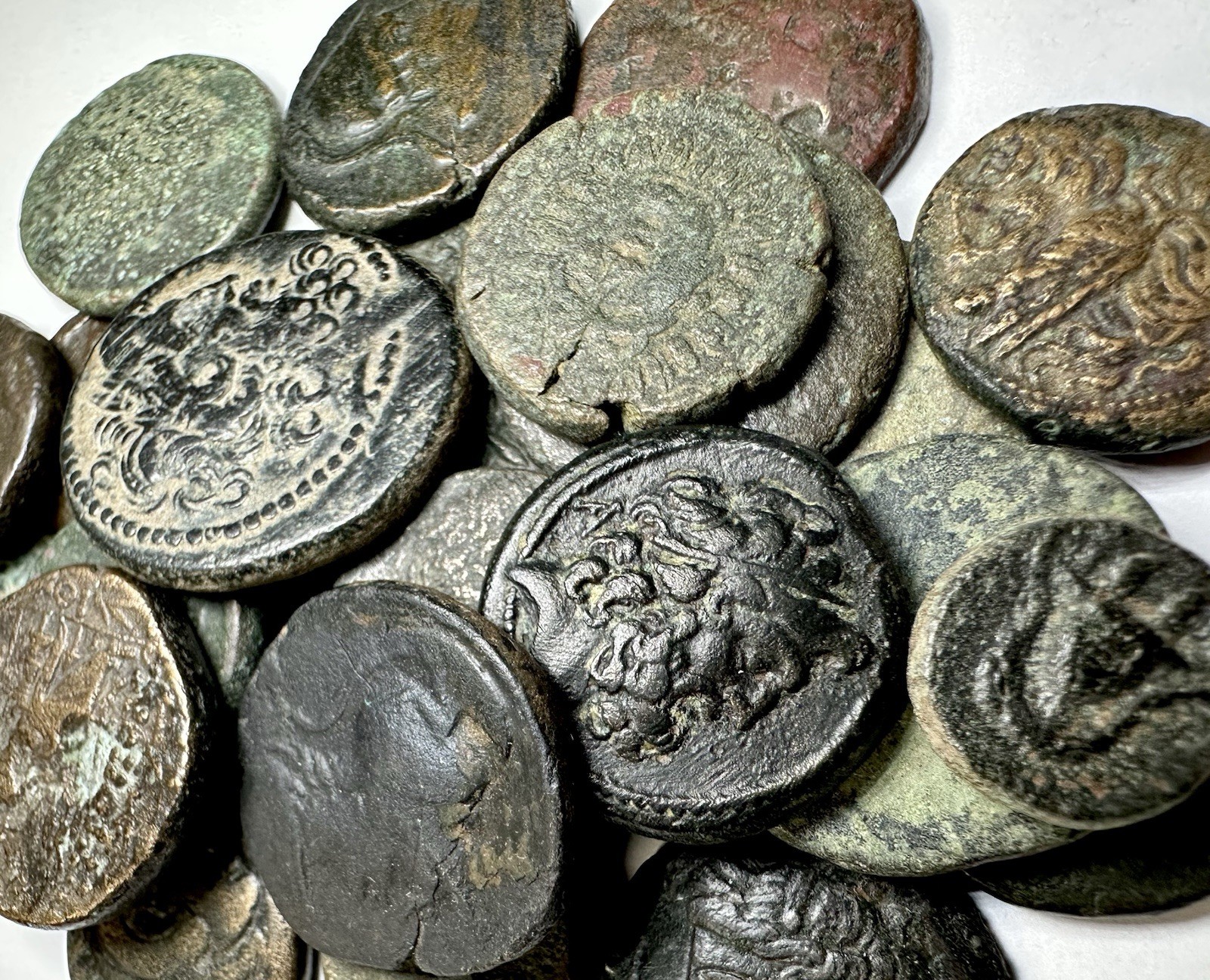
Numismatics (the study of coins) is a vital tool for historians. By analyzing "coin hoards"—collections of coins buried by individuals in times of danger—archaeologists can map out ancient trade routes. For example, finding Athenian Owls in a hoard in Afghanistan proves the extent of Greek commercial reach even before the conquests of Alexander the Great.
Moving Forward: Next Steps for Research
To truly understand how coins boosted Greek wealth, one must look beyond the coins themselves and study the accounts of the Trapezitai (ancient bankers). These individuals managed currency exchange, provided loans, and even handled "checks" or letters of credit.
For those interested in the practical application of this history, visiting the numismatic collections at the British Museum or the Museum of the Athenian Agora provides a firsthand look at the craftsmanship and standardization that underpinned the Greek economic miracle. Studying the transition from the "Sea Turtle" of Aegina to the "Owl" of Athens offers a masterclass in how economic dominance shifts through innovation and the control of raw resources.
Image Gallery
Select an image to open it in a new tab.



Mateo Castillo
Decentralized Finance and E-Payments Strategist
